
Industry News
Curation by industry experts
Hot Articles
Popular Tags
Municipal Sewage Plant Upgrades: When MBR Makes Sense for Capacity and Compliance
Municipal Sewage Plant Upgrades: When MBR Makes Sense for Capacity and Compliance
For every municipal sewage plant facing tighter discharge limits, rising peak flows, and limited expansion space, upgrade decisions now carry more operational and financial consequences.
A conventional expansion can still work.
But in many cases, membrane bioreactor technology changes the economics of compliance, footprint, and future flexibility.
The real question is not whether MBR is advanced.
The question is when an MBR upgrade becomes the more defensible choice for a municipal sewage plant.
From a project delivery perspective, that decision usually comes down to six pressures: space, effluent limits, peak loading, reuse targets, retrofit constraints, and long-term compliance risk.
Why Many Municipal Sewage Plant Upgrades Are Getting Harder
A municipal sewage plant today is expected to do more with less land, less downtime, and less tolerance for permit failure.
That pressure is coming from several directions at once.
- Population growth is increasing average and peak hydraulic loading.
- Industrial discharge variability is affecting influent strength and shock loads.
- Discharge permits are tightening for TSS, BOD, TN, TP, and pathogens.
- Urban sites often have no practical room for new clarifiers.
- Water reuse goals are moving from optional to strategic.
In that environment, adding more conventional secondary treatment may solve only part of the problem.
A municipal sewage plant can gain biological capacity, yet still struggle with solids separation, wet-weather consistency, or polishing requirements.
What MBR Changes in a Municipal Sewage Plant
MBR combines activated sludge treatment with membrane filtration, replacing secondary clarification and often tertiary filtration.
That sounds simple, but the project impact is significant.
Because membranes physically retain suspended solids, the biological system can run at much higher mixed liquor concentrations.
This allows a municipal sewage plant to increase treatment capacity in a smaller process footprint.
It also produces a far cleaner effluent, usually with very low turbidity and solids.
In practical terms, MBR can help an upgrade deliver three outcomes at once:
- Capacity expansion without major land acquisition.
- Improved effluent quality for discharge or reuse.
- Better process stability under variable loading.
That said, MBR is not automatically the right answer for every municipal sewage plant. The value appears only under certain operating and compliance conditions.
When MBR Makes Sense for Capacity Growth
The strongest MBR case usually starts with site constraints.
If a municipal sewage plant must add flow capacity inside an existing boundary, conventional expansion becomes expensive very quickly.
New clarifiers, filters, hydraulic structures, and piping corridors need space that many facilities simply do not have.
MBR becomes attractive when one or more of these conditions apply:
- The municipal sewage plant is landlocked by urban development.
- Existing aeration tanks can be repurposed or intensified.
- Secondary clarifiers are already the hydraulic bottleneck.
- Peak wet-weather loading causes solids washout risk.
- The project must avoid major new civil construction.
A common upgrade path is to retain parts of the existing biological process while replacing or bypassing clarification with membrane separation.
For a municipal sewage plant under expansion pressure, that can shorten implementation time and reduce disruption across the site.
When MBR Makes Sense for Compliance
Capacity is only half the story.
Many municipal sewage plant upgrades are driven by compliance exposure, not flow growth alone.
MBR is especially relevant when effluent consistency matters more than average performance.
That includes receiving waters with strict nutrient sensitivity, reuse schemes, and permits with very limited excursion tolerance.
Typical compliance triggers
- Repeated TSS or turbidity non-compliance during storm events.
- Need for low-pathogen effluent before disinfection.
- Pressure to support irrigation, industrial reuse, or indirect potable reuse schemes.
- Stricter receiving water protections for nitrogen and phosphorus control.
- Rising regulator focus on resilience, not just monthly averages.
For a municipal sewage plant in one of those scenarios, MBR creates a more stable solids barrier.
That reduces the dependency on clarifier settling behavior, sludge blanket control, and weather-sensitive solids capture.
In other words, it gives project teams a stronger compliance buffer when the permit is unforgiving.
Where MBR Needs Careful Caution
MBR offers clear benefits, but it is not a universal upgrade template.
The technology introduces higher aeration demand, membrane maintenance, and more instrumentation dependency.
A municipal sewage plant with weak operations support may not capture the expected value.
Watch these risk factors
- High energy prices can change lifecycle economics.
- Influent grit, fats, or fibers can increase fouling pressure.
- Poor upstream screening can shorten membrane life.
- Limited operator training can undermine reliability.
- Chemical cleaning logistics must be planned early.
This is why early pilot work, influent characterization, and realistic OPEX modeling matter.
For a municipal sewage plant with stable land availability and moderate permit limits, a conventional activated sludge upgrade may still be the better investment.
A Practical Screening Framework for Project Decisions
The most useful question is not, “Is MBR better?”
It is, “What problem is the municipal sewage plant actually paying to solve?”
A practical screening process should compare MBR against conventional alternatives on the same decision basis.
Key evaluation points
- Define the real bottleneck: biology, clarification, filtration, or hydraulics.
- Map permit trends over ten to fifteen years, not only current limits.
- Test whether reuse targets could turn high-quality effluent into project value.
- Quantify land, civil, and outage costs for each option.
- Model energy, membrane replacement, cleaning, and staffing impacts.
- Review constructability inside the existing municipal sewage plant footprint.
This step is often where MBR separates itself.
Its capital cost can look higher in isolation.
But when avoided land purchase, tertiary filtration, compliance penalties, and future retrofit costs are included, the total case can shift decisively.
How to Build a More Defensible Upgrade Case
For capital planning, a stronger business case usually combines technical fit with risk reduction.
That means framing MBR around outcomes the municipal sewage plant must secure, not features it might like to have.
- Show how the upgrade protects permit compliance during peak events.
- Demonstrate how footprint reduction avoids difficult site expansion.
- Link effluent quality to reuse, resilience, or downstream process simplification.
- Use lifecycle cost ranges, not single-point estimates.
- Include staffing, cleaning strategy, and spare parts planning from the start.
More importantly, keep the decision grounded in local conditions.
A municipal sewage plant with tight space, strict limits, and reuse ambition has a very different upgrade logic from one serving a low-pressure discharge point.
That is where disciplined technical intelligence matters.
At ESD, that means reading process choices through the full lens of capacity, compliance, resource value, and future regulatory direction.
If the municipal sewage plant must expand inside a constrained footprint while producing more reliable effluent, MBR is no longer a premium option. It becomes a strategic one worth testing, modeling, and defending early.
Recommended News
When does environmental equipment intelligence reduce wastewater plant energy use?
Environmental equipment intelligence for wastewater plants cuts energy use through smarter aeration, pumping, and data-driven controls—without compromising compliance. Discover when it delivers measurable savings.
Which supplier evaluation support tools improve audit consistency?
Supplier evaluation support tools improve audit consistency with controlled checklists, evidence capture, risk scoring, CAPA workflows, and traceable approvals. Explore the essentials.
How reactor retention time affects denitrification equipment performance
Denitrification equipment reactor performance depends on retention time, carbon, mixing, and load control. Explore practical insights for reliable nitrogen removal.
How feed salinity affects energy use in ZLD system brine treatment
ZLD system brine treatment: discover how feed salinity drives energy use, scaling risk, and technology choices for efficient, reliable zero liquid discharge.
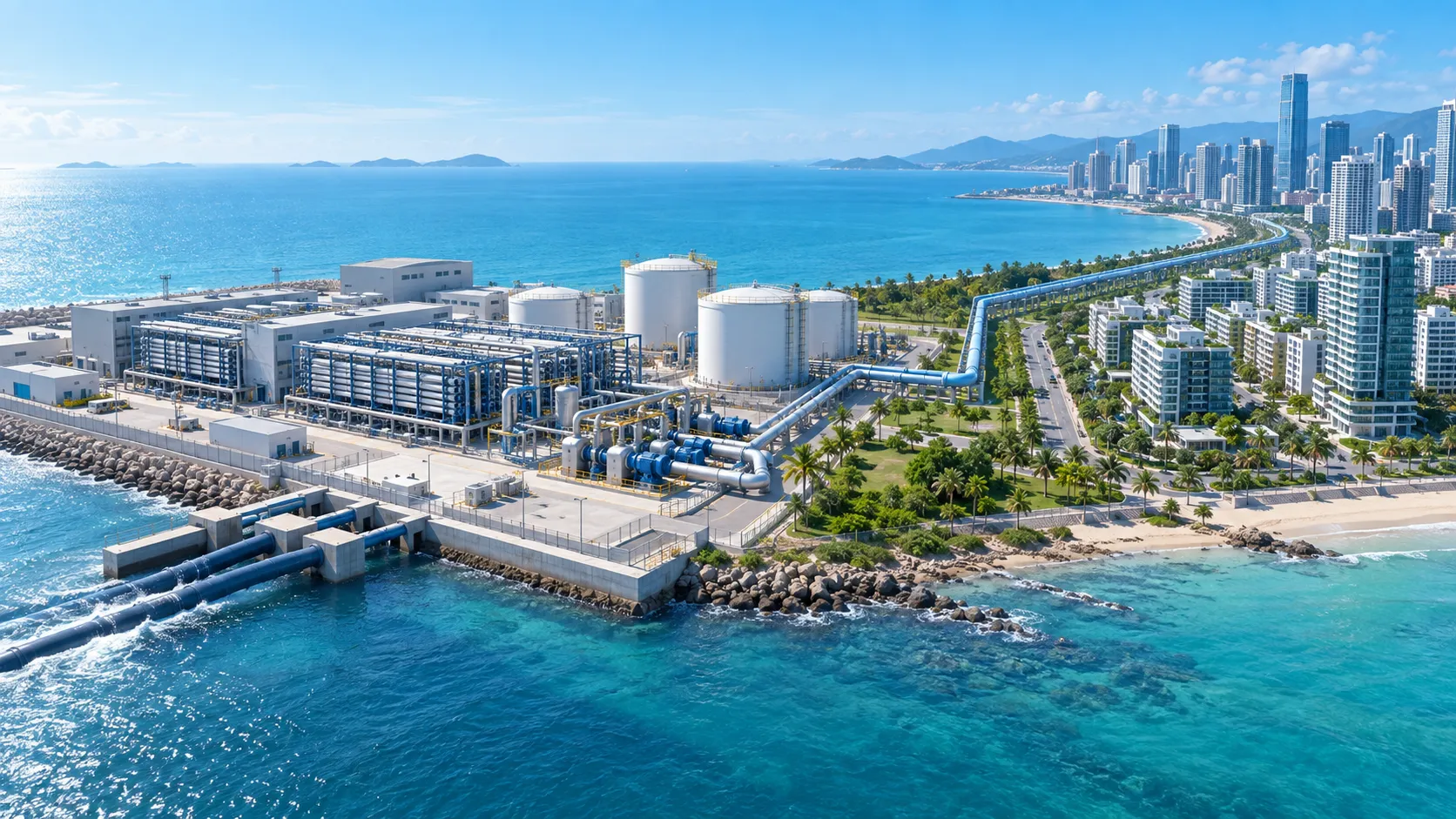
How coastal cities can select desalination solutions for peak demand
Seawater desalination solutions for coastal cities: compare firm peak capacity, intake risk, energy resilience, and lifecycle value to secure reliable water supply.
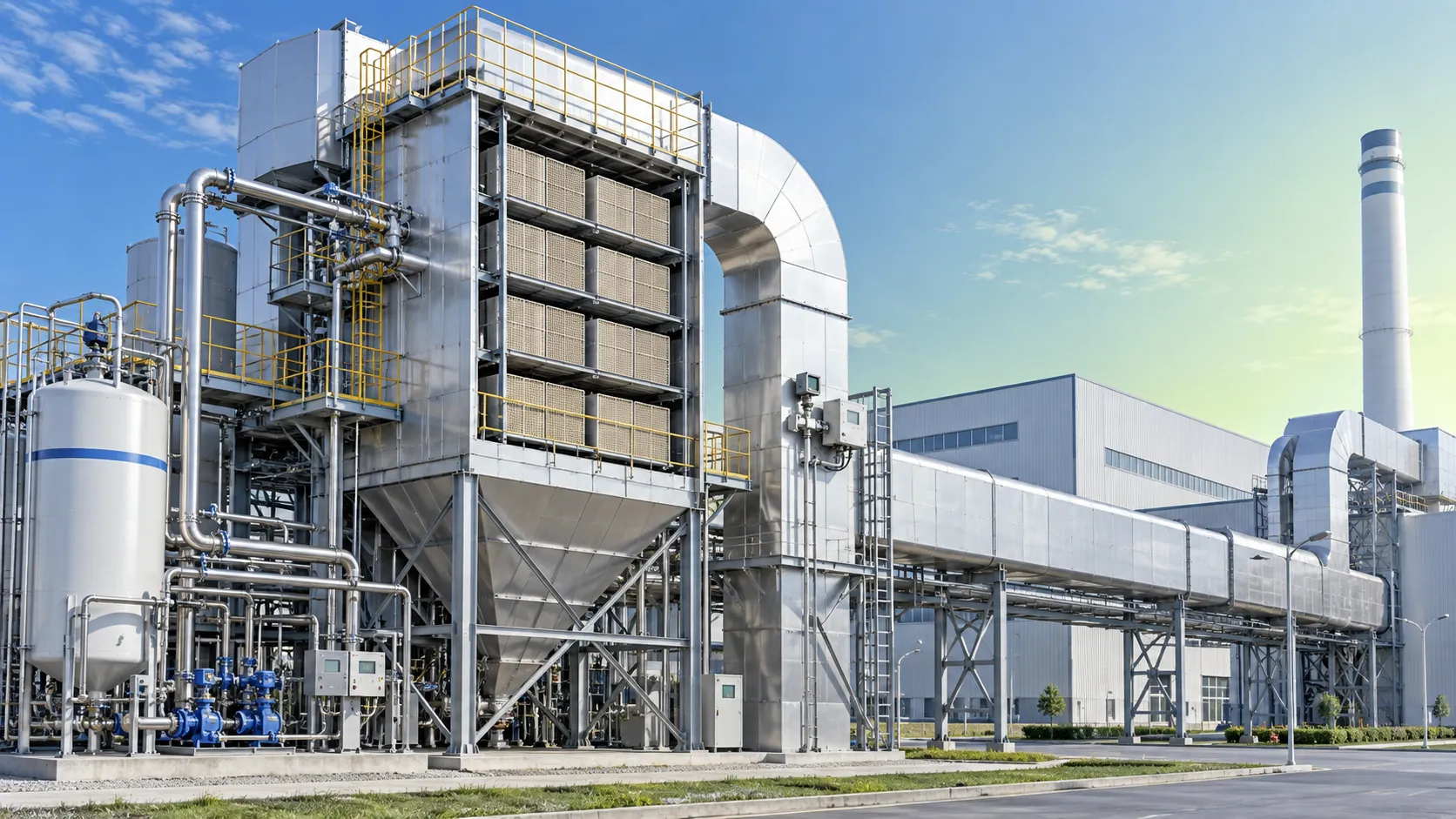
How SCR denitrification systems in Europe meet Industrial Emissions rules
SCR denitrification systems Europe: learn how permit-led design, ammonia-slip control, catalyst management and monitoring support Industrial Emissions compliance.
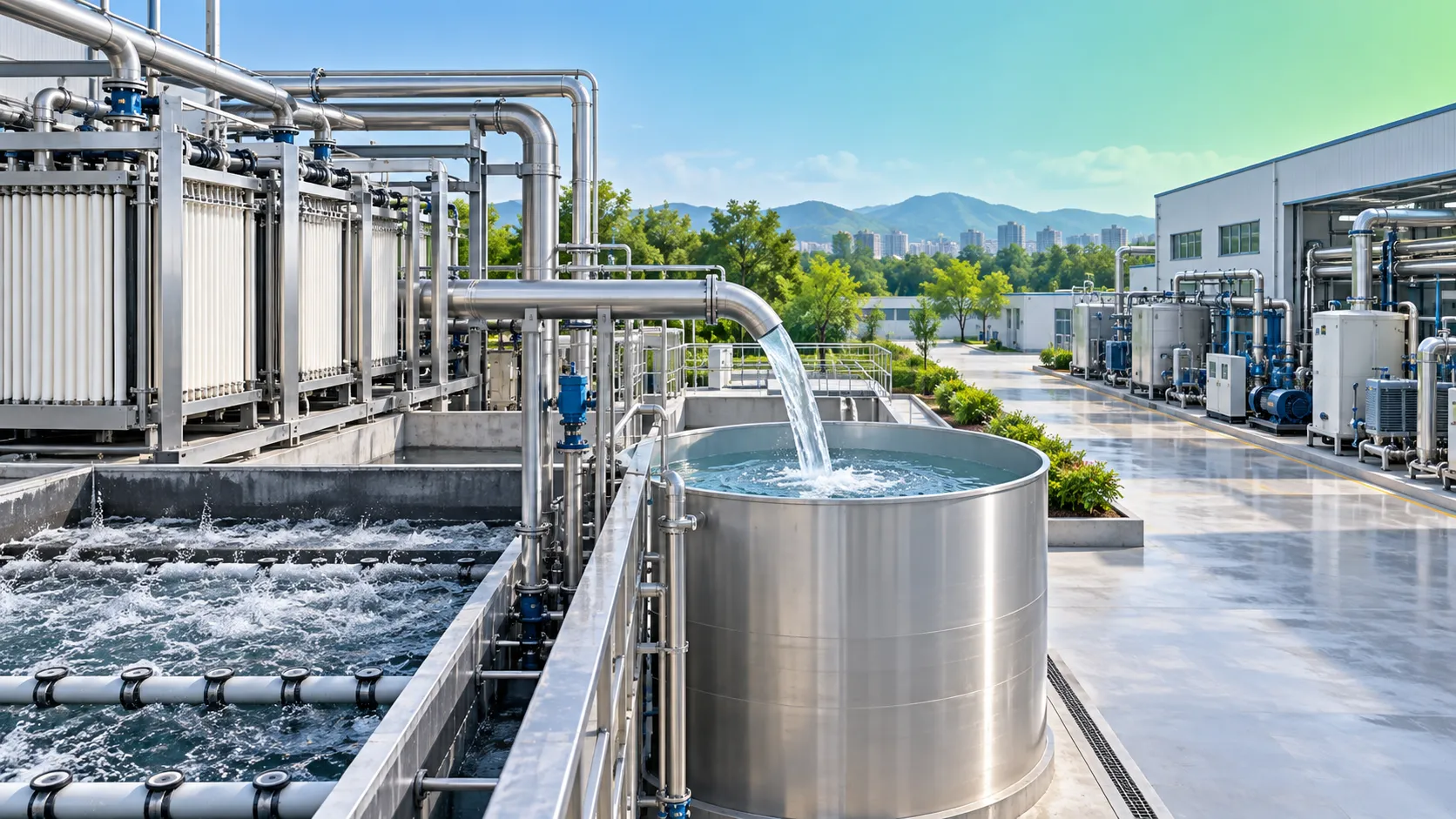
When does MBR equipment make sense for wastewater reuse?
Water treatment equipment for wastewater reuse: learn when MBR delivers compact, reliable low-solids effluent—and when alternative treatment trains offer better value.
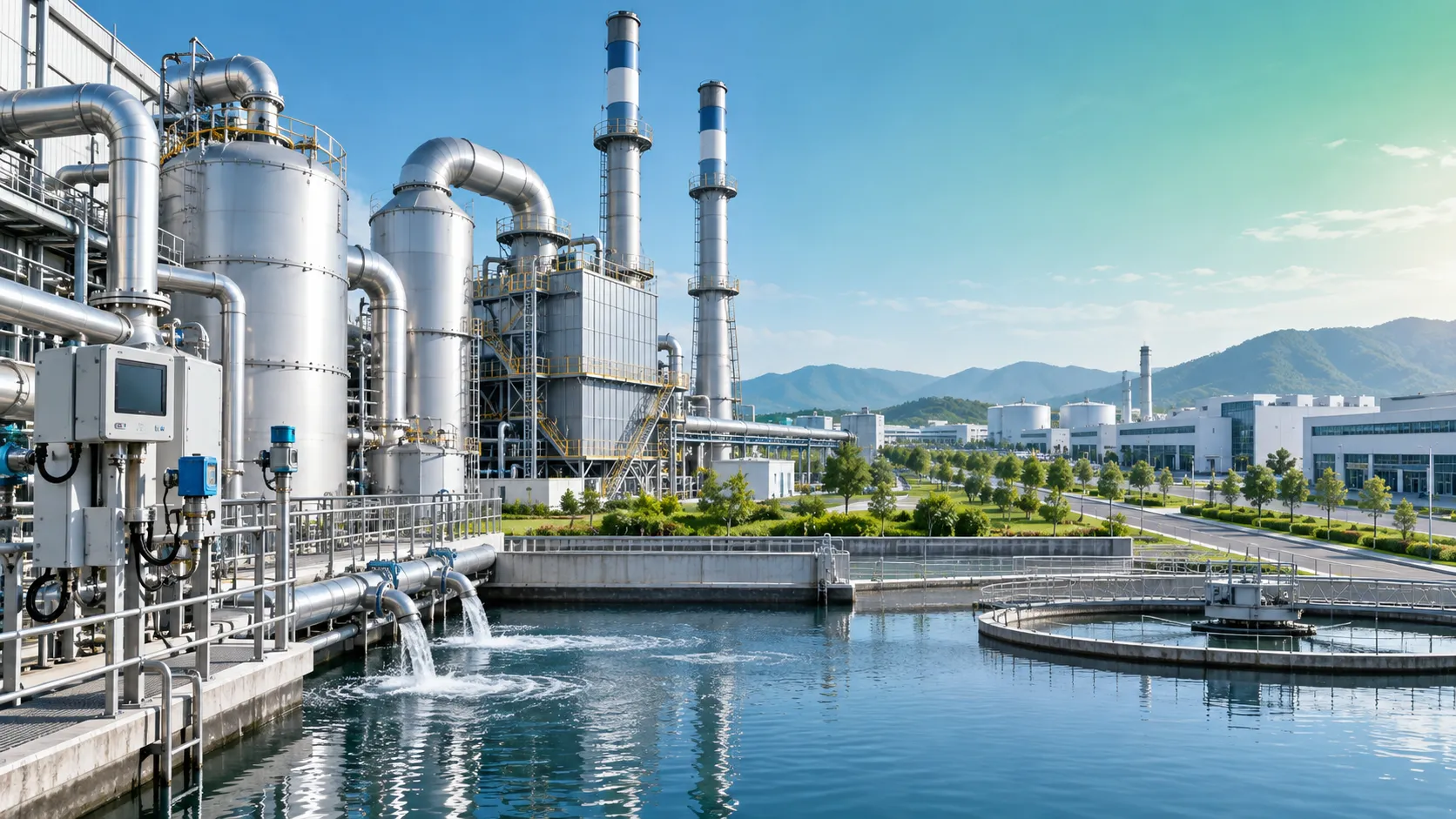
How North America shapes global environmental governance standards
Global environmental governance North America: discover how regulation, finance, and procurement raise worldwide standards and reshape environmental projects.
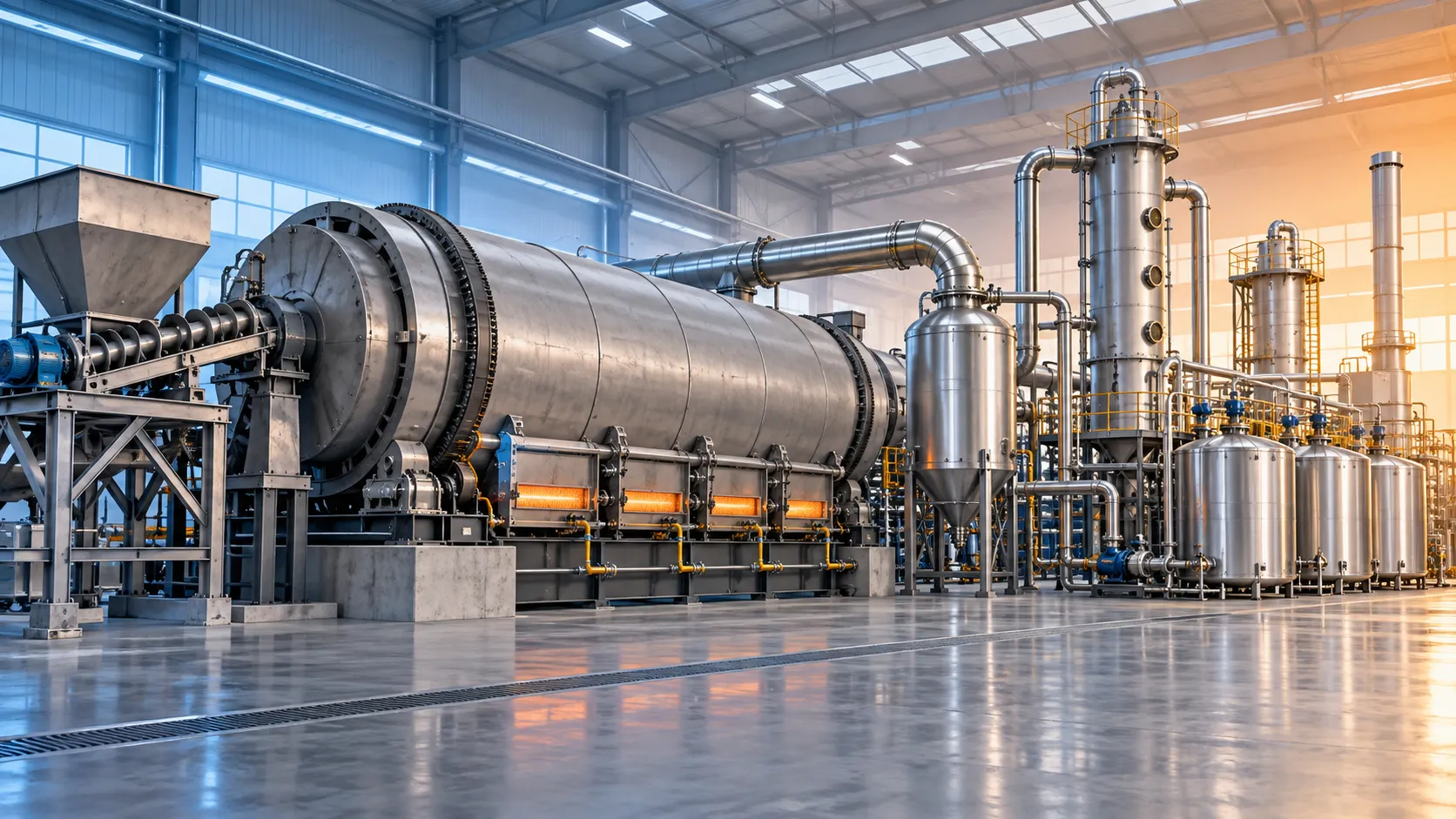
How reactor capacity affects throughput in pyrolysis systems
Pyrolysis systems reactor capacity explained: learn how heat transfer, residence time, feed quality, and emissions controls determine reliable throughput.