
Industry News
Curation by industry experts
Hot Articles
Popular Tags
Water Crisis Solutions That Balance Cost and Reliability
As water stress intensifies across industries and municipalities, effective water crisis solutions must do more than promise capacity.
They must balance cost, reliability, compliance, and long-term resilience across treatment, reuse, desalination, and resource recovery systems.
That balance is now central to infrastructure planning, industrial continuity, and environmental competitiveness in a rapidly tightening regulatory landscape.
Water crisis solutions are shifting from emergency response to strategic infrastructure
For years, many regions treated water scarcity as a temporary disruption rather than a structural risk.
Today, climate volatility, industrial expansion, aging assets, and stricter discharge standards are changing that assumption.
As a result, water crisis solutions are becoming part of core investment strategy, not just contingency planning.
This shift affects municipal utilities, heavy industry, power generation, mining, chemicals, food processing, and coastal development.
The most reliable approaches now combine diversified supply, advanced treatment, digital monitoring, and recovery-oriented process design.
The strongest trend signals point to reliability-first investment logic
Several signals show why water crisis solutions are being evaluated through a reliability-first lens.
First, drought cycles are becoming less predictable, making historical planning assumptions less useful.
Second, water quality is deteriorating in many basins, raising pretreatment complexity and operating costs.
Third, environmental compliance is tightening, especially for salinity, nutrients, trace contaminants, and concentrate disposal.
Fourth, energy prices and carbon constraints are forcing closer scrutiny of process efficiency.
Under these conditions, low-cost systems that fail under variable loads can become the most expensive option.
What is driving this change
Cost and reliability now depend on the right treatment mix, not one single technology
The search for water crisis solutions often starts with one technology label, such as desalination or wastewater reuse.
In practice, reliable performance comes from matching technologies to feedwater variability, discharge targets, and lifecycle economics.
A seawater RO plant may secure baseline supply, but pretreatment quality and energy recovery determine true operating stability.
An industrial reuse system may appear affordable, yet inadequate brine management can create hidden disposal liabilities.
A large municipal treatment upgrade may improve compliance, but without digital diagnostics, reliability may still suffer.
Technology paths gaining momentum
- Advanced desalination with energy recovery and robust pretreatment for coastal supply security.
- Industrial wastewater reuse systems that cut freshwater dependence and improve continuity.
- ZLD configurations where regulation, water scarcity, or concentrate disposal constraints justify higher capital intensity.
- Membrane-biological and tertiary polishing systems for municipal water reclamation.
- Digital monitoring layers that reduce fouling, downtime, and chemical overuse.
Why large-scale reuse and desalination are becoming core water crisis solutions
Large-scale reuse and desalination were once treated as premium options reserved for extreme scarcity.
Now they are moving into mainstream infrastructure logic because they offer controllable, engineered supply.
That controllability matters when river flows, groundwater reserves, and seasonal rainfall become unreliable.
Reuse often delivers the best near-term economics where wastewater volumes are stable and discharge pressure is rising.
Desalination becomes more attractive where coastal demand is large and imported freshwater is strategically risky.
In both cases, the winning water crisis solutions are those designed around lifecycle performance, not just installed capacity.
Key decision factors
- Feedwater stability and contaminant profile.
- Energy intensity across seasonal operating windows.
- Concentrate or residuals handling requirements.
- Redundancy needs for mission-critical supply.
- Compatibility with future compliance and carbon goals.
The impact of smarter water crisis solutions reaches far beyond treatment plants
The influence of stronger water crisis solutions extends across multiple business and infrastructure layers.
Reliable water systems protect output, stabilize quality, reduce emergency procurement, and lower reputational risk.
They also improve financing confidence when long-term resource security becomes part of project bankability.
Where the effects are most visible
- Industrial operations: less exposure to curtailment, discharge disruption, and water price escalation.
- Municipal systems: better drought resilience, public health protection, and compliance confidence.
- EPC execution: stronger bidding credibility through proven reliability assumptions and lower lifecycle risk.
- Environmental strategy: improved alignment with circular economy and decarbonization pathways.
For intelligence-driven platforms such as ESD, this is where technical insight becomes commercially decisive.
Understanding membrane performance, catalyst behavior, regulatory evolution, and resource recovery economics reduces strategic blind spots.
The best water crisis solutions are judged by resilience metrics, not headline cost alone
A low upfront price can hide fragile assumptions about feedwater quality, maintenance intervals, or residuals management.
That is why resilient water crisis solutions should be evaluated with broader metrics.
Critical points to track
- Availability under variable raw water conditions.
- Specific energy consumption and load flexibility.
- Membrane fouling rates and chemical demand.
- Brine, sludge, or concentrate disposal exposure.
- Redundancy, maintainability, and spare parts accessibility.
- Compliance margin against future tightening standards.
What deserves the closest attention in the next phase
The next generation of water crisis solutions will be shaped by integration, not isolated upgrades.
That means connecting treatment, reuse, desalination, emissions strategy, waste recovery, and digital intelligence into one planning framework.
Priority focus areas
- Treat water security as part of enterprise resilience, not only utility management.
- Model total lifecycle cost under realistic feedwater and energy volatility.
- Use pilot data and digital diagnostics to validate reliability assumptions early.
- Review how water strategy intersects with CBAM, carbon targets, and discharge liabilities.
- Prioritize modularity where demand, regulation, or source quality may shift quickly.
A practical path forward for selecting water crisis solutions
A practical response begins with a structured view of risk, source diversity, treatment fit, and compliance exposure.
The most dependable water crisis solutions usually emerge from phased assessment rather than technology-first enthusiasm.
- Map water dependency across operations, supply sources, and discharge constraints.
- Stress-test existing systems against climate, quality, and regulatory scenarios.
- Compare reuse, desalination, advanced treatment, and ZLD with lifecycle metrics.
- Build intelligence support around technology trends, policy shifts, and performance benchmarks.
- Move forward with scalable designs that preserve reliability under uncertainty.
In a world of tighter limits, better water crisis solutions are no longer optional defensive tools.
They are strategic assets that protect continuity, strengthen compliance, and create lasting operational advantage.
That is where rigorous intelligence, sound engineering, and disciplined cost judgment must work together.
Recommended News
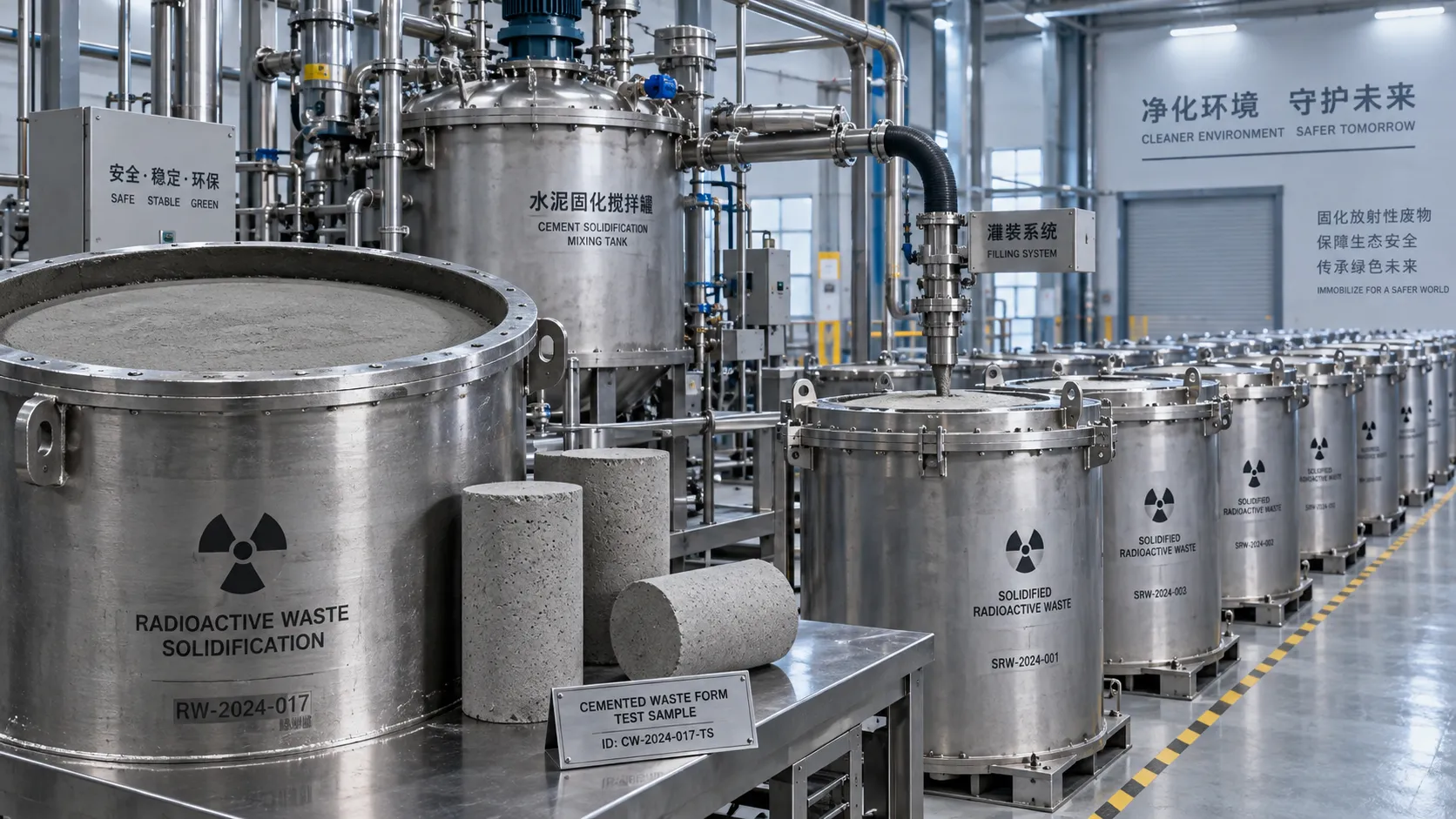
When is cementation suitable for nuclear decommissioning waste?
Explore nuclear waste treatment technology for decommissioning: learn when cementation fits, which risks to assess, and how disposal criteria guide an effective treatment choice.
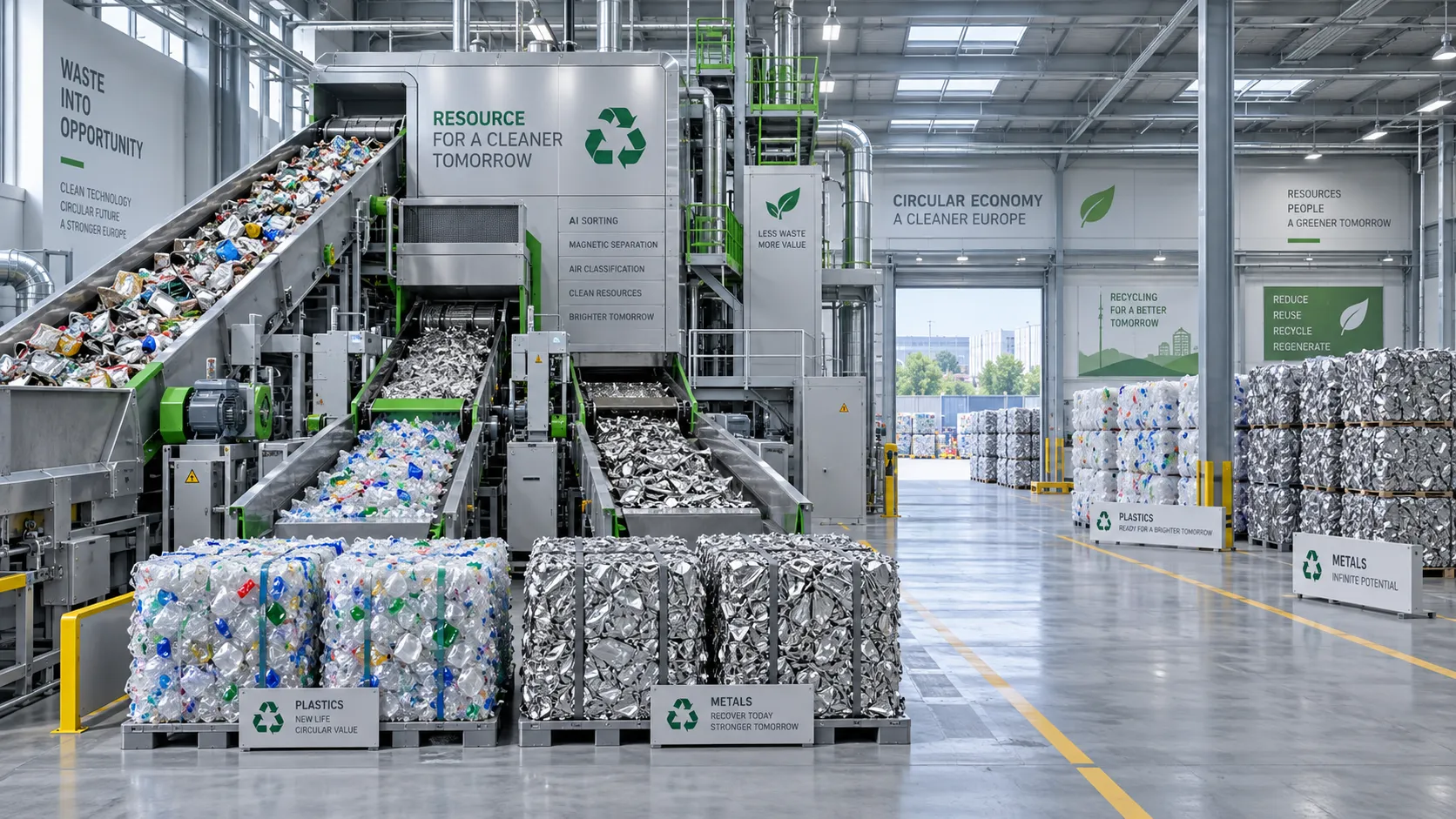
What determines payback for waste-to-resource systems in Europe?
Assess waste-to-resource systems Europe-wide: compare feedstock, recovery yields, costs and contracts to uncover payback drivers and make smarter investment decisions.
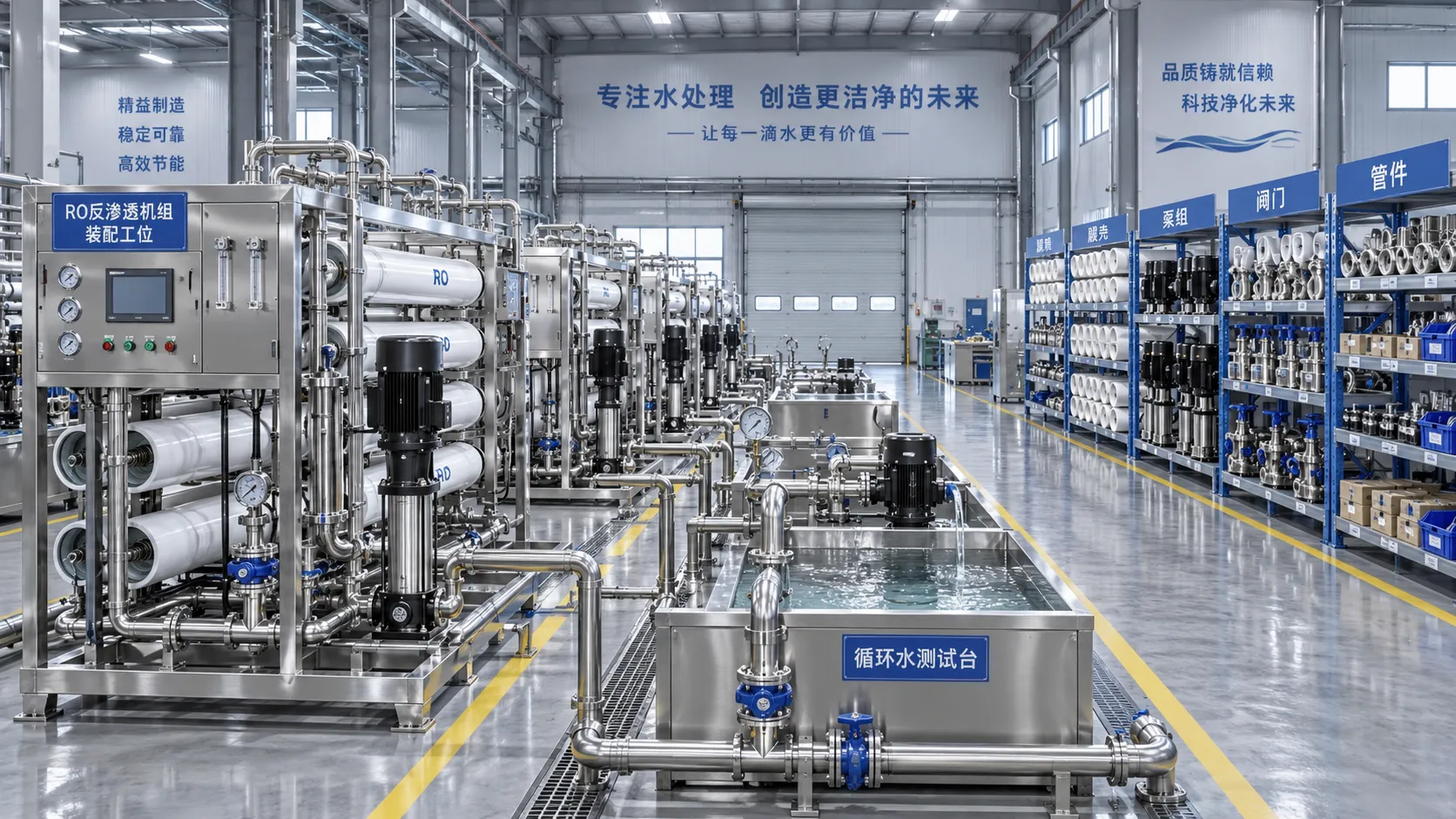
How to verify a water treatment system factory’s production capacity
Verify a water treatment systems factory’s production capacity through records, bottlenecks, component availability, and testing. Learn what to check before accepting a delivery promise.
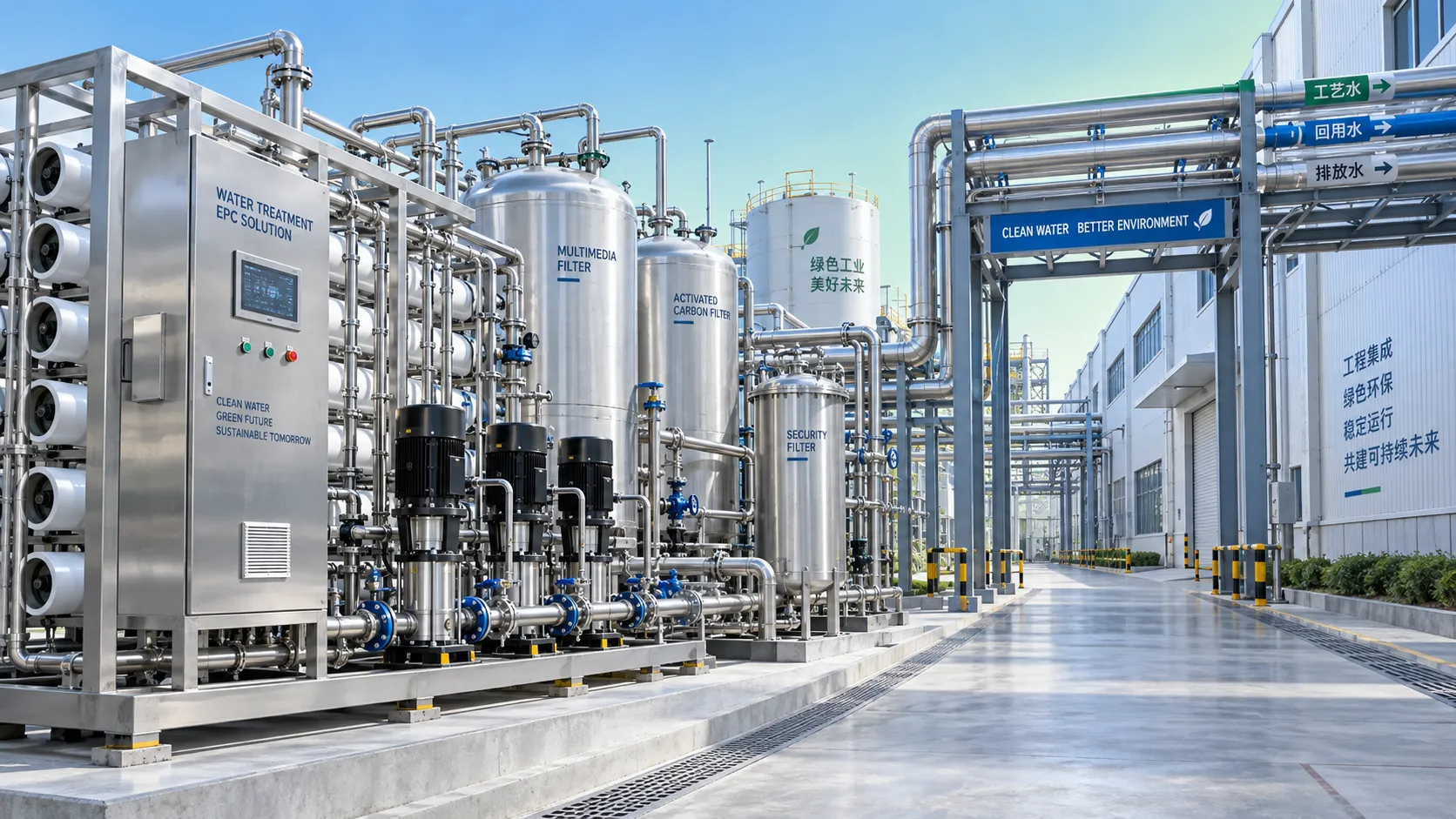
When does EPC environmental project support reduce delivery risk?
EPC environmental project support engineering reduces delivery risk by aligning design, procurement, compliance, construction, and commissioning decisions.
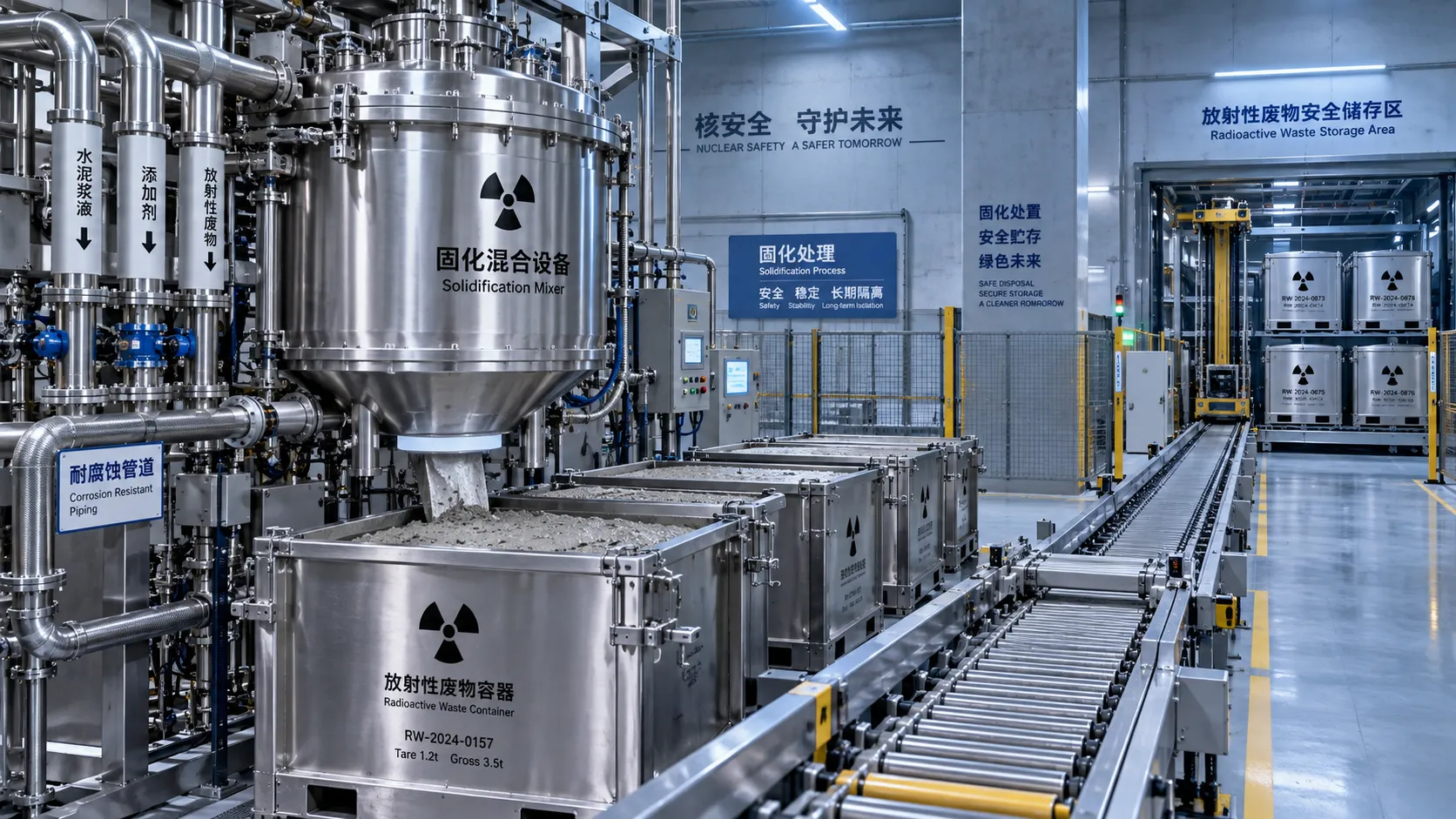
How nuclear plants select a radioactive waste solidification method
Radioactive waste management for nuclear plants: compare vitrification, cementation, polymers, and ceramics to select a compliant, durable solidification solution.
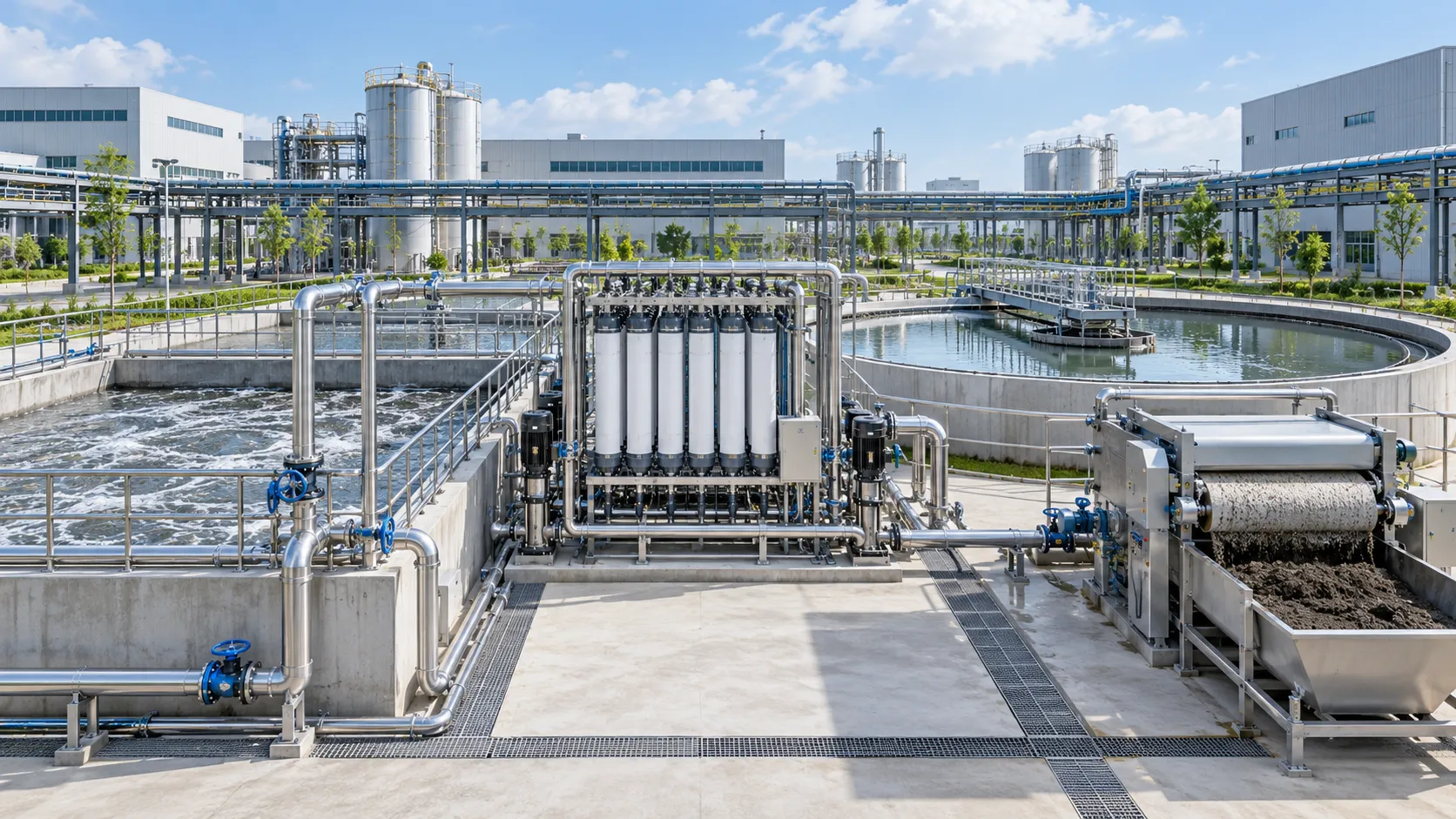
What Drives the Cost of Wastewater System Upgrades in Industrial Parks?
Costs of wastewater system upgrades in industrial parks: uncover key drivers from influent variability and civil works to sludge, energy, compliance, and lifecycle risk.
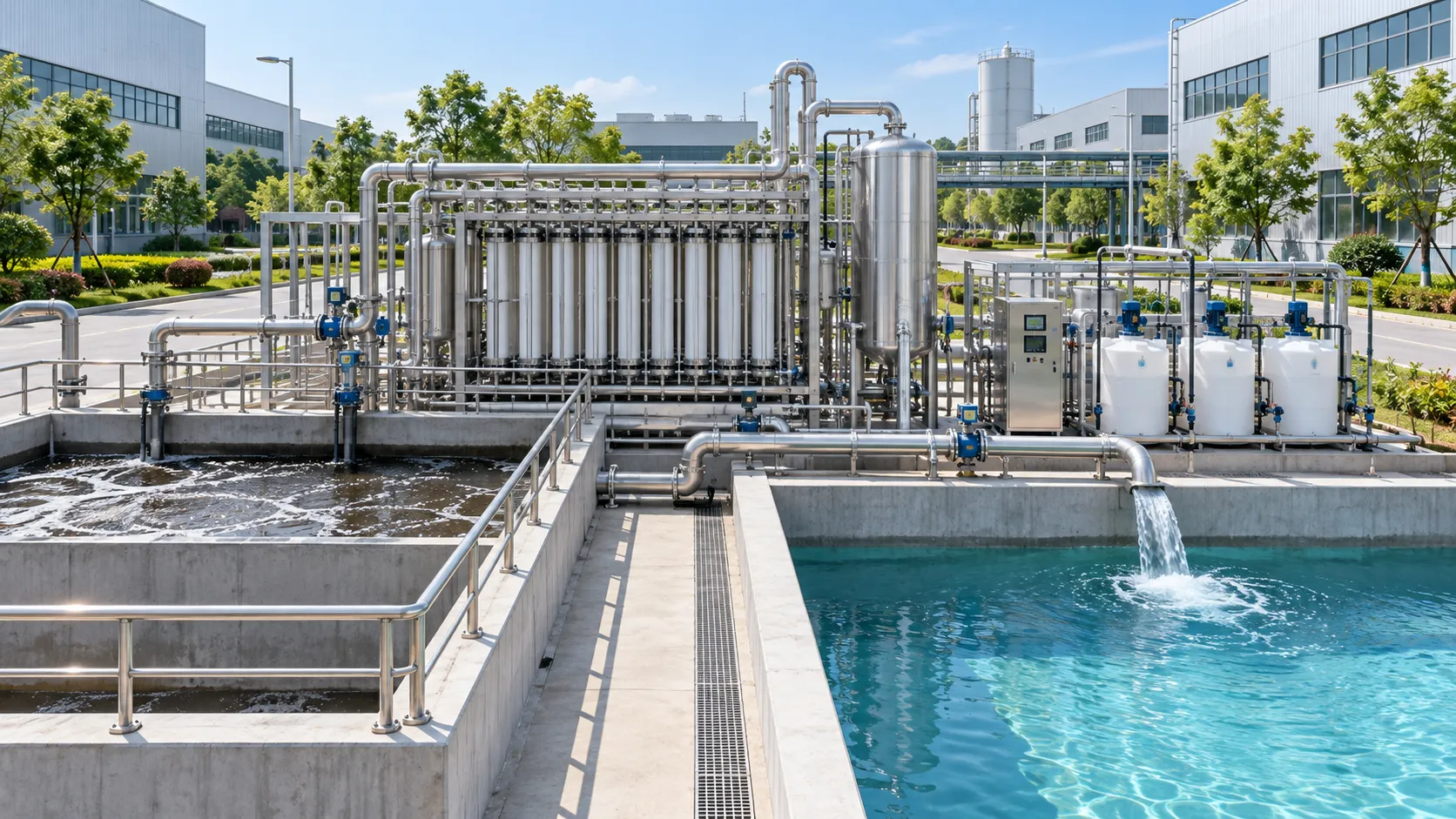
Comparing Upgrade Costs for Industrial Park Wastewater Treatment Systems
Compare costs for wastewater system upgrades in industrial parks with a lifecycle view of CAPEX, OPEX, compliance, resilience, and future expansion.
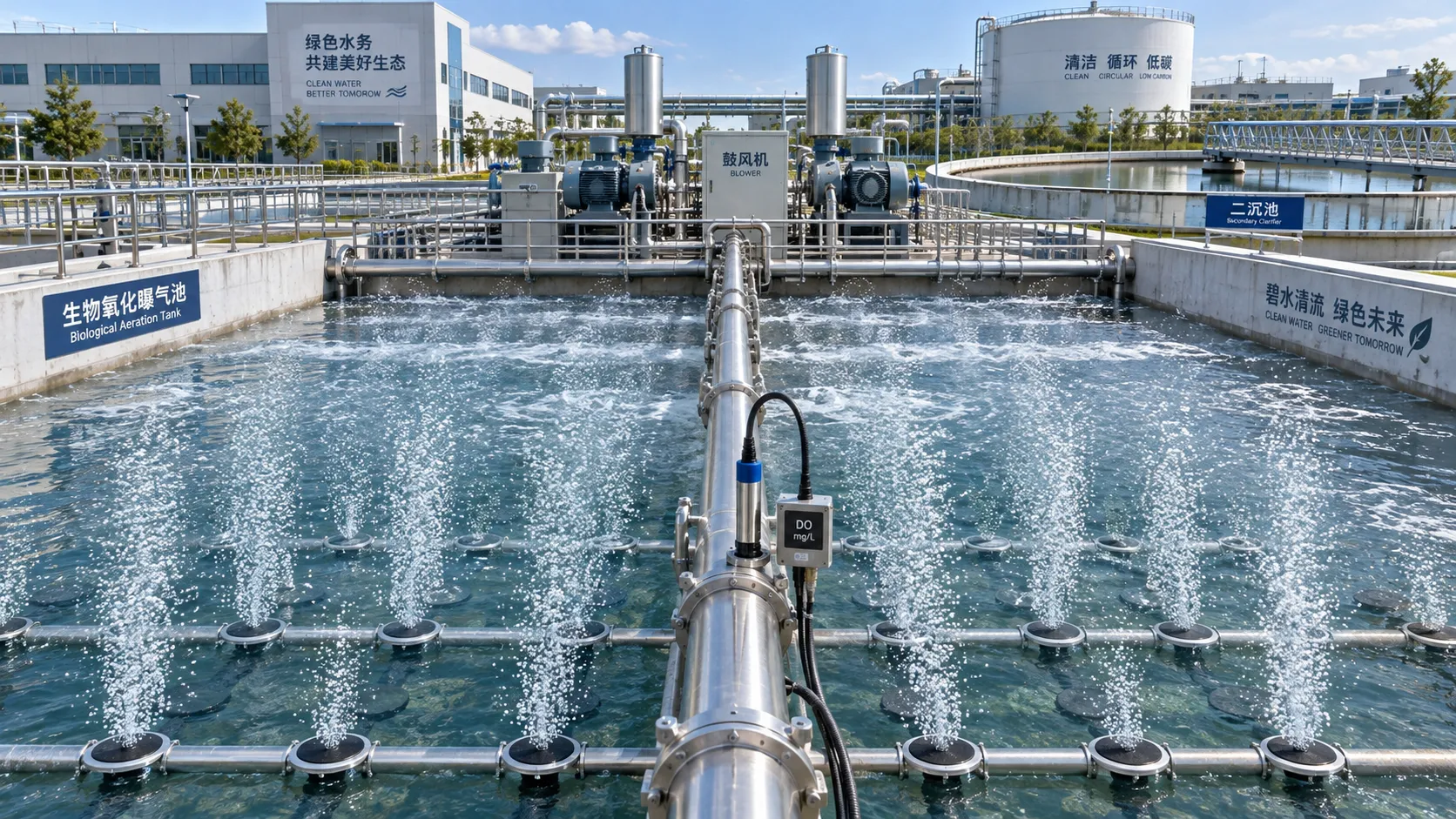
Biological Wastewater Oxidation Explained: Aeration Demand and Process Control
Biological wastewater oxidation explained: optimize aeration demand, DO control, nitrification, and sludge age for stable effluent quality and lower energy costs.
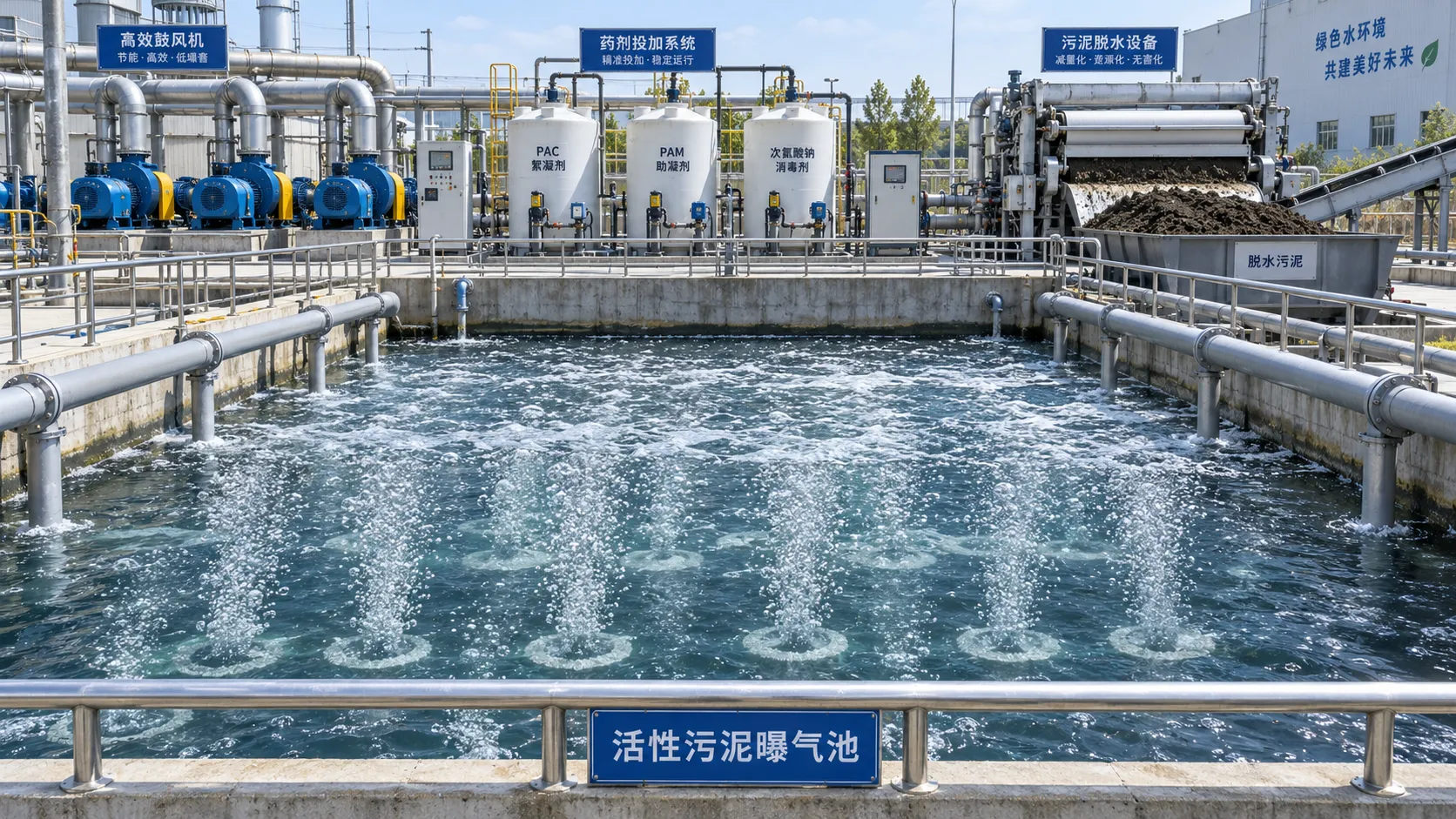
Activated Sludge Cost: Budgeting Energy, Chemicals, Sludge, and Labor
Activated sludge cost explained: compare energy, chemicals, sludge disposal, labor, and compliance risks to build a reliable lifecycle budget.