
Industry News
Curation by industry experts
Hot Articles
Popular Tags
Waste Vitrification Costs vs Long-Term Storage Risk
For financial decision-makers, waste vitrification is not just a treatment technology—it is a long-horizon risk allocation strategy. While upfront capital costs can appear high, the true comparison lies in reduced liability exposure, regulatory certainty, and lower long-term stewardship risk versus indefinite storage. This article examines how to evaluate vitrification through total lifecycle cost, compliance resilience, and strategic capital protection.
In capital approval committees, the key question is rarely whether hazardous or radioactive residues must be managed. The real issue is which option creates the lowest long-term financial drag over 20, 30, or even 100 years. For many operators in environmental engineering, energy infrastructure, and nuclear waste management, waste vitrification deserves attention because it changes the cost profile from open-ended stewardship to a more defined treatment-and-containment model.
That distinction matters in a global market shaped by tighter environmental rules, higher scrutiny from lenders, and growing concern over latent liabilities. A storage-first strategy may appear cheaper in Year 1, yet it can accumulate monitoring costs, permit renewal exposure, escalation in containment upgrades, and balance-sheet uncertainty over multiple decades.
For readers evaluating projects in high-compliance sectors, this analysis focuses on the numbers that matter most: capital intensity, operating cost range, risk transfer value, closure certainty, and the effect of each route on future provisioning. The objective is not to present vitrification as a universal answer, but to show when its higher entry cost can produce stronger capital protection.
Why Waste Vitrification Changes the Financial Equation
Waste vitrification converts selected hazardous or radioactive waste streams into a stable glass matrix through high-temperature processing, often in the range of 1,100°C to 1,400°C. The result is a solidified form with lower leachability and improved long-term stability compared with many untreated or loosely conditioned materials.
From a finance perspective, the value lies in risk compression. A company may spend more in the first 2–5 years on engineering, melter systems, off-gas treatment, shielding, and quality assurance. However, it may reduce 3 major cost drivers later: extended storage operations, regulatory rework, and future remediation uncertainty.
Direct cost is only one part of the decision
When teams compare vitrification with long-term storage, they often focus on CAPEX per ton or per cubic meter. That is necessary, but incomplete. Financial approval should separate at least 4 layers of cost: treatment CAPEX, annual OPEX, compliance maintenance, and contingent liability reserve.
- Initial engineering and plant integration
- Utility demand, consumables, and labor per operating shift
- Monitoring, inspections, and permit administration over 10–30 years
- Event-driven costs such as containment failure, repackaging, or site upgrades
In many storage-heavy models, the first 12 months look efficient, but the cumulative burden after Year 10 becomes less predictable. This is especially relevant where waste inventories are growing by 3%–8% annually or where storage infrastructure must be renewed every 15–25 years.
The stability premium can have measurable balance-sheet value
Financial committees increasingly ask whether a treatment method reduces future provisioning needs. Waste vitrification can support that discussion because it may narrow uncertainty bands around long-term maintenance, transport readiness, and final disposal compatibility. In regulated sectors, lowering uncertainty by even 10%–20% in liability forecasts can materially affect project ranking.
The table below outlines the difference between a short-term cost view and a long-horizon risk view, which is where many investment decisions fail.
The key takeaway is not that storage lacks value. Interim storage remains necessary in many project phases. The issue is whether interim arrangements become a de facto permanent strategy, leaving finance teams exposed to recurring costs without an endpoint.
Cost Comparison: CAPEX, OPEX, and Long-Term Stewardship
A robust cost comparison should model at least 3 time horizons: 1–3 years, 5–10 years, and 20+ years. Waste vitrification often looks most challenging in the first window, more competitive in the second, and potentially superior in the third if storage liabilities escalate.
What drives vitrification cost
For industrial hazardous residues or nuclear waste streams, the largest capital items usually include feed preparation, melter technology, refractory systems, power supply, off-gas treatment, remote handling where required, and final canister or package management. Commissioning can take 6–18 months depending on permitting complexity and process qualification requirements.
Operating costs can also vary significantly based on waste chemistry. High salt content, volatile species, variable moisture, or challenging radionuclide profiles may increase pretreatment steps and secondary waste volumes. These factors must be reflected in the business case rather than averaged away.
Typical cost components finance teams should request
- Base plant CAPEX with contingency bands, often shown at P50 and P80 confidence levels
- Utility intensity per ton of waste, including electricity, gas, cooling, and filtration media
- Annual maintenance assumptions, commonly 2%–6% of installed equipment value
- Secondary waste handling volume and disposal route
- End-of-campaign decommissioning allowance
Why storage can be underestimated
Long-term storage is often budgeted as a facilities and monitoring line item, but the true cost stack is broader. It can include packaging replacement, ventilation upgrades, leak detection systems, groundwater surveillance, insurance loading, security overhead, and possible site remediation. In high-risk waste categories, these obligations can persist for 25 years or more.
The next table provides a practical evaluation framework that finance teams can adapt during investment screening. It avoids unsupported market pricing and instead focuses on cost categories and decision impact.
This framework usually leads to a more realistic net present cost model. In many cases, the crossover point between vitrification and storage does not occur in Year 3. It may occur in Year 8, Year 12, or later, depending on compliance intensity and waste growth. That is why discount rate assumptions and liability timing are critical.
Risk, Compliance, and Capital Protection
For financial approvers, regulation is not a legal side note. It is a capital variable. Waste strategies that appear economical under today’s rules can become expensive if environmental thresholds tighten, if storage licenses require redesign, or if disposal pathways change. Waste vitrification can strengthen resilience because the final waste form is often more compatible with stringent containment expectations.
Regulatory certainty has monetary value
In environmental infrastructure and nuclear waste management, permit uncertainty can delay projects by 6–24 months. Delays affect financing cost, contractor availability, and opportunity cost of tied-up capital. A treatment route that reduces future permitting friction may therefore justify a premium today.
This matters especially for multinational operators exposed to changing environmental compliance regimes, carbon-linked border mechanisms, and stricter reporting standards. A facility with a clear immobilization strategy may face fewer questions from lenders, insurers, and public authorities than one relying on prolonged interim storage.
Four risk categories finance teams should quantify
- Technical risk: melter uptime, feed variability, and off-gas control reliability
- Regulatory risk: permit amendments, storage duration limits, and waste acceptance criteria
- Liability risk: future leakage, containment failure, and remediation obligations
- Reputation risk: public scrutiny, investor concern, and procurement exclusion in sensitive projects
Not all 4 risks carry equal weight. In some industrial hazardous waste projects, technical performance is the main concern. In nuclear applications, long-term stewardship and social license may dominate. The correct weighting model should be agreed before capex approval, not after construction starts.
Common mistake in board-level reviews
A frequent error is comparing vitrification CAPEX against only the annual cost of storage operations. That creates a false mismatch. The proper comparison is vitrification lifecycle cost against the fully burdened lifecycle cost of storage, including 3 hidden categories: future upgrades, risk reserves, and end-state uncertainty.
When Waste Vitrification Makes Strategic Sense
Waste vitrification is not optimal for every waste stream. It becomes strategically attractive when the waste is difficult to stabilize by simpler methods, when storage duration could extend beyond 10–15 years, or when the owner needs stronger certainty for financing, transfer, or site closure planning.
Best-fit scenarios
- Waste inventories with high toxicity or radiological concern that create long stewardship tails
- Sites facing limited storage space or rising costs for secondary containment expansion
- Projects where final disposal acceptance is easier with a stable, well-characterized waste form
- Cross-border or lender-sensitive developments where compliance credibility influences funding
In these scenarios, the premium paid for vitrification can function like insurance against escalating uncertainty. It does not eliminate all operational risk, but it can shorten the period during which the company carries unresolved waste exposure on its strategic horizon.
Procurement questions that improve decision quality
Before approving a project, financial decision-makers should require a structured vendor and engineering review. At minimum, the review should include 5 checkpoints: waste characterization quality, throughput assumptions, secondary waste management, maintenance downtime, and disposal pathway alignment.
- Is the feed composition stable enough for predictable glass formulation?
- What throughput range is realistic at 70%, 85%, and 95% availability?
- How much off-gas residue or filter waste will require separate handling?
- What is the maintenance interval for refractory replacement or critical component overhaul?
- Does the final package support transport, storage, and future disposal strategy?
These questions move the discussion beyond headline cost and toward commercial durability. They also help procurement teams avoid under-scoped bids that look attractive during tendering but generate variation orders later.
Implementation Priorities for CFOs and Approval Committees
A disciplined evaluation process can improve outcomes significantly. In practice, the most useful investment models combine technical due diligence with scenario-based finance review. For large environmental infrastructure or nuclear waste projects, a 3-stage model is often effective: screening, pilot validation, and bankable execution planning.
A practical 3-stage approval model
Stage 1: Screening in 2–4 weeks
Define waste categories, storage liabilities, forecast inventory growth, and high-level compliance constraints. This stage should identify whether vitrification is even economically plausible before detailed engineering spend begins.
Stage 2: Technical and commercial validation in 6–12 weeks
Test process assumptions, estimate energy demand, review secondary waste pathways, and build sensitivity analyses around discount rate, outage time, and regulatory timing. A ±15% to ±30% cost confidence range is common at this point.
Stage 3: Execution planning in 8–16 weeks
Finalize risk allocation, contracting structure, performance guarantees, and monitoring metrics. This stage should also define who owns long-term liability if waste acceptance criteria evolve after commissioning.
What to ask for in the final investment memo
The board pack should not stop at payback or IRR. It should include a lifecycle liability map, a regulatory scenario table, a sensitivity case for storage extension by 5–10 years, and a clear statement of residual risk after treatment. Without that information, waste vitrification and storage cannot be compared on equal financial terms.
For organizations operating in advanced environmental sectors, this is where strategic intelligence becomes valuable. Decision support must integrate process parameters, compliance direction, and commercial implications rather than isolating engineering from finance.
Waste vitrification should be evaluated as a capital protection tool, not merely as a high-cost processing line. For waste streams with long-lived liability, uncertain storage duration, or tightening regulatory expectations, the premium paid upfront can translate into lower stewardship exposure, stronger forecast confidence, and improved resilience over decades.
For financial approvers, the best decision is usually the one that converts undefined future obligations into a clearer, controllable cost structure. If you are comparing vitrification with long-term storage for hazardous or radioactive waste programs, now is the right time to obtain a tailored assessment built around lifecycle cost, compliance risk, and asset protection.
Contact ESD to discuss project-specific waste vitrification pathways, evaluate long-term storage risk, and get a decision-grade framework for your next approval cycle.
Recommended News
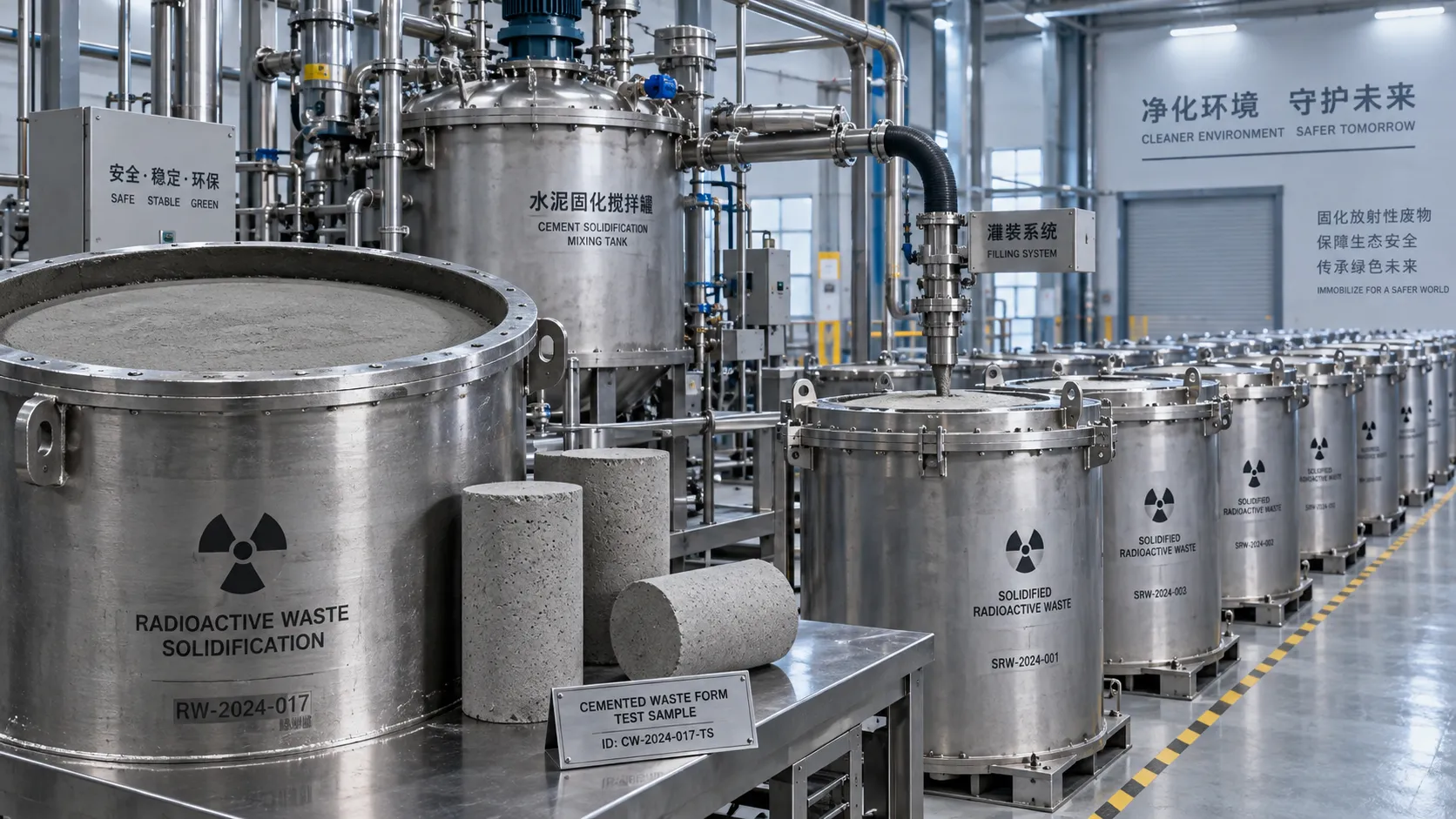
When is cementation suitable for nuclear decommissioning waste?
Explore nuclear waste treatment technology for decommissioning: learn when cementation fits, which risks to assess, and how disposal criteria guide an effective treatment choice.
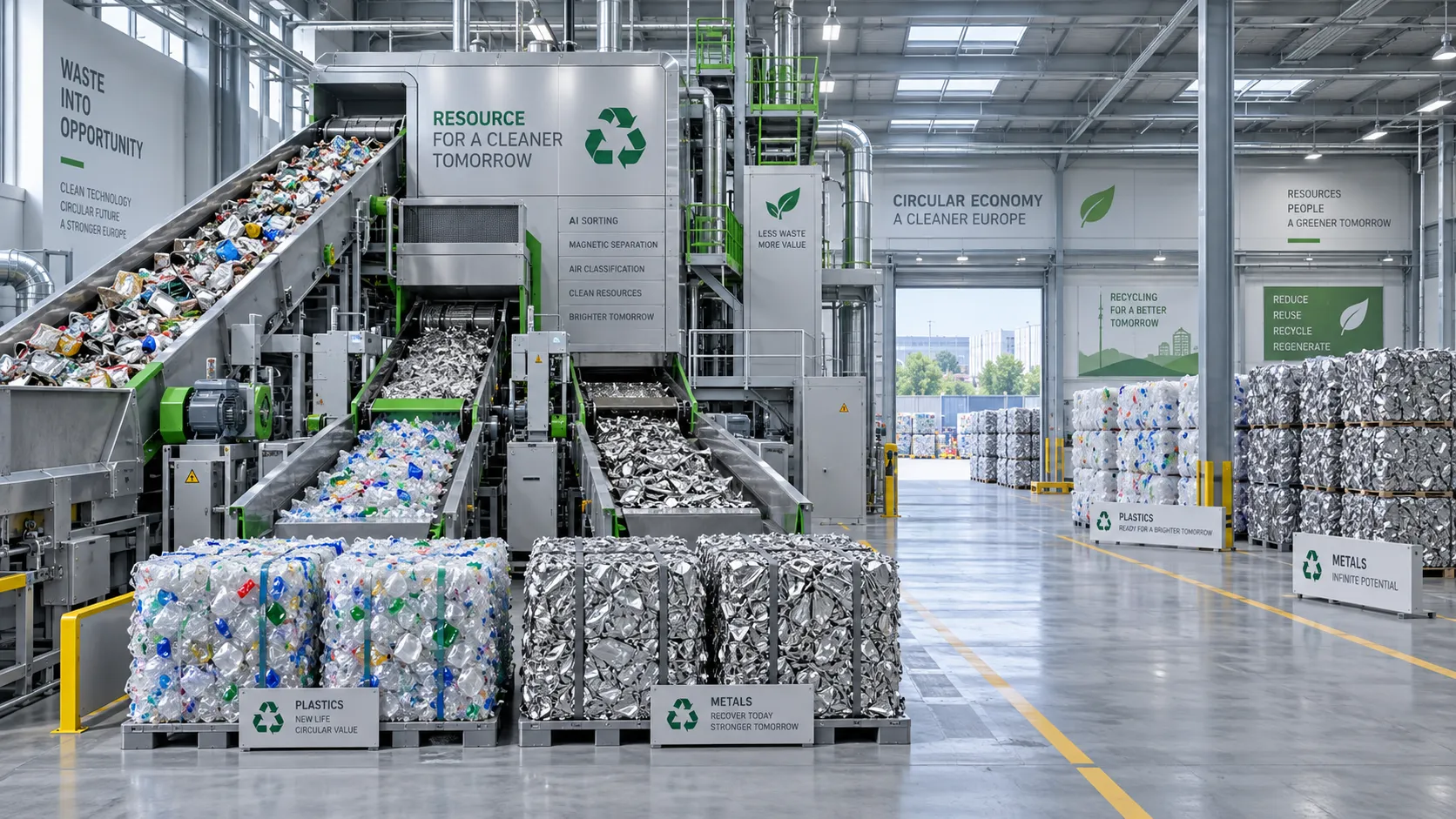
What determines payback for waste-to-resource systems in Europe?
Assess waste-to-resource systems Europe-wide: compare feedstock, recovery yields, costs and contracts to uncover payback drivers and make smarter investment decisions.
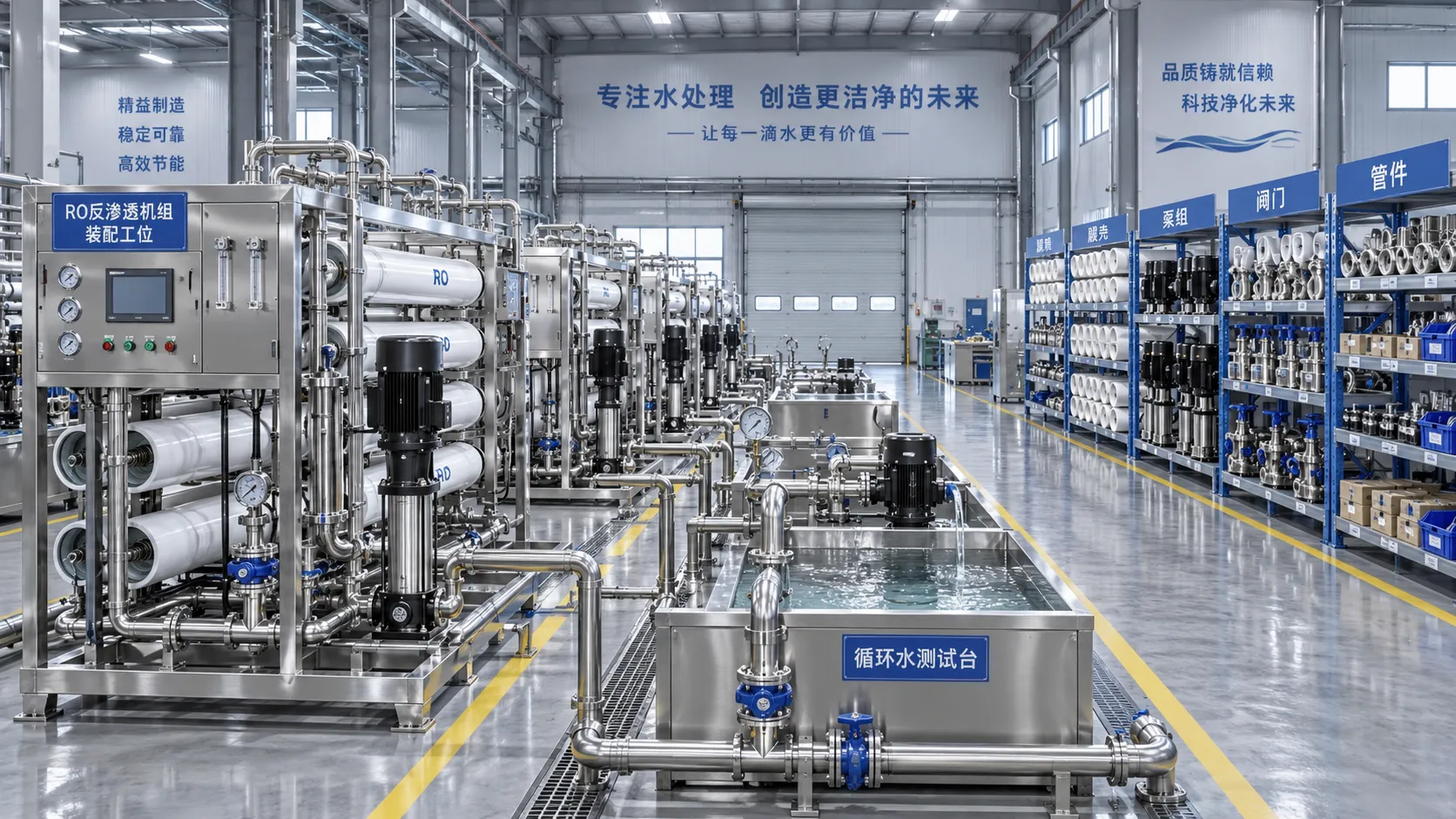
How to verify a water treatment system factory’s production capacity
Verify a water treatment systems factory’s production capacity through records, bottlenecks, component availability, and testing. Learn what to check before accepting a delivery promise.
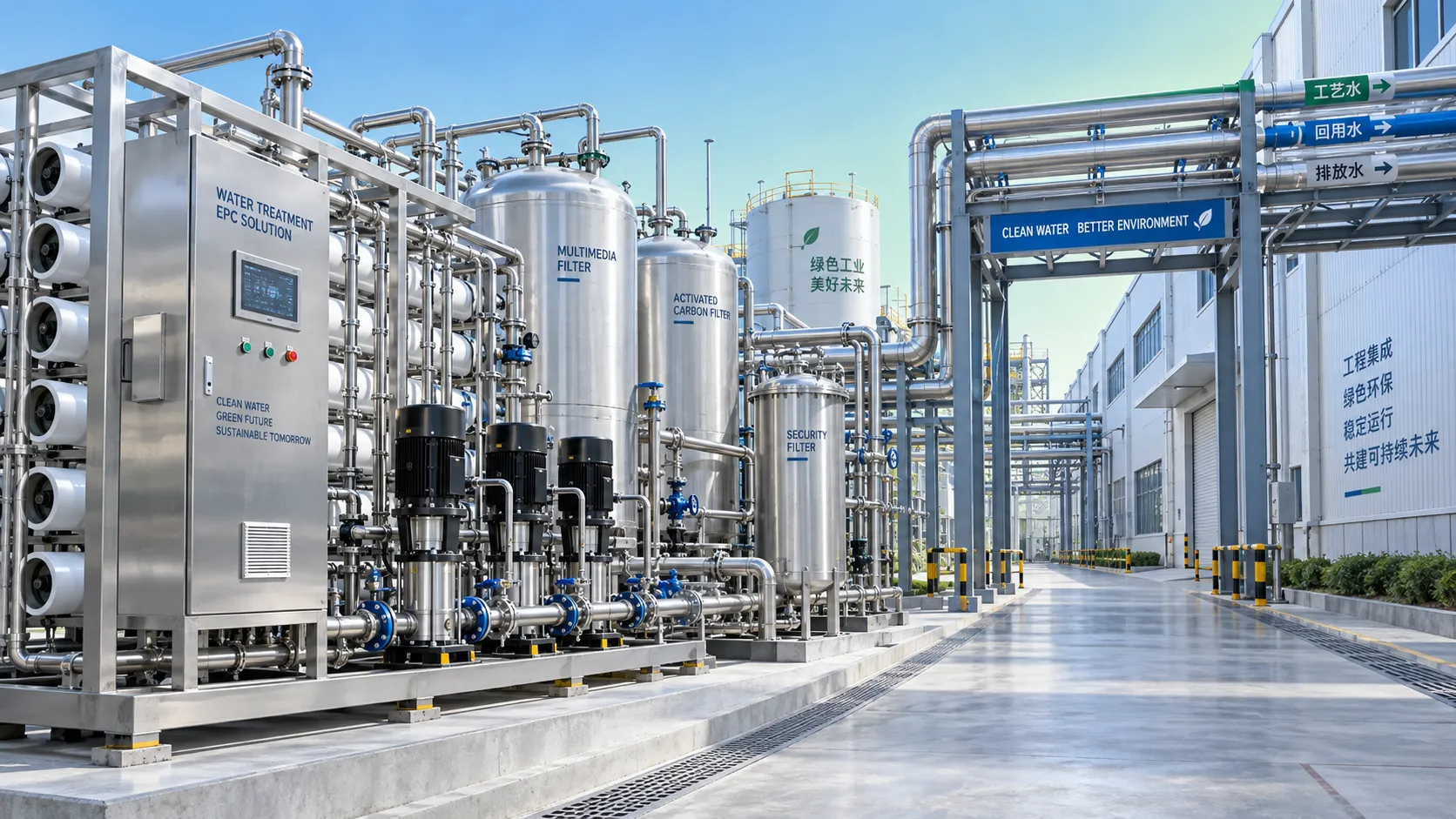
When does EPC environmental project support reduce delivery risk?
EPC environmental project support engineering reduces delivery risk by aligning design, procurement, compliance, construction, and commissioning decisions.
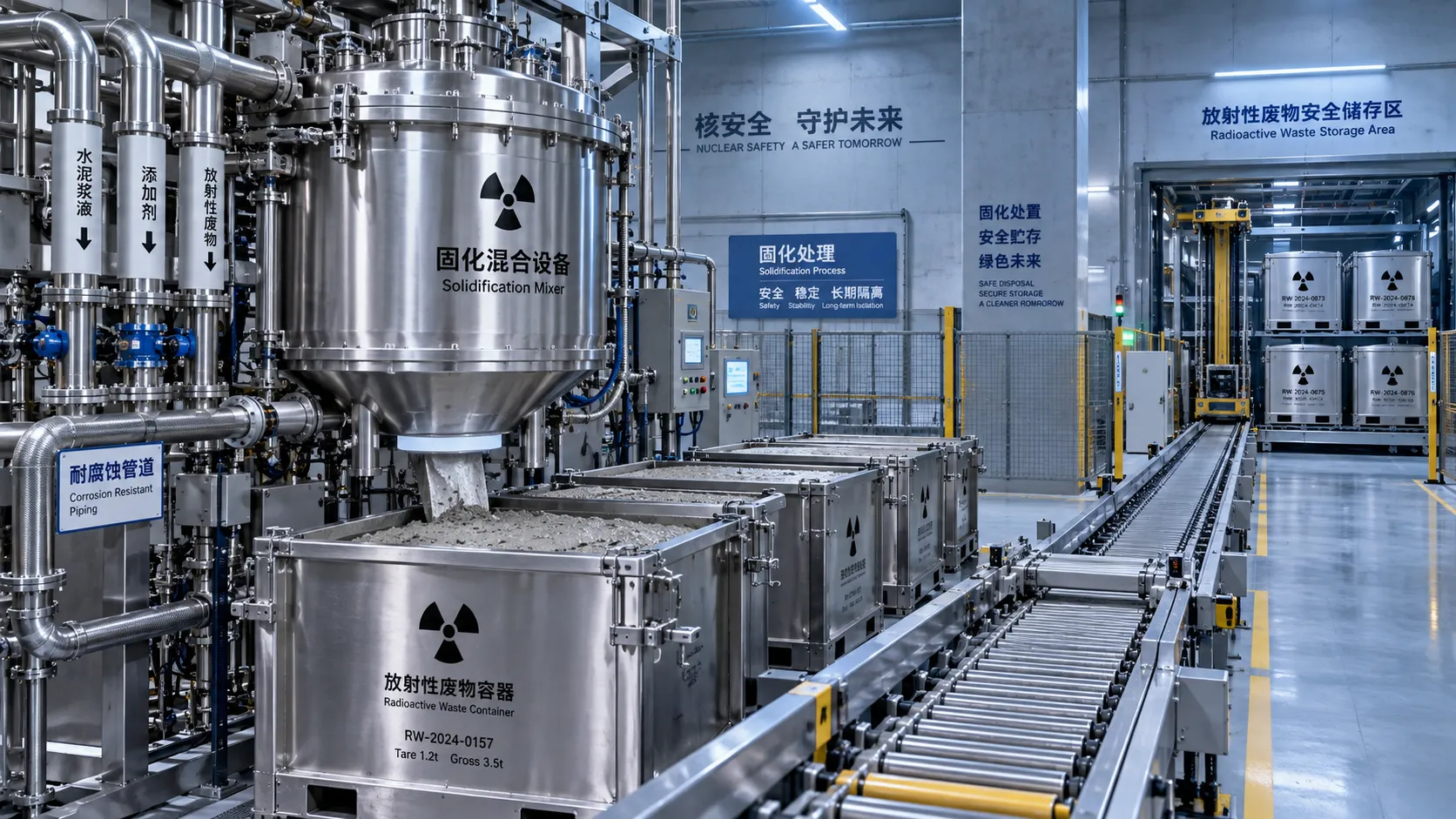
How nuclear plants select a radioactive waste solidification method
Radioactive waste management for nuclear plants: compare vitrification, cementation, polymers, and ceramics to select a compliant, durable solidification solution.
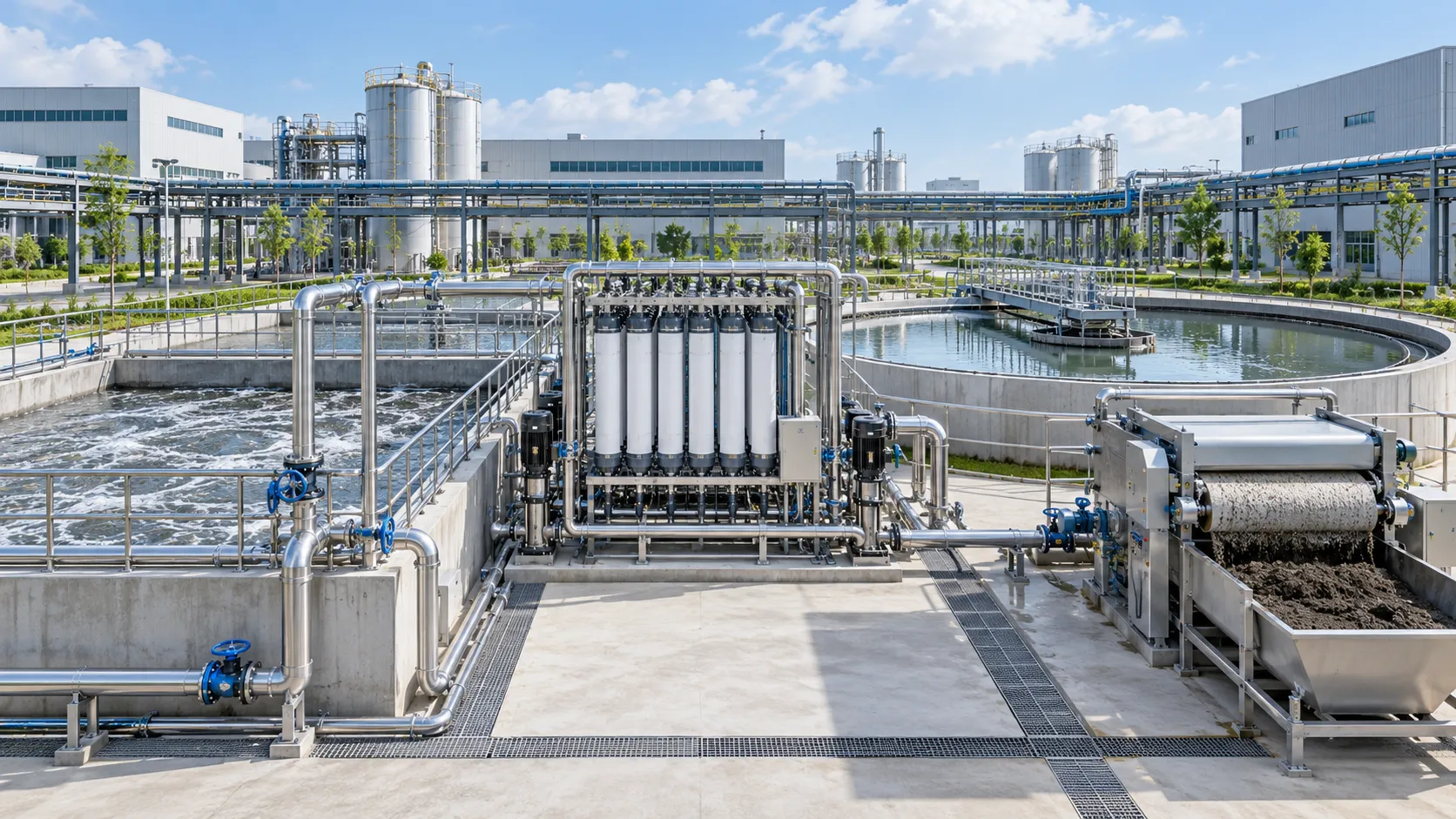
What Drives the Cost of Wastewater System Upgrades in Industrial Parks?
Costs of wastewater system upgrades in industrial parks: uncover key drivers from influent variability and civil works to sludge, energy, compliance, and lifecycle risk.
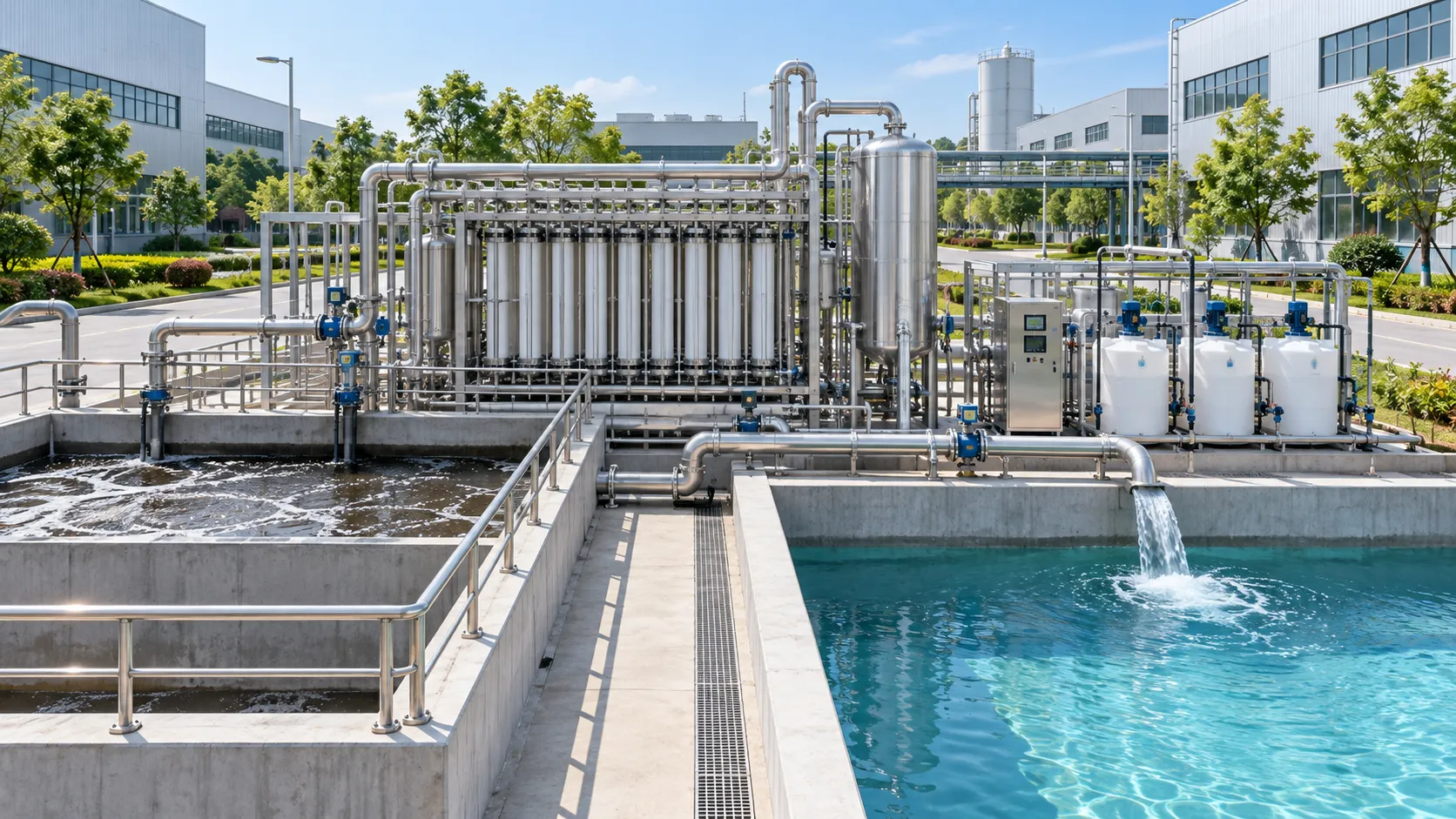
Comparing Upgrade Costs for Industrial Park Wastewater Treatment Systems
Compare costs for wastewater system upgrades in industrial parks with a lifecycle view of CAPEX, OPEX, compliance, resilience, and future expansion.
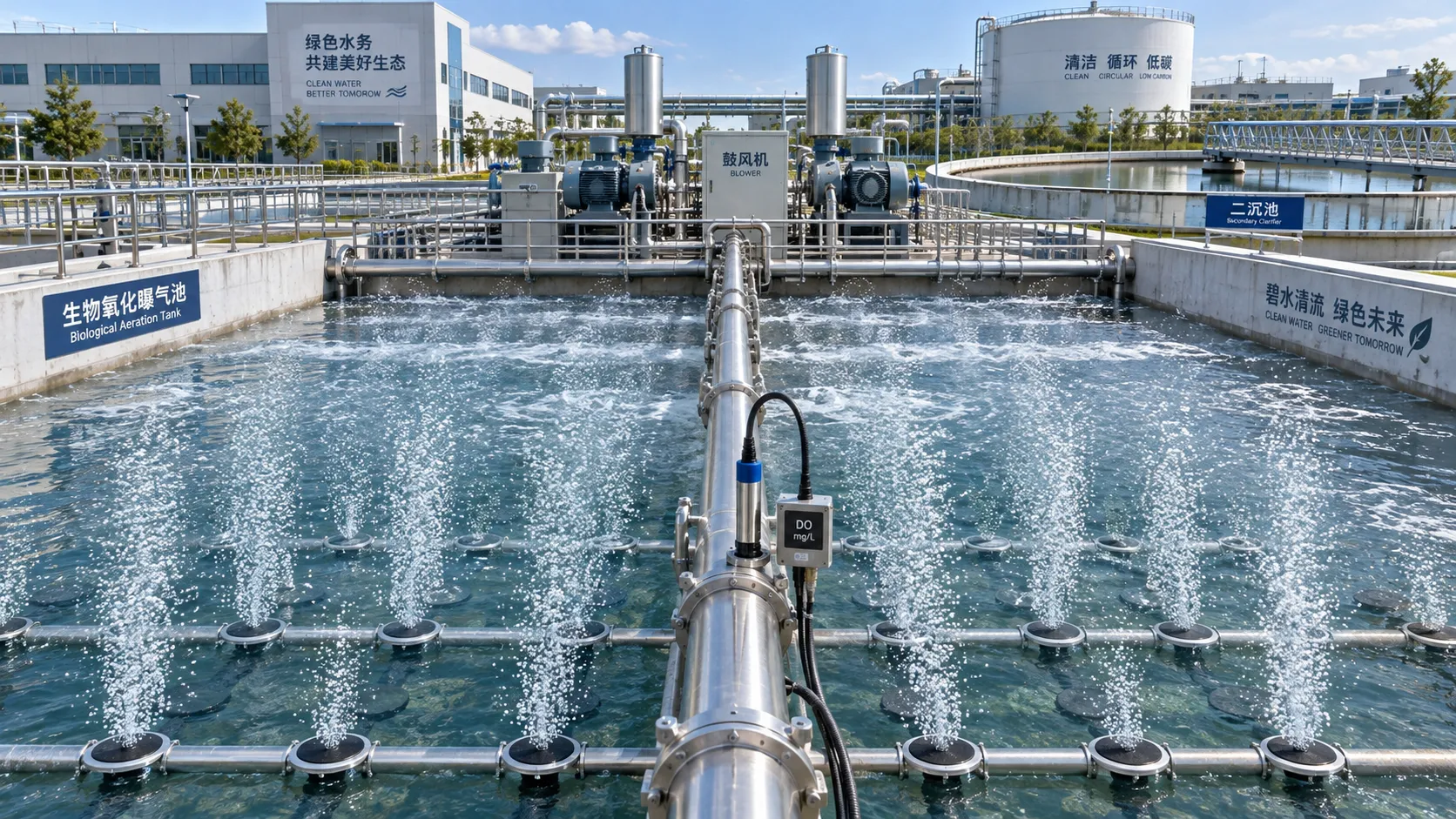
Biological Wastewater Oxidation Explained: Aeration Demand and Process Control
Biological wastewater oxidation explained: optimize aeration demand, DO control, nitrification, and sludge age for stable effluent quality and lower energy costs.
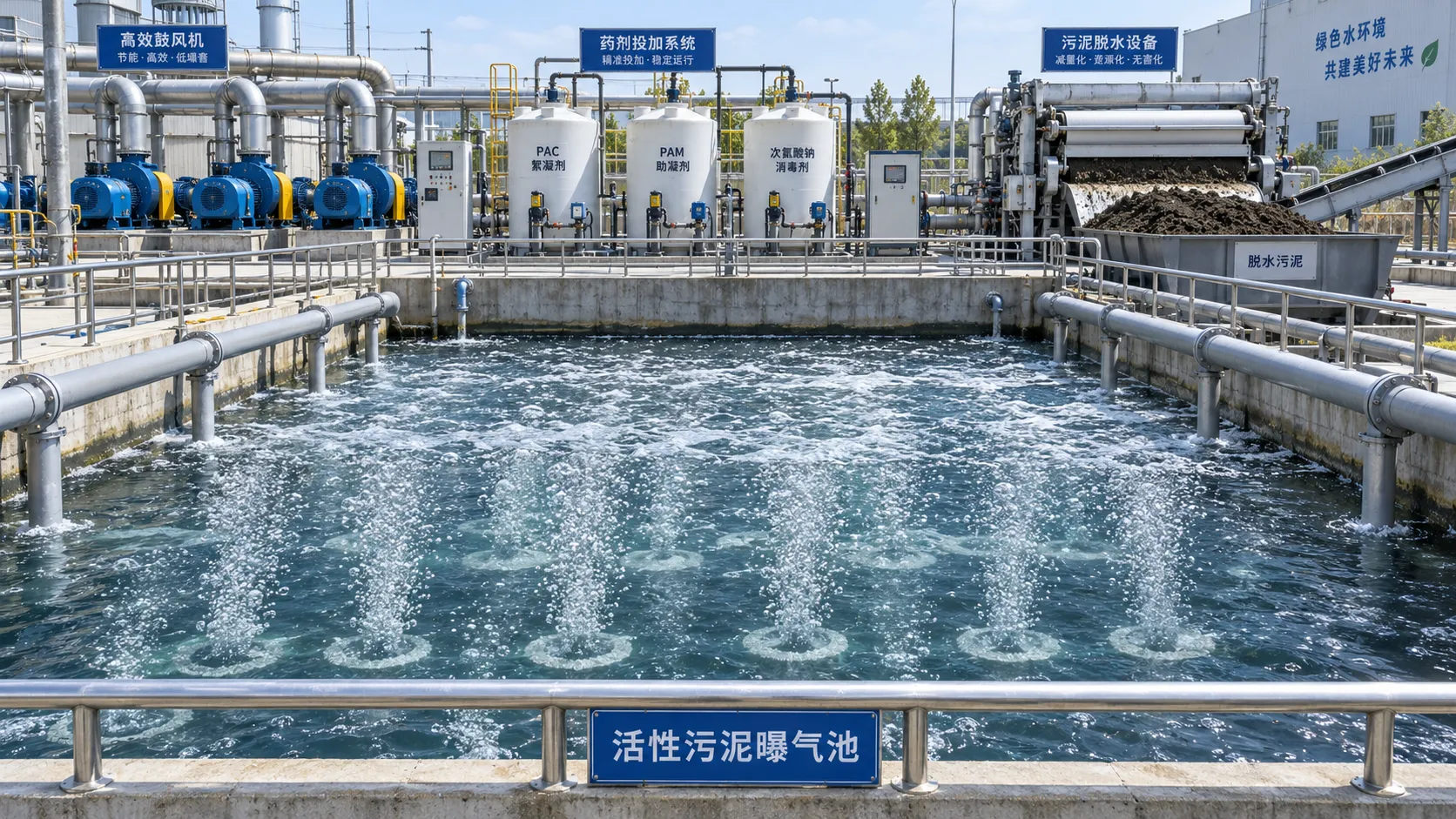
Activated Sludge Cost: Budgeting Energy, Chemicals, Sludge, and Labor
Activated sludge cost explained: compare energy, chemicals, sludge disposal, labor, and compliance risks to build a reliable lifecycle budget.