
Industry News
Curation by industry experts
Hot Articles
Popular Tags
Government Projects: What Delays Environmental Bids
In government projects, environmental bids are delayed by more than engineering complexity. The real obstacles often sit in policy updates, approval layers, financing structure, and specification gaps.
For advanced environmental systems, this matters early. Better timing, better compliance mapping, and better document alignment can significantly improve outcomes in government projects.
Across water treatment, waste recovery, flue gas control, desalination, and nuclear waste management, delays often begin long before bid opening. They start when risk is not translated into procurement language.
What usually causes delays in environmental bids for government projects?
The first cause is moving compliance targets. Environmental standards can shift during project preparation, especially when emissions, discharge limits, or waste handling rules are revised.
A second cause is fragmented technical specification writing. One department may define performance targets, while another defines budget ceilings, creating contradictions inside the same tender package.
Financing is another common barrier. Many government projects depend on staged approvals, fiscal reallocations, sovereign lending, or public-private funding structures that move slowly.
Approval chains also create lag. Environmental bids may require review from technical committees, legal teams, budget offices, safety authorities, and external regulators before release.
In high-end environmental sectors, technology validation adds another layer. Novel membranes, AI sorting systems, thermal recovery units, or vitrification processes often face extra scrutiny.
This is why government projects rarely move in a straight line. Delays are usually administrative, financial, technical, and regulatory at the same time.
Why do compliance changes disrupt government projects so easily?
Environmental procurement depends on stable assumptions. When rules change, the original basis of design may no longer match discharge, emissions, or disposal requirements.
For example, a wastewater project may begin around conventional treatment. Later, stricter Zero Liquid Discharge expectations can force redesign of evaporation, brine concentration, and recovery sections.
In flue gas treatment, lower emission thresholds may require revised catalyst volume, scrubber sizing, or monitoring architecture. That affects capex, energy use, and maintenance assumptions.
Government projects are especially sensitive because public tenders require defensible documentation. Once compliance logic changes, legal wording, qualification criteria, and evaluation methods must also change.
International pressures amplify this issue. Carbon accounting, CBAM exposure, local content rules, and environmental impact review standards now influence more public infrastructure decisions.
A practical response is to track regulation in parallel with engineering. Technical positioning should always include a compliance matrix, not only a product brochure.
How to reduce compliance-driven delay risk
- Map current and draft regulations before tender drafting begins.
- Translate standards into measurable specification language.
- Prepare alternative technical pathways for stricter scenarios.
- Align performance guarantees with expected permit conditions.
How do specification gaps delay environmental bids in government projects?
Many government projects are delayed because tender documents describe goals, but not operating reality. This gap creates uncertainty for engineering scope and commercial pricing.
A desalination project may state daily output, yet omit feedwater variability, intake fouling patterns, or energy recovery expectations. Bidders then price different assumptions.
A waste recovery project may require high recycling efficiency, but provide limited data on waste composition, seasonal changes, or contamination rates. That weakens process selection accuracy.
In nuclear waste management, incomplete information is even more serious. Packaging standards, storage classification, and long-term containment criteria must be tightly defined.
When specifications are incomplete, questions accumulate. Clarification rounds expand, legal review slows, and government projects lose momentum before formal competition begins.
The best prevention is early technical normalization. Performance targets, feed conditions, lifecycle boundaries, and testing standards should be linked into one consistent procurement structure.
Common specification blind spots
- Unclear influent or waste stream composition
- Missing ambient and seasonal design conditions
- No lifecycle cost evaluation method
- Undefined commissioning and acceptance tests
- Conflicts between budget cap and technical target
Which stages of approval slow government projects the most?
The slowest stage is often pre-tender coordination. By the time a bid is visible, multiple internal reviews may still be unresolved.
Environmental impact findings can trigger redesign. Land access decisions can affect layout. Grid, water, or discharge permits can alter utility assumptions and operating cost.
Budget authorization can also split into phases. A project may have political approval, but lack full disbursement authorization for equipment, civil works, and operations support.
In government projects with imported equipment, customs treatment, certification, and localization review may add another timeline. This is common in desalination and advanced flue gas systems.
Safety and resilience reviews matter too. Critical infrastructure projects often require redundancy analysis, cybersecurity review, emergency response planning, and spare-parts assurance.
These review layers are not irrational. They are designed to protect public assets. But without early coordination, they become a major source of bid delay.
How do financing and commercial structure affect environmental bids?
Financing shapes whether a tender can launch on time. Even technically mature government projects may pause when funding sequence is unclear.
Environmental infrastructure often carries high upfront cost and long payback logic. Desalination, ZLD, waste-to-resource systems, and hazardous waste treatment are typical examples.
If fiscal support weakens, procurement documents may be rewritten to reduce scope, extend delivery, or rebalance between capex and operating expenditure.
Commercial terms can also delay review. Payment milestones, performance security, warranty exposure, and indexation for energy or chemicals must be contractually acceptable.
In government projects, a low initial price is rarely enough. Financial durability, service continuity, and long-term compliance cost are often equally important.
That is why lifecycle economics should be framed clearly. Strong bids explain not only equipment supply, but operating stability, replacement cycles, and regulatory resilience.
Financing signals that often precede delay
- Frequent scope adjustments before release
- Repeated requests for price validity extensions
- Shifting contract packaging strategy
- Unclear source of O&M funding
What can improve readiness for delayed government projects?
Preparation should begin before formal tender publication. Early intelligence is often the difference between reactive pricing and strategic positioning in government projects.
First, build a document strategy. Prepare compliance notes, reference cases, risk responses, and technical alternatives that match probable tender scenarios.
Second, support clearer scope formation. Share structured performance language around membranes, catalysts, scrubbers, sorting systems, evaporators, or containment technologies.
Third, connect technical value to public outcomes. In government projects, arguments around resilience, water security, emissions stability, and waste risk reduction are highly persuasive.
Fourth, prepare for delay without losing momentum. Keep pricing logic traceable, assumptions version-controlled, and regulatory references updated.
Finally, use intelligence as an operating tool. ESD-style market observation helps connect engineering data, policy movement, and procurement timing into one actionable framework.
FAQ table: key delay factors in government projects
Government projects in environmental infrastructure are delayed when technology, compliance, funding, and approval logic are not stitched together from the start.
The strongest approach is not waiting for the final tender. It is preparing earlier, reading regulation closely, clarifying scope, and aligning technical value with public-sector decision logic.
For sectors such as water treatment, waste recovery, desalination, flue gas control, and nuclear waste management, this discipline improves timing and bid quality.
If government projects matter in your market, the next step is simple: build a delay-risk checklist, track regulatory movement, and refine tender-facing technical language before the bid appears.
Recommended News
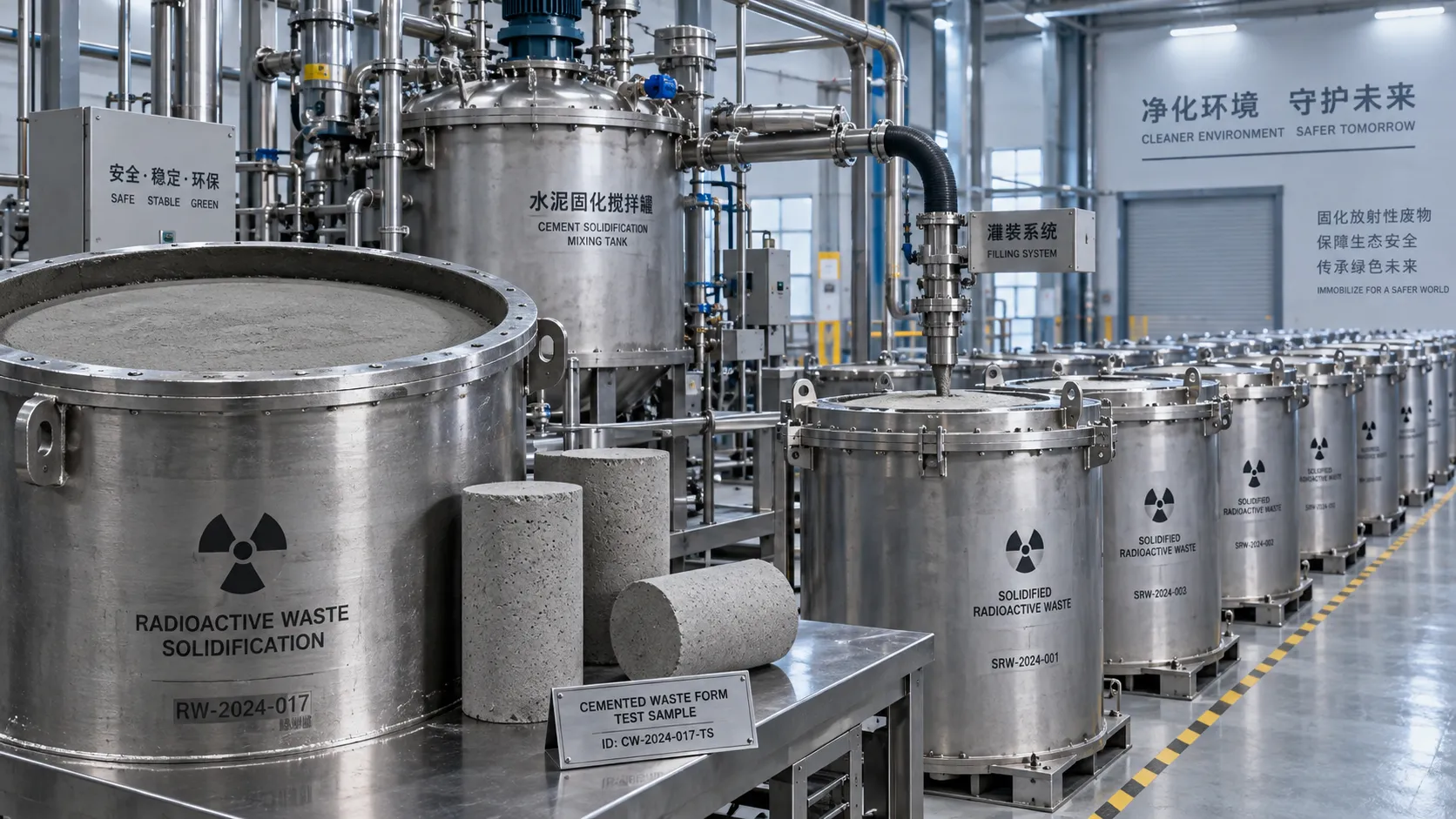
When is cementation suitable for nuclear decommissioning waste?
Explore nuclear waste treatment technology for decommissioning: learn when cementation fits, which risks to assess, and how disposal criteria guide an effective treatment choice.
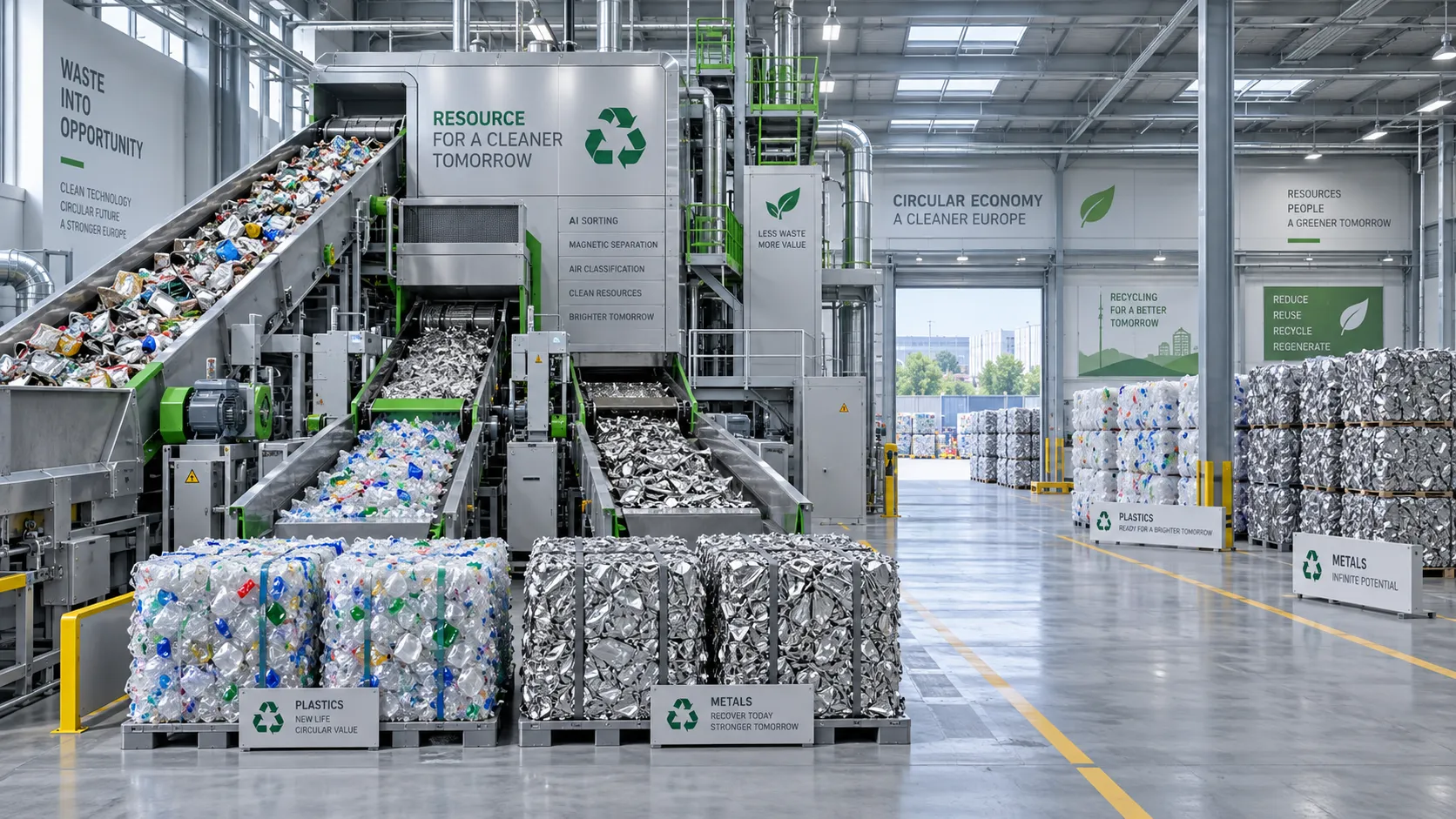
What determines payback for waste-to-resource systems in Europe?
Assess waste-to-resource systems Europe-wide: compare feedstock, recovery yields, costs and contracts to uncover payback drivers and make smarter investment decisions.
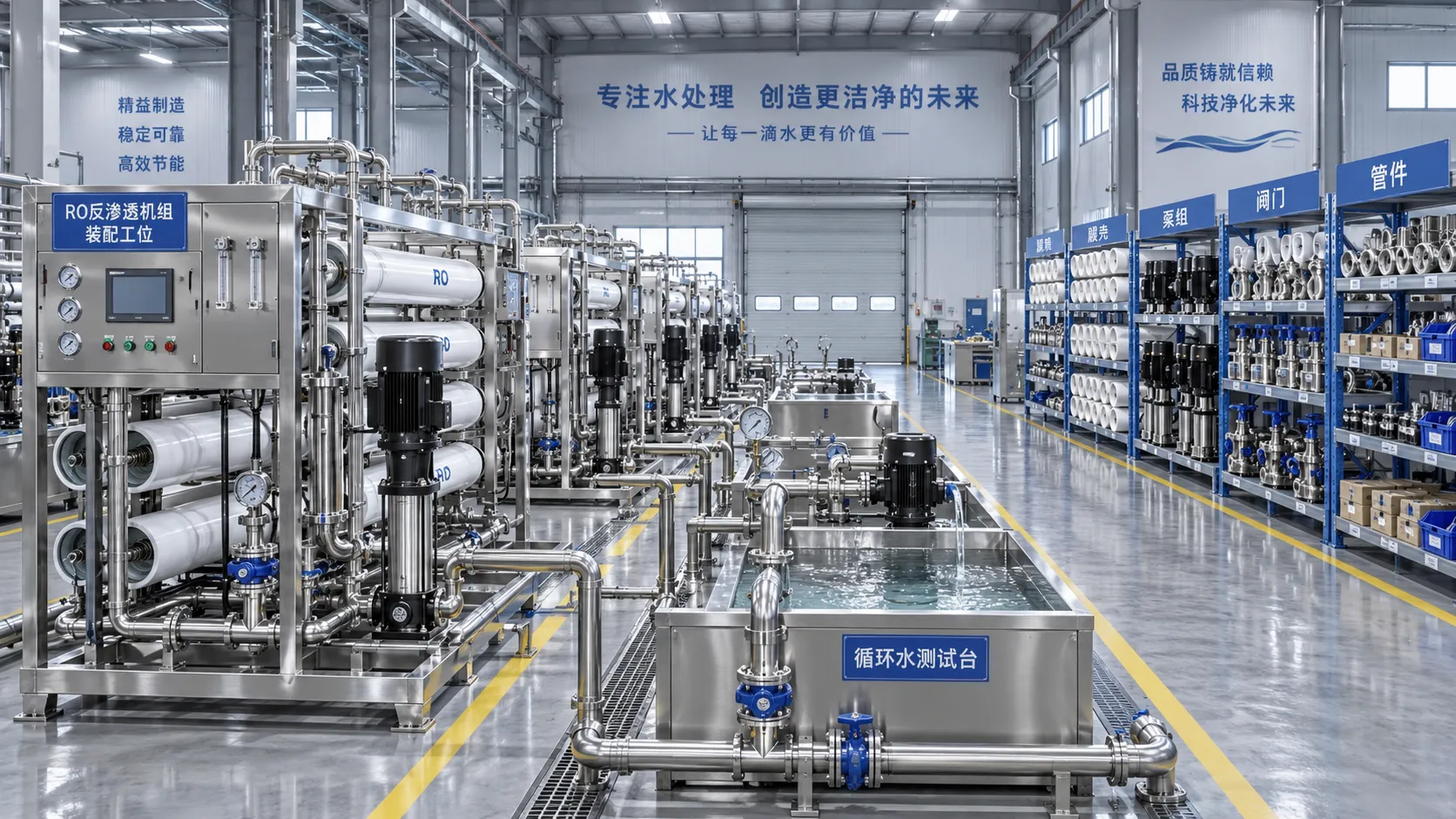
How to verify a water treatment system factory’s production capacity
Verify a water treatment systems factory’s production capacity through records, bottlenecks, component availability, and testing. Learn what to check before accepting a delivery promise.
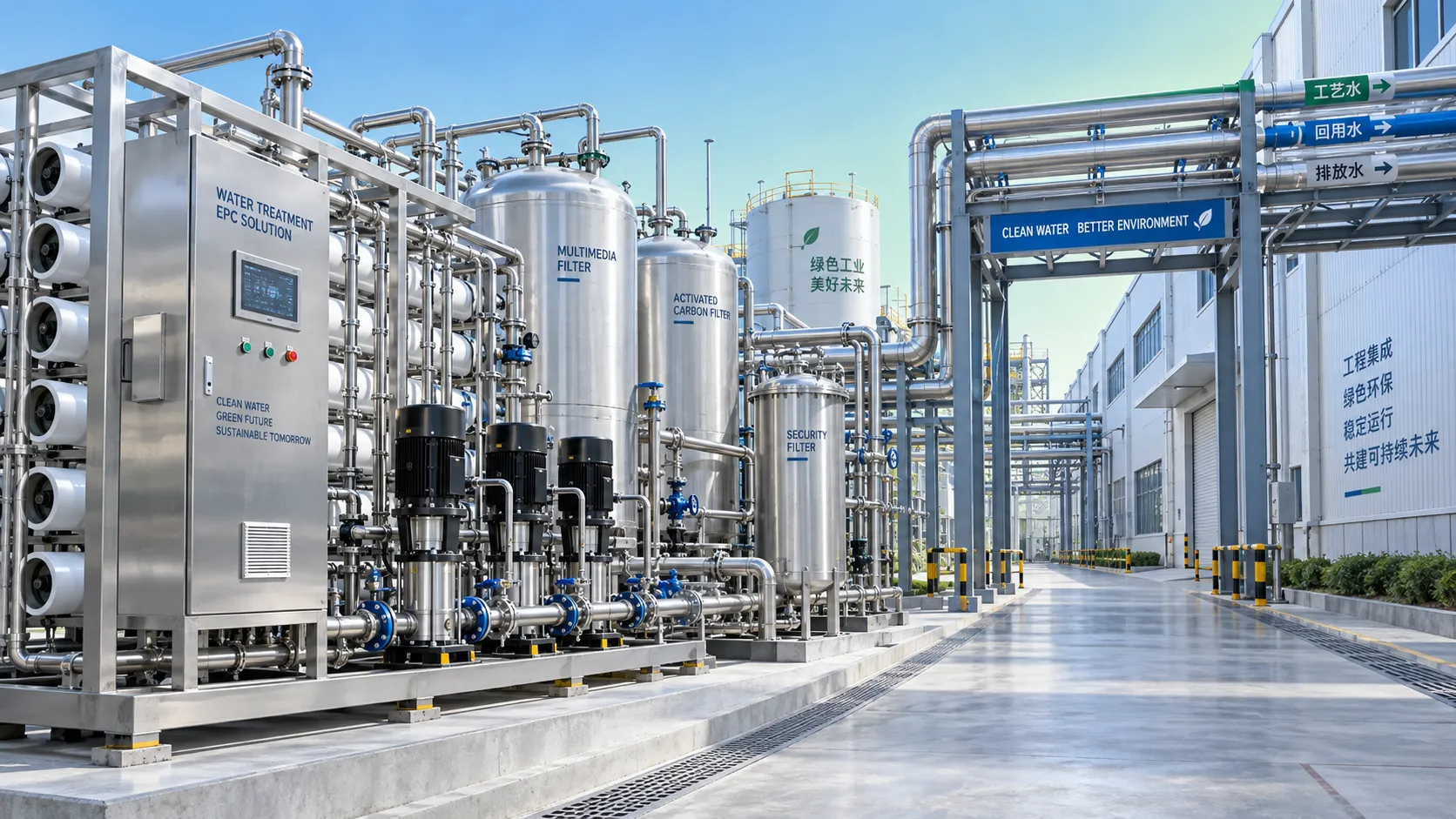
When does EPC environmental project support reduce delivery risk?
EPC environmental project support engineering reduces delivery risk by aligning design, procurement, compliance, construction, and commissioning decisions.
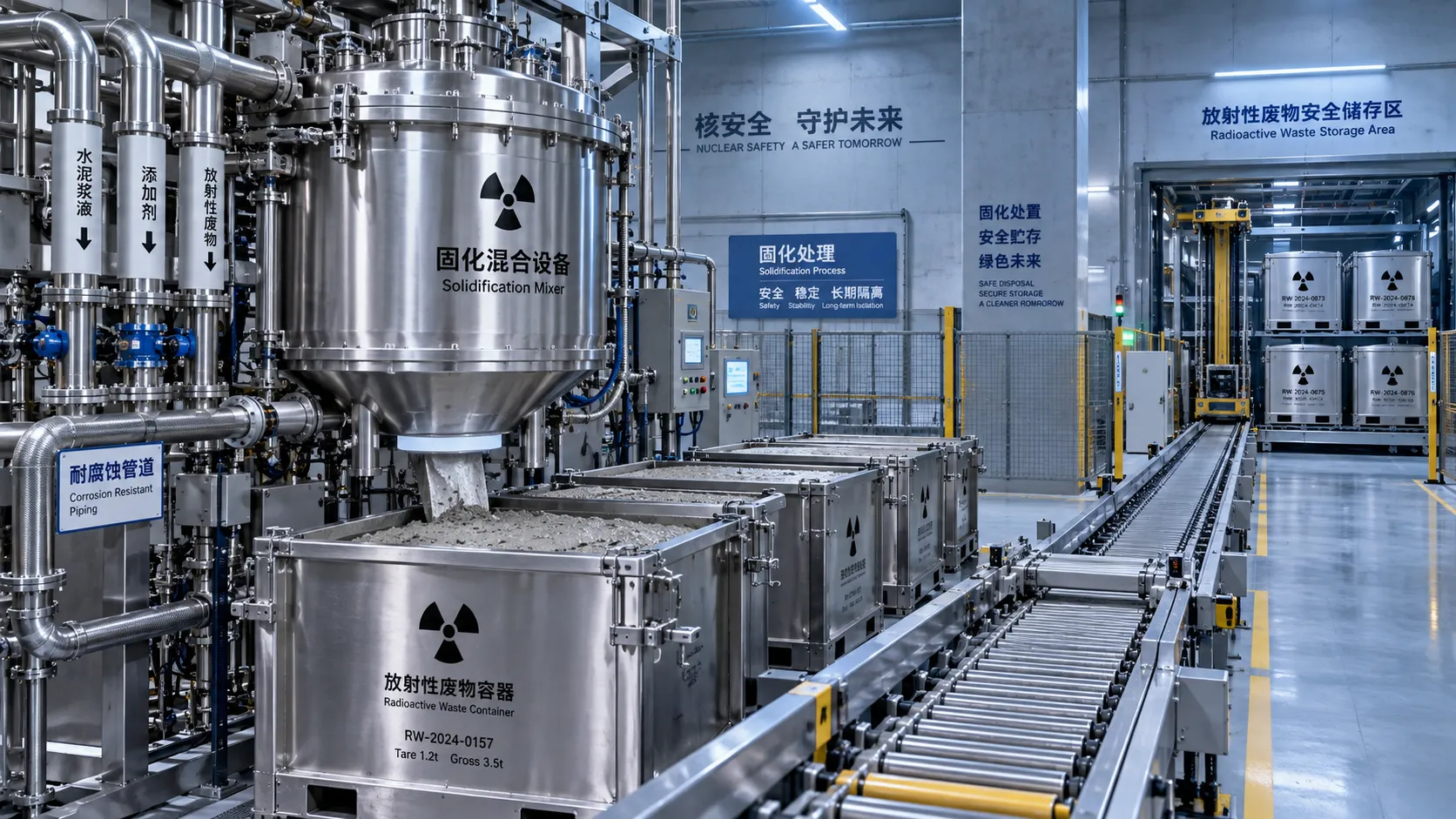
How nuclear plants select a radioactive waste solidification method
Radioactive waste management for nuclear plants: compare vitrification, cementation, polymers, and ceramics to select a compliant, durable solidification solution.
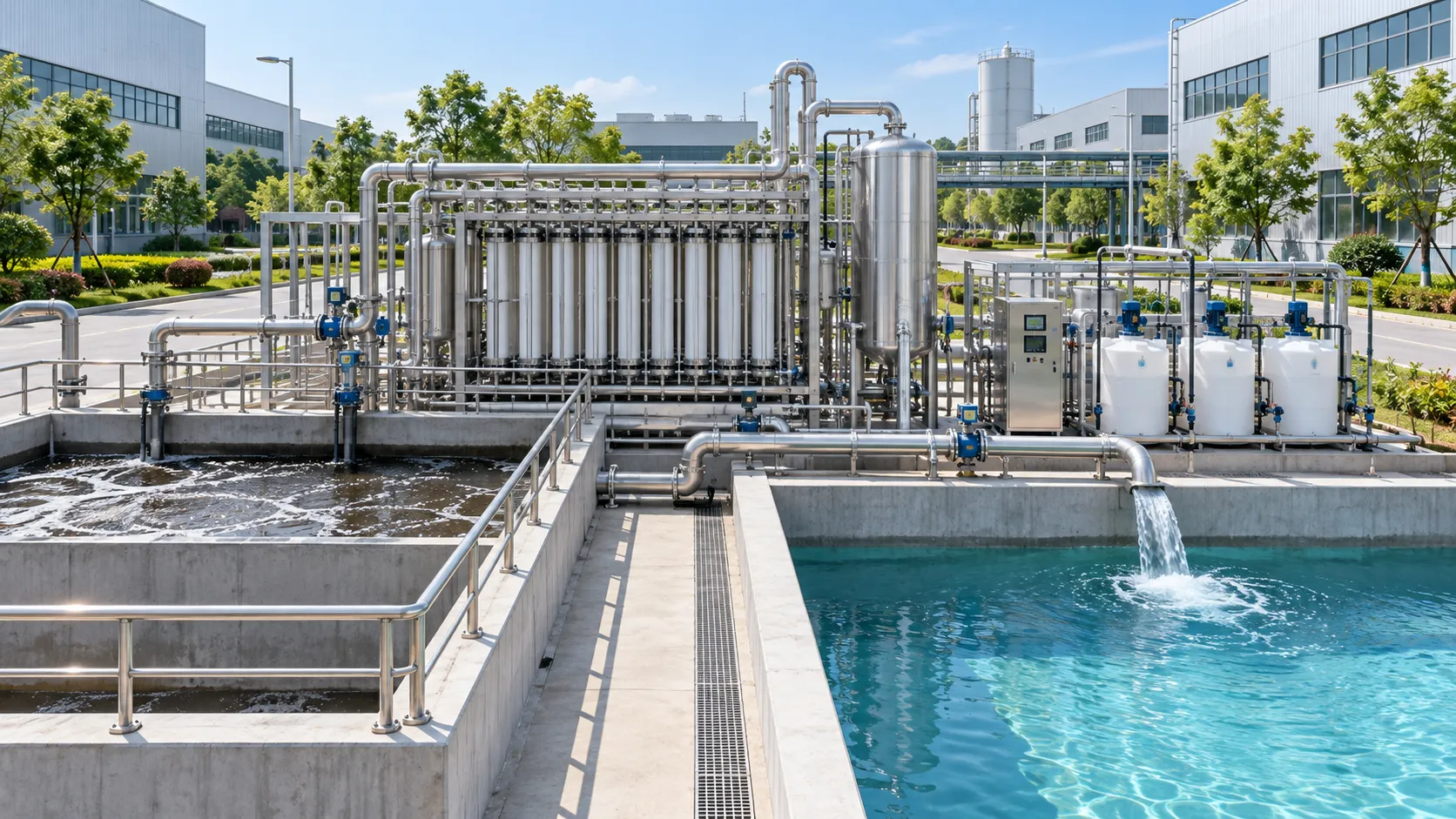
Comparing Upgrade Costs for Industrial Park Wastewater Treatment Systems
Compare costs for wastewater system upgrades in industrial parks with a lifecycle view of CAPEX, OPEX, compliance, resilience, and future expansion.
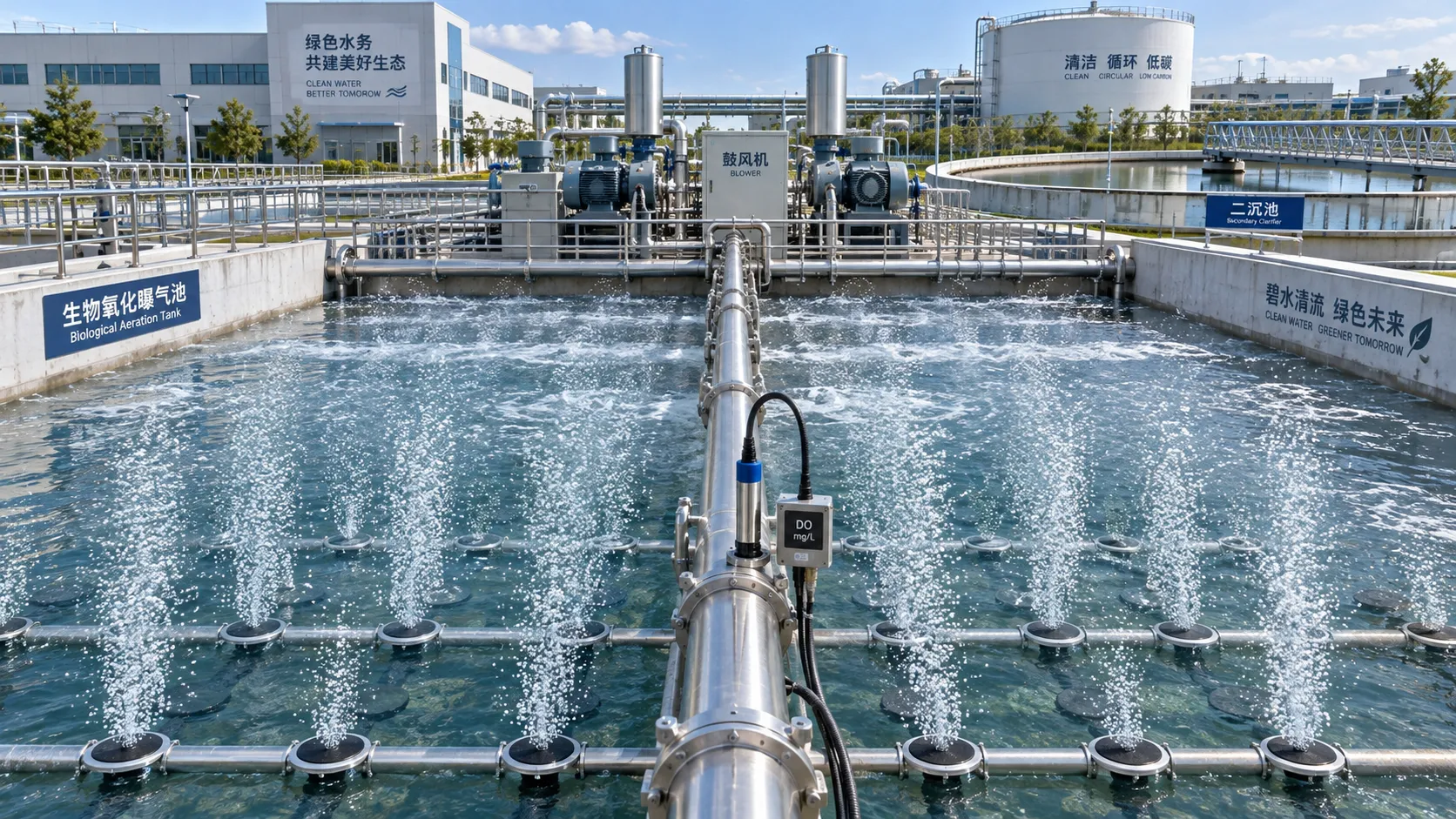
Biological Wastewater Oxidation Explained: Aeration Demand and Process Control
Biological wastewater oxidation explained: optimize aeration demand, DO control, nitrification, and sludge age for stable effluent quality and lower energy costs.
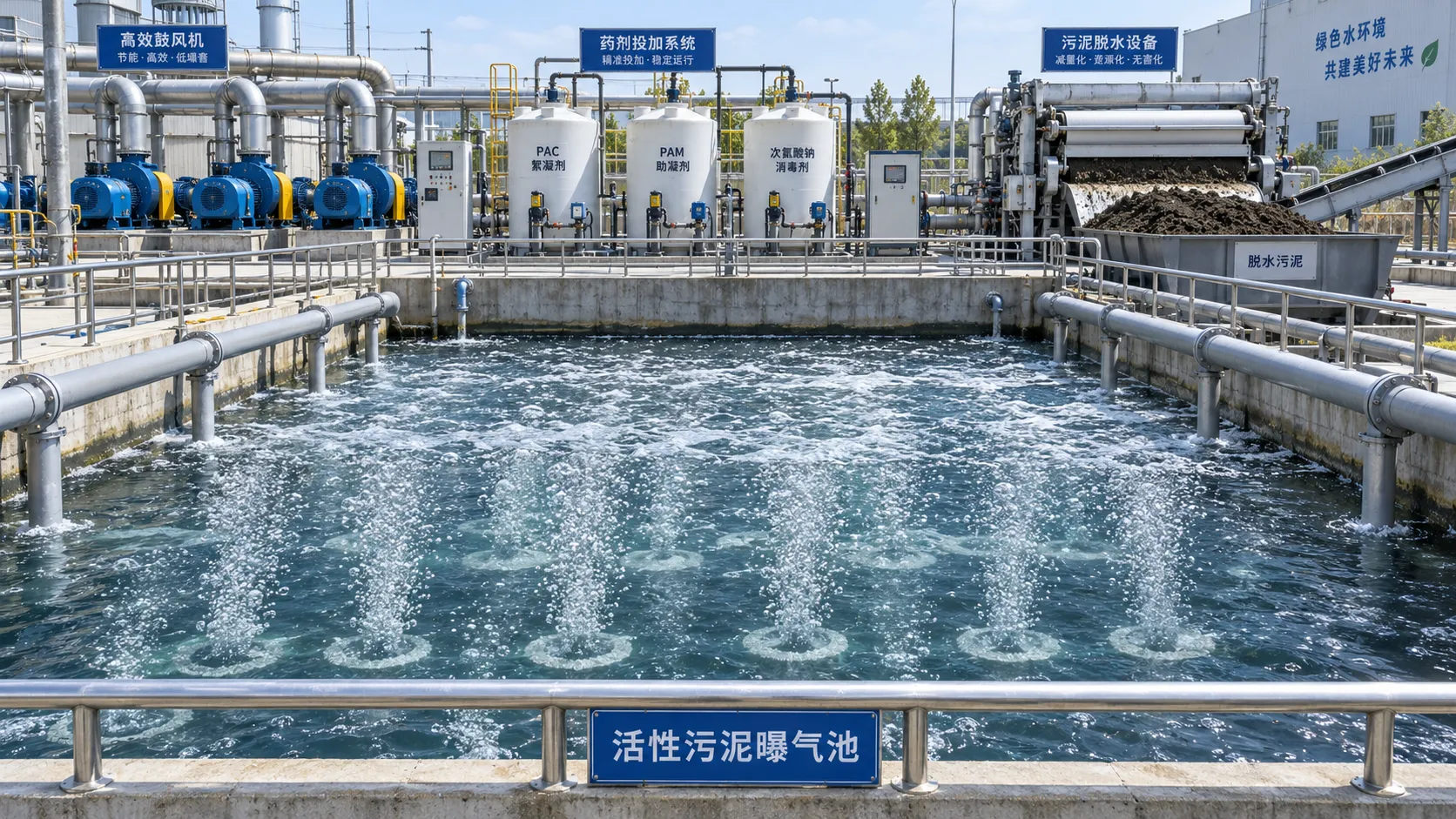
Activated Sludge Cost: Budgeting Energy, Chemicals, Sludge, and Labor
Activated sludge cost explained: compare energy, chemicals, sludge disposal, labor, and compliance risks to build a reliable lifecycle budget.
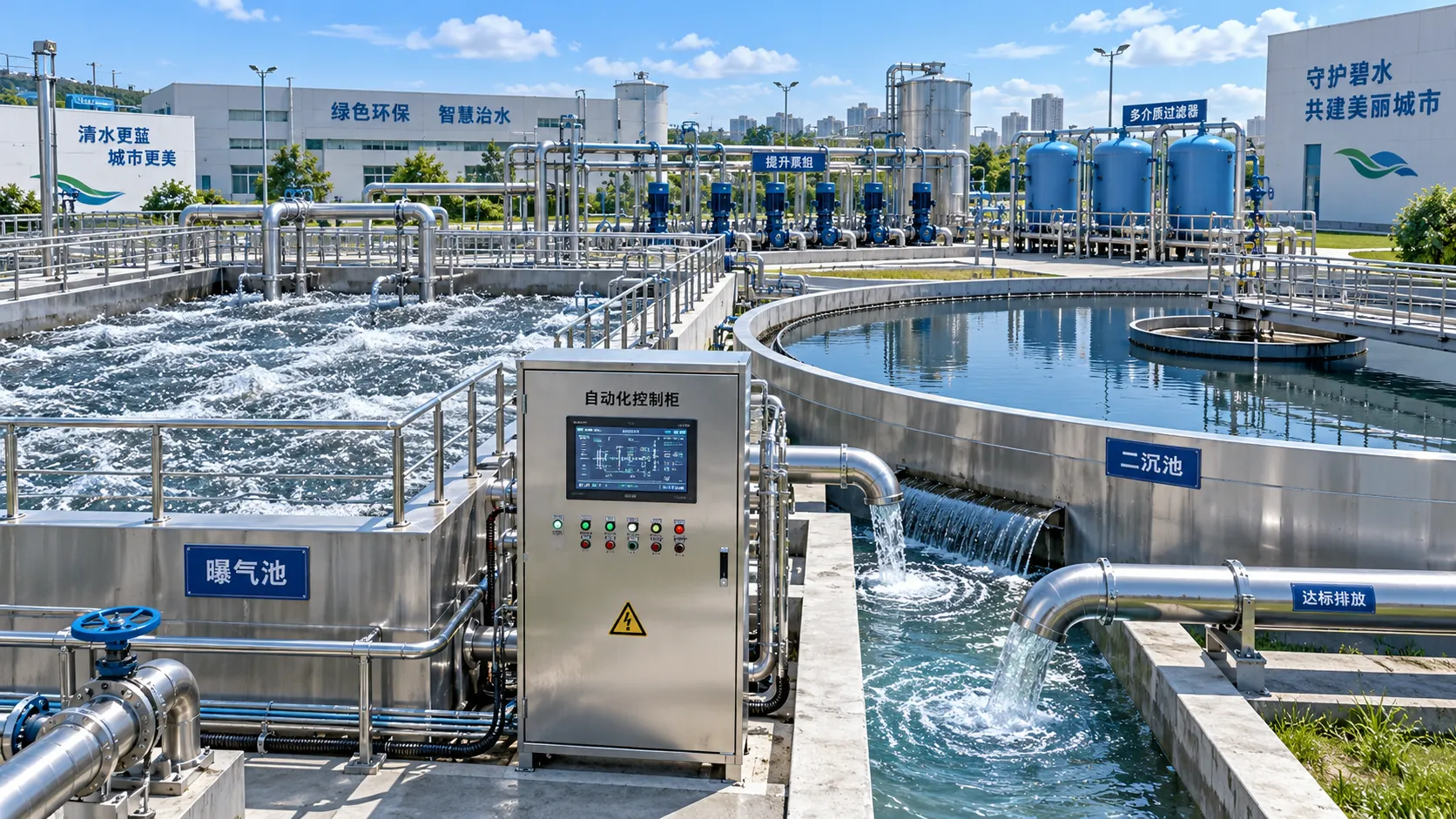
When Should Municipal Wastewater Plants Upgrade Treatment Capacity and Controls?
Municipal wastewater treatment upgrades: learn when capacity, controls, and resilient planning are needed to protect compliance and optimize plant performance.