
Industry News
Curation by industry experts
Hot Articles
Popular Tags
Wastewater Intelligence Tools That Reduce Manual Monitoring Errors
For operators on the front line of treatment plants, wastewater intelligence is becoming essential for cutting manual monitoring errors, improving response speed, and maintaining compliance under tighter environmental standards. This article explores how intelligent tools turn scattered process data into clear operational guidance, helping teams reduce risk, stabilize performance, and make more confident decisions in complex wastewater systems.
Why Wastewater Intelligence Matters More Than Manual Monitoring Alone
Manual monitoring still plays a role, but it often creates gaps between sampling time, operator judgment, and actual process changes inside a wastewater plant.
Those gaps grow wider in high-load systems, variable influent conditions, and multi-stage treatment lines handling industrial, municipal, or mixed wastewater streams.
This is where wastewater intelligence delivers measurable value. It connects sensors, SCADA records, lab data, alarms, and operator logs into one decision layer.
Instead of reacting after an excursion, teams can identify drift earlier, verify unusual readings faster, and reduce preventable manual monitoring errors.
For complex environmental infrastructure, including ZLD systems, desalination pretreatment, and industrial effluent polishing, that shift supports stronger compliance and steadier asset performance.
Checklist: Wastewater Intelligence Tools That Reduce Monitoring Errors
Use the following checklist to evaluate whether a wastewater intelligence setup can truly reduce human error rather than simply add more dashboards.
- Integrate live sensor data with laboratory results so pH, turbidity, COD, ammonia, conductivity, and flow trends can be checked against verified reference points.
- Validate sensor health automatically by flagging drift, fouling, calibration gaps, flatlines, and improbable value jumps before operators trust bad readings.
- Standardize alarm logic to distinguish true process upsets from nuisance alerts, reducing fatigue and helping teams focus on events that require intervention.
- Correlate upstream and downstream parameters so the platform explains cause-and-effect relationships instead of presenting isolated data points without context.
- Track manual entries against automatic measurements to identify recurring transcription mistakes, delayed logging, and inconsistent sampling practices across shifts.
- Apply predictive analytics to forecast overload, aeration imbalance, chemical overdosing, membrane fouling, or discharge risk several hours before violation thresholds appear.
- Create role-based dashboards that show only relevant KPIs, making response faster and reducing the chance of overlooking critical wastewater intelligence signals.
- Log corrective actions beside process deviations so teams can learn which interventions solved issues and which only masked symptoms temporarily.
- Benchmark performance by line, basin, or treatment stage to reveal where manual monitoring errors cluster and where automation produces the greatest return.
- Document compliance evidence automatically with time-stamped records, trend histories, and exception reports that support audits and internal process reviews.
Key Capabilities to Prioritize in Wastewater Intelligence Platforms
Real-Time Data Reconciliation
A strong wastewater intelligence platform does not treat every number as equally reliable. It compares sources, checks timing, and highlights conflicting measurements.
That matters when grab samples, online analyzers, and operator notes tell different stories during a fast-moving process upset.
Context-Aware Alerting
Simple high-low alarms are often not enough. Better systems read seasonal patterns, shift conditions, maintenance windows, and upstream process changes.
This reduces false urgency and helps teams act on meaningful deviations, not noise generated by normal operational variability.
Operator Decision Support
The best tools convert data into action prompts. They suggest likely causes, rank risks, and show which valves, blowers, pumps, or dosing points deserve attention first.
That is especially useful in large integrated plants where one manual monitoring error can cascade across several treatment stages.
How Wastewater Intelligence Performs in Different Operating Scenarios
Municipal Wastewater Treatment
In municipal systems, influent variability, wet-weather surges, and biological sensitivity make manual checks too slow on their own.
Here, wastewater intelligence helps stabilize aeration control, nutrient removal, sludge management, and final discharge quality by combining continuous monitoring with response guidance.
Industrial Effluent and High-Strength Wastewater
Industrial plants face abrupt chemistry changes, shock loads, and greater compliance exposure. Manual sampling may miss short but damaging excursions.
In this setting, wastewater intelligence supports equalization control, chemical dosing accuracy, pretreatment verification, and rapid identification of abnormal discharge sources.
Desalination Pretreatment and Water Reuse
Pretreatment failures can quickly affect membrane performance, cleaning frequency, and energy demand. Small monitoring mistakes become expensive fast.
Intelligent monitoring helps detect turbidity instability, coagulant mismatch, filter breakthrough, and fouling precursors before downstream assets are affected.
ZLD and Advanced Resource Recovery
In ZLD systems, every stage is tightly linked. Errors in concentration trends, scaling indicators, or brine quality interpretation can distort the whole process.
A mature wastewater intelligence layer improves visibility across evaporation, crystallization, and recycle loops, supporting both reliability and recovery efficiency.
Commonly Overlooked Risks That Still Cause Manual Monitoring Errors
Ignoring Sensor Maintenance History
Even advanced analytics fail when inputs are weak. If calibration intervals, cleaning records, and replacement schedules are not visible, false confidence grows.
Treating Manual Logs as Secondary Data
Operator observations often explain process behavior that instruments cannot. Excluding those notes removes context needed for accurate root-cause analysis.
Using Too Many KPIs at Once
When every metric is highlighted, nothing is prioritized. Effective wastewater intelligence narrows attention to decision-relevant indicators tied to risk and control.
Separating Compliance from Operations
If compliance reporting is handled after the fact, teams miss chances to correct drift early. Operational monitoring and reporting logic should be linked.
Practical Steps for Implementation
- Map critical monitoring points first, focusing on parameters that most often trigger manual corrections, permit risk, or unstable treatment performance.
- Audit current data sources, including analyzers, PLC signals, lab systems, spreadsheets, and handwritten logs that affect wastewater decisions.
- Define response workflows before software rollout so alerts lead to specific action, escalation paths, and documented follow-up.
- Pilot one treatment area with repeated error patterns, then expand only after measurable gains in accuracy, response time, or compliance stability.
- Review monthly exception reports to refine thresholds, remove noisy alarms, and strengthen the practical value of wastewater intelligence outputs.
Conclusion and Next Action
Manual monitoring will remain part of wastewater operations, but it should no longer carry the full burden of accuracy, speed, and compliance assurance.
The real advantage of wastewater intelligence is not more data. It is better judgment, earlier warning, and fewer avoidable mistakes across critical treatment processes.
Start with one checklist review of data quality, alarm logic, and action tracking. That first audit often reveals where intelligent monitoring can deliver immediate operational gains.
Recommended News
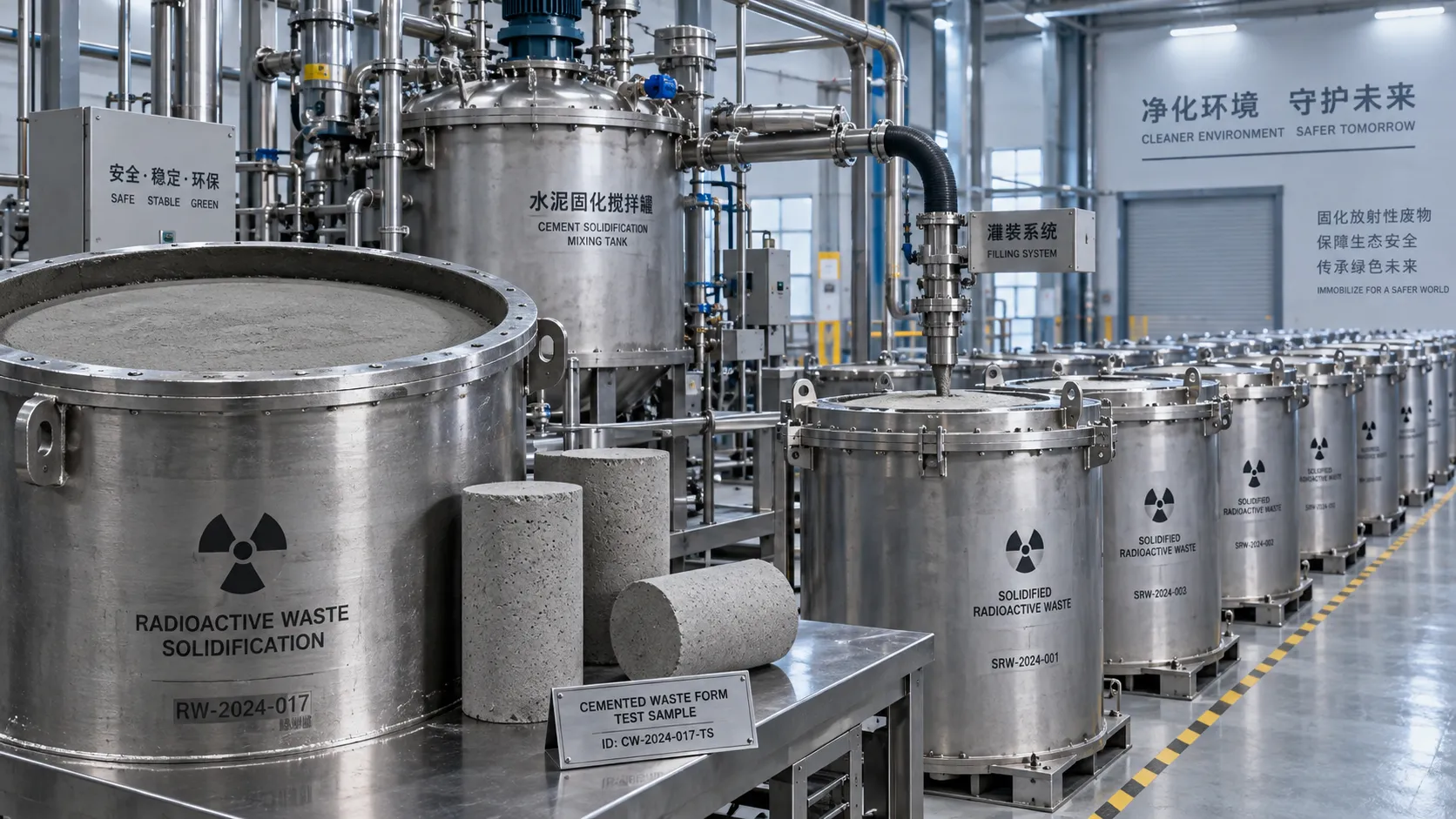
When is cementation suitable for nuclear decommissioning waste?
Explore nuclear waste treatment technology for decommissioning: learn when cementation fits, which risks to assess, and how disposal criteria guide an effective treatment choice.
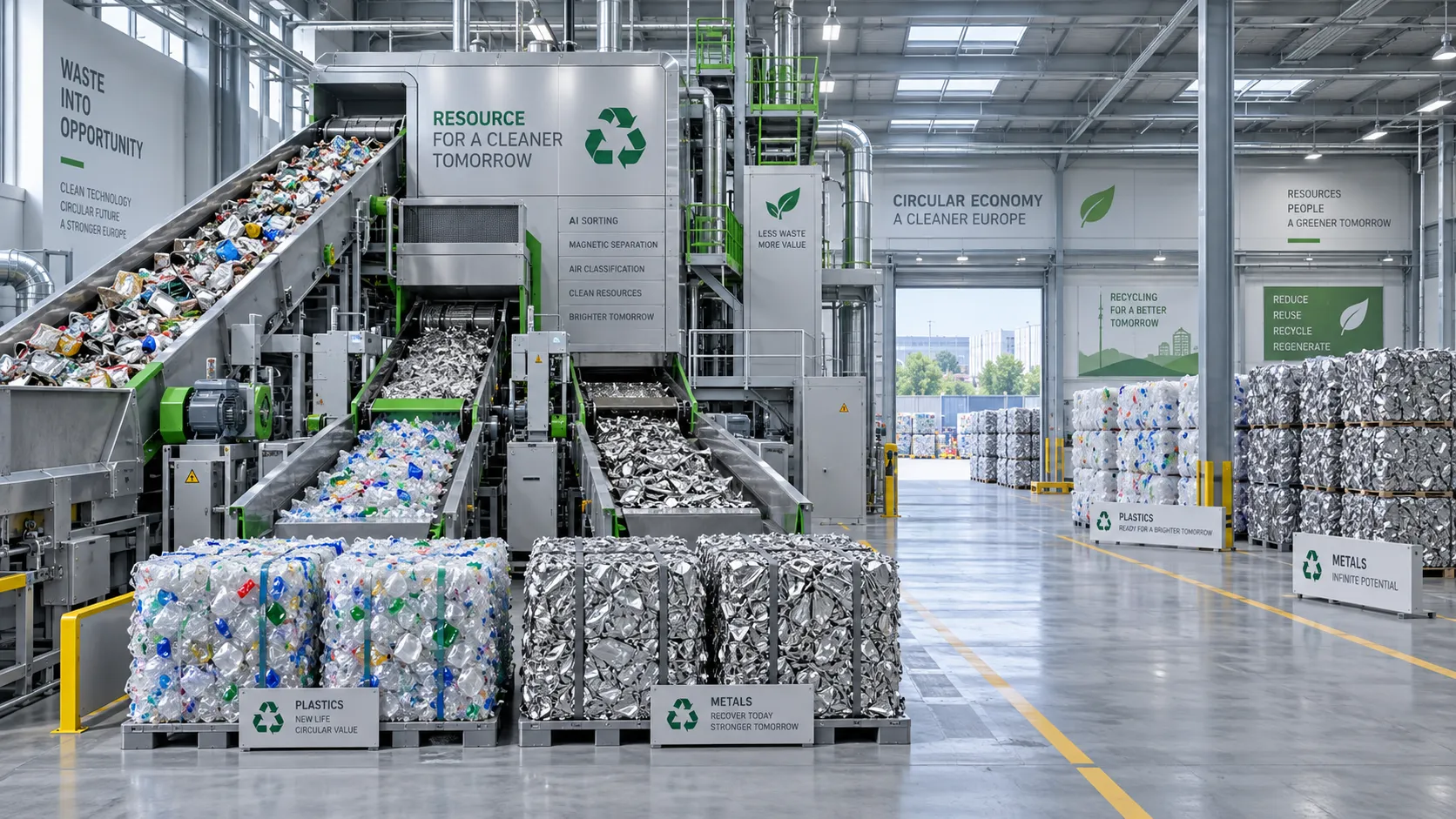
What determines payback for waste-to-resource systems in Europe?
Assess waste-to-resource systems Europe-wide: compare feedstock, recovery yields, costs and contracts to uncover payback drivers and make smarter investment decisions.
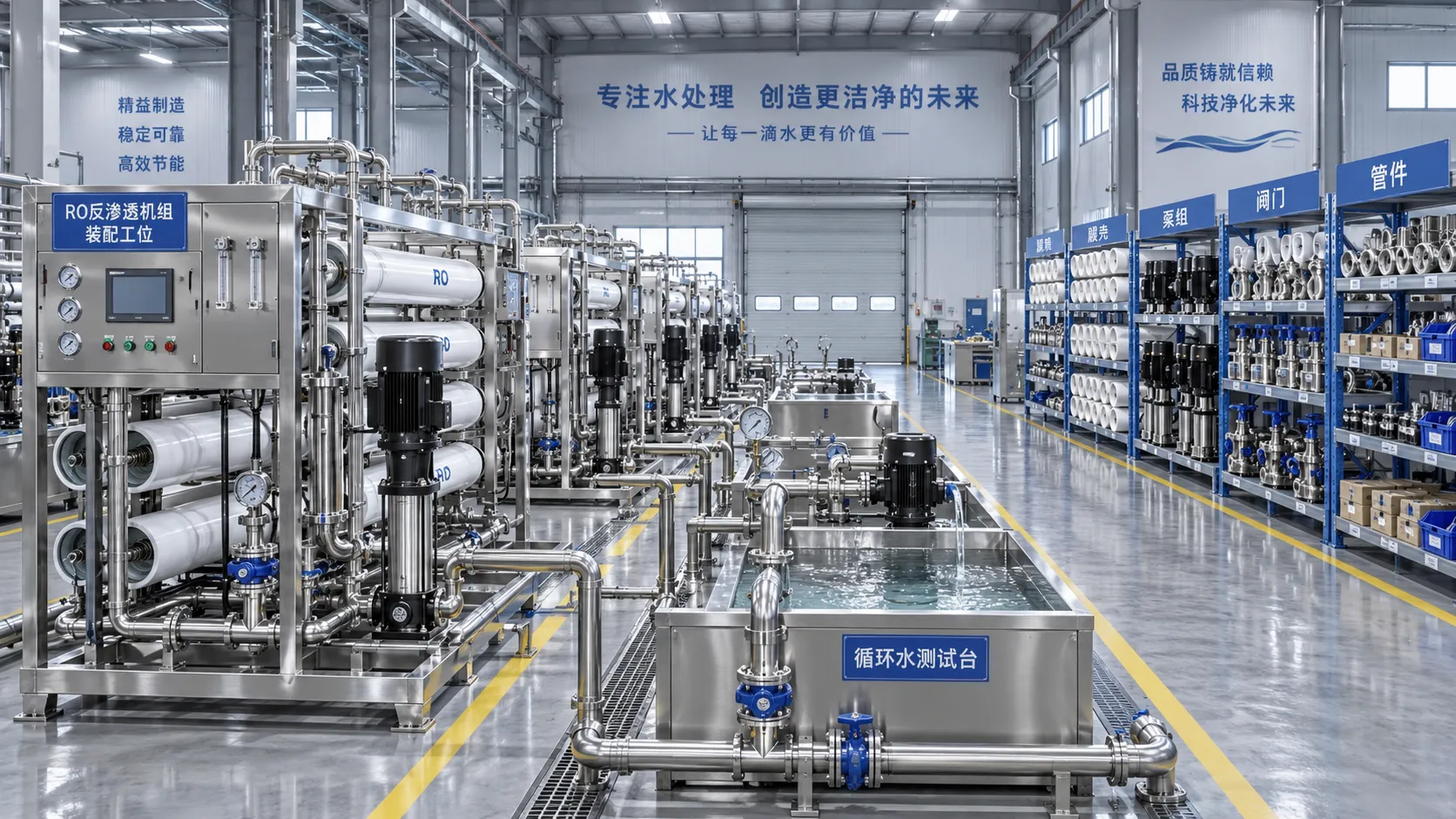
How to verify a water treatment system factory’s production capacity
Verify a water treatment systems factory’s production capacity through records, bottlenecks, component availability, and testing. Learn what to check before accepting a delivery promise.
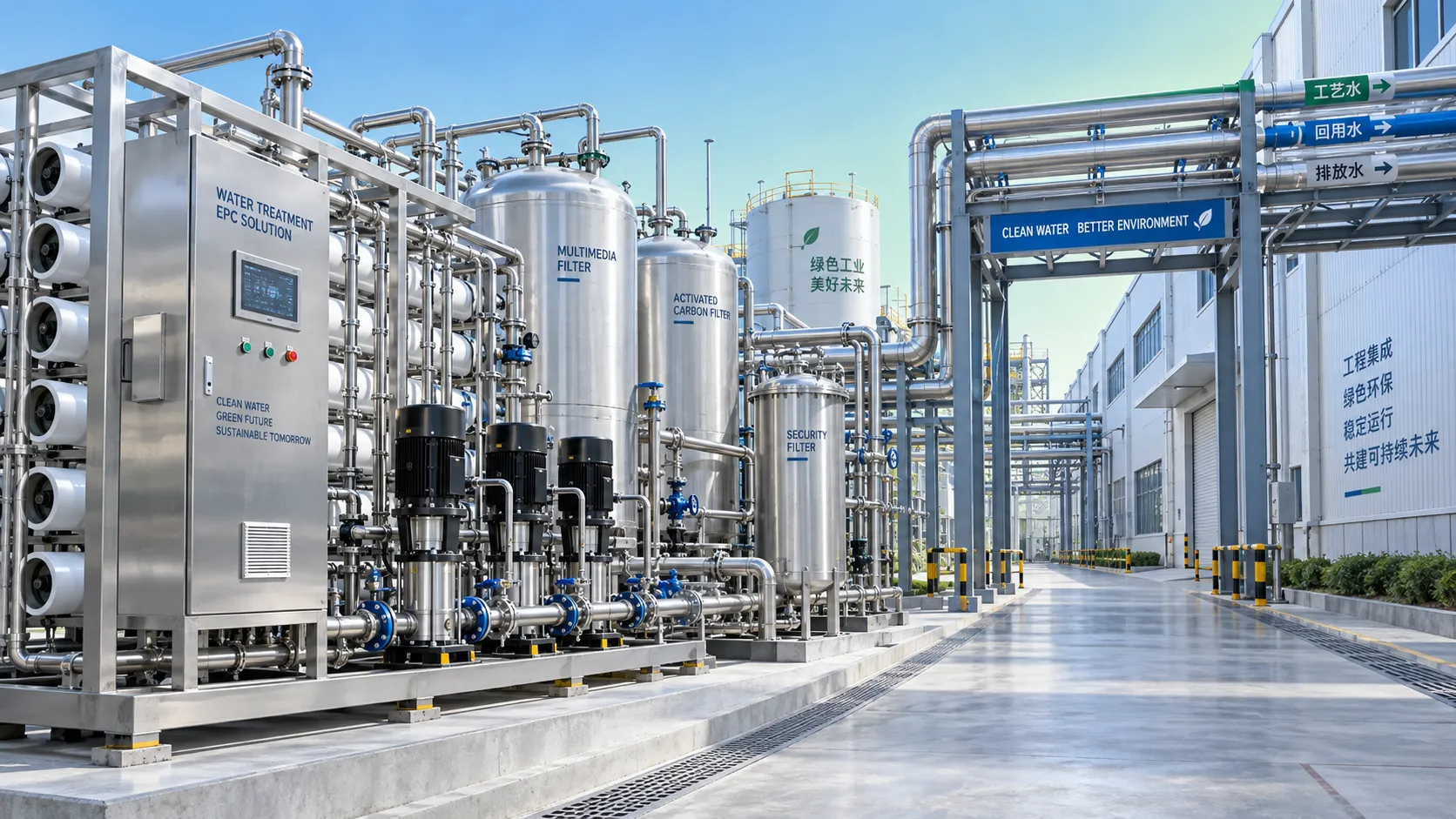
When does EPC environmental project support reduce delivery risk?
EPC environmental project support engineering reduces delivery risk by aligning design, procurement, compliance, construction, and commissioning decisions.
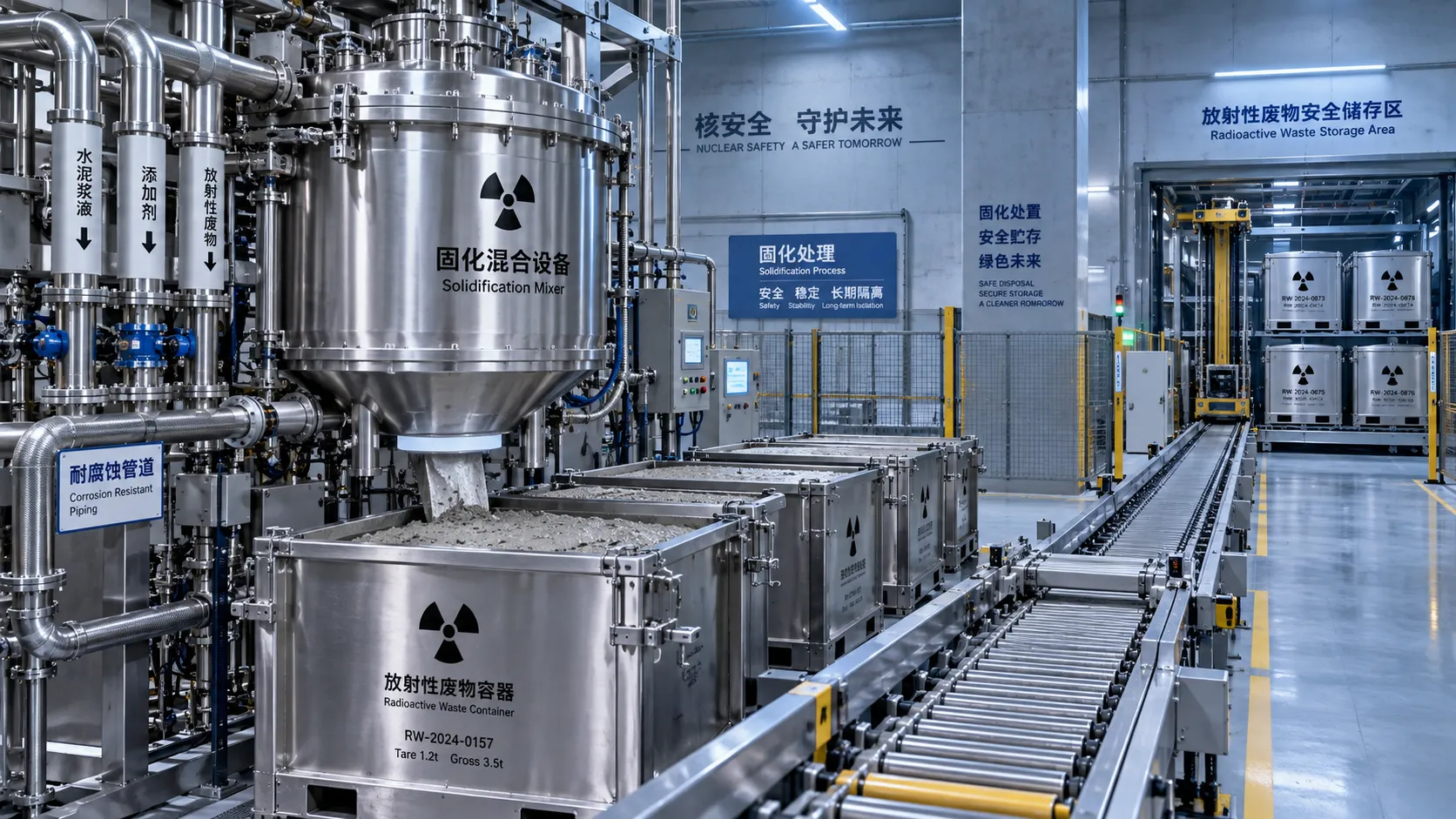
How nuclear plants select a radioactive waste solidification method
Radioactive waste management for nuclear plants: compare vitrification, cementation, polymers, and ceramics to select a compliant, durable solidification solution.
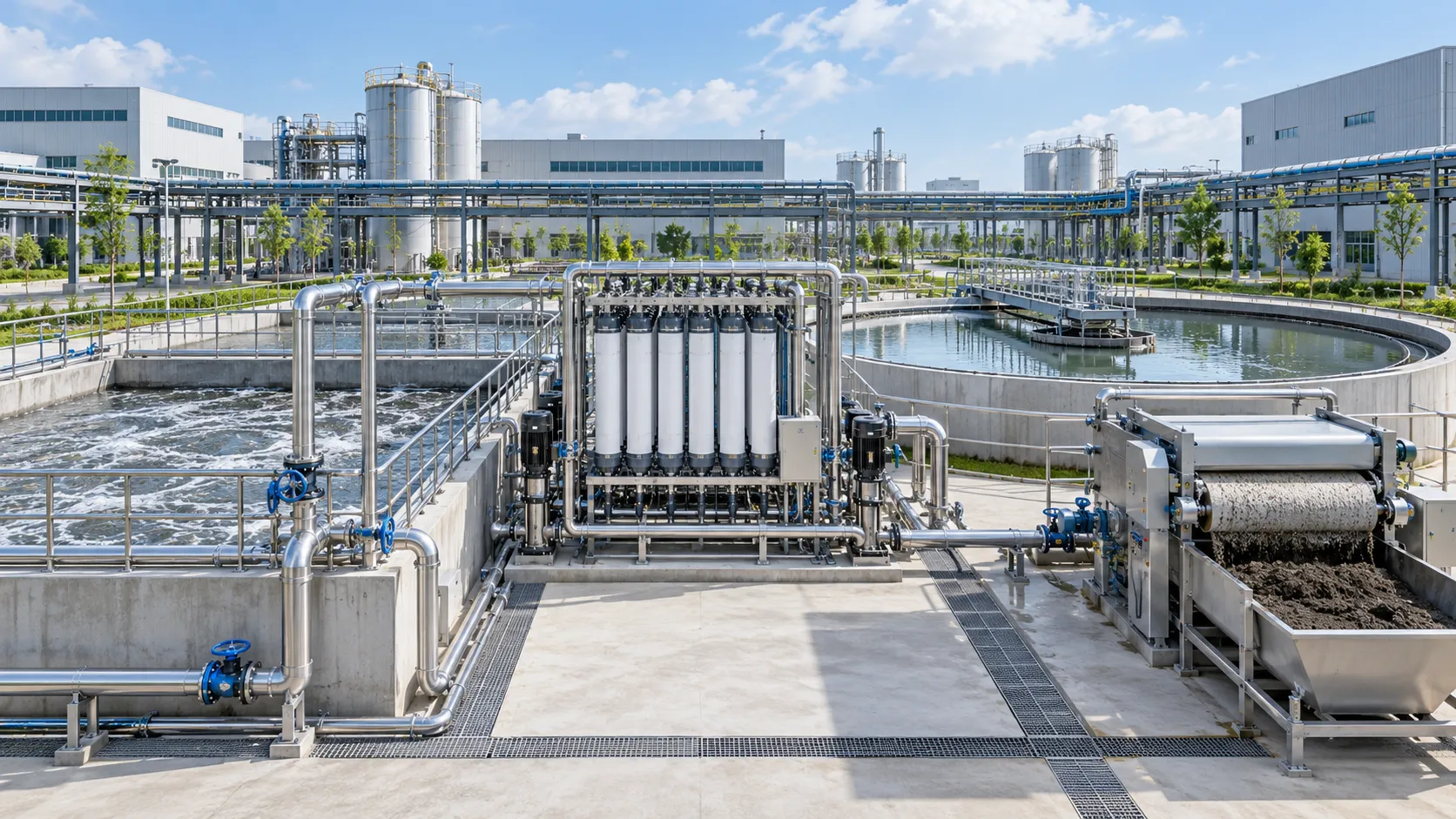
What Drives the Cost of Wastewater System Upgrades in Industrial Parks?
Costs of wastewater system upgrades in industrial parks: uncover key drivers from influent variability and civil works to sludge, energy, compliance, and lifecycle risk.
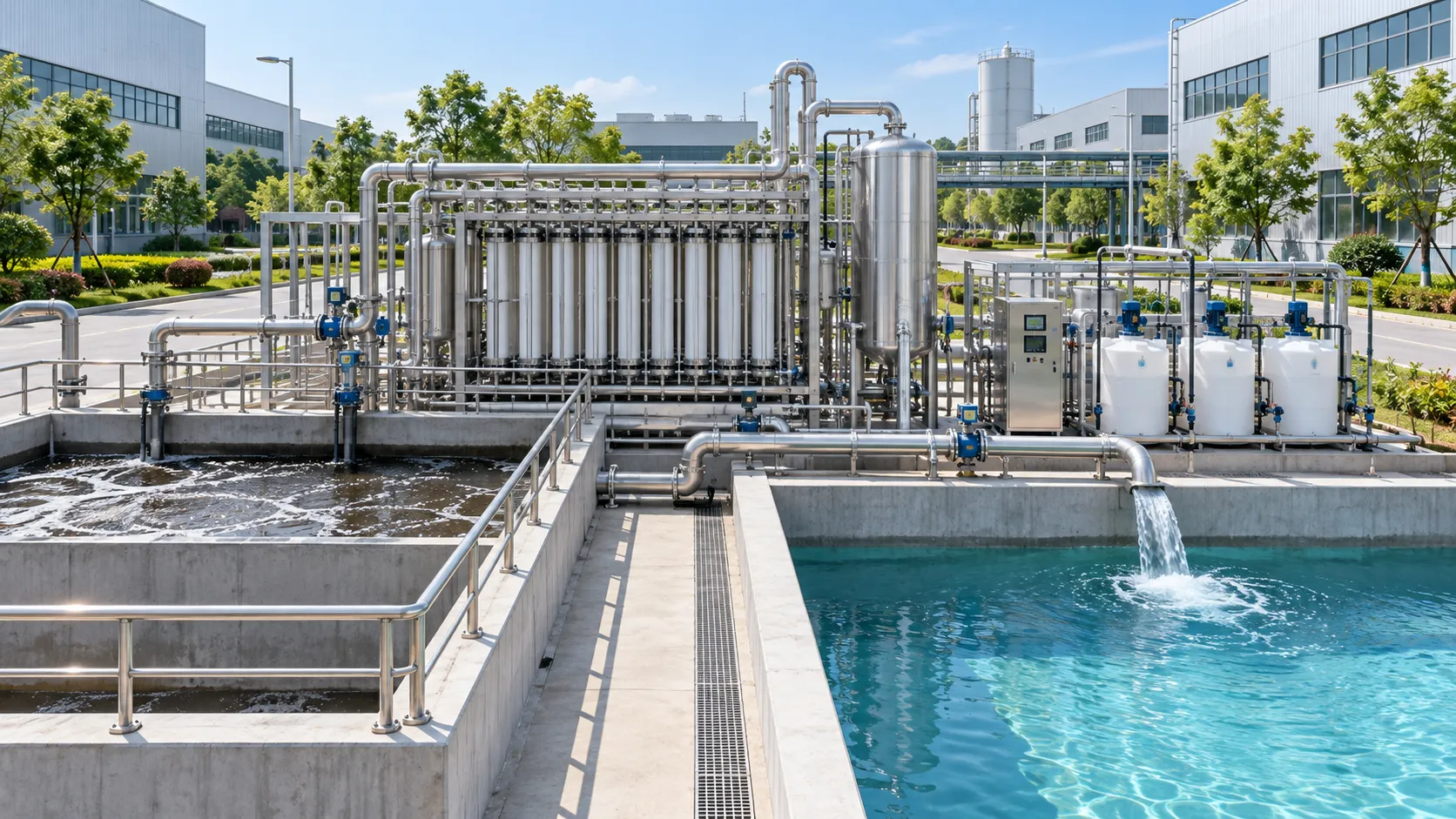
Comparing Upgrade Costs for Industrial Park Wastewater Treatment Systems
Compare costs for wastewater system upgrades in industrial parks with a lifecycle view of CAPEX, OPEX, compliance, resilience, and future expansion.
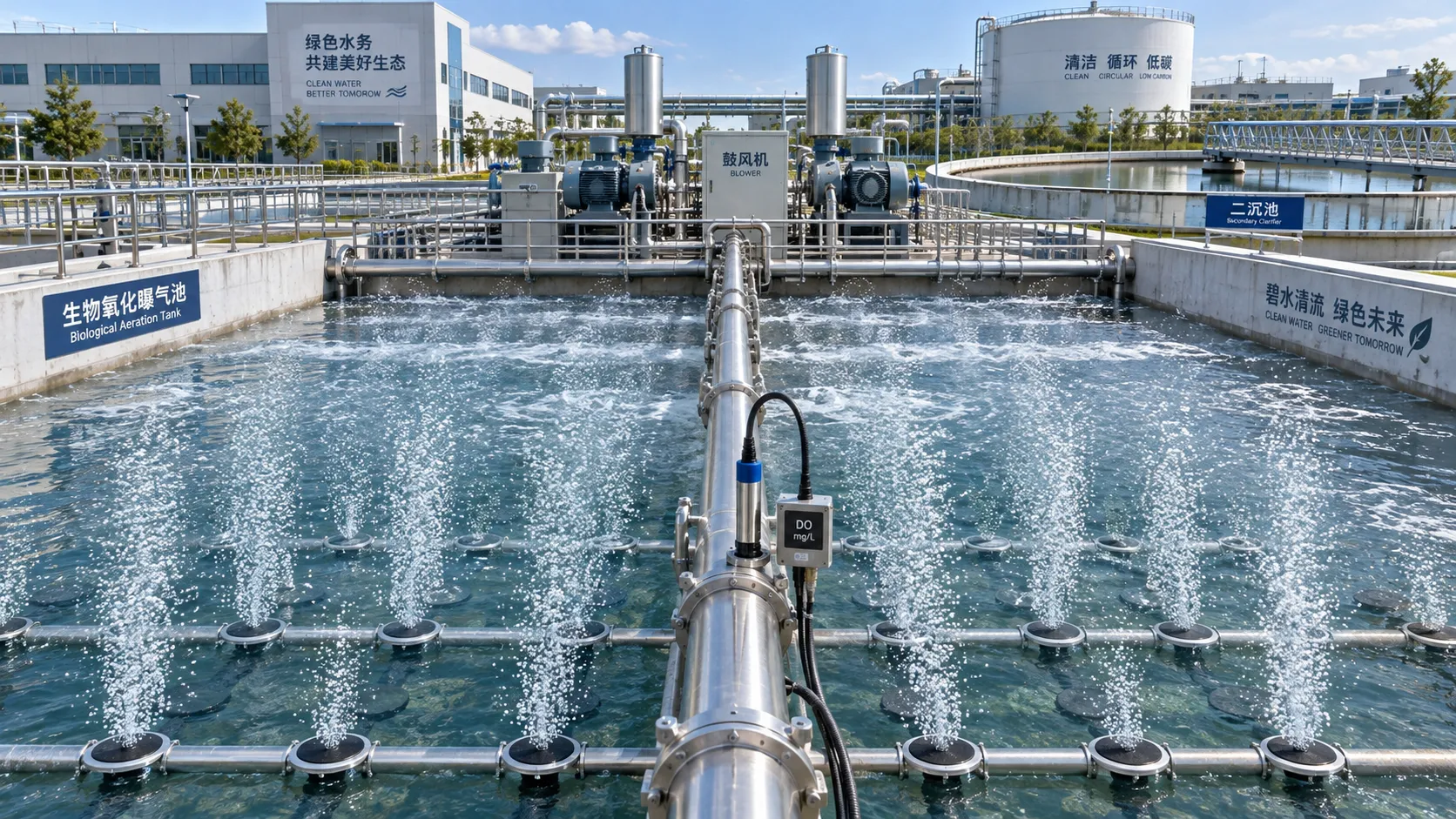
Biological Wastewater Oxidation Explained: Aeration Demand and Process Control
Biological wastewater oxidation explained: optimize aeration demand, DO control, nitrification, and sludge age for stable effluent quality and lower energy costs.
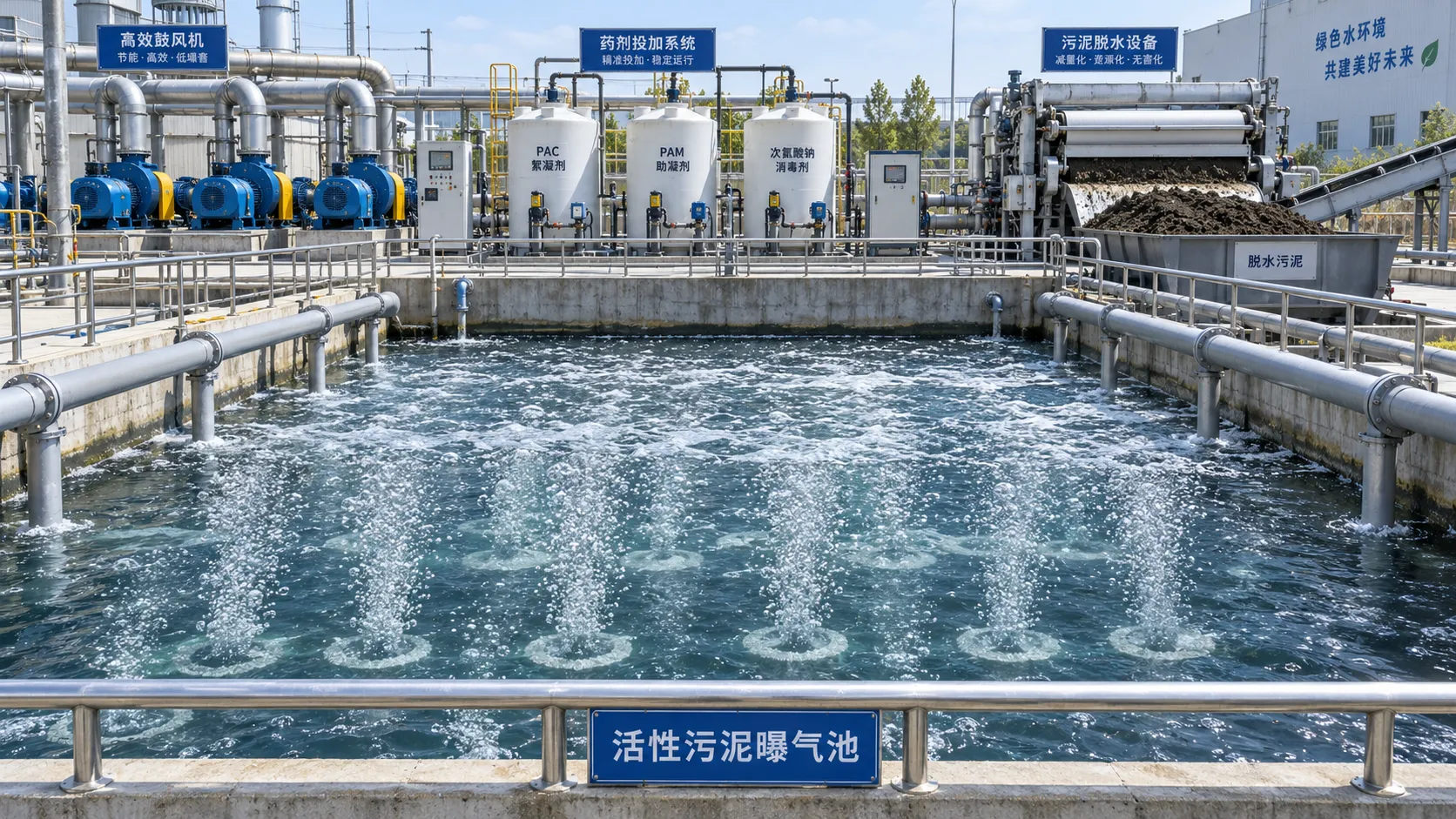
Activated Sludge Cost: Budgeting Energy, Chemicals, Sludge, and Labor
Activated sludge cost explained: compare energy, chemicals, sludge disposal, labor, and compliance risks to build a reliable lifecycle budget.