
Industry News
Curation by industry experts
Hot Articles
Popular Tags
Water Treatment System Selection: Key Factors Before You Buy
Why water treatment system selection matters before signing any PO
Choosing a water treatment system is rarely just about equipment price. In most projects, the bigger cost sits in energy use, membrane replacement, chemical dosing, downtime, sludge handling, and compliance risk.
That is why water treatment selection should start with operating reality, not brochure claims. A lower-capex skid can become the most expensive option once scaling, fouling, and discharge penalties appear.
For complex industrial and municipal projects, ESD’s sector intelligence approach is useful because it connects process performance, environmental regulation, and long-term asset reliability in one decision frame.
This matters even more where water treatment links with desalination, resource recovery, ZLD, or high-risk waste streams. In those cases, one weak selection decision can affect the entire environmental chain.
Start with these eight practical checkpoints
- Confirm influent variability, not only average values. Seasonal shifts in TDS, COD, hardness, oil, or suspended solids often decide whether a water treatment system stays stable or fails early.
- Match treatment capacity to peak flow, maintenance windows, and future expansion. A system sized only for current average demand usually creates bottlenecks, bypass risk, or expensive retrofits.
- Check discharge and reuse targets line by line. Water treatment performance must align with local permits, internal reuse standards, and any future move toward ZLD.
- Compare lifecycle cost instead of headline price. Include power, chemicals, consumables, labor, membrane replacement, sludge disposal, spare parts, and shutdown losses in every quote review.
- Review pretreatment strength carefully. In many water treatment projects, pretreatment quality determines membrane life, cleaning frequency, energy demand, and downstream process stability.
- Verify automation and data visibility. A modern water treatment system should provide alarms, trend logs, remote diagnostics, and performance reporting that support compliance and operational decisions.
- Assess vendor service depth, not sales speed. Commissioning support, operator training, response time, and spare-part availability often matter more than fast delivery promises.
- Stress-test the design against regulation changes. Water treatment assets often run for years, so tighter discharge rules or carbon-related reporting can reshape true project economics.
The first filter: know your water, not just your target
Many buying mistakes begin with incomplete water data. A single lab report is not enough if the feedwater changes by shift, season, upstream process, or rainfall event.
A reliable water treatment decision should look at pH, conductivity, turbidity, silica, hardness, COD, BOD, metals, oil, microbiology, and temperature. Each factor can change process choice.
For example, high silica may push a project toward stronger pretreatment and stricter recovery limits. Oil and grease can quickly damage membranes if DAF or media filtration is undersized.
In municipal reuse or industrial recycling, the target also matters. Boiler feed, cooling tower makeup, process wash water, and discharge compliance each require a different water treatment strategy.
A quick comparison table for early screening
Technology fit changes by application
There is no universal best water treatment system. The right answer depends on feedwater complexity, recovery goals, footprint, operator capability, and downstream risk tolerance.
Conventional clarification and filtration may work for basic suspended solids removal. But reuse, desalination, and high-purity applications often need UF, RO, ion exchange, EDI, evaporation, or hybrid trains.
ESD often highlights this systems view across large treatment plants, desalination lines, and closed-loop recovery projects. That perspective is helpful because the best unit operation is not always the best total solution.
Three situations where the selection logic shifts
In high-concentration industrial wastewater, the water treatment decision should focus on fouling risk, concentrate management, and compatibility with ZLD planning. Recovery rate alone can be a misleading KPI.
In seawater desalination, pretreatment reliability and energy efficiency become central. SWRO membrane performance may look strong on paper, but unstable intake conditions can erase that advantage quickly.
In municipal reuse, operator simplicity and compliance reporting matter more than flashy process complexity. A robust water treatment system with predictable maintenance often wins over a technically elegant but fragile design.
Cost control means looking beyond equipment quotes
The fastest way to misread a water treatment purchase is to compare vendors only on initial price. That usually ignores the costs that stay with the asset for years.
A better method is to model total cost across five to ten years. This should include utilities, reagents, consumables, clean-in-place frequency, labor intensity, spare inventory, sludge, and downtime exposure.
Energy deserves special attention. In RO, desalination, and thermal concentration projects, electricity can dominate the long-term cost profile. Small efficiency gains can outweigh a cheaper purchase price.
- Ask every supplier for guaranteed operating assumptions. If power use, chemical dose, membrane life, and cleaning intervals are missing, the water treatment quote is not yet decision-ready.
- Check waste handling cost early. Brine, sludge, spent resin, filter media, and hazardous residues can materially change project economics, especially in stricter environmental jurisdictions.
- Review redundancy against shutdown cost. A slightly higher investment in standby pumps, trains, or controls can protect production far better than a minimum-cost configuration.
- Measure footprint and civil impact. Some water treatment technologies look affordable until building modifications, drainage changes, or utility upgrades are added to the project budget.
Compliance, carbon pressure, and future-proofing now affect selection
Water treatment buying decisions are increasingly shaped by regulation, not only by process need. Discharge permits, water reuse targets, sludge rules, and carbon reporting can all reshape technology value.
This is where ESD’s intelligence angle becomes especially relevant. Tracking environmental policy shifts, including broader trade and carbon mechanisms such as CBAM, helps prevent short-term decisions that age badly.
If a site may move toward reuse, discharge tightening, or lower-carbon operations, the water treatment system should be screened for upgrade paths now. Retrofitting later is usually slower and more expensive.
Common oversights that create expensive surprises
One common oversight is choosing a process with no realistic concentrate or sludge outlet. Another is ignoring digital reporting needs until environmental audits begin.
A third is underestimating operator skill requirements. If the plant team cannot maintain stable dosing, CIP routines, or instrumentation calibration, even a strong water treatment design can drift out of spec.
How to compare suppliers without getting lost in sales language
The cleanest way to compare water treatment suppliers is to force alignment on the same input assumptions. Different recovery rates, feedwater ranges, and guarantee boundaries make quotes look comparable when they are not.
Ask for process flow diagrams, equipment lists, utility balances, exclusion notes, and guaranteed output quality. Then check what happens during upset conditions, not just under ideal operation.
Reference projects also matter, but only if they are similar in chemistry, scale, and operating pattern. A successful municipal plant does not automatically prove fitness for high-COD industrial water treatment.
- Request a deviation sheet from every bidder. It makes hidden scope gaps visible and helps prevent late-stage claims around utilities, automation, tanks, or installation responsibility.
- Score maintainability as seriously as performance. Easy access, standard parts, local service, and clear manuals often reduce risk more than small theoretical efficiency gains.
- Use pilot data when chemistry is uncertain. For difficult water treatment applications, bench or pilot validation can prevent oversized promises and undersized process protection.
- Check control philosophy in detail. Alarm strategy, remote support, trend visibility, and interlocks directly affect uptime, troubleshooting speed, and audit readiness.
A practical next step for a smarter water treatment decision
Before moving forward, build a short decision file. Include influent range data, required output quality, peak and average flow, utility cost, discharge path, footprint limits, and service expectations.
Then compare each water treatment option against the same framework: technical fit, lifecycle cost, compliance resilience, and operational simplicity. That step alone filters out many attractive but risky proposals.
In sectors where water treatment connects with desalination, waste recovery, or strict environmental governance, broader intelligence is not a luxury. It is part of sound buying discipline.
The best purchase is usually not the cheapest unit. It is the water treatment system that keeps performance stable, cost visible, and compliance secure long after installation is complete.
Recommended News
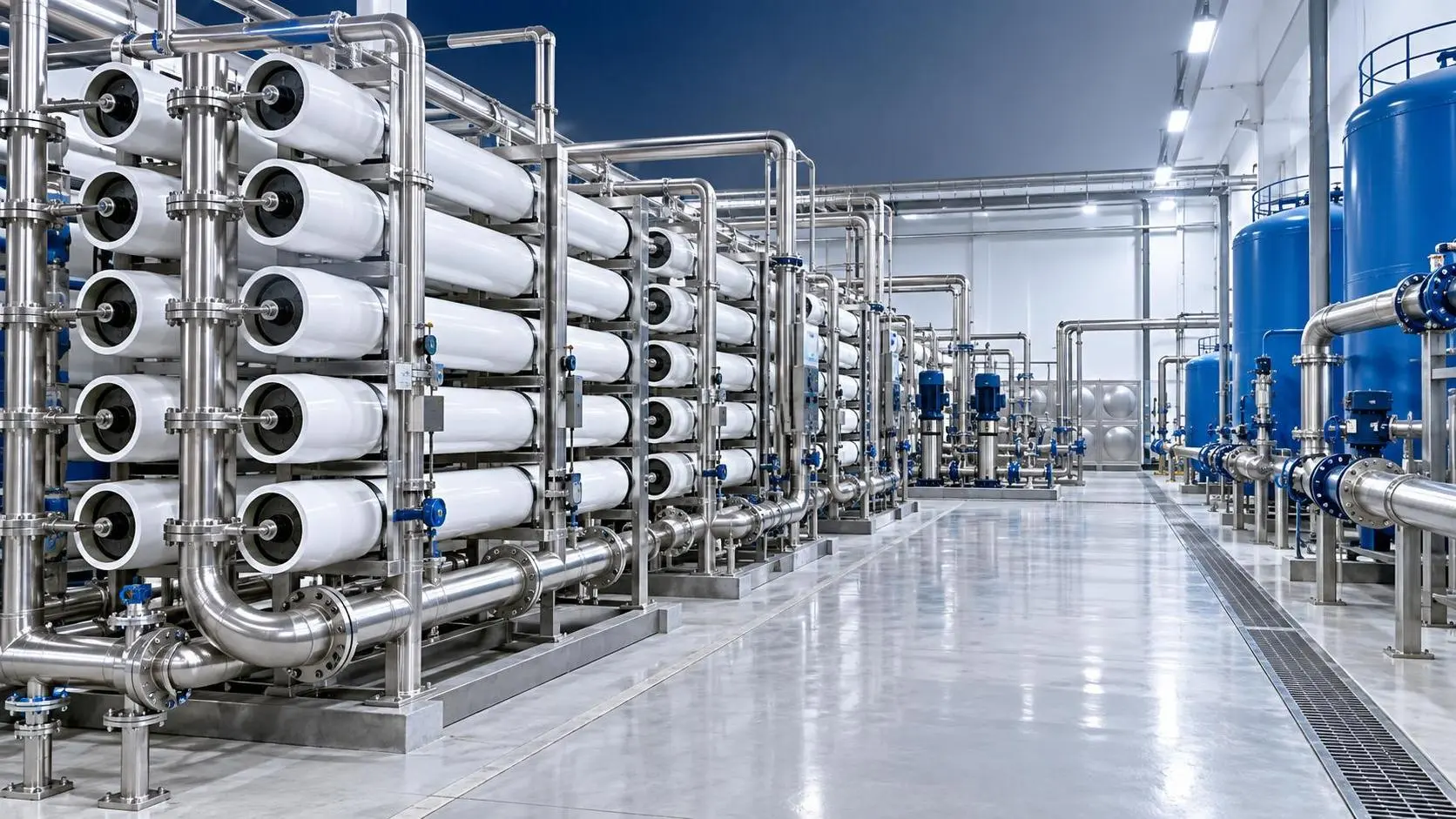
When high flux membrane water treatment justifies a larger footprint
High flux membrane water treatment can justify a larger footprint when variable feedwater, fouling risk, and uptime demands require resilient, lower-flux operation.
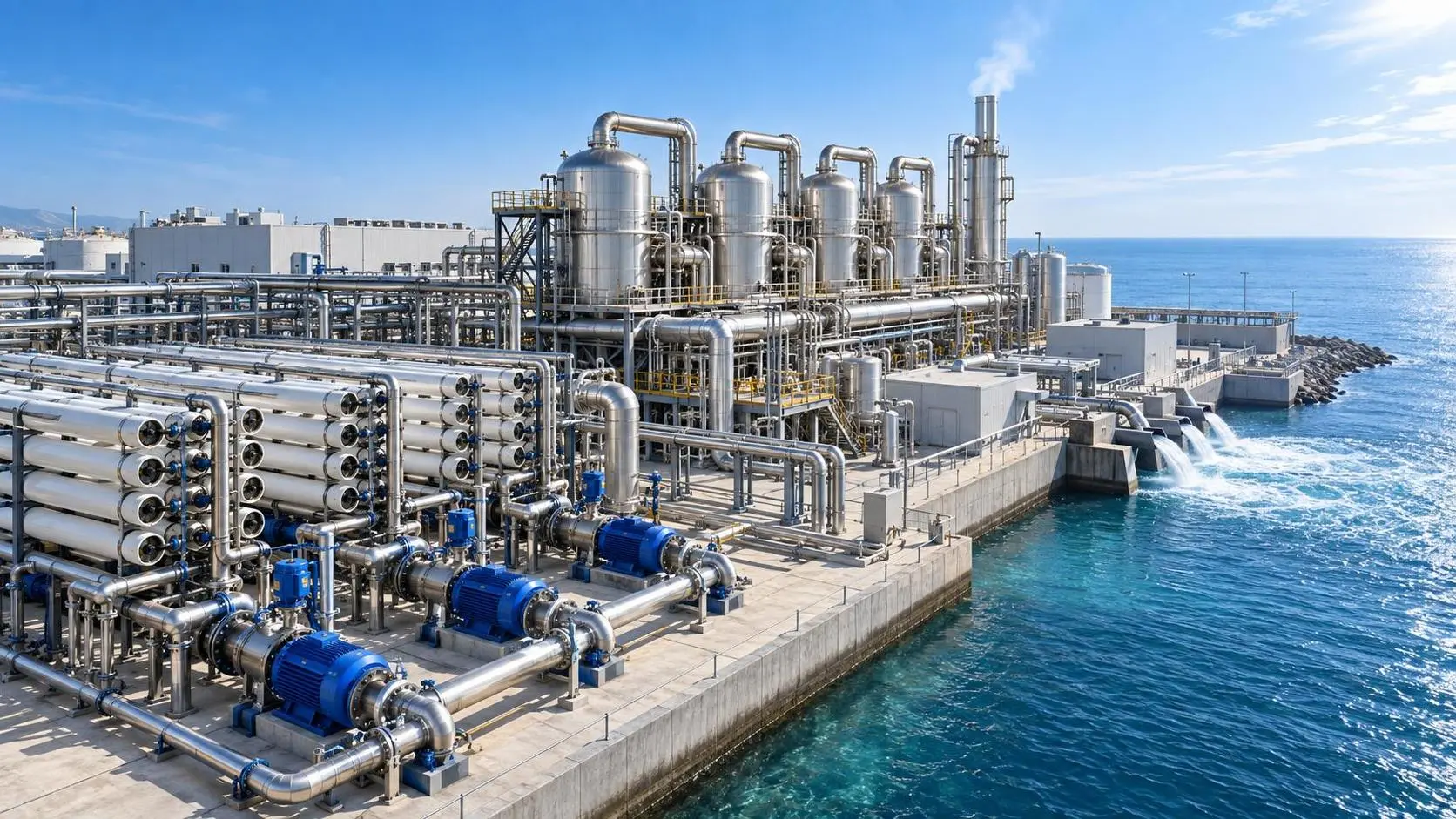
RO vs MED desalination: which is more energy-efficient at scale?
Desalination technology comparison: RO vs MED at scale. See how energy use, waste heat, feedwater, carbon, and flexibility determine the best choice.
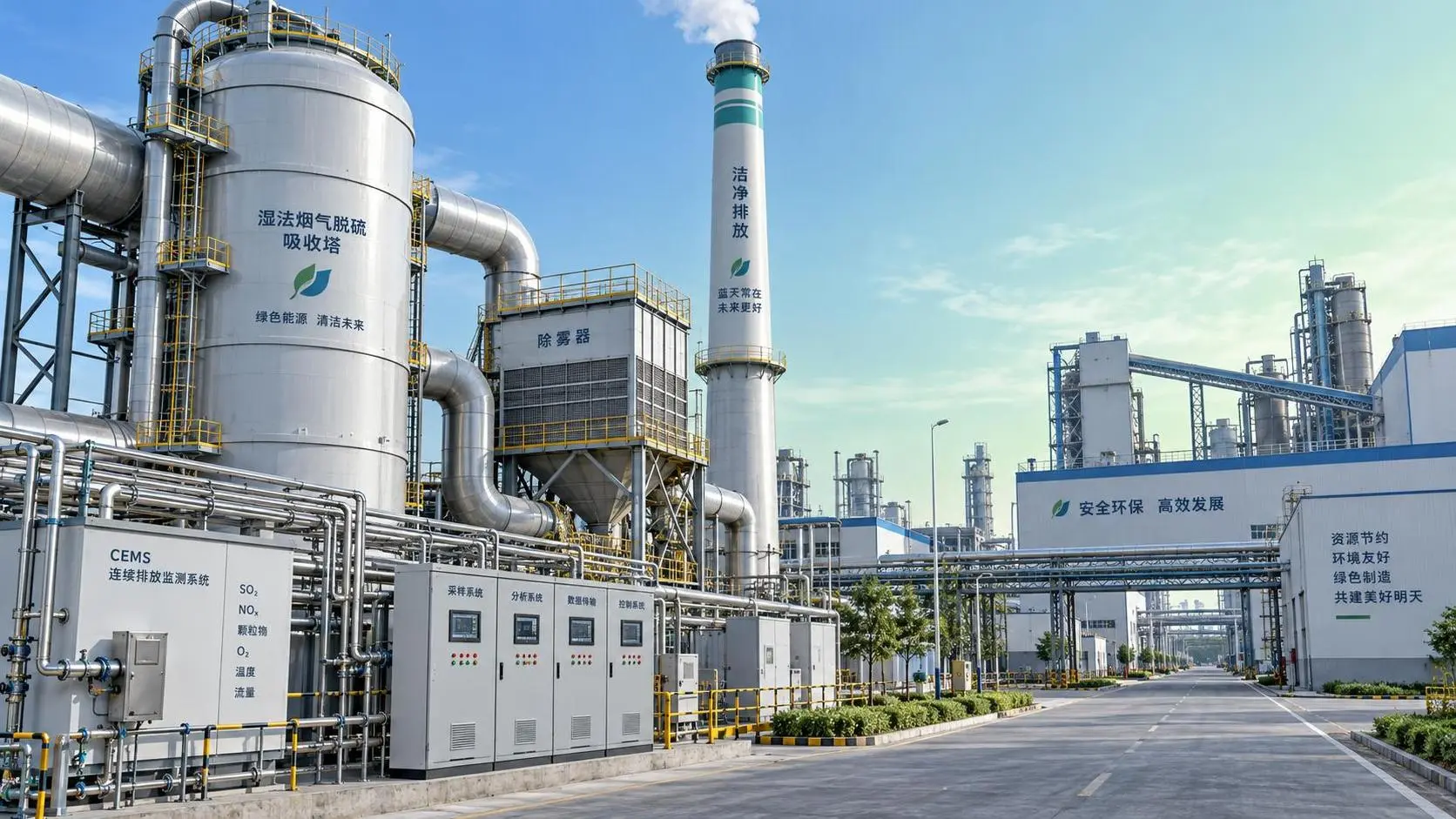
Which ISO standards apply to flue gas treatment systems?
Flue gas treatment systems ISO standards: explore key requirements for emissions testing, CEMS, safety, fabrication, corrosion control, and compliant project evaluation.

When corrosion resistant purification systems are needed for brine treatment
Corrosion resistant purification systems for brine treatment: assess chloride, heat, scaling, materials, and lifecycle reliability for demanding water projects.

How preventive maintenance reduces seawater desalination equipment downtime
Seawater desalination equipment maintenance reduces downtime through proactive monitoring, pretreatment protection, and planned repairs. Explore practical strategies for reliable RO performance.
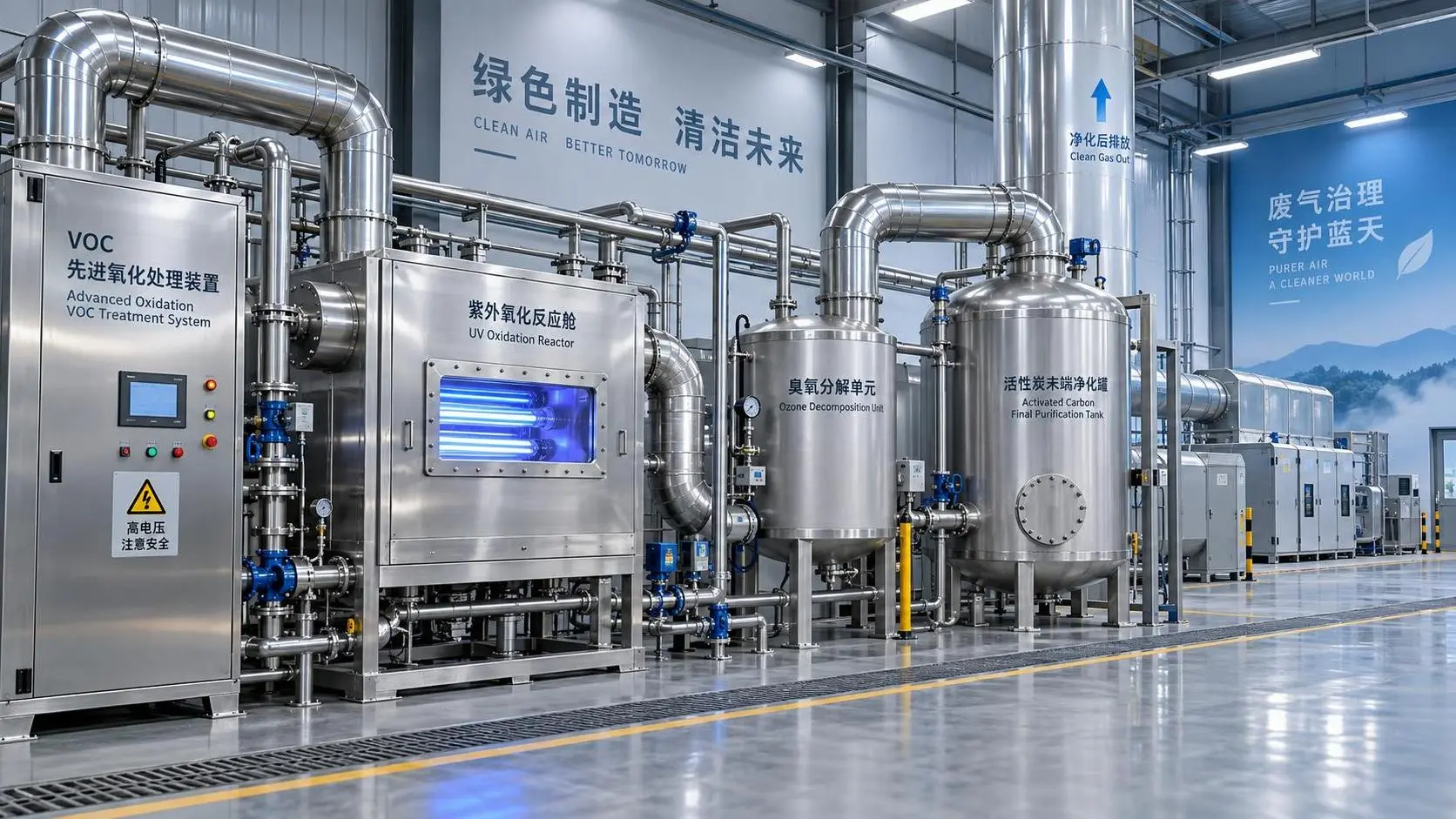
When are advanced oxidation processes the right choice for VOC control?
Advanced oxidation processes for VOC control: learn when AOPs outperform conventional options, manage by-products, and achieve reliable compliance.
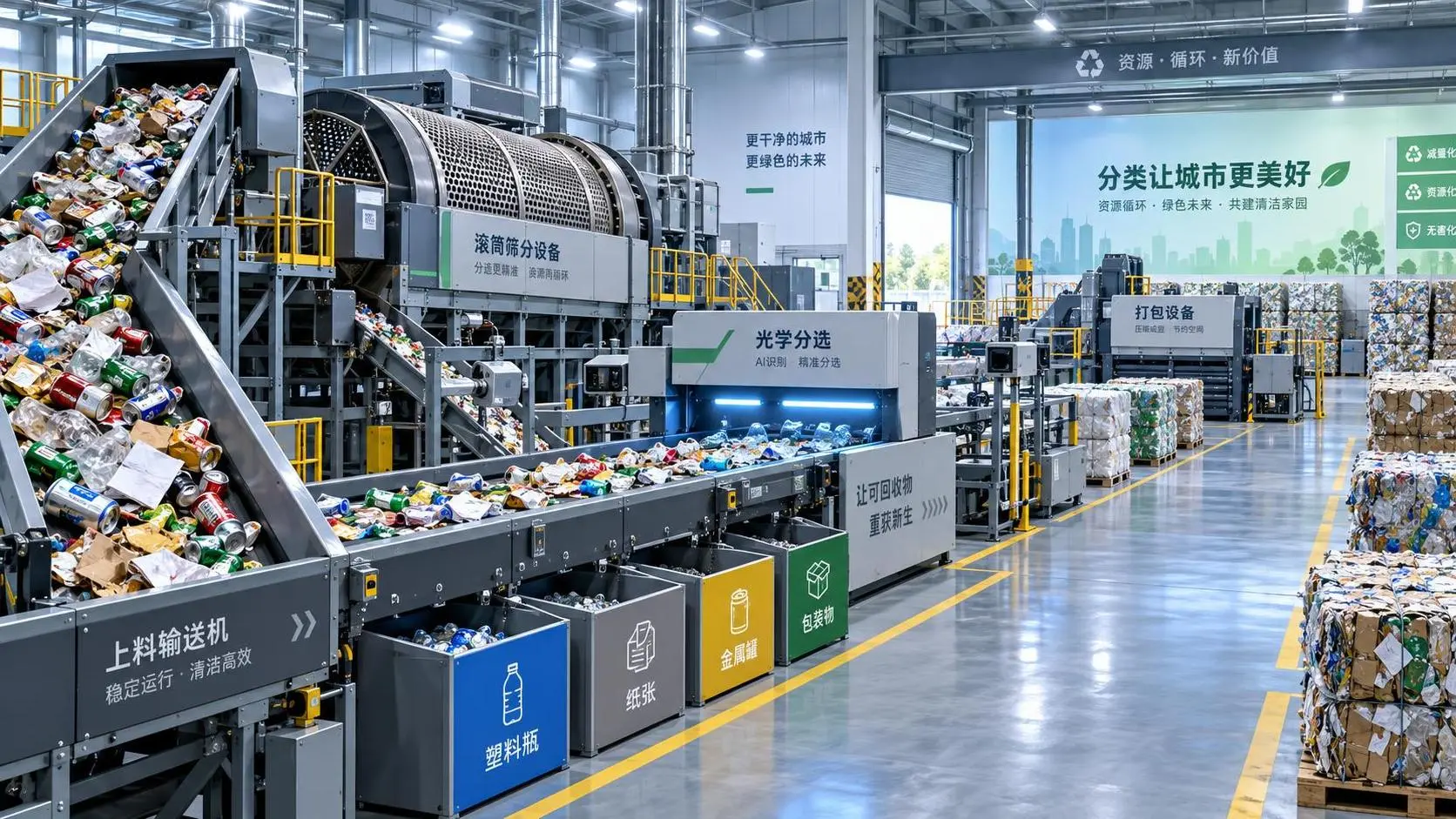
What throughput should municipal waste sorting equipment deliver?
Waste sorting equipment for municipal waste: learn how to set reliable throughput based on peak loads, material quality, uptime, and recovery targets.
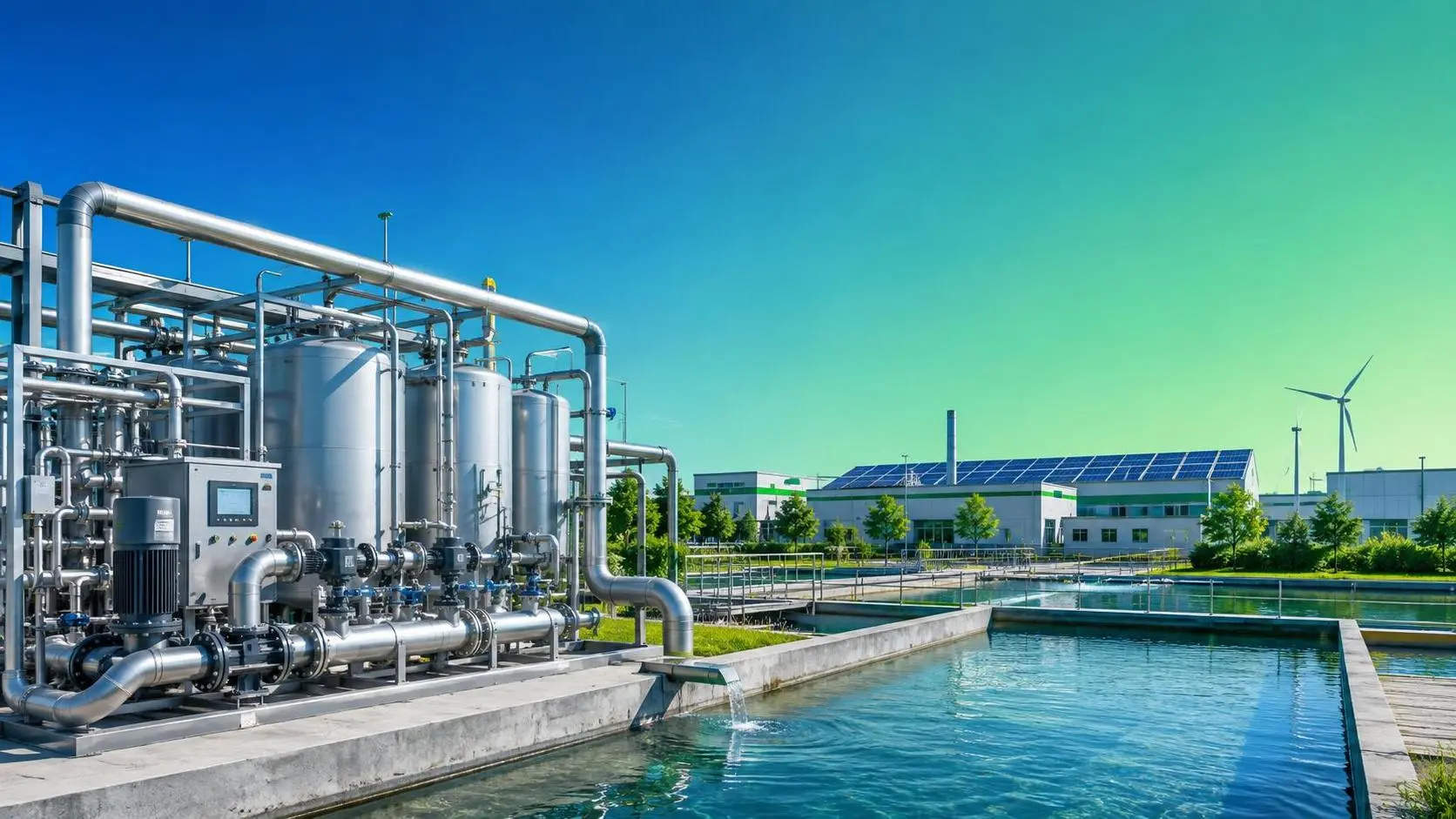
What carbon neutrality means for corporate investment decisions
Carbon neutrality is transforming corporate investment decisions. Explore how lifecycle economics, efficiency, compliance, and resilience can drive measurable returns and lasting advantage.
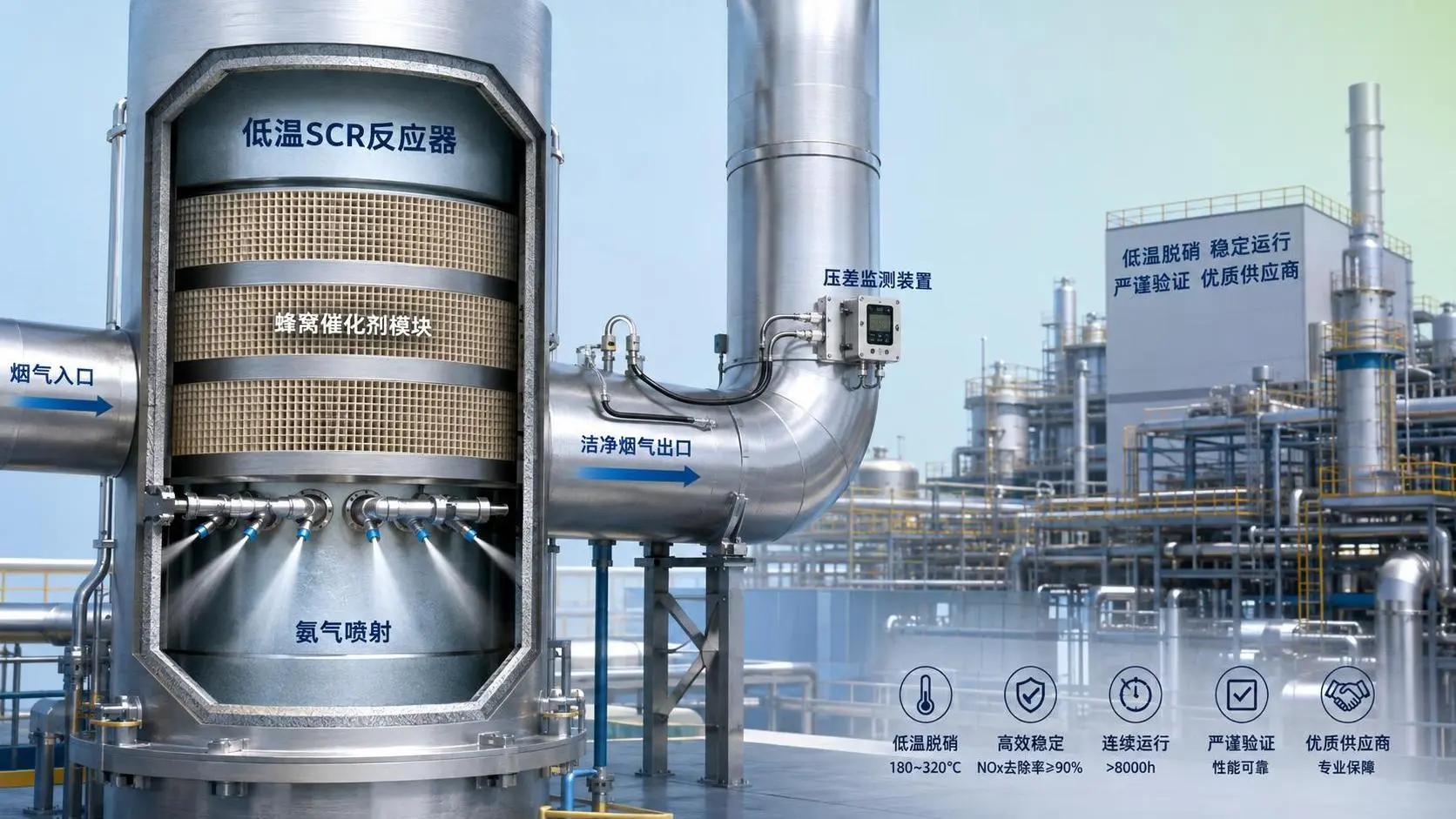
What to verify before choosing a low temperature SCR supplier
Low temperature SCR supplier checklist: verify catalyst temperature range, sulfur resistance, ammonia slip, pressure drop, lifecycle cost, and support before award.