
Industry News
Curation by industry experts
Hot Articles
Popular Tags
Waste Vitrification: Cost, Stability, and Disposal Trade-Offs
Waste Vitrification: Cost, Stability, and Disposal Trade-Offs
For high-risk waste streams, disposal choices shape cost, compliance, and liability for decades.
That is why waste vitrification keeps coming up in strategic procurement reviews.
It turns unstable residues into a glass-like solid through high-temperature melting.
The appeal is clear: lower leaching risk, stronger long-term containment, and better regulatory confidence.
The challenge is just as clear: high capital cost, heavy energy demand, and strict process control.
In practice, the best decision depends on waste chemistry, disposal route, and total lifecycle economics.
Why Waste Vitrification Draws Procurement Attention
Waste vitrification is not a generic treatment option.
It is usually considered when conventional stabilization leaves too much long-term uncertainty.
This is common in hazardous ash, heavy-metal sludge, mixed inorganic residues, and radioactive waste.
From a procurement view, the attraction is not only treatment.
It is risk transfer across the entire disposal chain.
A vitrified waste form is dense, durable, and less reactive than many cemented or untreated residues.
That can simplify storage design, transport planning, and final repository acceptance.
More importantly, it can reduce future remediation exposure if regulations tighten later.
The Cost Reality Behind Waste Vitrification
The first barrier is capital intensity.
A waste vitrification system needs melting technology, feed preparation, off-gas treatment, and robust control systems.
Facilities also need refractory design, corrosion management, and secondary waste handling.
That means the initial investment often exceeds simpler solidification methods.
Operating cost can also be substantial.
Energy use is significant, especially for difficult feed compositions and moisture-heavy materials.
Consumables, maintenance downtime, and skilled staffing also matter more than buyers often expect.
Still, judging waste vitrification by treatment cost alone creates a distorted picture.
The better metric is cost per compliant ton across the full disposal lifecycle.
That includes packaging, transport, storage, monitoring, and post-closure liability.
In some cases, waste vitrification becomes competitive because it prevents more expensive downstream controls.
Key Cost Drivers to Compare
- Waste composition variability and pretreatment needs.
- Melter throughput, availability, and refractory life.
- Electricity or fuel pricing in the project region.
- Off-gas treatment complexity and air compliance standards.
- Final disposal fees by waste class and container type.
- Long-term monitoring and contingent environmental liability.
Stability: Where Waste Vitrification Often Wins
The strongest argument for waste vitrification is waste form performance.
A well-produced glass matrix can lock contaminants into a stable structure.
This usually improves leach resistance compared with untreated residues and many alternative binders.
That difference matters most when disposal conditions are uncertain over decades.
It also matters when contaminants include radionuclides, toxic metals, or persistent inorganic compounds.
However, stability is not automatic.
Waste vitrification performs well only when feed chemistry, melting profile, and glass formulation are tightly controlled.
Poor process tuning can create phase separation, volatility losses, or lower-than-expected durability.
So buyers should evaluate not just technology type, but demonstrated performance on similar waste streams.
What to Ask Vendors About Stability
- Leach test history under relevant regulatory protocols.
- Glass composition tolerance for feed variability.
- Volatile contaminant capture efficiency in off-gas systems.
- Evidence of long-duration melter reliability.
- Secondary waste generation per treated ton.
Volume Reduction and Disposal Implications
Waste vitrification can improve disposal economics through volume reduction.
That benefit is especially valuable where disposal capacity is scarce or heavily regulated.
Less final volume can mean fewer containers, lower transport demand, and smaller repository footprints.
But the actual reduction varies widely by feed material.
Ash and sludge with high inert content may behave very differently from concentrated hazardous salts.
This is where procurement teams need disposal-specific modeling, not generic brochure claims.
Another practical point is classification.
A vitrified product may qualify for a more manageable disposal route, depending on local rules.
If that happens, the savings can outweigh the high treatment cost surprisingly fast.
On the other hand, if disposal classification does not change, the business case may weaken.
Simple Comparison Framework
When Waste Vitrification Makes Strategic Sense
Not every waste stream needs waste vitrification.
For lower-risk materials, simpler stabilization may deliver acceptable compliance at far lower cost.
The strategic case becomes stronger under specific conditions.
- Disposal liability extends across long operating and closure periods.
- Regulators demand exceptional leach resistance or repository performance.
- Disposal capacity is constrained and volume reduction has real value.
- Waste composition creates instability in cement-based treatment routes.
- Corporate risk policy favors durable containment over lowest upfront spend.
A more obvious signal appears when future regulation is moving in one direction only: tighter.
In that environment, waste vitrification can function as a hedge against policy escalation.
That hedge may be expensive now, but cheaper than redesigning a weak disposal strategy later.
How to Evaluate Suppliers Without Overbuying
In actual procurement, overbuying is a common risk.
Some systems are technically impressive but economically misaligned with the waste profile.
A disciplined evaluation process keeps the business case grounded.
- Define the target disposal route before comparing process vendors.
- Test actual waste samples, not only simulated compositions.
- Request guaranteed throughput under feed variability conditions.
- Model full lifecycle cost, including secondary wastes and downtime.
- Check reference projects with similar chemistry and compliance requirements.
- Stress-test energy price exposure and maintenance intervals.
This approach helps separate true waste vitrification value from premium engineering theater.
It also gives internal stakeholders a cleaner path to approve or reject investment.
The Practical Bottom Line
Waste vitrification is rarely the cheapest disposal option at the front end.
But it can be one of the most defensible options over the long term.
Its value comes from stability, potential volume reduction, and lower uncertainty around final disposal performance.
The trade-off is straightforward: higher upfront and operating cost in exchange for stronger containment confidence.
For complex hazardous or radioactive residues, that trade can be entirely rational.
For lower-risk streams, it may be unnecessary.
The smartest buyers treat waste vitrification as a strategic tool, not a default answer.
Start with waste chemistry, disposal classification, and long-term liability exposure.
Then compare technologies against the real cost of compliance over time.
That is usually where the true procurement decision becomes visible.
Recommended News
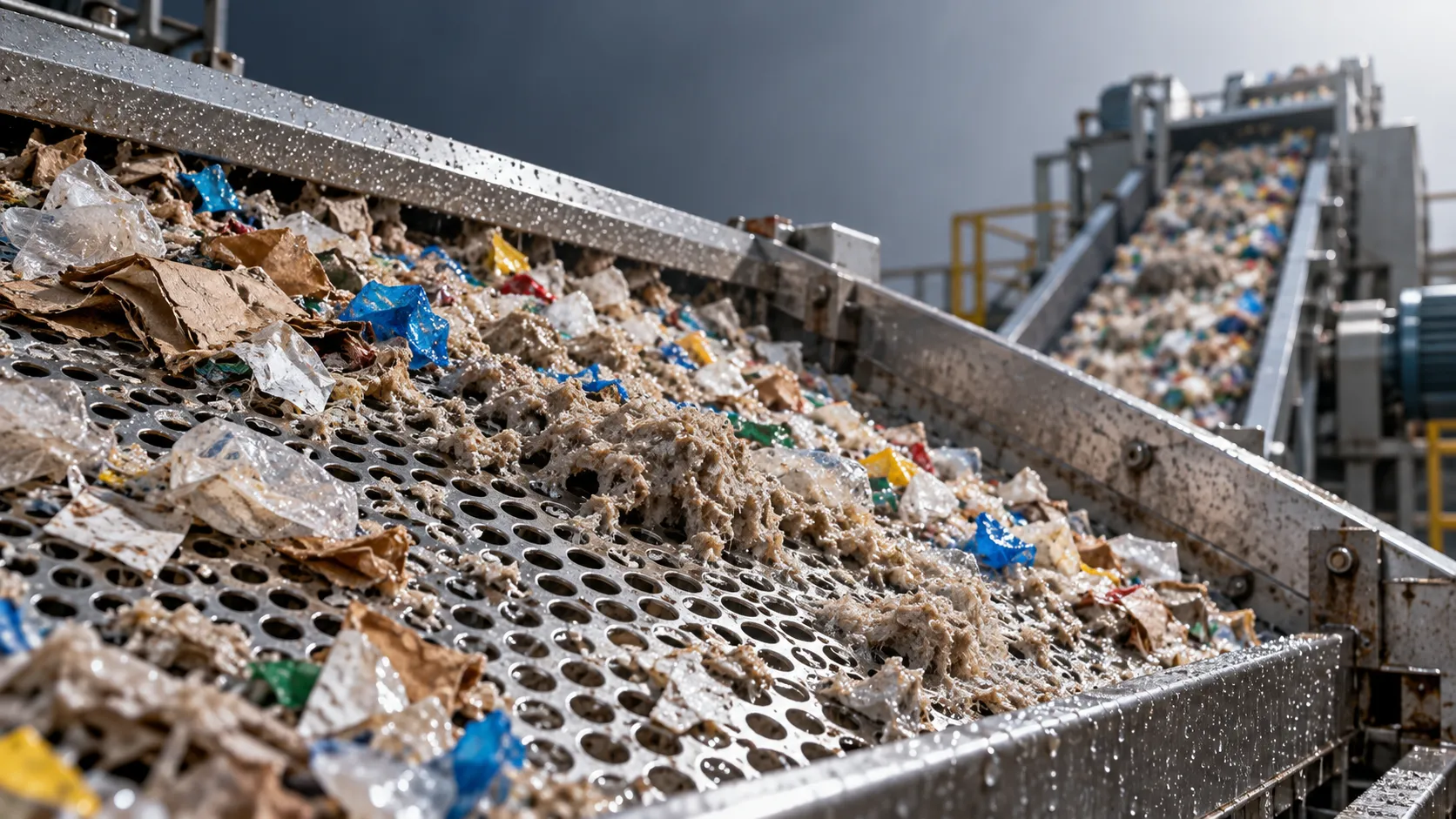
How moisture affects material separation in solid waste recovery
Improve solid waste recovery material separation by understanding moisture effects on screening and sorting. Discover practical ways to boost recovery, purity, and throughput.
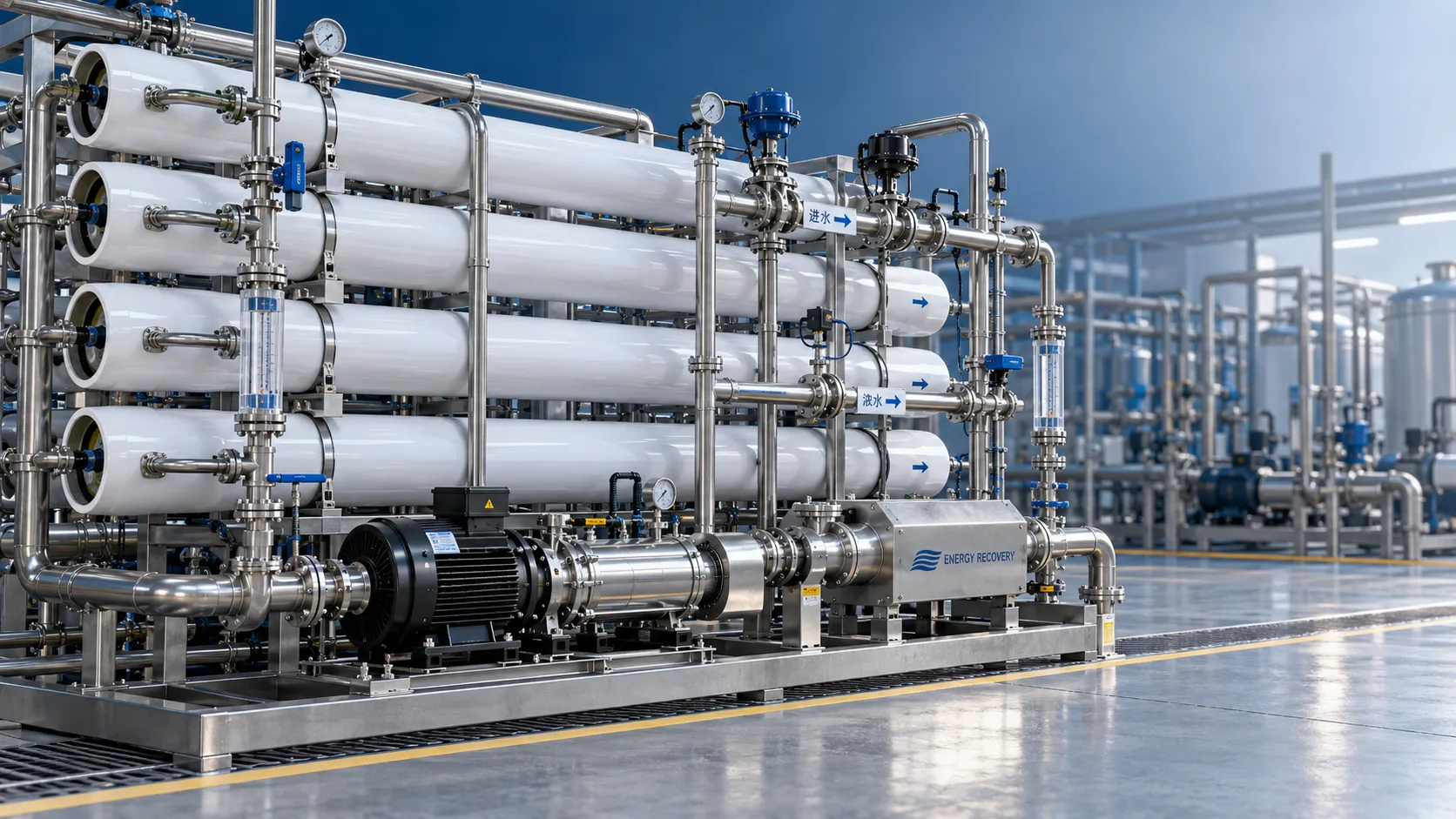
How to set recovery rates in seawater reverse osmosis system design
Explore seawater desalination systems engineering: learn to set SWRO recovery rates that balance energy, scaling risks, and water quality for reliable, cost-effective operation.
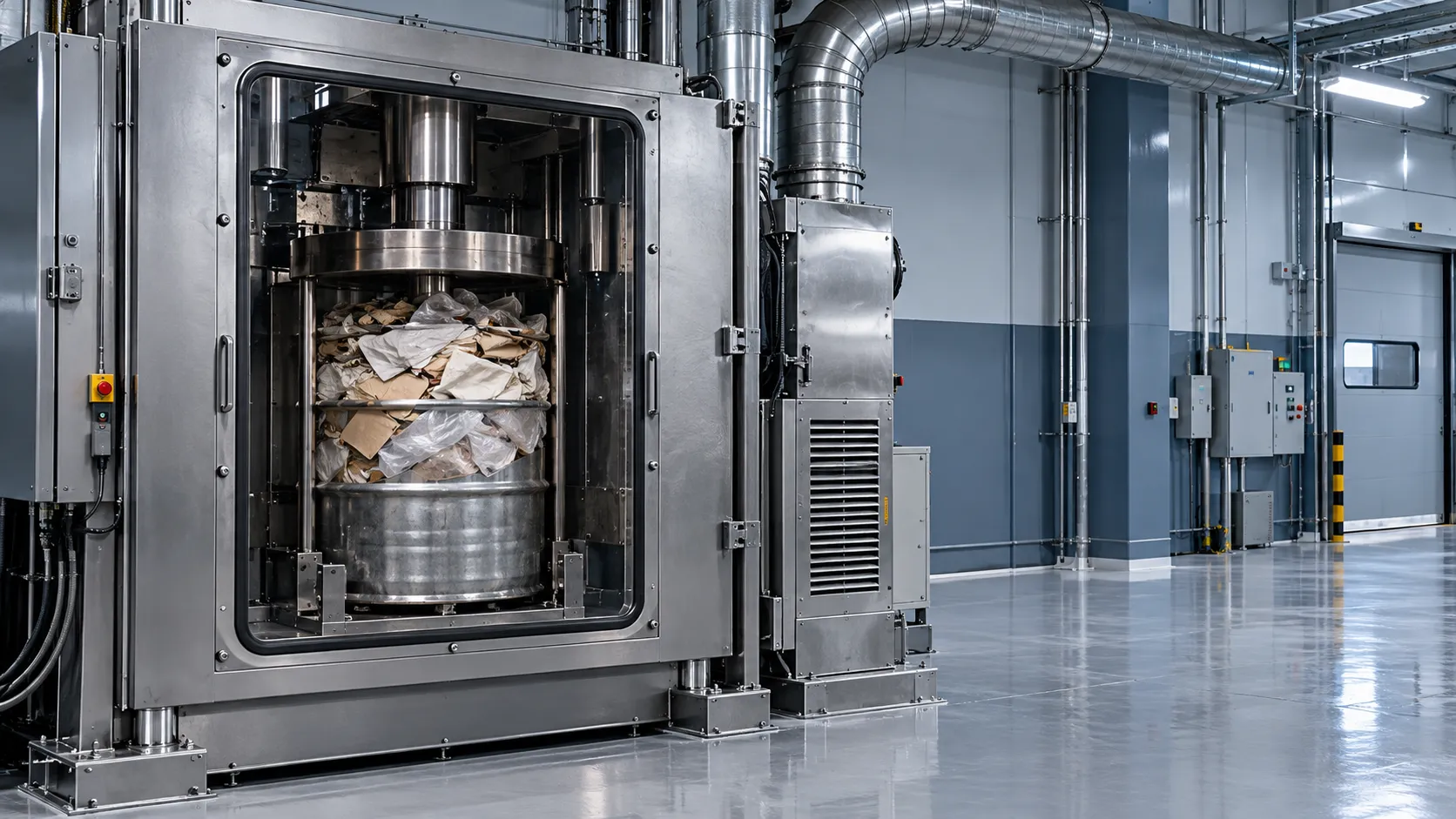
When is compaction suitable for solid nuclear waste treatment?
Is compaction right for solid nuclear waste treatment? Discover suitable waste streams, key safety checks, and disposal requirements to reduce package volume and optimize costs.
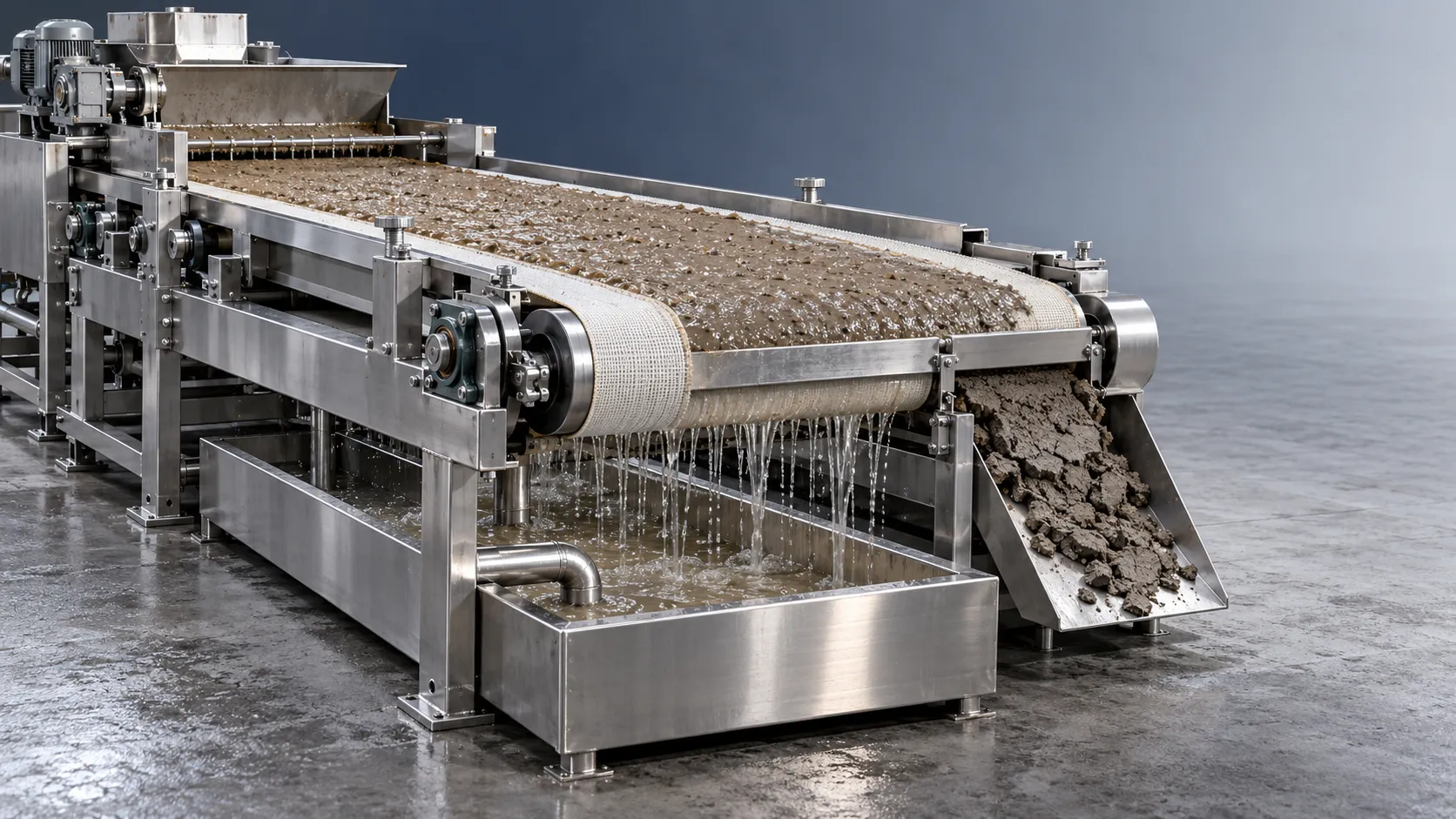
How solids concentration affects dewatering in waste recovery systems
Optimize waste recovery systems dewatering with insights on solids concentration. Learn to balance throughput, cake dryness, and solids capture while avoiding costly equipment overloads.
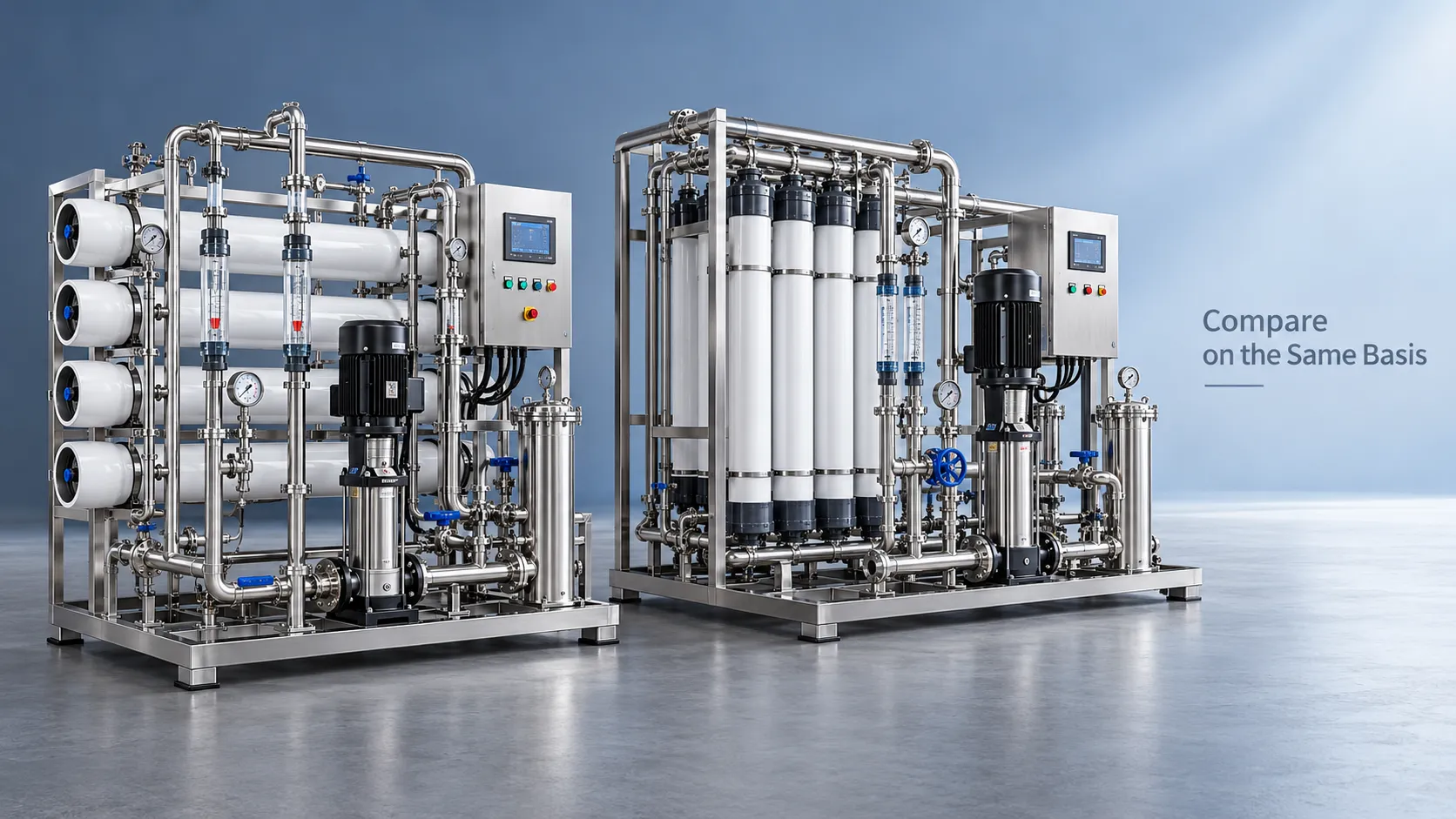
How to compare technical specs in an environmental equipment directory
Use this environmental equipment directory technical guide to compare capacity, energy use, compliance, and supplier evidence. Build a defensible shortlist and choose with confidence.
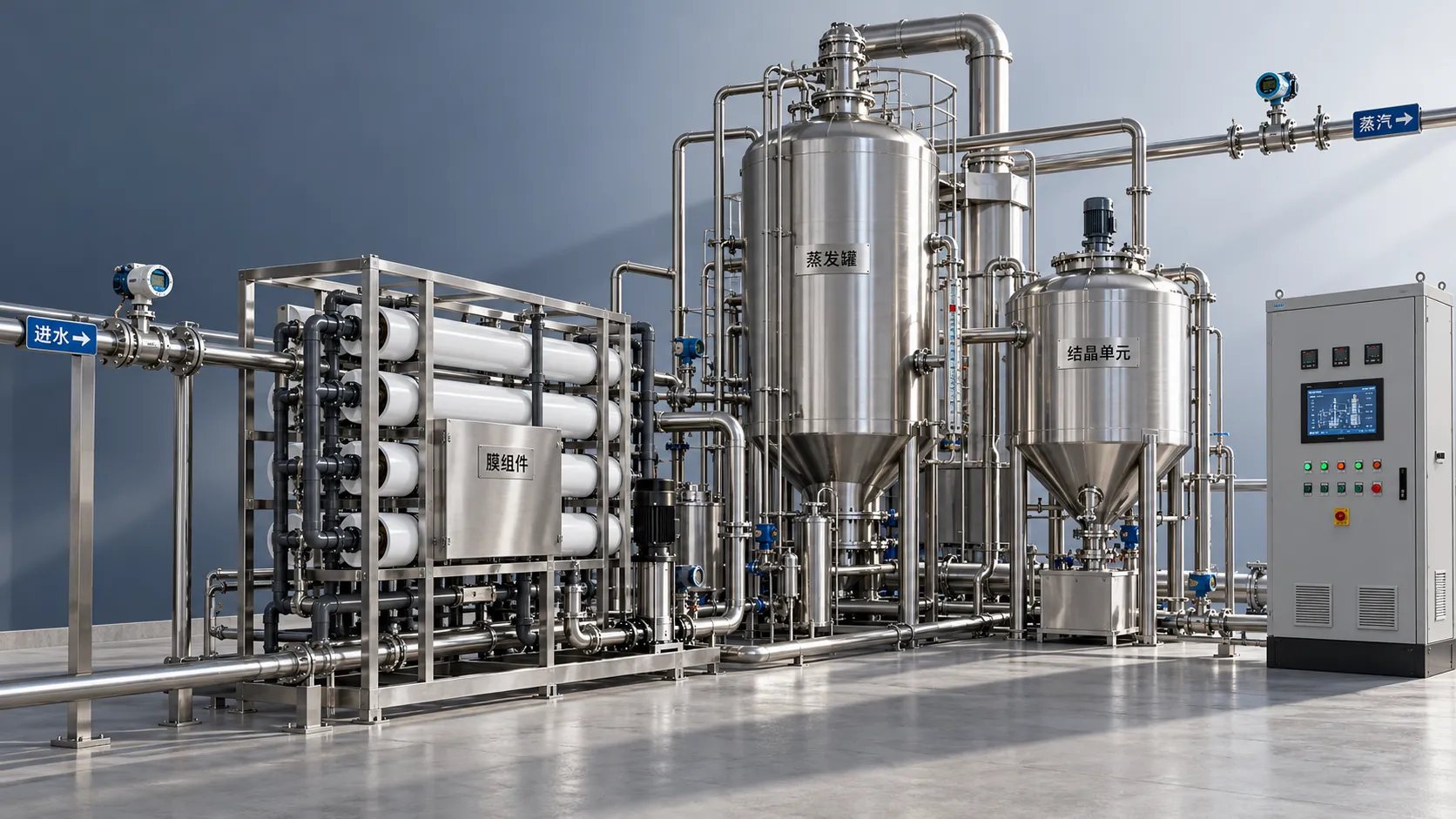
How to assess a zero liquid discharge equipment supplier’s energy claims
Assess a zero liquid discharge equipment supplier’s energy claims. Learn how to verify system boundaries, compare real costs, and demand testable guarantees before you buy.
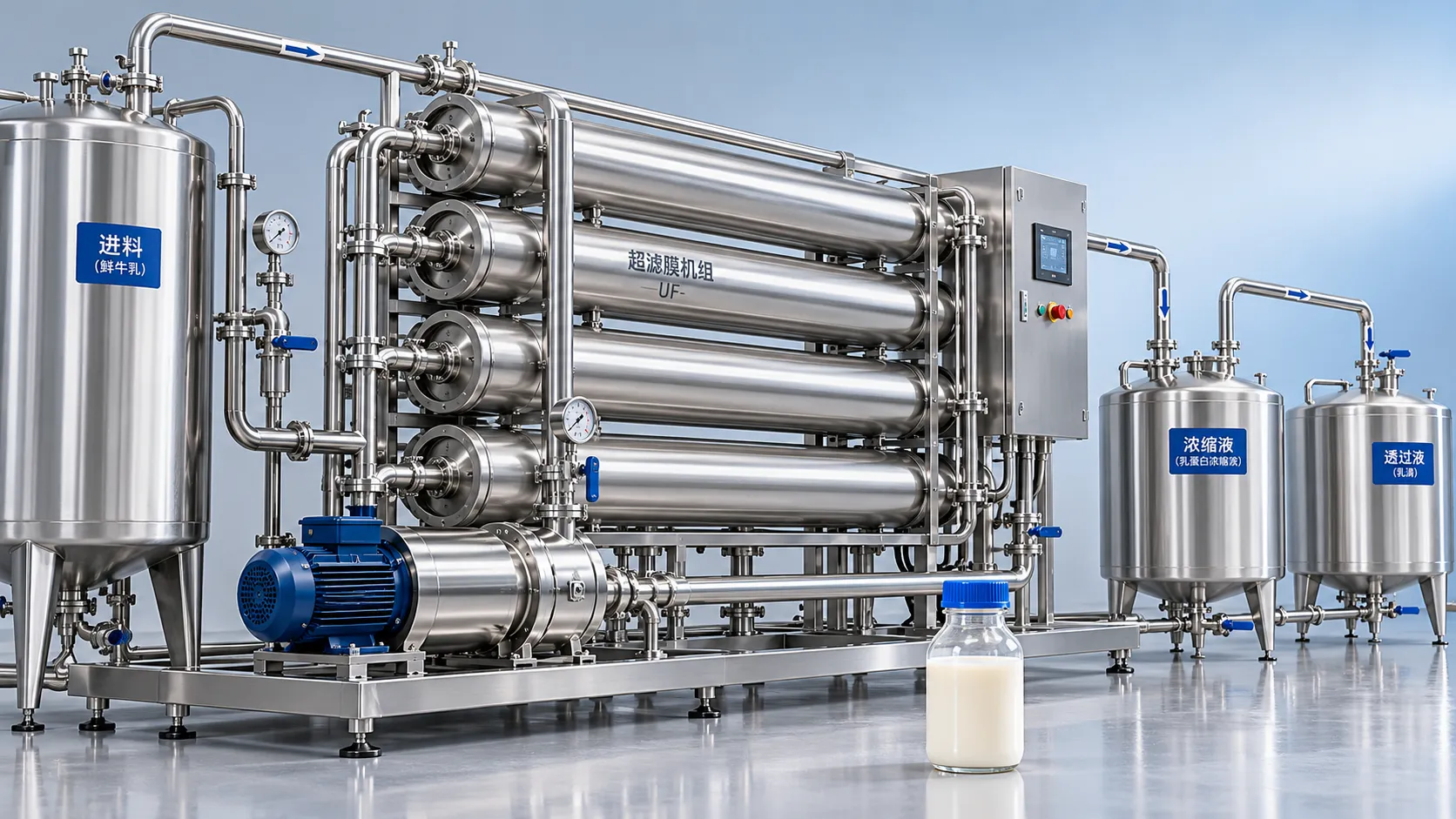
Which membrane filtration process suits dairy protein concentration?
Explore membrane filtration for dairy: compare UF, MF, and RO to select the right process for protein concentration, lactose reduction, and better recovery. Find your best fit.
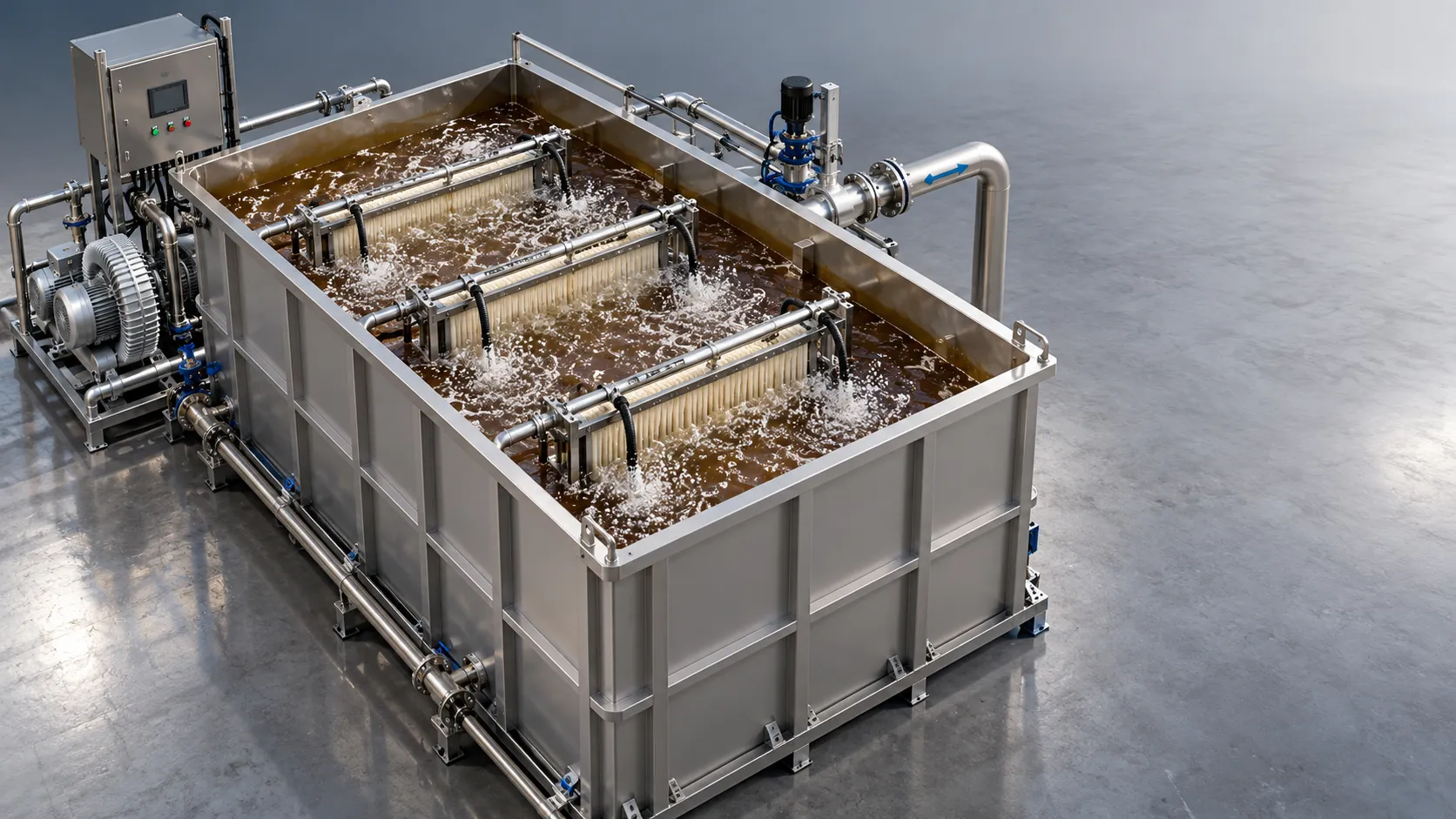
When is an MBR suitable for wastewater purification for bioprocessing?
For wastewater purification for bioprocessing, discover when an MBR fits your needs. Compare water quality, fouling risks, and lifecycle costs before investing.
How to check a water treatment quotation for hidden project costs
Review your water treatment quotation for hidden costs, scope gaps, and operating expenses. Learn what to check before signing to protect your budget and avoid costly surprises.