
Industry News
Curation by industry experts
Hot Articles
Popular Tags
What is driving industrial emission control demand in the Middle East
Before sizing the market, it helps to answer the search intent directly: industrial emission control demand in the Middle East is being driven by a combination of stricter regulation, industrial expansion, export pressure, decarbonization targets, and the operational need to modernize aging assets. For information researchers, the real question is not whether demand exists, but which sectors, pollutants, and procurement pathways are creating the strongest and most durable opportunities.
For this audience, the most useful lens is practical rather than theoretical. They usually want to know which industries are buying, what compliance pressures matter, which technologies are favored, how fast projects are moving, and where risk sits in the sales cycle. Broad sustainability language is less helpful than understanding actual investment triggers and decision criteria.
That is why this article focuses on demand signals by sector, policy, and project logic. It gives more weight to oil and gas, power, cement, metals, and desalination-linked infrastructure, while avoiding generic environmental messaging that does not help market evaluation. The goal is to clarify what is driving industrial emission control Middle East demand and how suppliers, EPCs, and analysts should interpret it.
What is driving industrial emission control demand in the Middle East
Industrial emission control Middle East demand is rising because the region is no longer treating air pollution control as a peripheral utility upgrade. It is becoming part of core industrial strategy, especially in economies that are diversifying, exporting more manufactured output, and upgrading national environmental governance.
Several forces are converging at the same time. Governments are tightening air-quality frameworks, industrial operators are expanding capacity, and large asset owners are under pressure to improve efficiency, reliability, and environmental performance without slowing production. That combination creates sustained demand for flue gas treatment, continuous emissions monitoring, low-NOx combustion systems, sulfur and particulate control, and digital compliance platforms.
In practical terms, buyers are not investing only because of abstract climate commitments. They are investing because emission control now affects licensing, community acceptance, export competitiveness, insurance scrutiny, financing quality, and long-term plant viability. In high-emission sectors, this turns environmental equipment from a discretionary capital line into a strategic operating requirement.
Stricter regulation is becoming a direct market driver
One of the clearest reasons behind market growth is the gradual tightening of environmental regulation across Gulf and wider Middle Eastern economies. The pace differs by country, but the overall direction is clear: more formal standards, stronger monitoring expectations, and greater enforcement around stack emissions, ambient air quality, and industrial permitting.
Historically, some industrial projects in the region operated in a compliance environment that was less demanding than Europe or North America. That gap is narrowing. Environmental authorities are putting more emphasis on sulfur oxides, nitrogen oxides, particulate matter, volatile organic compounds, hazardous air pollutants, and greenhouse gas reporting, especially around large stationary sources.
For suppliers and researchers, the important point is that regulation is no longer only a legal backdrop. It is a purchase trigger. Once operators face tighter permit conditions or mandatory reporting thresholds, they often need system upgrades quickly. This benefits companies that can provide retrofit-ready solutions, monitoring systems, and integrated compliance support rather than standalone hardware only.
Industrial expansion is widening the installed base
The Middle East continues to invest heavily in industrial capacity, and every new heavy asset expands the potential installed base for emission control systems. Petrochemicals, refining, gas processing, power generation, cement, steel, mining, and large utility infrastructure all produce demand for process and end-of-pipe pollution control technologies.
This matters because demand is not limited to replacing old units. It is also coming from greenfield and brownfield expansion. New plants often need to incorporate emission control from the design phase, while older facilities require retrofits to align with revised performance expectations. Both paths create procurement activity, but with different timelines, engineering constraints, and supplier qualifications.
Large national development programs reinforce this trend. As countries pursue industrial localization, energy transition, and infrastructure build-out, they also increase the number of combustion units, process heaters, boilers, kilns, incineration lines, and treatment plants that require air emissions management. That translates into long-term equipment and service demand, not just one-off project spending.
Oil, gas, and petrochemicals remain the biggest anchor sectors
When people analyze industrial emission control Middle East opportunities, oil and gas remains the starting point. The region has one of the world’s largest concentrations of upstream, midstream, refining, and petrochemical assets, many of which operate at massive scale and under rising pressure to reduce flaring, sulfur emissions, combustion-related pollutants, and fugitive releases.
These sectors drive demand for sulfur recovery optimization, tail gas treatment, flare gas recovery, vapor control, selective catalytic reduction, low-NOx burners, thermal oxidizers, and advanced monitoring systems. The opportunity is especially strong where operators are trying to increase throughput while also tightening environmental performance and energy efficiency.
There is another reason this sector matters: procurement standards are often high. National oil companies and major industrial groups tend to require robust engineering, long service life, and documented performance. That favors suppliers with strong references, process integration capability, and the ability to work through EPC channels on complex projects rather than simply selling catalog equipment.
Power generation and industrial utilities are under pressure to modernize
Power plants and industrial utility systems are another major source of demand. Even where energy systems are evolving toward gas, renewables, and cleaner generation portfolios, the region still operates large thermal assets that need better control of NOx, SOx, and particulate emissions. In some markets, flexible operation and efficiency improvements are also pushing control system upgrades.
Older plants may require burner retrofits, flue gas desulfurization improvements, particulate capture optimization, or upgraded continuous emissions monitoring systems. Newer facilities, meanwhile, may focus more on digital performance tracking, lifecycle optimization, and ensuring that environmental systems keep pace with changing dispatch patterns and fuel qualities.
Utilities matter to market researchers because they create repeatable demand across fleets. A successful installation at one major site can often influence specifications elsewhere, especially in centralized or state-linked energy systems. That makes reference projects and local service capability particularly important in this segment.
Cement, metals, and mineral processing are becoming more important
Heavy materials industries are often less visible in popular discussion than oil and gas, but they are highly relevant to regional emission control demand. Cement plants, steel operations, smelters, and mineral processing facilities generate substantial particulate, NOx, SOx, acid gas, and process emissions, and many are linked to national construction, manufacturing, and export ambitions.
Cement is especially important because the Middle East continues to build at scale. Kiln systems, clinker coolers, and material handling operations require reliable dust control and combustion optimization. In metals and mining-related processing, buyers often need robust filtration, acid mist control, scrubber systems, and monitoring solutions that can withstand harsh operating environments.
These sectors can be attractive for suppliers because the technical pain points are often clear and measurable. Poor dust capture, unstable filtration performance, and noncompliant stack results have immediate operational and reputational consequences. Buyers in these industries may move when they can see a direct path to improved uptime, lower maintenance losses, and more stable compliance margins.
Decarbonization is changing the logic of emission control investment
Another major driver is that environmental spending is increasingly being viewed through a decarbonization lens. While traditional air pollution control targets local pollutants, many industrial operators now evaluate projects based on broader environmental strategy, including energy efficiency, methane reduction, process optimization, and greenhouse gas visibility.
In the Middle East, this shift is reinforced by national net-zero announcements, energy transition roadmaps, hydrogen ambitions, and international pressure tied to trade and investment. Companies supplying emission control systems are therefore competing in a market where buyers increasingly want solutions that support both compliance and carbon performance.
This does not mean every buyer is prioritizing carbon above all else. In many cases, the near-term trigger remains local compliance. But projects that also reduce fuel consumption, improve recovery rates, lower flare intensity, or strengthen emissions reporting are often easier to justify internally. For technology providers, that means the strongest value proposition usually combines environmental control with efficiency and operational intelligence.
Export exposure and global standards are influencing local investment
Demand is also being shaped by the internationalization of Middle Eastern industry. As producers export more refined products, chemicals, metals, construction materials, and manufactured goods, they face greater scrutiny from overseas customers, investors, and regulators. Environmental performance is becoming part of supply chain credibility.
This matters especially for companies that sell into regions with stricter disclosure expectations or carbon-related trade measures. Even when a specific emissions control project is not directly required by foreign law, the broader trend pushes industrial groups to strengthen monitoring, reporting, and environmental performance in order to remain commercially resilient.
For information researchers, this is a useful demand signal because it tends to support sustained rather than purely reactive investment. Export-oriented industrial operators are more likely to build formal environmental improvement programs, which can generate ongoing spending across hardware, analytics, services, and system upgrades.
Desalination, waste, and environmental infrastructure add adjacent demand
The region’s environmental infrastructure build-out also creates adjacent demand for emission control systems. Large desalination plants, waste-to-energy facilities, sludge treatment lines, thermal waste recovery assets, and industrial wastewater concentration systems may not always be counted with classic heavy industry, but they often involve combustion, thermal processing, and air emissions management requirements.
This is relevant for a platform like ESD because the boundary between water, waste, and air treatment is increasingly interconnected. Thermal sludge drying, hazardous waste treatment, brine concentration, pyrolysis, and resource recovery systems can all require gas cleaning, odor control, particulate treatment, and continuous monitoring. In some projects, air control is essential to making broader environmental infrastructure bankable and publicly acceptable.
As Middle Eastern countries invest in circular economy systems and water security infrastructure, suppliers that understand cross-domain environmental engineering may be better positioned than firms focused on a single narrow product line. The market often rewards integrated process understanding.
What buyers actually evaluate before they invest
For target readers trying to assess opportunity, it is important to understand how industrial buyers make decisions. They rarely purchase emission control systems based only on nominal removal efficiency. They look at fuel variability, plant layout, retrofit complexity, pressure drop, reagent consumption, maintenance burden, digital monitoring capability, downtime risk, and the supplier’s ability to support long project cycles.
In the Middle East, buyers may also weigh local service presence, climate resilience, corrosion resistance, water use, and compatibility with existing engineering standards. In sectors such as refining, power, and cement, a technically sound system can still lose if it appears operationally fragile or difficult to maintain under local conditions.
This means demand quality matters as much as demand volume. The strongest opportunities usually favor providers that can solve plant-specific constraints and present a credible lifecycle case, not just a compliance headline. Researchers tracking the market should therefore examine specification depth, retrofit needs, and owner-engineer preferences rather than counting projects at a high level only.
Where the market is likely headed next
Looking ahead, industrial emission control Middle East demand is likely to remain strong, but it will become more selective and technically demanding. Buyers are expected to favor integrated solutions that combine emissions reduction, digital visibility, process optimization, and lifecycle reliability. Basic equipment supply alone may face pressure unless backed by engineering depth and service capability.
The most resilient growth areas are likely to include refinery and petrochemical upgrades, gas-linked emission reduction projects, power and utility retrofits, high-dust heavy industry applications, and environmental infrastructure tied to waste and desalination. Monitoring and reporting systems should also see continued growth as compliance becomes more data-driven.
For suppliers and EPCs, the practical implication is clear: the market is attractive, but success depends on understanding sector-specific triggers and local procurement logic. For information researchers, the key takeaway is that demand is being driven by structural industrial and regulatory change, not by temporary policy rhetoric.
Conclusion
The rise in industrial emission control demand in the Middle East is being driven by a durable mix of regulation, industrial expansion, export pressure, environmental modernization, and decarbonization strategy. Oil and gas remains the largest anchor, but power, cement, metals, waste, and desalination-linked infrastructure are broadening the opportunity base.
For anyone studying this market, the right question is not simply where pollution exists, but where compliance pressure, capital spending, and operational incentives now overlap. That overlap is what turns environmental need into real procurement. In the coming years, the companies best positioned to benefit will be those that understand the region’s industrial priorities and can connect emissions control with performance, resilience, and long-term asset value.
- industrial wastewater
- flue gas treatment
- air pollution control
- circular economy
- resource recovery
- environmental governance
- decarbonization
- resource recovery systems
- industrial emission control
- desalination plants
- circular economy systems
- industrial emission control Middle East
- decarbonization strategy
Recommended News
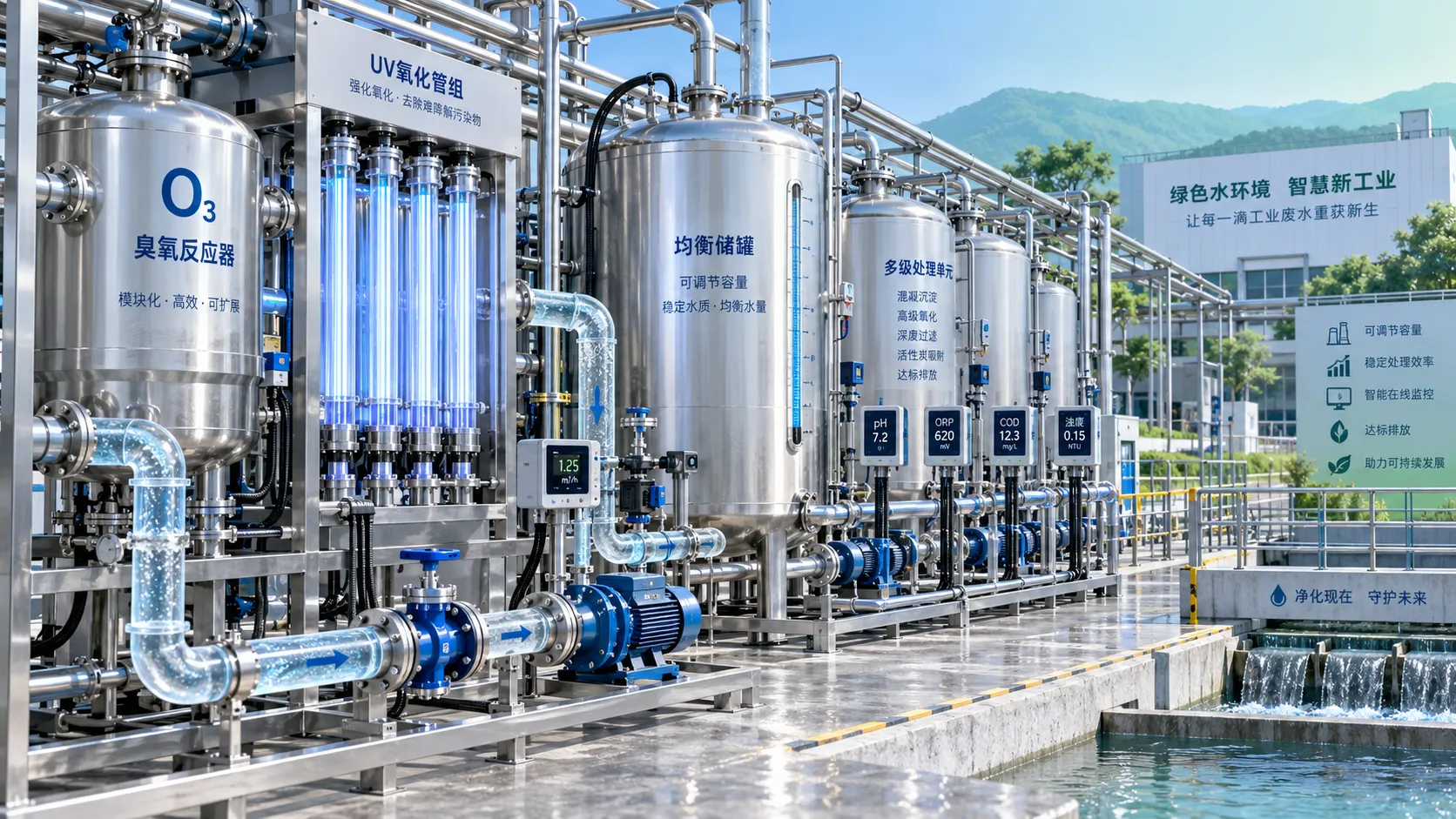
How to size advanced oxidation equipment for variable wastewater loads
Advanced oxidation equipment guide for sizing AOP systems under variable wastewater loads, improving compliance, efficiency, and lifecycle cost control.
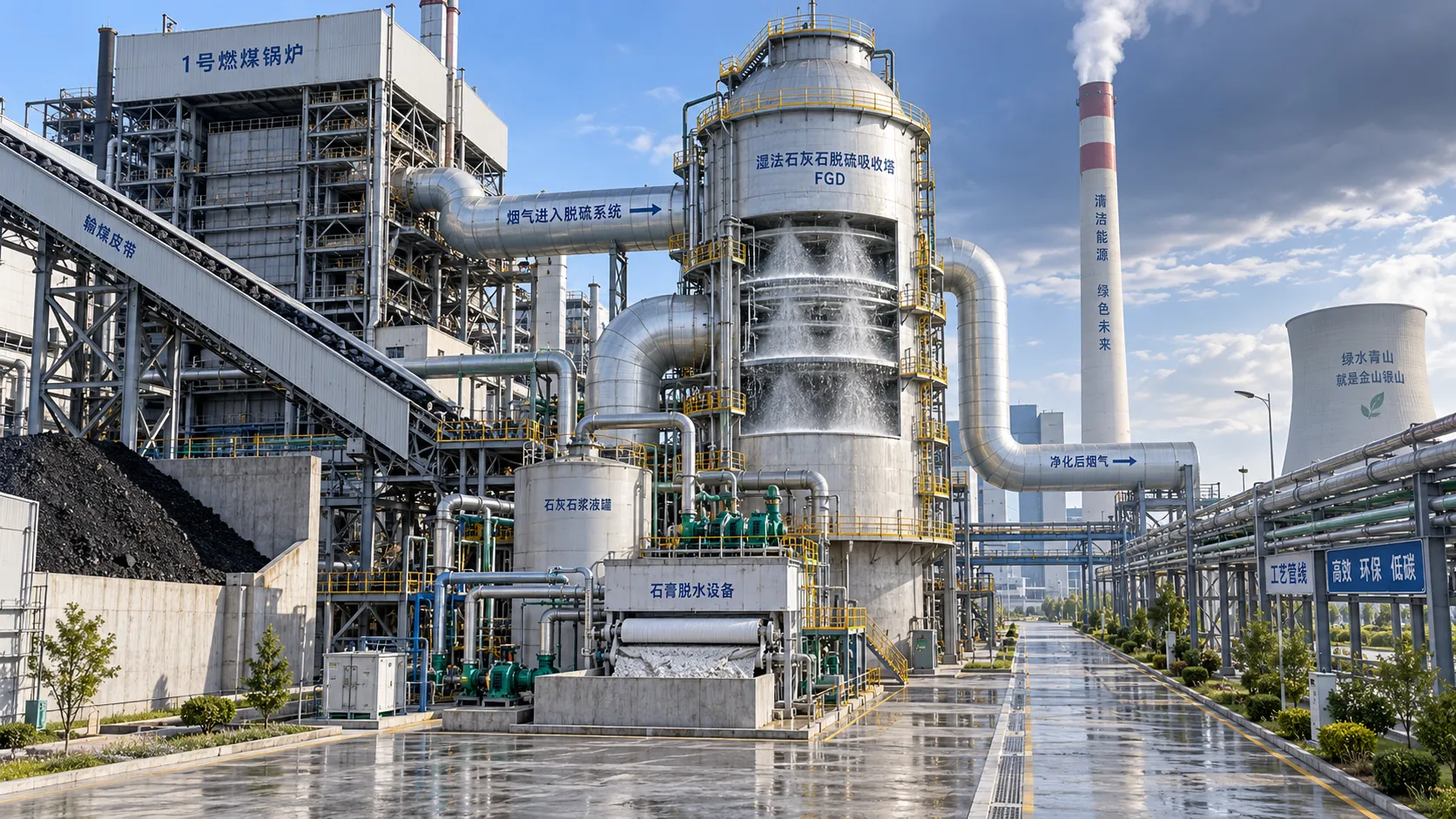
How to select FGD systems for coal boilers based on sulfur content
FGD systems for coal boilers: learn how sulfur content, fuel variability, emissions limits, water, waste, and retrofit constraints guide a compliant, cost-effective scrubber choice.
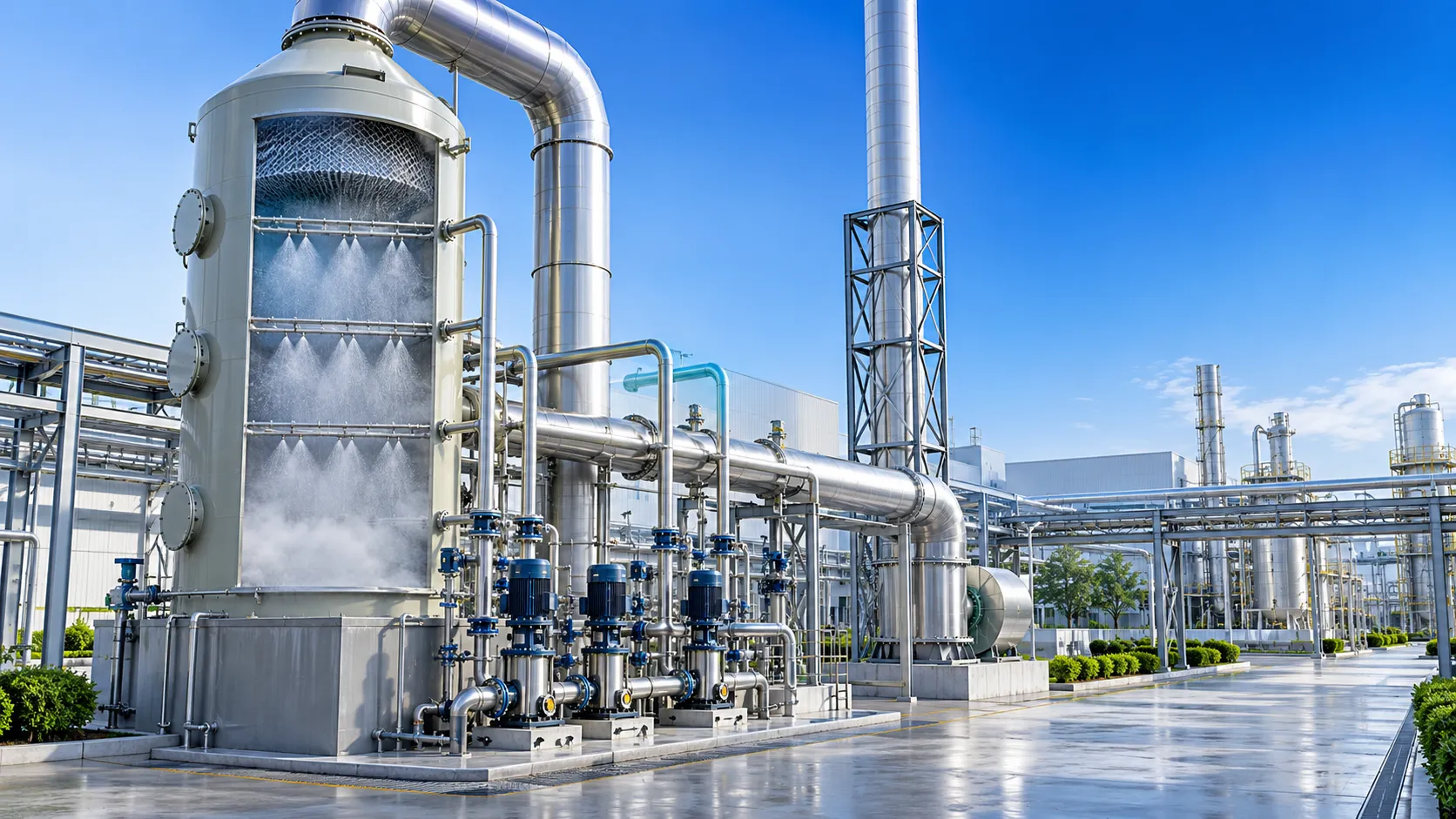
How to size a desulfurization equipment scrubber for variable gas flow
Desulfurization equipment scrubber sizing for variable gas flow: optimize SO2 removal, pressure drop, liquid-to-gas control, and compliance across every load.
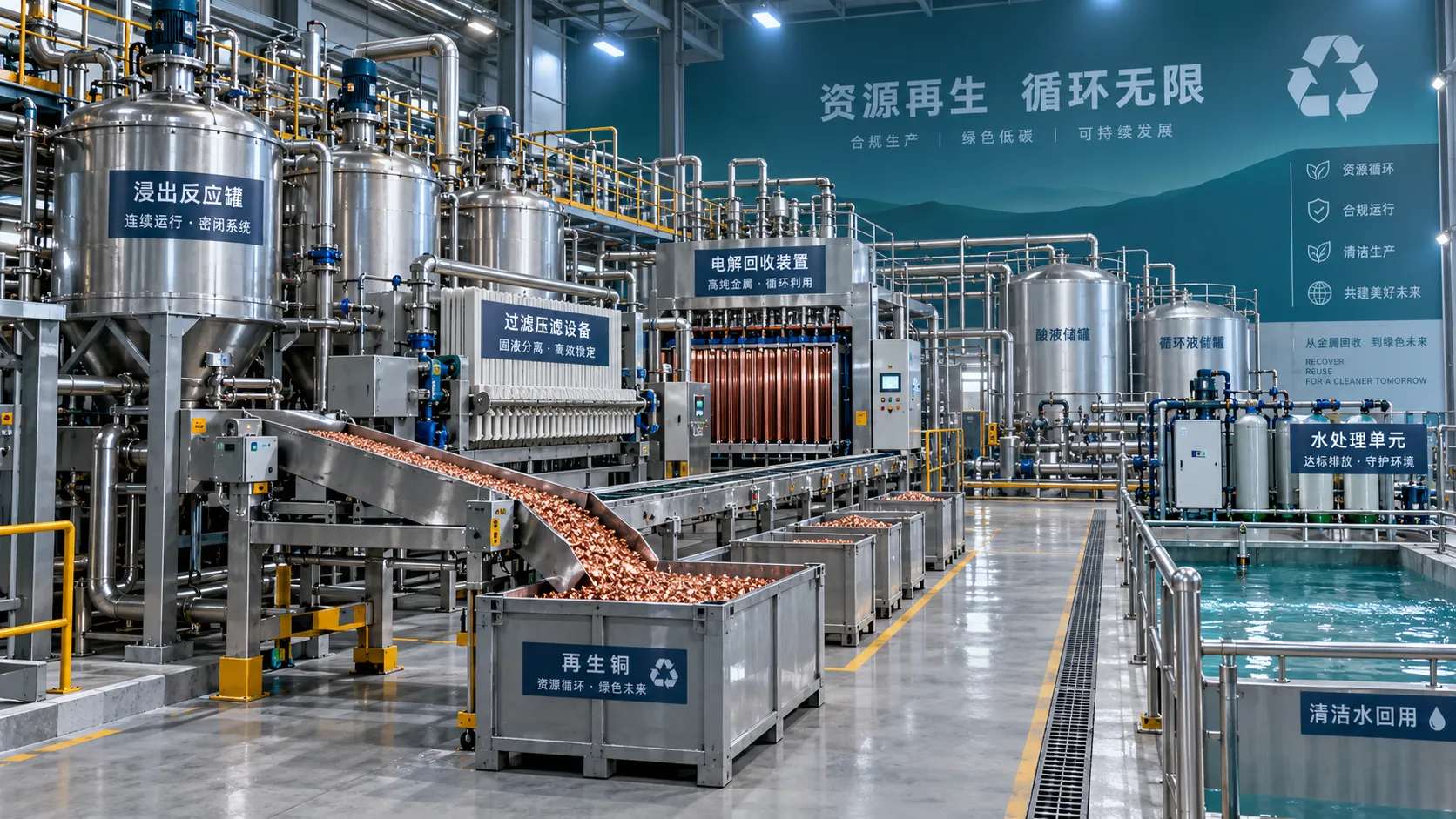
When does repeatable metals recovery infrastructure justify the investment?
Repeatable metals recovery infrastructure: discover when consistent feedstock, lower disposal costs, compliance control, and reliable offtake justify investment.
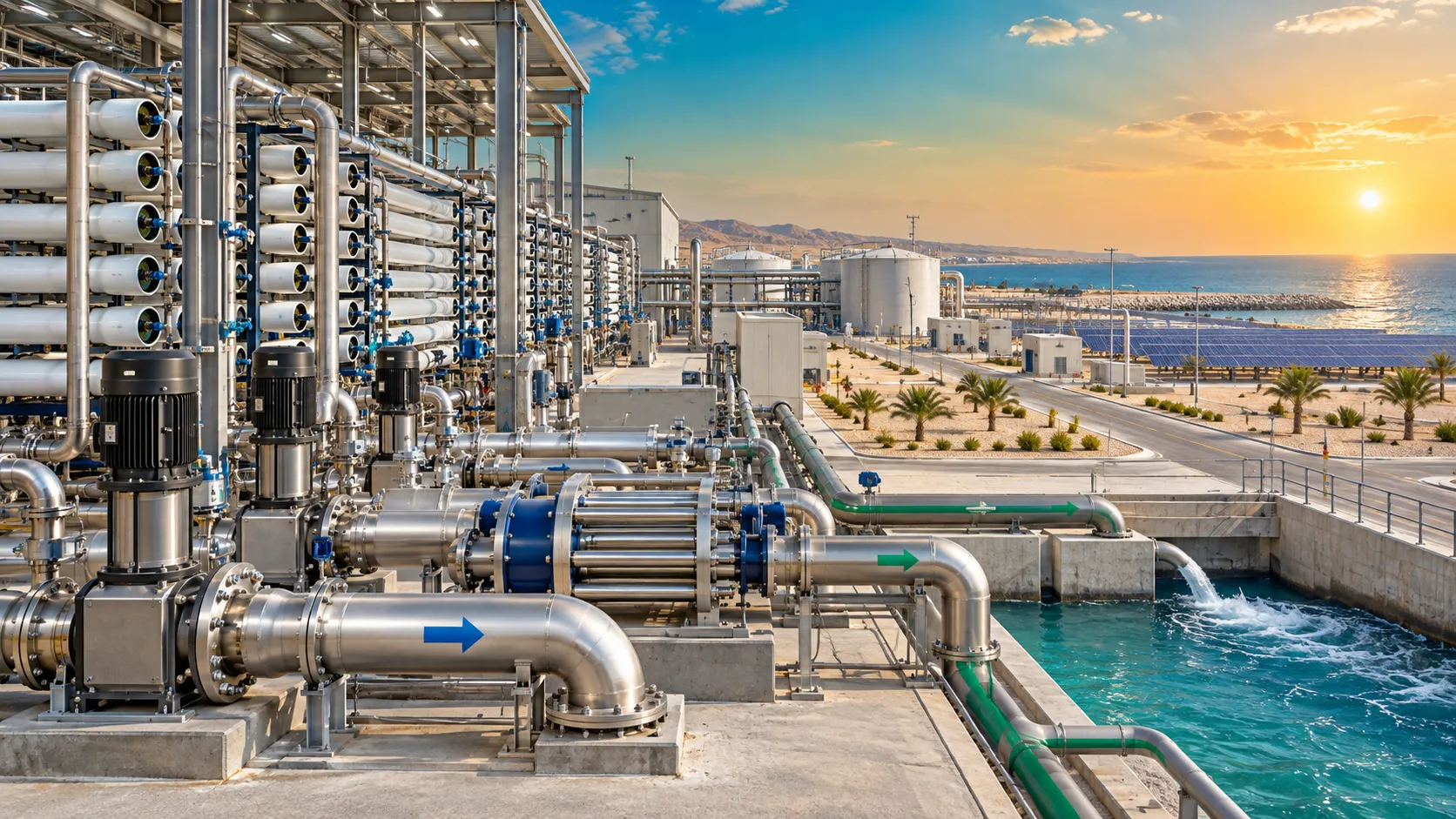
How energy recovery cuts the cost of seawater desalination in the Middle East
Seawater desalination Middle East projects can cut lifecycle costs with energy recovery. Explore savings, bankability, power-risk strategies, and smarter investment decisions.
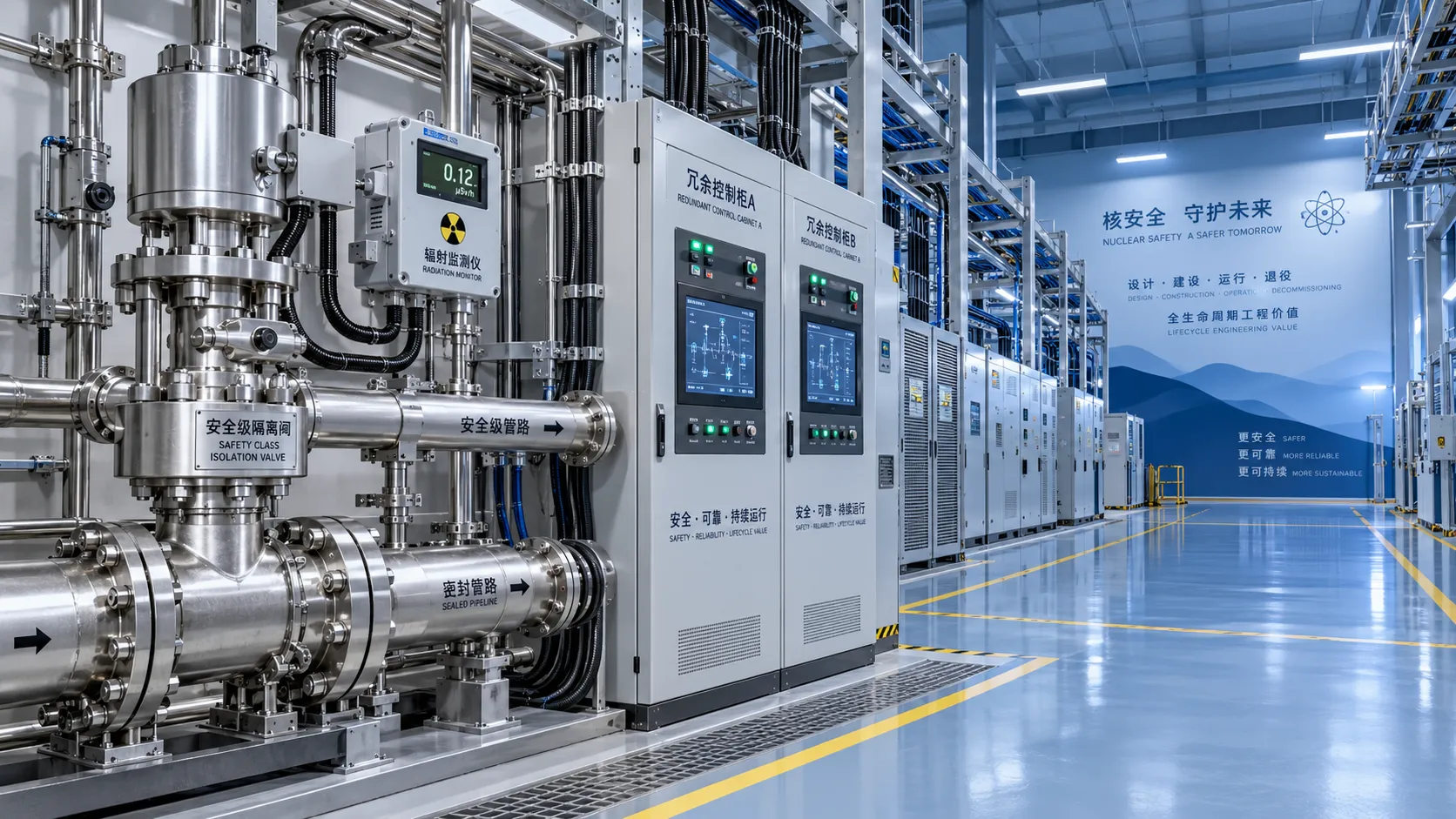
What drives nuclear safety solutions pricing for new facility projects?
Nuclear safety solutions pricing explained: uncover the key cost drivers for new facilities, from qualification and interfaces to lifecycle support.
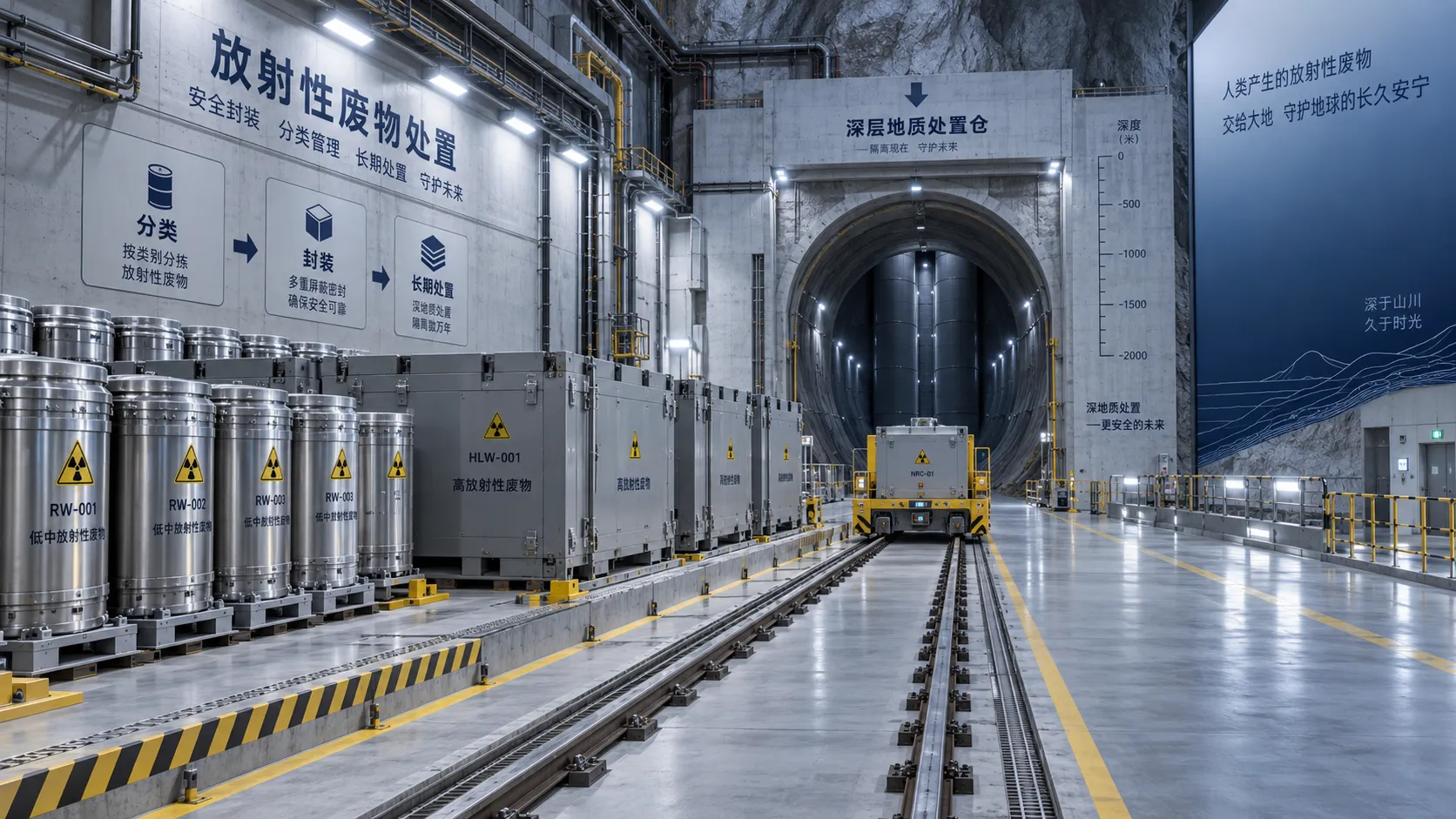
What drives radioactive waste cost over the life of a disposal project?
Radioactive waste cost depends on classification, treatment, transport, storage, disposal access, and long-term compliance. Explore the key lifecycle cost drivers.
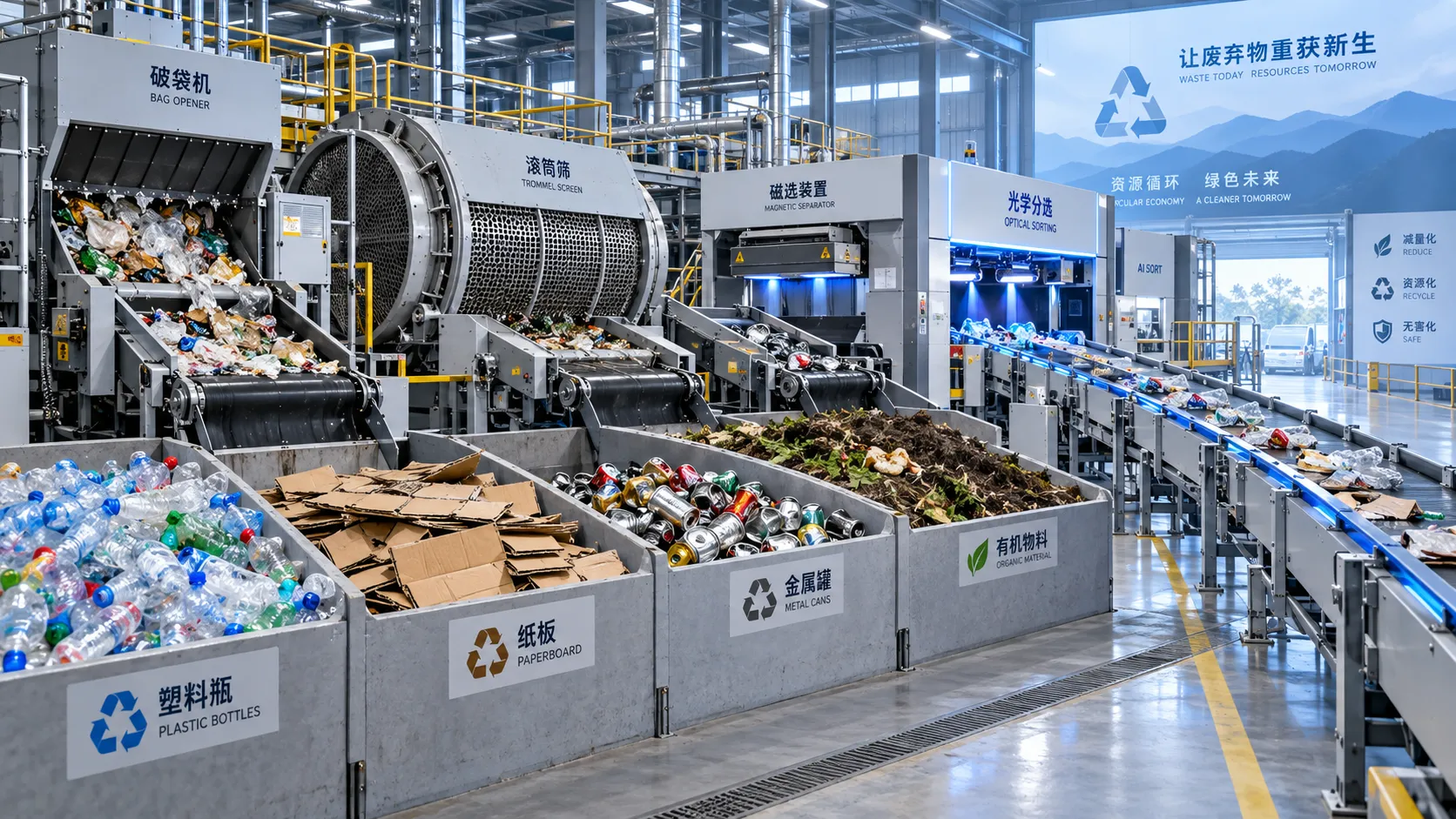
How to choose solid waste equipment based on waste stream characteristics
Environmental equipment guide for solid waste: discover how to match sorting, treatment, and recovery equipment to waste composition, moisture, contamination, and output goals.
When does high recovery ZLD equipment justify its higher capital cost?
High recovery ZLD equipment can justify higher capital cost when water scarcity, discharge risks, brine disposal, and downtime threaten operations. Explore the decision factors.