
Industry News
Curation by industry experts
Hot Articles
Popular Tags
When do closed-loop resource recovery systems pay off in plant upgrades?
In many boardrooms and plant upgrade meetings, the conversation around sustainability still sounds deceptively simple: reduce waste, reuse water, recover value, improve compliance. But capital allocation never happens in slogans. For operators, CFOs, engineering heads, and procurement teams, the real issue is timing. When do closed-loop resource recovery systems stop being admirable environmental projects and start becoming financially rational plant investments?
The answer is rarely found in a single payback number. It sits at the intersection of feed composition, disposal costs, utility pricing, local regulation, production stability, and the market value of what can be recovered. In other words, closed-loop resource recovery systems pay off when a plant is no longer treating water, by-products, or waste streams as isolated burdens, but as interconnected cost and value flows.
That is why the strongest business cases usually emerge not from “green ambition” alone, but from operational pressure. A facility facing rising freshwater tariffs, tighter discharge permits, landfill restrictions, carbon exposure, or raw material volatility sees the economics very differently from one operating in a low-cost, low-regulation environment. The technology may be similar; the tipping point is not.
The first mistake: evaluating recovery systems as stand-alone equipment
One of the most common procurement mistakes is to price a closed-loop system as if it were just another treatment line. Decision-makers compare capex against a narrow savings category and conclude that the return looks weak. That approach misses the architecture of closed-loop value.
A water reuse system, for example, should not be judged only by how much wastewater it treats. It may also reduce freshwater intake, lower discharge fees, stabilize operations during supply restrictions, and delay the need for future permitting expansion. A solids recovery line may not only divert material from disposal; it can improve downstream handling, reduce transport frequency, recover usable fractions, and lower environmental liability.
In heavy industry, desalination-linked manufacturing, chemical processing, food production, metals, municipal utilities, and high-salinity wastewater settings, the payoff often comes from bundled effects rather than one headline benefit. Plants that understand this tend to build stronger upgrade cases and negotiate more effectively with technology vendors.
Where the economics usually begin to shift
There is no universal threshold, but several conditions consistently move closed-loop resource recovery systems from “interesting” to “urgent.”
1. Disposal and discharge costs are climbing faster than production margins
When hauling, landfill, brine disposal, sludge treatment, or wastewater discharge becomes materially more expensive, every ton or cubic meter avoided has direct financial value. This is especially relevant in regions where environmental compliance is tightening faster than plant modernization cycles. In such environments, a recovery system is often less about creating a new profit center and more about preventing an escalating cost trap.
2. Water is becoming a strategic input, not a cheap utility
In water-stressed areas, industrial plants increasingly face volumetric charges, abstraction limits, drought restrictions, or reputational scrutiny around consumption. Closed-loop water recovery begins to pay off sooner when process continuity depends on secure internal reuse. For some facilities, the value of recovered water is not simply the tariff avoided; it is the reduction in production risk.
3. Recovered material has stable internal or external use
Not all recovered outputs are equally bankable. Systems recover value more reliably when the plant can reuse the recovered stream internally, whether that means process water, heat, salts, metals, organics, or combustible fractions. External resale is attractive, but internal reuse typically gives a more predictable payback because it avoids quality disputes, logistics complexity, and price volatility.
4. Compliance uncertainty carries operational consequences
Many plants underestimate the financial effect of permit risk until it delays expansion, triggers corrective capex, or forces production curtailment. Closed-loop systems often pay back indirectly by giving the site a stronger compliance buffer. In sectors exposed to stricter discharge limits, PFAS concerns, nutrient regulation, carbon-linked trade mechanisms, or public reporting pressure, that buffer can become a strategic asset.
The hidden drivers executives often miss
Some returns appear nowhere in the initial vendor proposal, yet matter deeply over the asset life.
One is process resilience. A plant with tighter internal recycling can be less vulnerable to external utility disruption, seasonal water quality shifts, or changes in waste contractor pricing. Another is permitting optionality. If future production growth is likely, a closed-loop configuration may create room for capacity expansion without proportionate increases in water intake or discharge load.
Then there is the procurement dynamic itself. Plants that recover more internally are often better positioned during contract negotiations because they have reduced dependence on single disposal routes, utility suppliers, or treatment intermediaries. That reduced exposure has financial value even if it does not show up as a line item in year one.
For large infrastructure buyers and EPC-driven projects, these intelligence layers matter. This is where industry platforms such as ESD have growing relevance: not as sales brochures, but as decision support environments that connect treatment performance, regulatory movement, and equipment demand trends into a more realistic capital picture.
Feedstock quality decides more than technology brochures admit
Two plants can install broadly similar closed-loop resource recovery systems and experience very different outcomes. The difference often lies upstream.
Variability in influent chemistry, contamination spikes, solids load, salinity, temperature, and process interruptions can reshape operating economics. A system designed around idealized feed conditions may look attractive in a feasibility deck and underperform in live operation. That does not mean the recovery concept is flawed; it means the business case was built on an unstable technical baseline.
For procurement teams, this is one of the most important due diligence points. Before evaluating membrane trains, evaporation units, thermal recovery, pyrolysis routes, sorting lines, crystallization stages, or sludge valorization systems, ask a harder question: how predictable is the stream we want to close the loop on?
If the answer is “not very,” then the upgrade case must account for pretreatment, buffering, automation, monitoring, and maintenance intensity. Plants with consistent streams usually see faster payback. Plants with volatile streams can still benefit, but only if the design reflects that reality early.
Short payback is not always the right payback
Executives often ask for a simple benchmark: three years, five years, seven years. That is understandable, but incomplete.
Some closed-loop systems deserve a short-horizon ROI test, especially when they target high disposal costs or obvious utility savings. Others should be treated more like strategic infrastructure. A zero liquid discharge upgrade, a desalination-integrated reuse loop, or a waste-to-resource platform in a constrained regulatory environment may not outperform on a narrow short-term payback basis, yet still be the rational choice when viewed against asset life, permit security, and future environmental cost exposure.
The more capital-intensive the system, the more important it becomes to separate three questions:
Does the system reduce current operating cost?
Does it prevent future cost escalation or operational restriction?
Does it create strategic flexibility the plant will likely need within the next investment cycle?
When all three answers are positive, the project may be stronger than a conventional payback screen suggests.
What makes a procurement case credible internally
For enterprise decision-makers, the challenge is not just choosing the right technology. It is building a case that survives internal scrutiny from finance, operations, EHS, engineering, and sometimes shareholders or public authorities.
The most persuasive upgrade cases tend to include the following:
A full-map baseline of current costs: water purchase, energy, chemical consumption, labor, downtime exposure, sludge or waste handling, transport, disposal, permit fees, and contractor dependence.
A realistic assessment of stream variability and required pretreatment.
Scenario modeling, not just a single ROI estimate.
Clear assumptions about recovered output quality and how it will be used.
An operating model for maintenance, controls, and staffing.
A compliance horizon that reflects likely regulatory tightening, not just today’s permit status.
This matters because procurement decisions fail less often from lack of technology and more often from weak framing. If the project is presented as an environmental add-on, it competes poorly with production assets. If it is framed as a plant economics and continuity upgrade, the conversation changes.
Industries where payoff tends to appear sooner
Although the article spans a broad industrial audience, certain sectors reach the payoff point faster.
High-salinity wastewater operations, mining-related processing, chemicals, power-adjacent facilities, food and beverage plants with large water footprints, metal finishing, refining, and coastal industrial users linked to desalinated supply often face enough combined pressure to justify closed-loop investment earlier than light manufacturing does.
The same is true for facilities managing difficult residuals, whether through solids recovery, thermal valorization, flue gas by-product handling, or specialized waste streams requiring constrained disposal routes. In these settings, the penalty for remaining linear is growing.
Even in the municipal and public infrastructure context, the economics are changing. What once looked like premium environmental engineering now increasingly functions as risk management for long-term service reliability.
Questions to ask before issuing an RFP
Before moving toward vendor comparison, decision-makers should pause on a few practical questions:
Are we trying to cut visible costs, avoid future constraints, or recover saleable value?
Which cost driver is rising fastest: water, disposal, energy, compliance, or raw material loss?
Can recovered outputs be reused on-site without extensive requalification?
How sensitive is the project to influent variability?
Do we have the operational discipline to run a more integrated system well?
Would phased implementation produce better financial and technical confidence than a single large deployment?
These questions sound basic, but they often reveal whether the project is truly mature or still being driven by external pressure and internal optimism in equal measure.
So, when do closed-loop resource recovery systems pay off?
They pay off when the plant’s linear model has become more expensive, more fragile, or more regulated than leadership is willing to admit. They pay off when recovered water, materials, or energy displace costs the business already feels. They pay off when compliance risk starts influencing asset strategy. And they pay off fastest when the design is grounded in real process conditions, not generic sustainability narratives.
For enterprise buyers, the key is not to ask whether closed-loop resource recovery systems are inherently worth it. The sharper question is whether your plant has already crossed the threshold where not investing is the more expensive choice.
In today’s industrial landscape, that threshold is arriving earlier than many expected. Water stress, circular economy pressures, environmental trade rules, and disposal constraints are changing the math. The plants that respond well are usually the ones that treat resource recovery not as a side project, but as part of core operational design.
That shift in mindset is often where the real return begins.
Recommended News
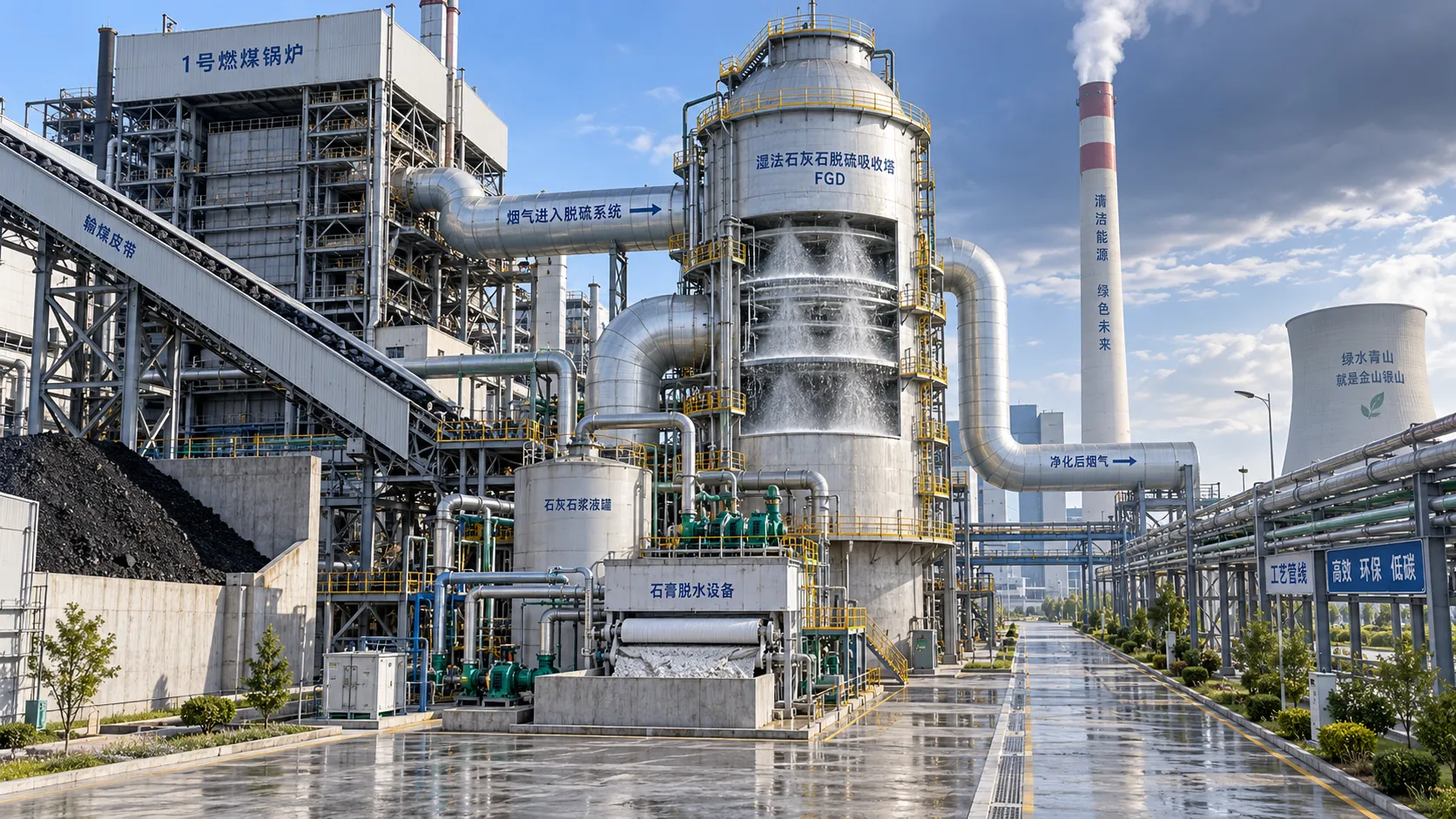
How to select FGD systems for coal boilers based on sulfur content
FGD systems for coal boilers: learn how sulfur content, fuel variability, emissions limits, water, waste, and retrofit constraints guide a compliant, cost-effective scrubber choice.
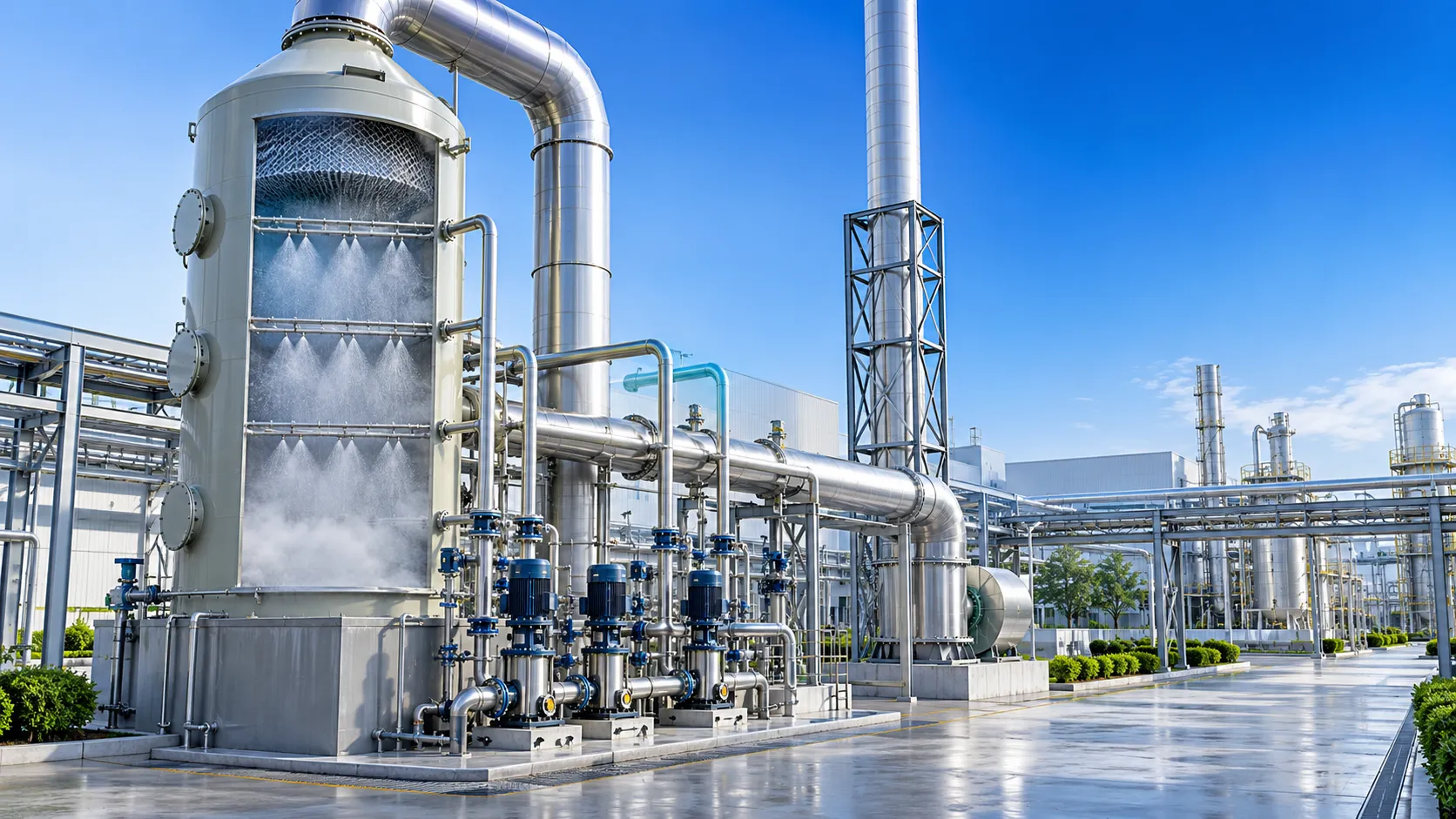
How to size a desulfurization equipment scrubber for variable gas flow
Desulfurization equipment scrubber sizing for variable gas flow: optimize SO2 removal, pressure drop, liquid-to-gas control, and compliance across every load.
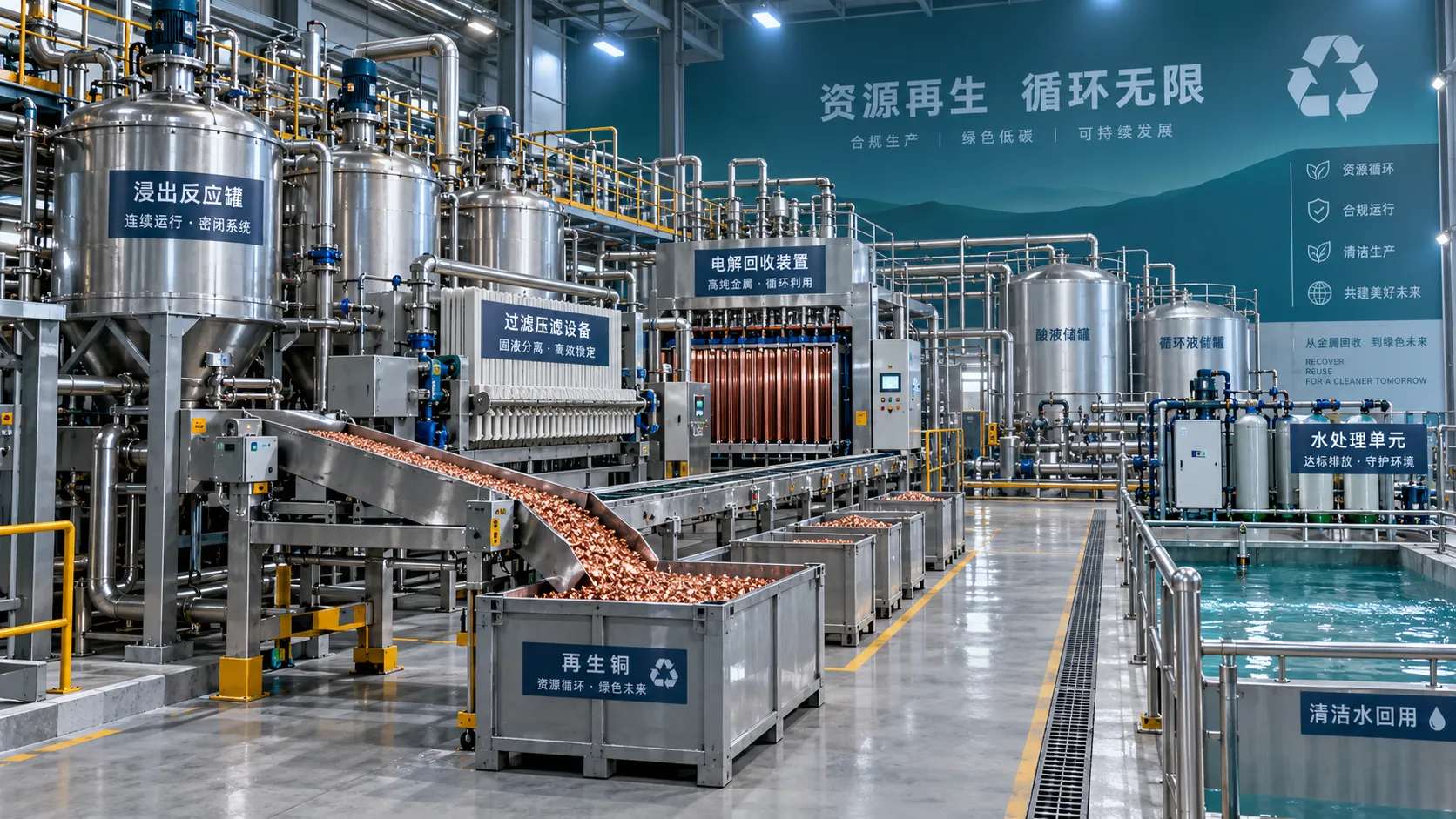
When does repeatable metals recovery infrastructure justify the investment?
Repeatable metals recovery infrastructure: discover when consistent feedstock, lower disposal costs, compliance control, and reliable offtake justify investment.
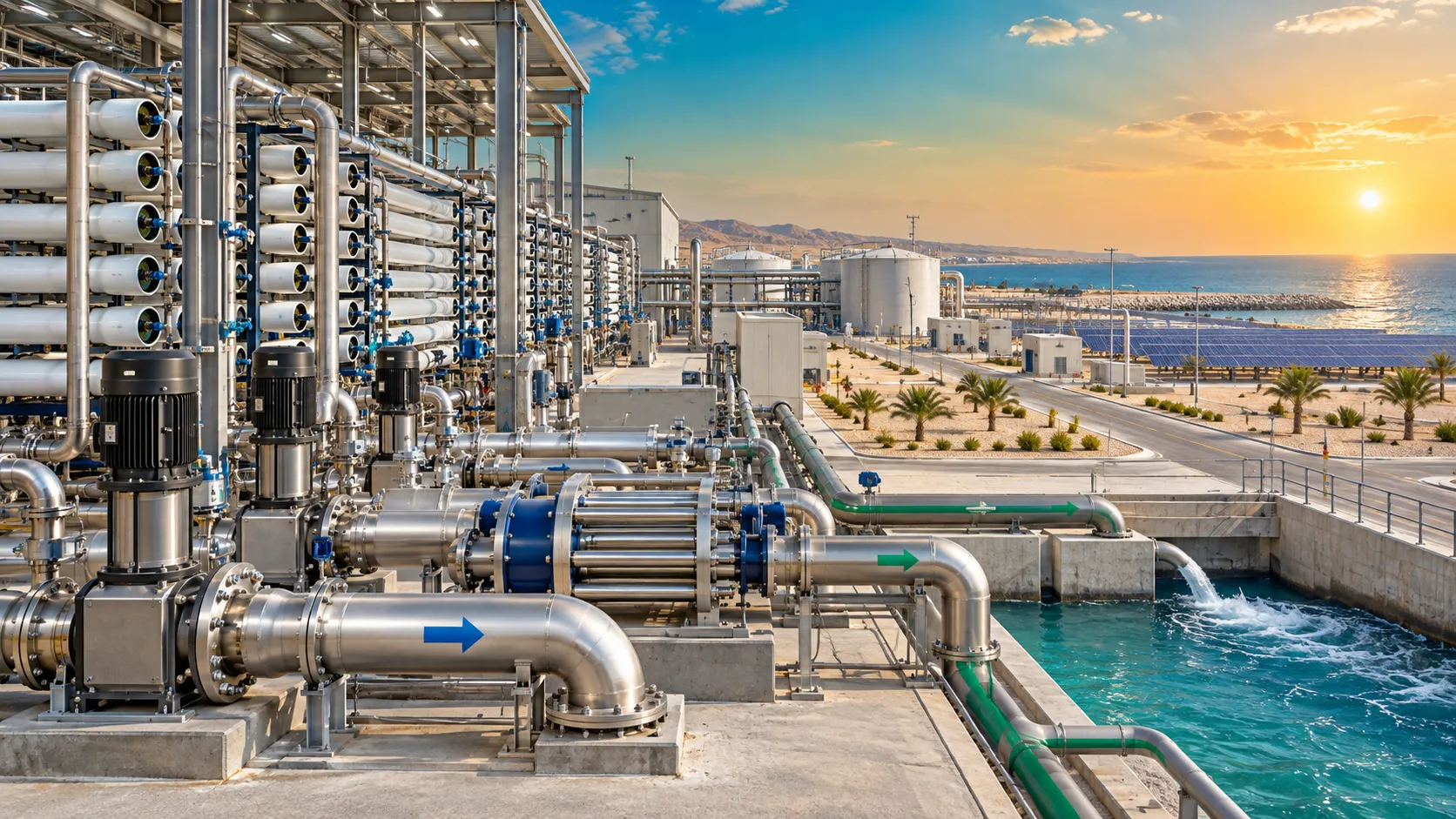
How energy recovery cuts the cost of seawater desalination in the Middle East
Seawater desalination Middle East projects can cut lifecycle costs with energy recovery. Explore savings, bankability, power-risk strategies, and smarter investment decisions.
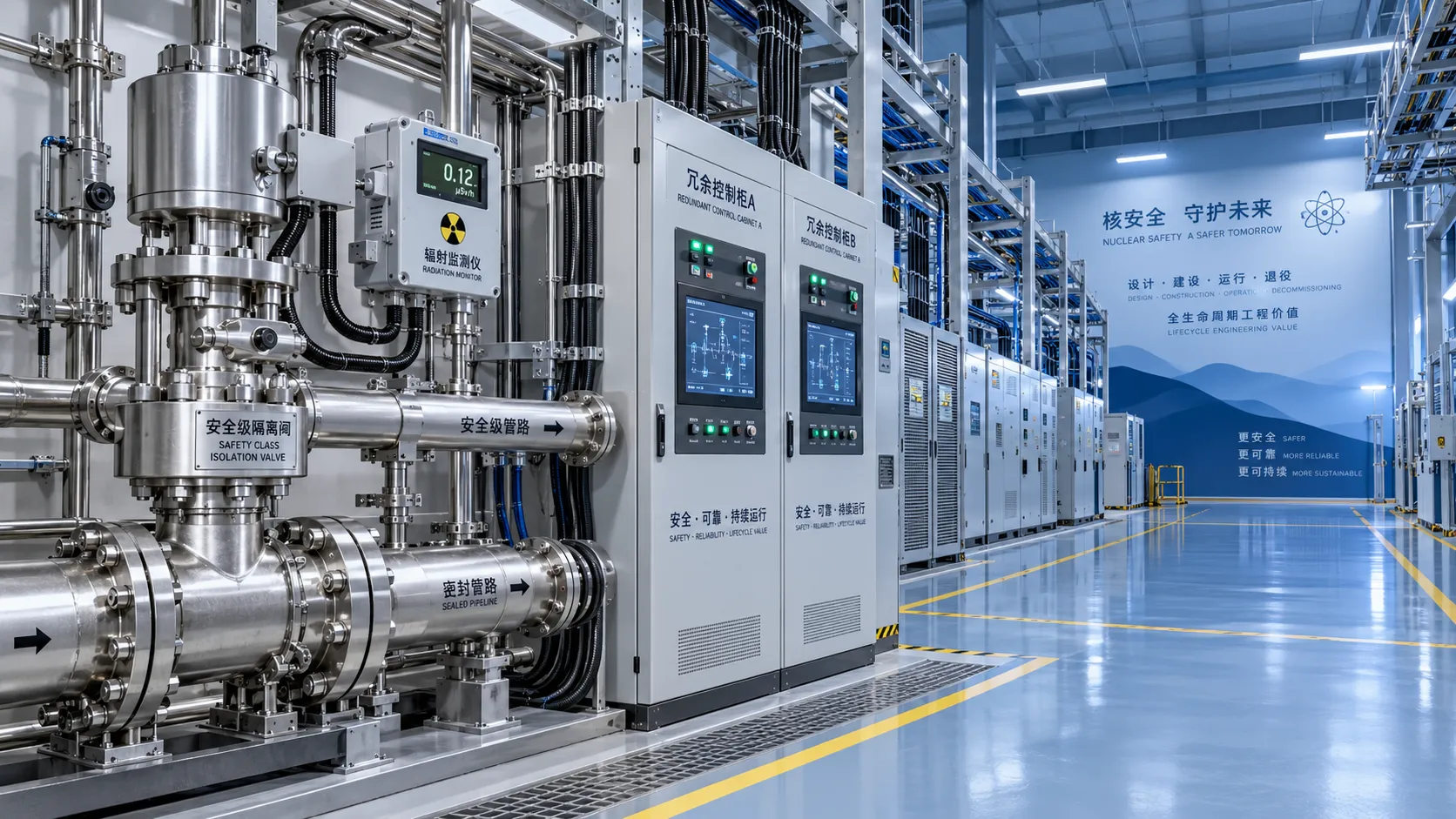
What drives nuclear safety solutions pricing for new facility projects?
Nuclear safety solutions pricing explained: uncover the key cost drivers for new facilities, from qualification and interfaces to lifecycle support.
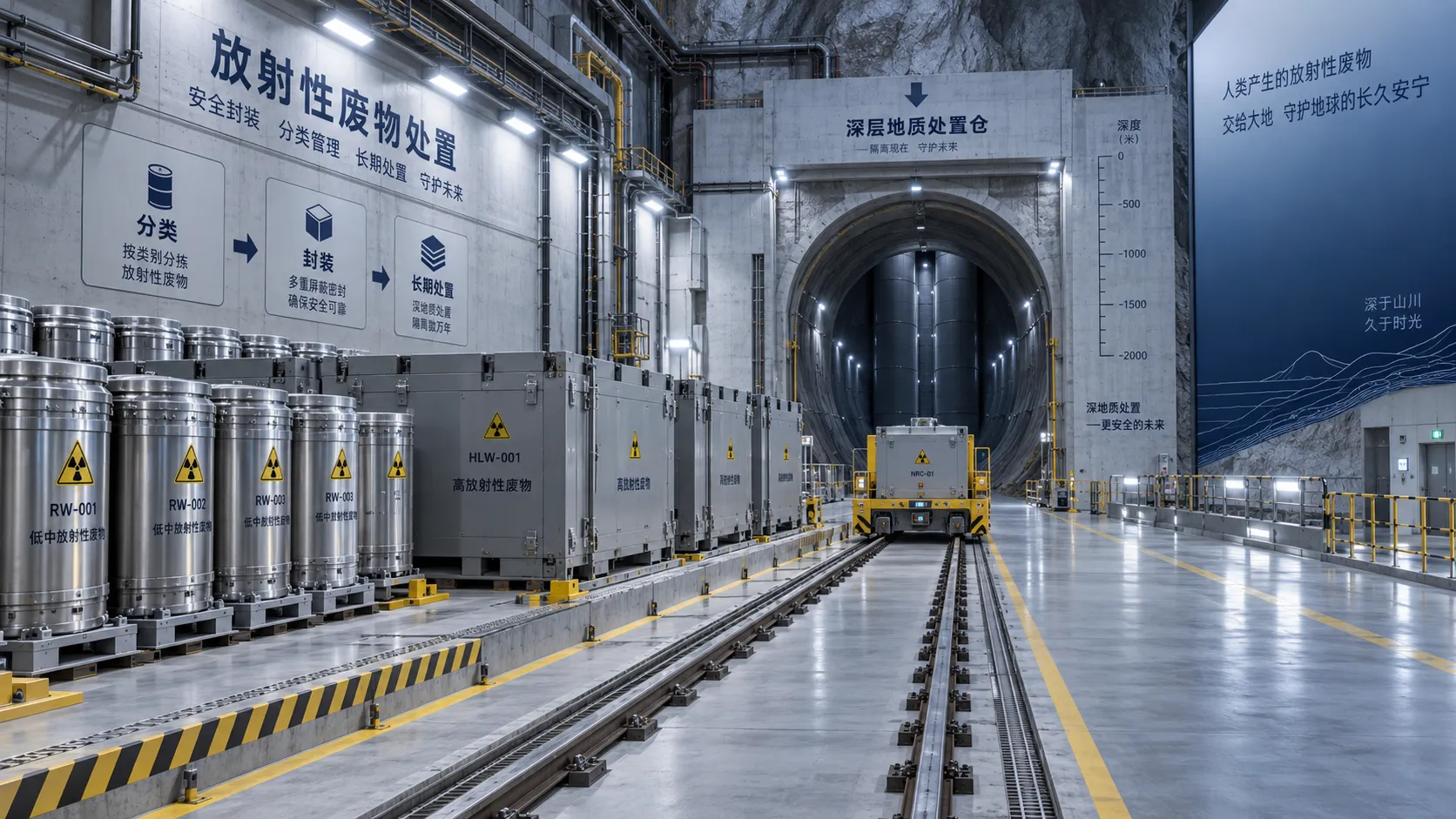
What drives radioactive waste cost over the life of a disposal project?
Radioactive waste cost depends on classification, treatment, transport, storage, disposal access, and long-term compliance. Explore the key lifecycle cost drivers.
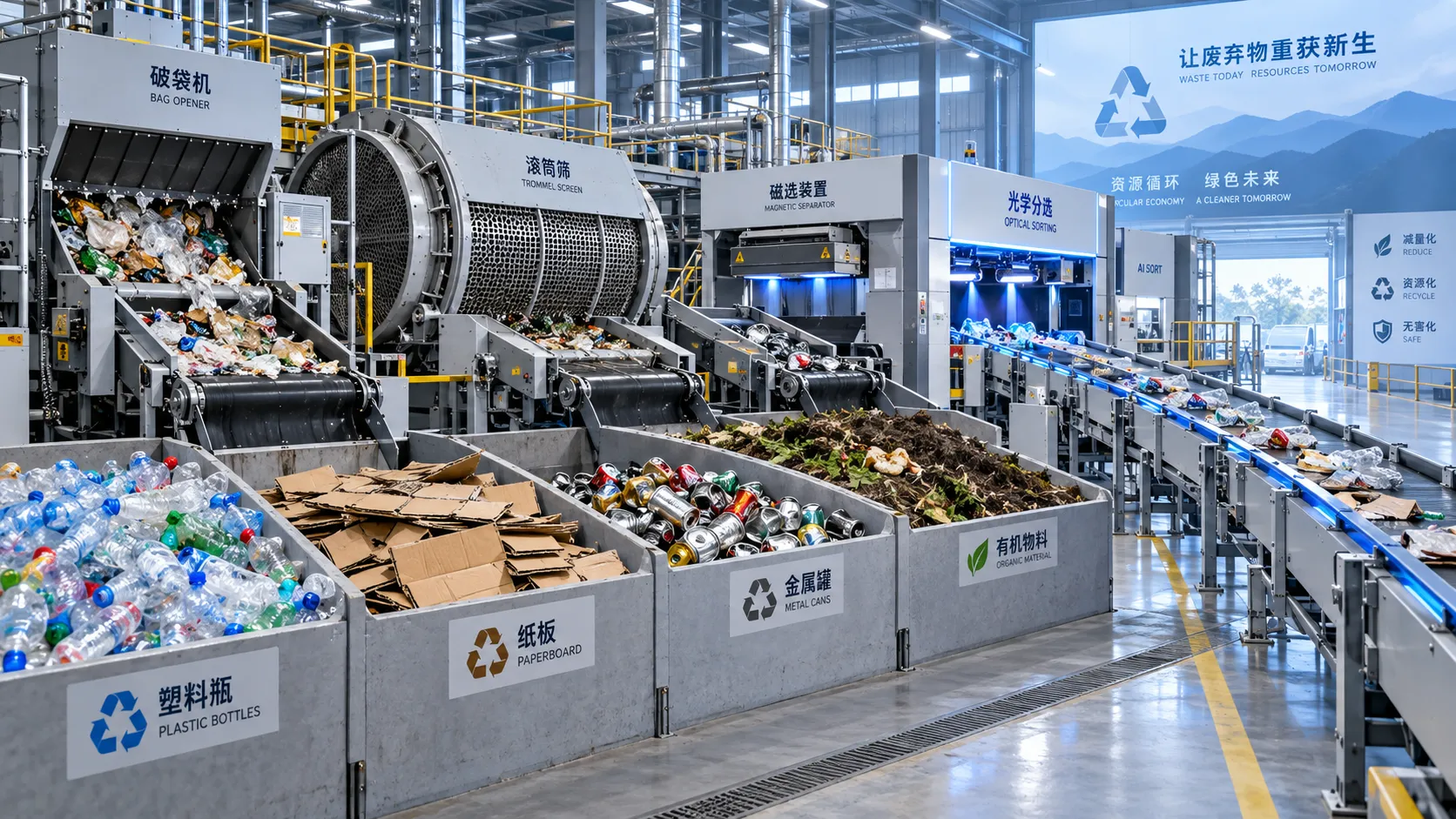
How to choose solid waste equipment based on waste stream characteristics
Environmental equipment guide for solid waste: discover how to match sorting, treatment, and recovery equipment to waste composition, moisture, contamination, and output goals.
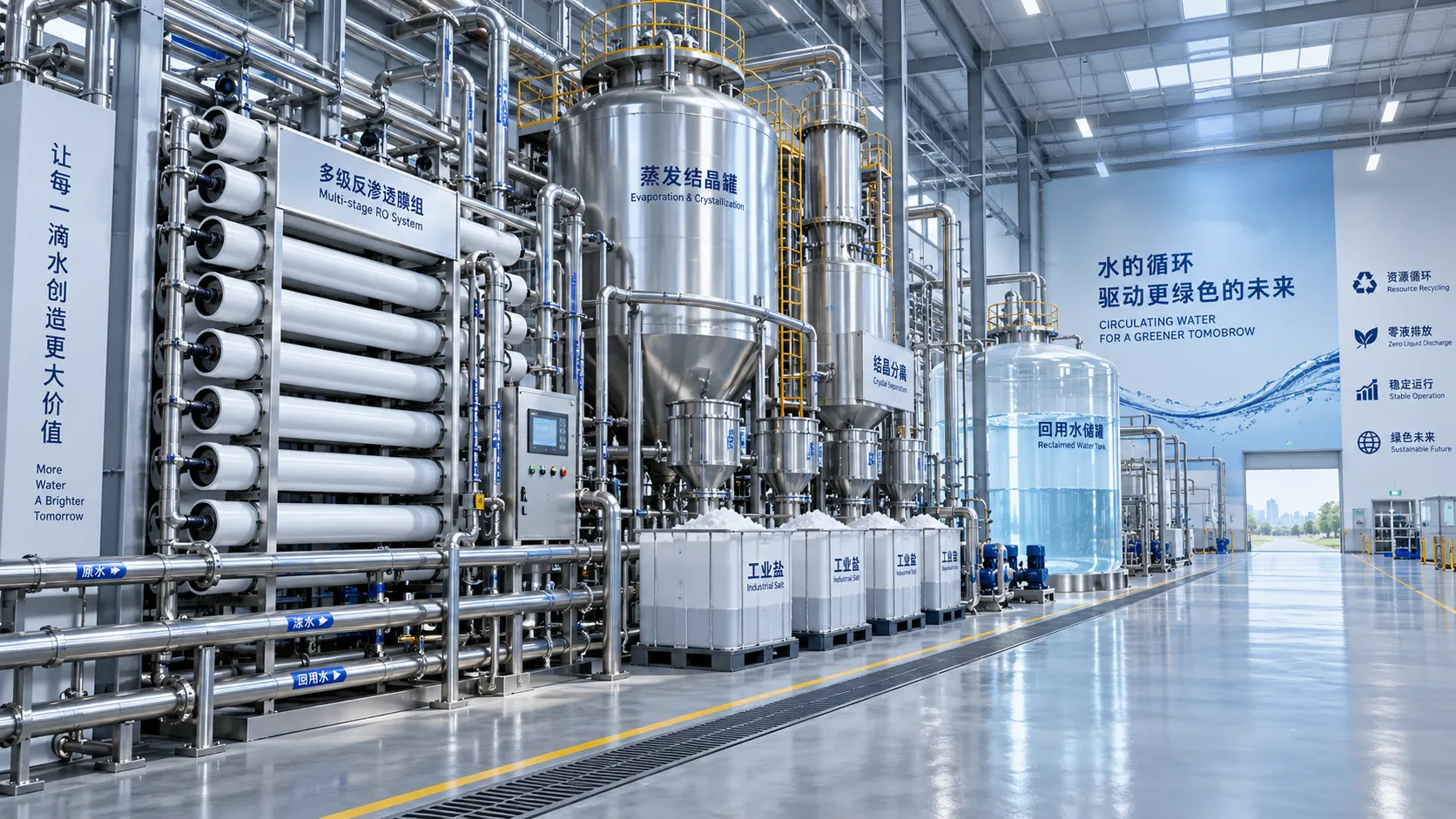
When does high recovery ZLD equipment justify its higher capital cost?
High recovery ZLD equipment can justify higher capital cost when water scarcity, discharge risks, brine disposal, and downtime threaten operations. Explore the decision factors.

How high purity heavy metal recovery affects recovered metal value
High purity heavy metal recovery boosts recovered metal value by improving payability, reducing penalties, and unlocking stronger buyer opportunities. Explore smarter netback strategies.