
Industry News
Curation by industry experts
Hot Articles
Popular Tags
When does a global environmental governance platform add value to ESG reporting
It often starts in a planning meeting that was supposed to be routine. Finance has one set of disclosure priorities, operations has another, sustainability teams are chasing supplier inputs, and legal is quietly asking whether the language in the draft report can actually be defended. Someone then suggests buying or expanding a global environmental governance platform, usually with the hope that one system will make ESG reporting cleaner, faster, and less risky. The problem is that this decision is rarely simple. A platform may look impressive in a demo yet add very little if it does not match the reporting pressure your business is actually facing.
This becomes more frustrating when reporting is no longer just an annual publishing exercise. In many organizations, ESG language now influences financing discussions, procurement reviews, project approvals, and cross-border commercial exposure. If the reporting base is fragmented, teams spend too much time reconciling definitions, explaining gaps, and checking whether environmental claims made in one region align with another. In that situation, a global environmental governance platform can add real value—but only under certain conditions.
A common mistake is to treat the platform decision as a software purchase rather than a governance decision. If your only issue is collecting a few energy, water, or waste figures from a limited number of sites, a large platform may be more infrastructure than you need. But if your reporting scope now touches industrial emissions, water treatment performance, waste recovery logic, desalination energy trade-offs, or nuclear-related environmental risk controls across jurisdictions, then a broader governance layer can stop ESG reporting from turning into a patchwork of spreadsheets and inconsistent narratives.
Where the reporting pressure usually becomes unmanageable
Many teams do not feel the need for a global system at the beginning. They manage with local reporting templates, email approvals, and periodic reviews by consultants or internal specialists. This works until one or more of the following happens.
First, your business operates assets or supply chains that face very different environmental rules in different places. Water discharge limits, hazardous waste handling expectations, air emissions treatment requirements, and product-linked carbon scrutiny do not move at the same speed globally. Once that divergence starts affecting what can be reported publicly, local teams may still be compliant operationally, while group-level ESG statements become difficult to verify.
Second, environmental performance is not confined to one metric. In industrial settings, reporting often depends on understanding process reality: whether high-concentration wastewater is being treated to the right standard, whether resource recovery should be reported as diversion or transformation, whether flue gas treatment parameters are stable enough to support a claim, or whether desalination and waste treatment systems create secondary environmental burdens that need to be disclosed with context. At that point, ESG reporting is no longer only about collecting numbers. It is about linking numbers to engineered systems and compliance logic.
Third, the audience for the report changes. Once investors, major customers, regulators, lenders, insurers, and procurement teams all read the same report for different reasons, inconsistency becomes expensive. A wording choice that looked harmless in a sustainability draft can become a problem when it is compared against permit obligations, supplier declarations, or site operating records.
The wrong reason to choose a platform
Some organizations start looking for a platform because they are tired of manual work. That is understandable, but labor reduction alone is not the strongest reason to invest. Manual work is painful, yet it can still be manageable if the underlying logic is stable. The stronger reason is when your current reporting process no longer produces a reliable chain from environmental reality to disclosure language.
That chain matters more than dashboards. If a platform helps gather data but does not tell you whether a water reuse claim is based on comparable boundaries, or whether one waste stream is classified differently across regions, then it may simply make inconsistency move faster. Decision-makers are usually better served by asking a harder question: does the platform improve traceability between environmental operations, regulatory interpretation, and final ESG disclosure?
When the answer is yes, the platform begins to earn its place. When the answer is no, you may just be adding another reporting layer that people will work around.
Signs that a global environmental governance platform is likely to add value
The first clear sign is repeated disagreement over definitions. If teams keep revisiting what counts as recycled output, avoided discharge, treated hazardous residue, indirect environmental impact, or reportable compliance exposure, the issue is not merely poor coordination. It is a governance problem. A useful platform should help standardize those definitions while still allowing jurisdiction-specific interpretation where needed.
The second sign is that operational expertise is detached from reporting ownership. This is common in sectors where performance depends on complex systems such as zero liquid discharge, pyrolysis-based recovery, flue gas treatment, membrane desalination, or radioactive waste containment. The people who understand the process constraints are not always the people writing the report. A platform adds value when it creates a structured path for environmental engineers, compliance teams, and reporting teams to contribute to the same record without flattening technical nuance.
The third sign is regulatory volatility. If your business is regularly assessing changes in discharge standards, emissions treatment expectations, waste movement controls, cross-border carbon mechanisms, or environmental permit interpretation, static reporting templates quickly become outdated. In that setting, a global environmental governance platform is not just a repository. It becomes a way to connect changing external requirements with internal reporting assumptions.
The fourth sign is strategic dependence on environmental credibility. This does not mean image management. It means real business exposure: bids, financing conversations, cross-border projects, major customer reviews, or infrastructure partnerships that increasingly depend on environmental disclosures being technically coherent. Once ESG reporting starts influencing commercial permission to proceed, the quality of environmental governance becomes a board-level concern rather than a communications task.
When a lighter approach may be enough
Not every organization needs a large-scale platform. If the reporting boundary is narrow, the environmental footprint is operationally simple, and local compliance obligations are relatively stable, a well-built internal workflow may do the job. The same is true if your main challenge is discipline rather than complexity—late submissions, unclear ownership, or weak review cycles can often be fixed before technology is expanded.
A lighter approach may also be suitable when environmental topics are material but technically straightforward. For example, if most disclosures rely on utility data, limited waste categories, and a small number of clearly defined sites, then governance may be improved more effectively through stronger controls, documented definitions, and targeted expert review.
The point is not to choose the biggest system. It is to match the governance architecture to the actual reporting risk.
What to compare before making the decision
If you are evaluating options, it helps to move beyond general feature lists. Start with whether the platform handles environmental complexity at the level your business requires. Some tools are good at general ESG workflows but weak when the reporting depends on industrial process context. That matters in areas such as wastewater concentration management, waste-to-resource conversion pathways, flue gas cleanup performance, desalination system trade-offs, and high-consequence waste handling.
Then look at the platform’s ability to connect intelligence, not just store information. In practice, this means asking whether it can support regulatory tracking, interpretation notes, evidence management, and links between process-level environmental data and public reporting statements. For organizations navigating technical environmental sectors, intelligence support can matter as much as data collection.
Another useful comparison point is how the system handles exceptions. Real operations do not stay neat. Treatment interruptions, data boundary changes, permit revisions, supplier methodology shifts, and site-specific reporting anomalies are part of normal environmental management. A platform that only works when all inputs are clean will not help much during the moments when reporting risk is highest.
It is also worth checking whether the platform can be used by technical specialists without forcing everything into generic ESG language too early. In many environmental fields, simplification creates error. A good governance structure lets technical detail remain intact long enough for qualified review, then translates it appropriately for disclosure.
Where specialized environmental intelligence fits in
For organizations with exposure to large water treatment, solid waste recovery, flue gas treatment, heavy desalination, or nuclear waste management, the reporting challenge often sits between compliance and engineering. This is where specialized intelligence sources can support the evaluation process.
For example, decision-makers may need to understand how tightening environmental rules affect reporting assumptions, how cross-border carbon and compliance pressures change stakeholder scrutiny, or how emerging technical trends in membrane systems, catalyst performance, resource recovery routes, or vitrification stability alter the credibility of environmental claims. In those cases, the value does not come from promotional materials. It comes from disciplined sector intelligence that helps teams judge whether a platform can accommodate the realities they must report on.
A resource such as ESD can fit into that stage of decision-making as an external reference point rather than as a reporting shortcut. Its relevance is strongest when an organization needs to interpret sector developments, compare environmental technology contexts, or understand how regulatory and engineering changes may reshape disclosure expectations. That kind of input can help a team choose more carefully, especially when the reporting boundary spans technically demanding infrastructure.
Practical steps to test whether the platform will really help
Before committing, take one reporting topic that regularly causes friction and follow it from source to disclosure. It might be industrial wastewater treatment performance, waste recovery classification, emissions control reliability, desalination-related energy burden, or a sensitive hazardous waste narrative. Map who owns the source data, who interprets the environmental meaning, who verifies compliance relevance, and who signs off on the external wording.
If that path is long, disputed, or difficult to evidence, you likely have a governance problem worth solving. Then test whether the platform actually improves that path. Not in theory, but in workflow. Can it preserve source context? Can it record interpretation decisions? Can it flag where local regulatory language changes group reporting assumptions? Can legal, technical, and reporting teams review the same issue without duplicating work?
It is also wise to test reporting under stress. Ask what happens when a site changes methodology mid-year, when a permit condition changes, or when a disclosure requires supporting records from multiple countries. The platform that looks efficient in a controlled demonstration may prove weak in these moments. Since ESG reporting is often judged by how it handles uncertainty, that is where evaluation should be concentrated.
The decision point most teams miss
The most overlooked factor is internal readiness. A global environmental governance platform can improve ESG reporting only if the organization is willing to decide certain things it may have postponed: common definitions, escalation routes for technical disputes, minimum evidence standards, and ownership of regulatory interpretation. Without those decisions, the platform becomes a cleaner container for unresolved disagreements.
That is why value appears at the point where the system meets a mature reporting need. If your business is trying to connect environmental operations, regulatory change, and public disclosure across multiple geographies or technically complex assets, the right platform can reduce ambiguity and strengthen confidence. If you are still unclear about what should be governed, the platform may arrive too early.
So when does a global environmental governance platform add value to ESG reporting? Usually when environmental disclosure has stopped being a formatting exercise and started becoming an operational truth test. Once your report must stand on process evidence, regulatory interpretation, and technical consistency across regions, a broader governance layer becomes less of an option and more of a control mechanism. Until then, the better decision may be to fix the reporting logic first and let technology follow.
- water treatment
- industrial wastewater
- solid waste recovery
- flue gas treatment
- industrial emissions
- nuclear waste management
- radioactive waste
- resource recovery
- environmental governance
- global environmental governance
- environmental intelligence
- industrial wastewater treatment
- zero liquid discharge
- water reuse
- waste-to-resource
- global environmental governance platform
- environmental governance platform
Recommended News

How to size a desulfurization equipment scrubber for variable gas flow
Desulfurization equipment scrubber sizing for variable gas flow: optimize SO2 removal, pressure drop, liquid-to-gas control, and compliance across every load.
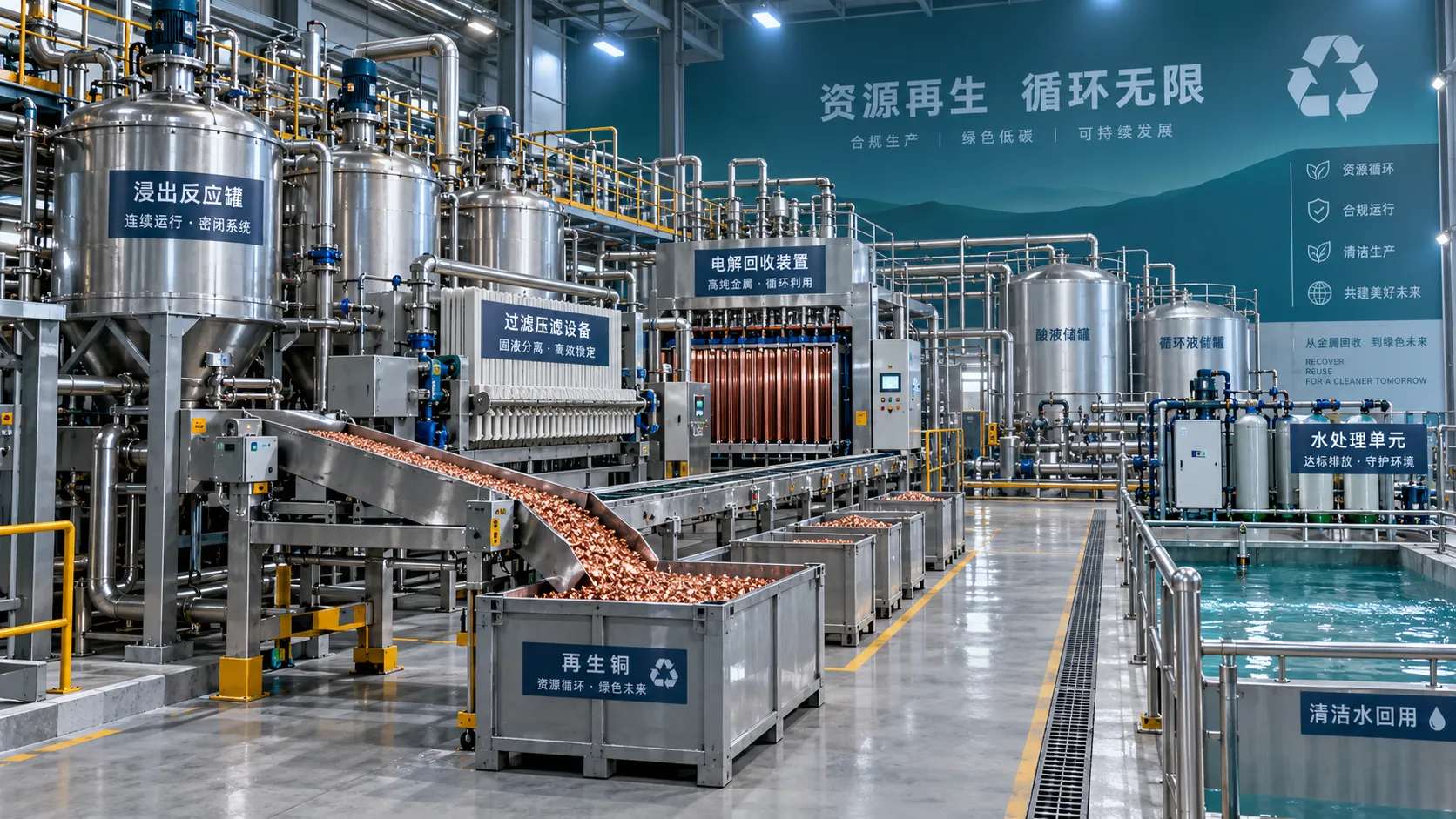
When does repeatable metals recovery infrastructure justify the investment?
Repeatable metals recovery infrastructure: discover when consistent feedstock, lower disposal costs, compliance control, and reliable offtake justify investment.
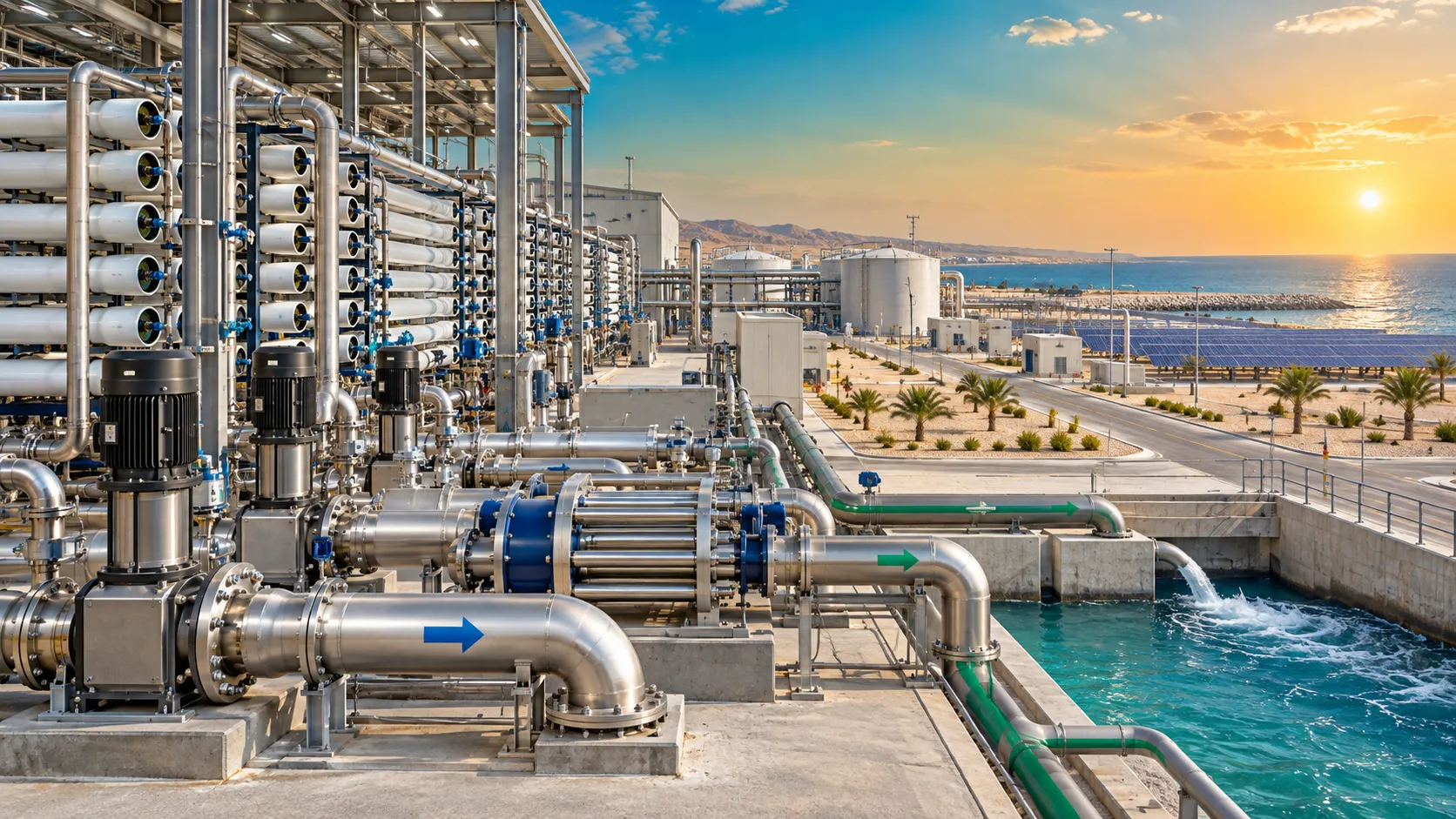
How energy recovery cuts the cost of seawater desalination in the Middle East
Seawater desalination Middle East projects can cut lifecycle costs with energy recovery. Explore savings, bankability, power-risk strategies, and smarter investment decisions.

What drives nuclear safety solutions pricing for new facility projects?
Nuclear safety solutions pricing explained: uncover the key cost drivers for new facilities, from qualification and interfaces to lifecycle support.
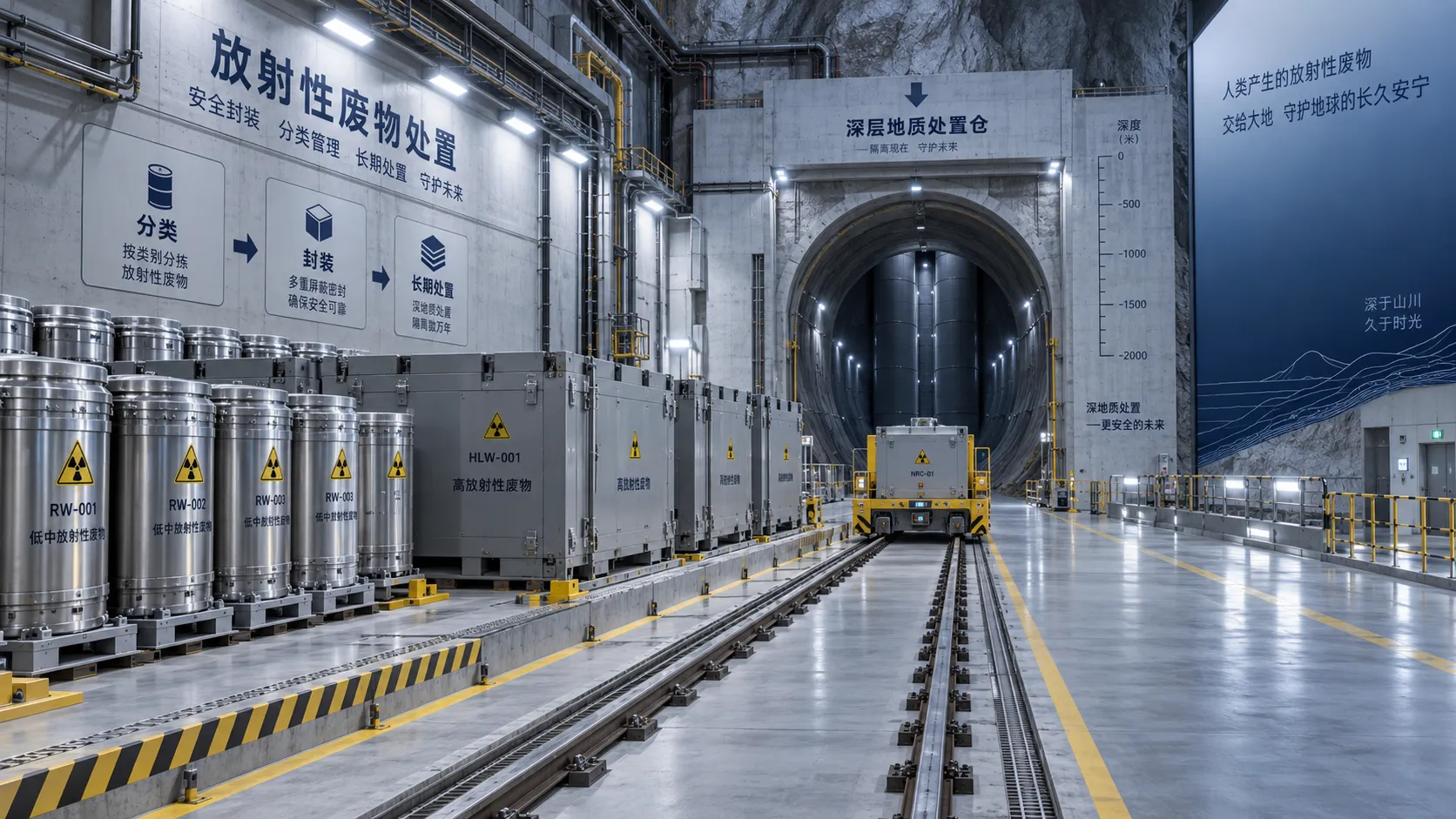
What drives radioactive waste cost over the life of a disposal project?
Radioactive waste cost depends on classification, treatment, transport, storage, disposal access, and long-term compliance. Explore the key lifecycle cost drivers.
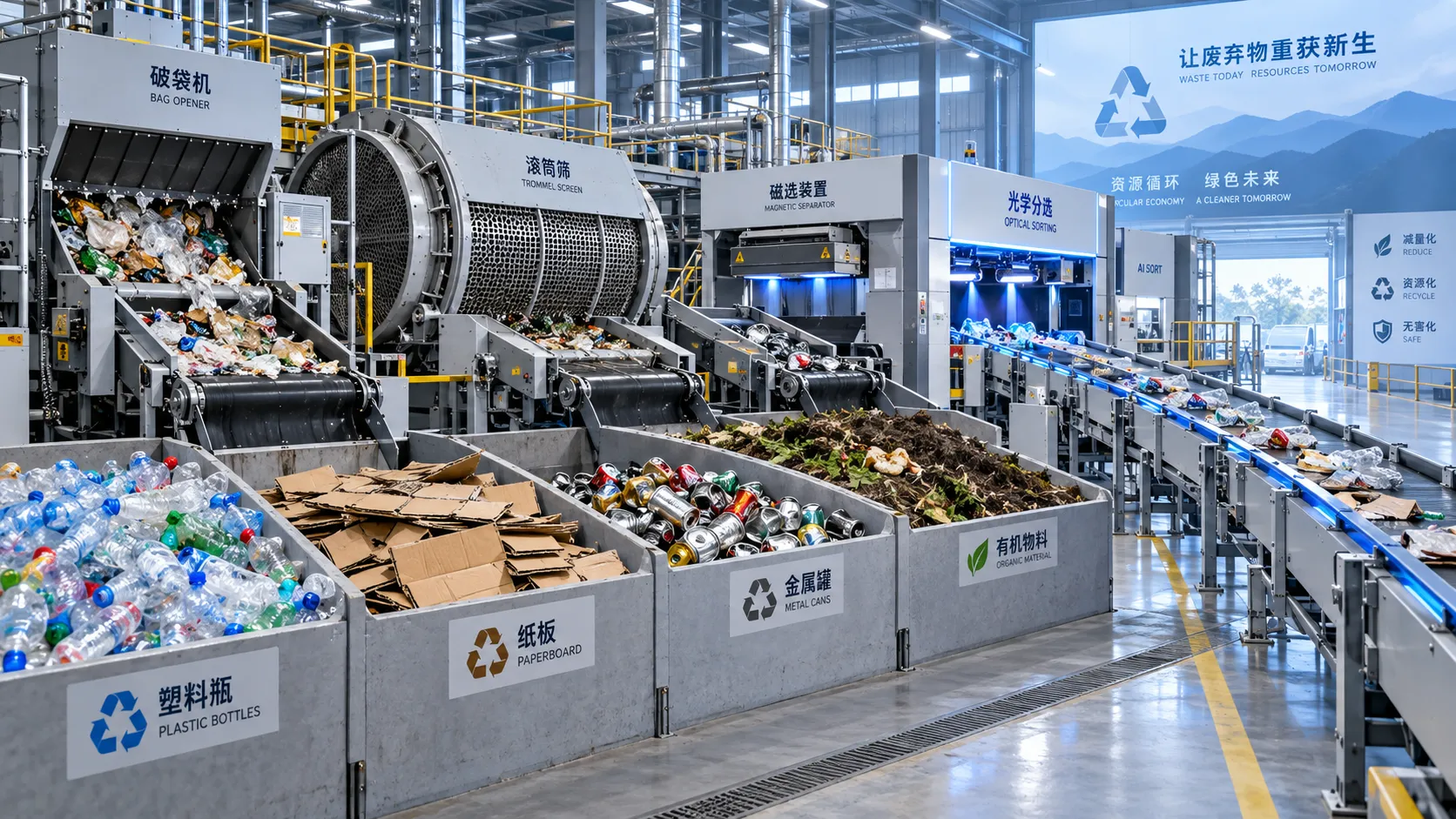
How to choose solid waste equipment based on waste stream characteristics
Environmental equipment guide for solid waste: discover how to match sorting, treatment, and recovery equipment to waste composition, moisture, contamination, and output goals.
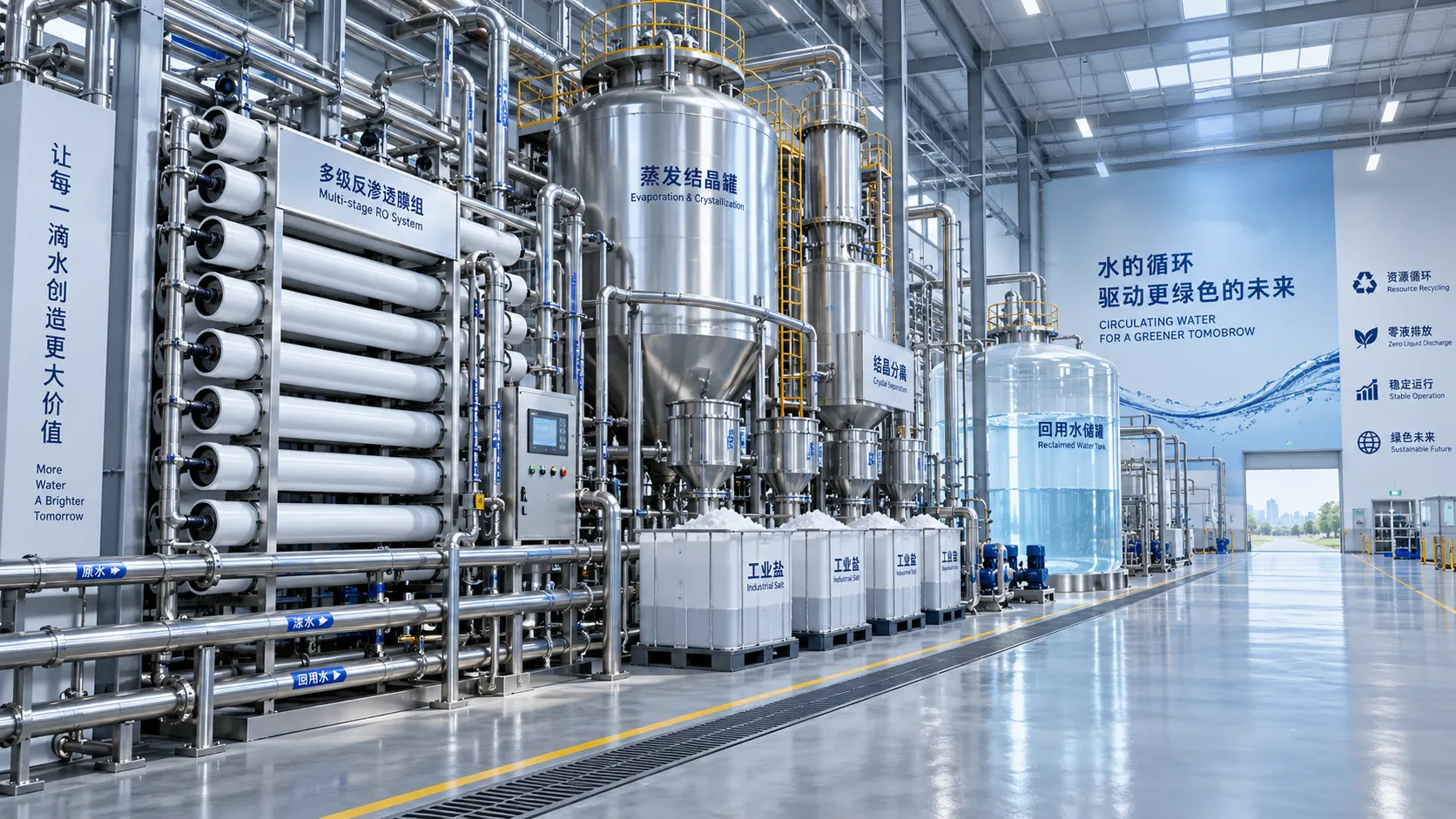
When does high recovery ZLD equipment justify its higher capital cost?
High recovery ZLD equipment can justify higher capital cost when water scarcity, discharge risks, brine disposal, and downtime threaten operations. Explore the decision factors.

How high purity heavy metal recovery affects recovered metal value
High purity heavy metal recovery boosts recovered metal value by improving payability, reducing penalties, and unlocking stronger buyer opportunities. Explore smarter netback strategies.
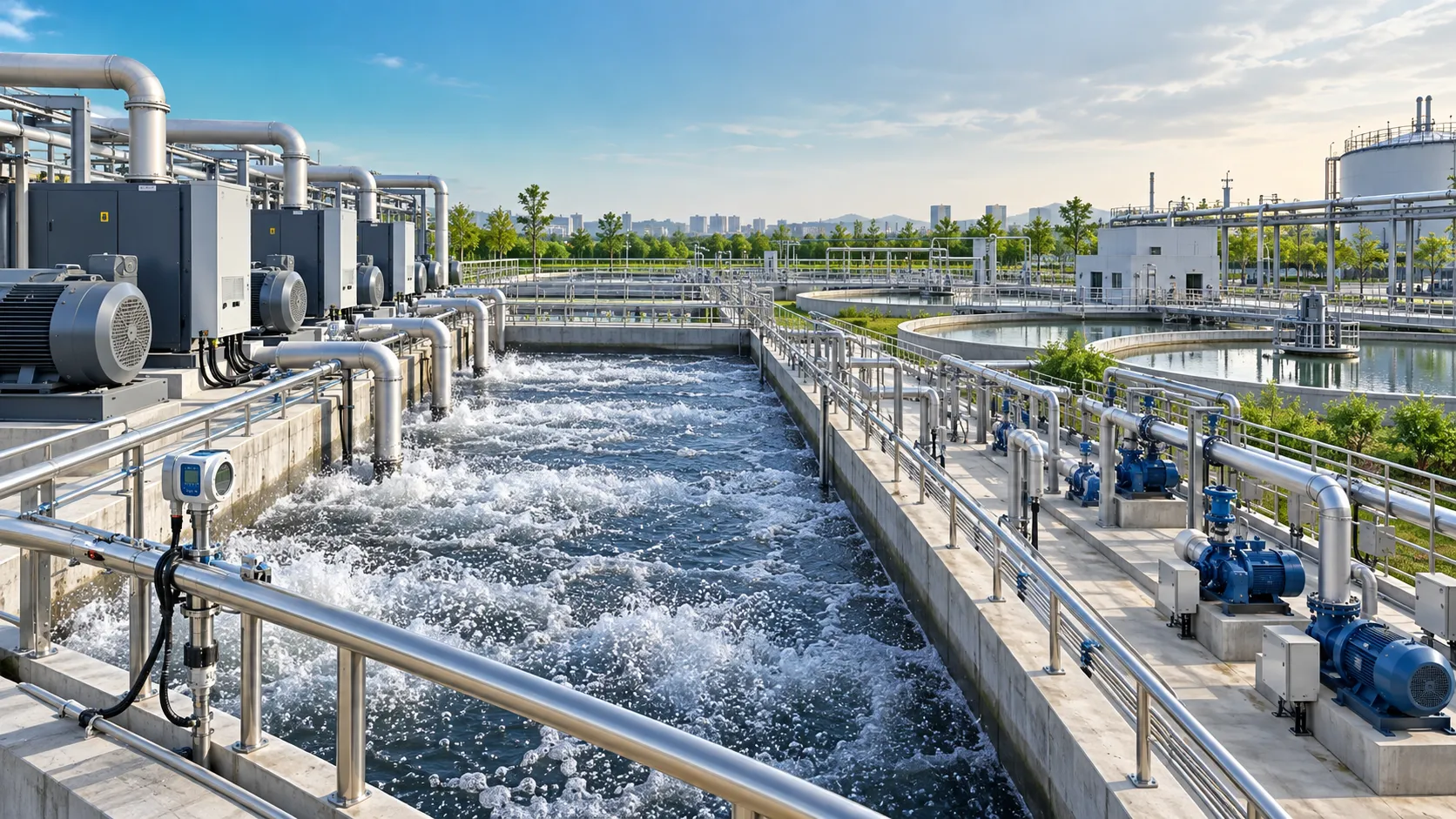
When does environmental equipment intelligence reduce wastewater plant energy use?
Environmental equipment intelligence for wastewater plants cuts energy use through smarter aeration, pumping, and data-driven controls—without compromising compliance. Discover when it delivers measurable savings.