
Industry News
Curation by industry experts
Hot Articles
Popular Tags
Carbon Neutrality Certification Standards: Key Compliance Risks in 2026
As 2026 gets closer, carbon neutrality certification standards are moving beyond reputation management. They now shape financing terms, cross-border eligibility, procurement scoring, and the defensibility of environmental performance claims.
That shift matters across water treatment, waste recovery, flue gas control, desalination, and nuclear waste management. In these sectors, carbon data is tied to complex equipment chains, energy profiles, and increasingly strict verification expectations.
The immediate risk is not only failure to certify. It is passing an internal review, then losing credibility during external audit, tender due diligence, lender scrutiny, or market-entry checks.
Why carbon certification has become a board-level issue
Carbon neutrality certification standards define how an organization measures, reduces, and balances residual emissions. They usually combine accounting rules, boundary-setting methods, evidence requirements, and third-party assurance procedures.
In earlier years, many companies treated certification as a public narrative tool. That approach is becoming risky because regulators, investors, insurers, and project owners now compare claims against underlying operational data.
For capital-intensive environmental infrastructure, this is especially sensitive. A desalination line, ZLD system, pyrolysis plant, or nuclear waste treatment process may appear climate-aligned while hiding high indirect emissions, unstable energy sourcing, or weak documentation.
Seen from the ESD perspective, the challenge is practical. Carbon compliance is no longer separate from membrane efficiency, catalyst behavior, waste heat recovery, vitrification stability, or digital traceability across complex assets.
What the standards actually test
The phrase carbon neutrality certification standards often sounds broad, but audits usually concentrate on a few hard questions. The first is boundary integrity.
Auditors want to know which facilities, processes, subsidiaries, and outsourced operations are included. They also test whether Scope 1, Scope 2, and relevant Scope 3 categories are selected consistently.
The second question is data quality. Metering logic, utility bills, equipment logs, laboratory records, ERP exports, supplier declarations, and emissions factors must align. Small inconsistencies often trigger deeper review.
The third is reduction credibility. Carbon neutrality is not meant to rest on offsets alone. Standards increasingly examine whether operational decarbonization happened first, especially in energy-intensive environmental systems.
The last is claim governance. Even when calculations are technically sound, a company may still fail if public language overstates the scope, duration, or certainty of the certification.
The compliance risks most likely to intensify in 2026
1. Boundary errors inside complex industrial systems
Large environmental assets rarely operate as isolated units. A wastewater plant may share steam, chemicals, sludge handling, and backup generation with other facilities.
If the carbon inventory treats these flows inconsistently, certification can be challenged. The problem becomes sharper in EPC structures, joint ventures, and concession-based projects.
2. Scope 3 underestimation
Many organizations still focus on direct fuel use and purchased electricity. Yet carbon neutrality certification standards are placing more pressure on embodied carbon, transport, reagent sourcing, and end-of-life treatment.
This matters for RO membranes, pressure vessels, specialty alloys, sorbents, catalysts, concrete works, and hazardous waste packaging. Where supplier data is weak, assumptions can become audit liabilities.
3. Poor traceability between operational and carbon data
A common weakness is the disconnect between sustainability reports and plant-level records. If a flue gas treatment unit shows changing load factors, but carbon reports use static assumptions, trust erodes quickly.
The same issue appears in desalination when specific energy consumption differs across seasons, pretreatment modes, or membrane aging cycles. Carbon claims must reflect those variations.
4. Offset dependency without reduction proof
Offsets remain part of many programs, but low-quality or poorly matched credits are receiving more scrutiny. Certification bodies increasingly expect a clear hierarchy: measure, reduce, then compensate residual emissions.
Where energy efficiency projects are technically feasible, offset-heavy neutrality claims may be judged as weak governance rather than mature climate strategy.
5. Cross-border inconsistency
Different jurisdictions are tightening rules around climate claims, product footprints, and import-related carbon disclosures. A certificate accepted in one market may not satisfy procurement or reporting demands in another.
This is where CBAM-related pressure and regional assurance practices begin to overlap. Companies operating globally need alignment between certification language and trade-facing carbon evidence.
Where these risks appear in real operating environments
The exposure profile differs by asset type. Carbon neutrality certification standards do not fail companies in the same way across all environmental segments.
In practice, the strongest certification cases are built where engineering data and carbon accounting use the same operational reality, not parallel reporting narratives.
How to read certification strength before problems surface
A certificate alone says very little. The better question is whether the underlying system would survive a second review by lenders, customers, or regulators.
- Check whether organizational and operational boundaries match legal, financial, and plant-control structures.
- Verify that emissions factors, utility records, and production data come from version-controlled sources.
- Review how Scope 3 categories were excluded, not only how included categories were calculated.
- Test whether offset volumes are proportionate to genuine residual emissions.
- Compare external climate claims with what the assurance statement actually covers.
This is where strategic intelligence becomes valuable. ESD-style monitoring of regulation shifts, equipment evolution, and cross-market procurement expectations helps reveal whether a certification program is robust or merely presentable.
A practical approach for 2026 readiness
Preparation should start with a carbon boundary map tied to actual assets, contracts, and energy interfaces. That map needs to reflect operational complexity, not organizational convenience.
The next step is evidence architecture. Metering, SCADA outputs, purchasing systems, maintenance records, laboratory data, and supplier declarations should be connected before formal assurance begins.
Then comes technical prioritization. In many environmental projects, the most defensible carbon gains come from energy intensity reduction, process optimization, heat integration, chemical efficiency, and reliability improvements.
Only after that should offset strategy be finalized. When carbon neutrality certification standards are treated in this order, claims become easier to defend across tenders, financing reviews, and external scrutiny.
For 2026, the useful question is no longer whether certification is desirable. It is whether the current carbon system can withstand verification under real operating conditions, cross-border comparison, and rising claim sensitivity.
A disciplined review of boundaries, data lineage, reduction evidence, and market-specific rules is the most reliable next move. That work often determines whether certification remains a document or becomes a durable commercial asset.
Recommended News
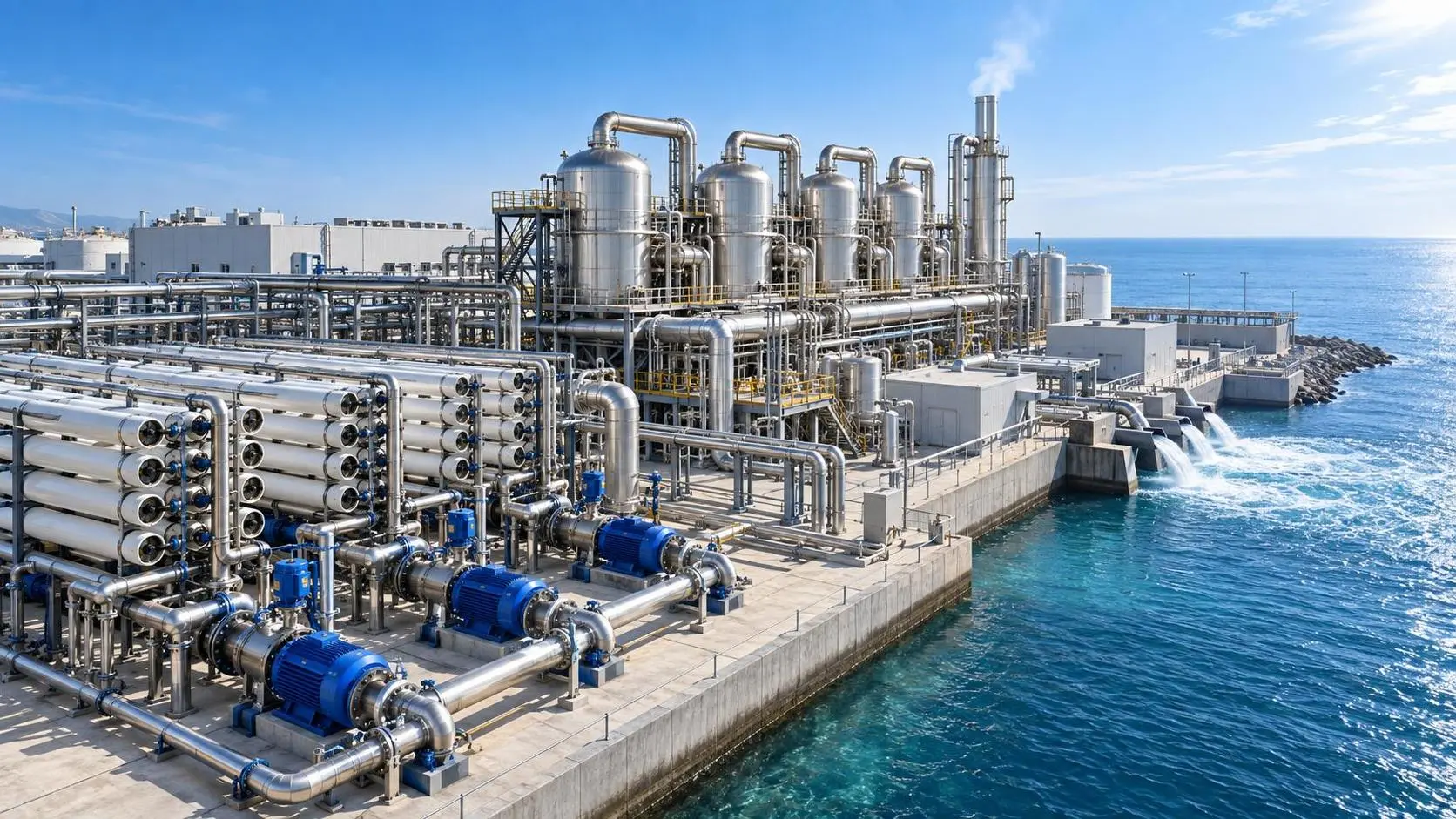
RO vs MED desalination: which is more energy-efficient at scale?
Desalination technology comparison: RO vs MED at scale. See how energy use, waste heat, feedwater, carbon, and flexibility determine the best choice.
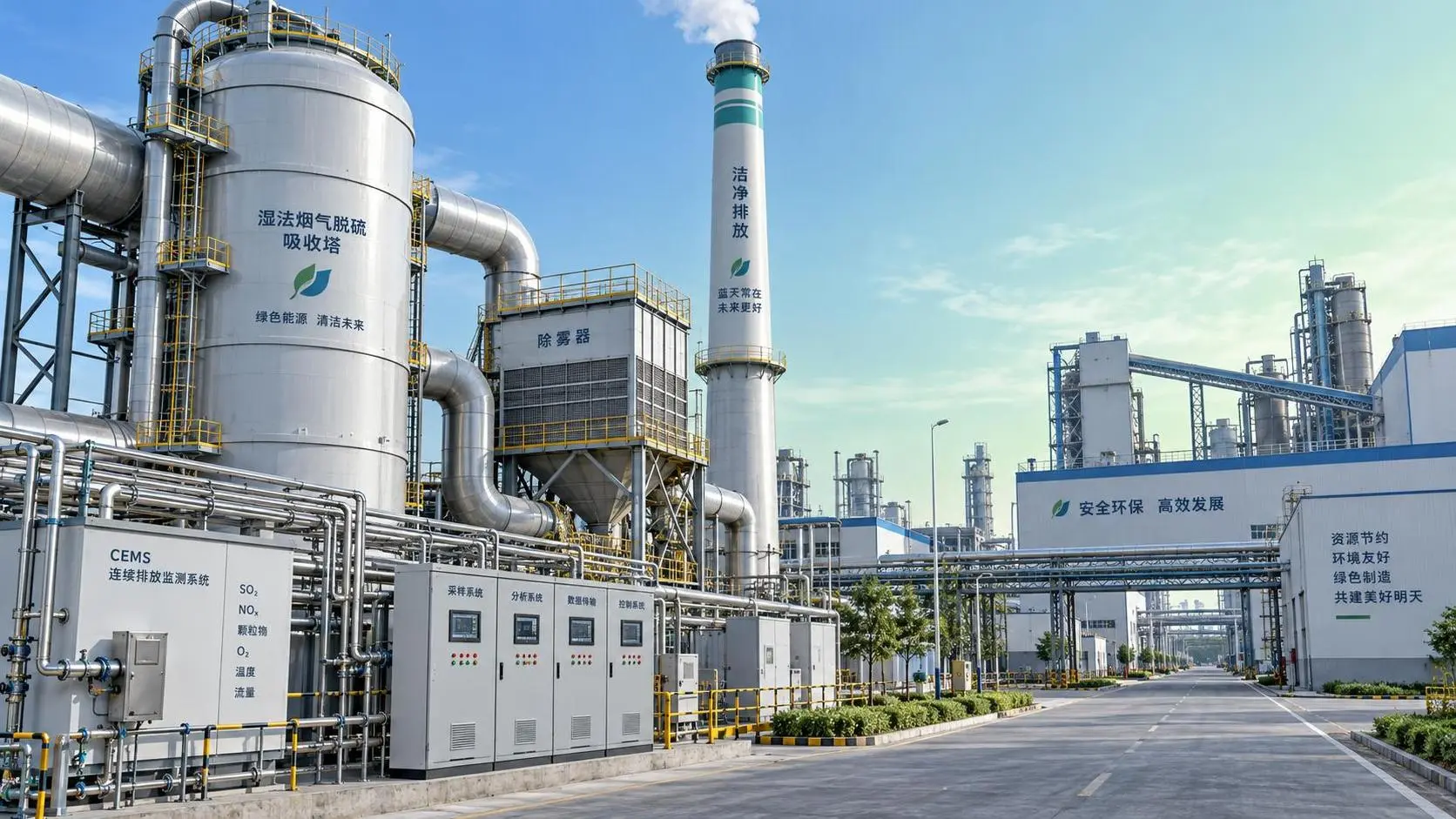
Which ISO standards apply to flue gas treatment systems?
Flue gas treatment systems ISO standards: explore key requirements for emissions testing, CEMS, safety, fabrication, corrosion control, and compliant project evaluation.

When corrosion resistant purification systems are needed for brine treatment
Corrosion resistant purification systems for brine treatment: assess chloride, heat, scaling, materials, and lifecycle reliability for demanding water projects.

How preventive maintenance reduces seawater desalination equipment downtime
Seawater desalination equipment maintenance reduces downtime through proactive monitoring, pretreatment protection, and planned repairs. Explore practical strategies for reliable RO performance.
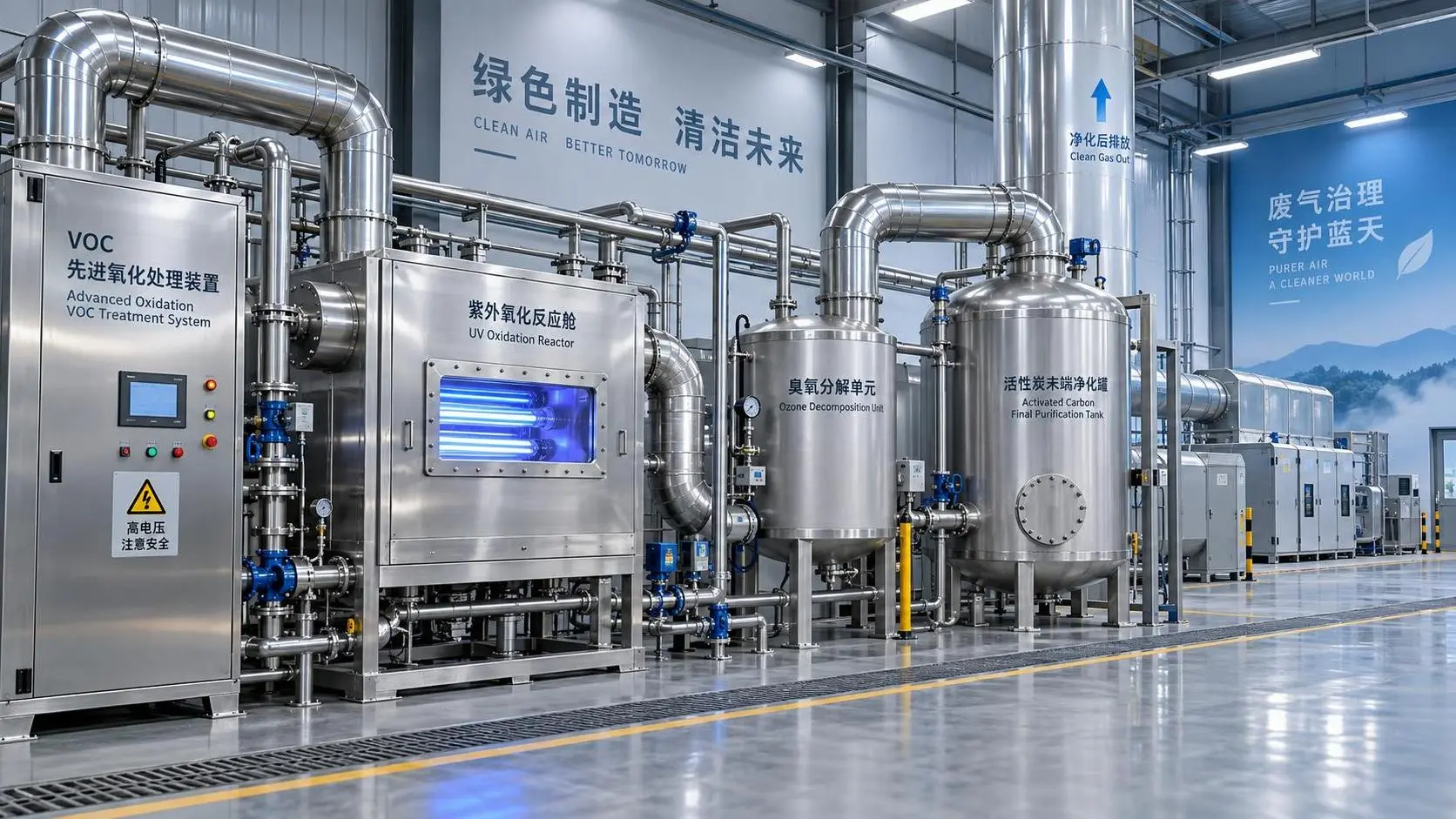
When are advanced oxidation processes the right choice for VOC control?
Advanced oxidation processes for VOC control: learn when AOPs outperform conventional options, manage by-products, and achieve reliable compliance.
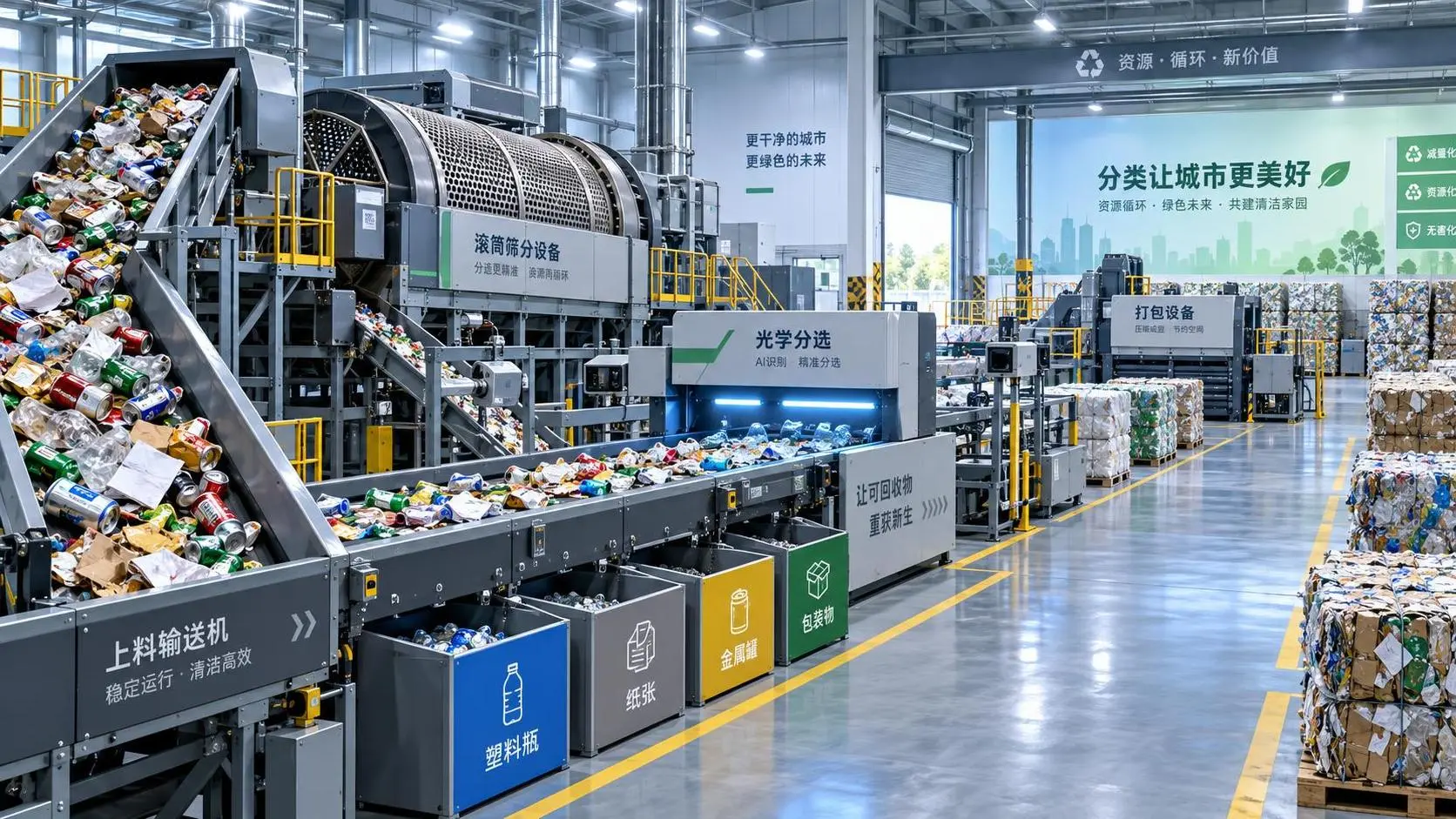
What throughput should municipal waste sorting equipment deliver?
Waste sorting equipment for municipal waste: learn how to set reliable throughput based on peak loads, material quality, uptime, and recovery targets.
What carbon neutrality means for corporate investment decisions
Carbon neutrality is transforming corporate investment decisions. Explore how lifecycle economics, efficiency, compliance, and resilience can drive measurable returns and lasting advantage.
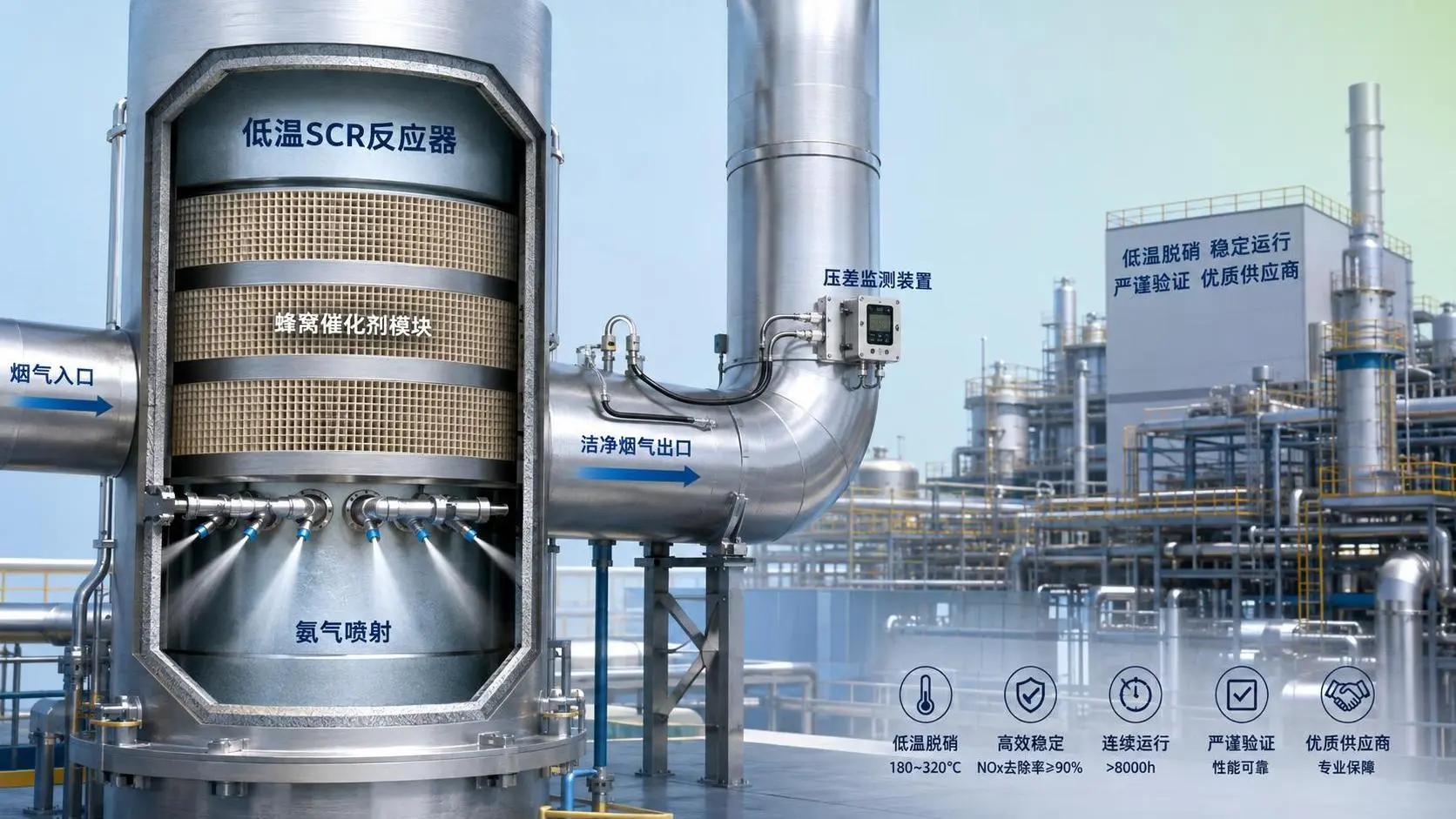
What to verify before choosing a low temperature SCR supplier
Low temperature SCR supplier checklist: verify catalyst temperature range, sulfur resistance, ammonia slip, pressure drop, lifecycle cost, and support before award.
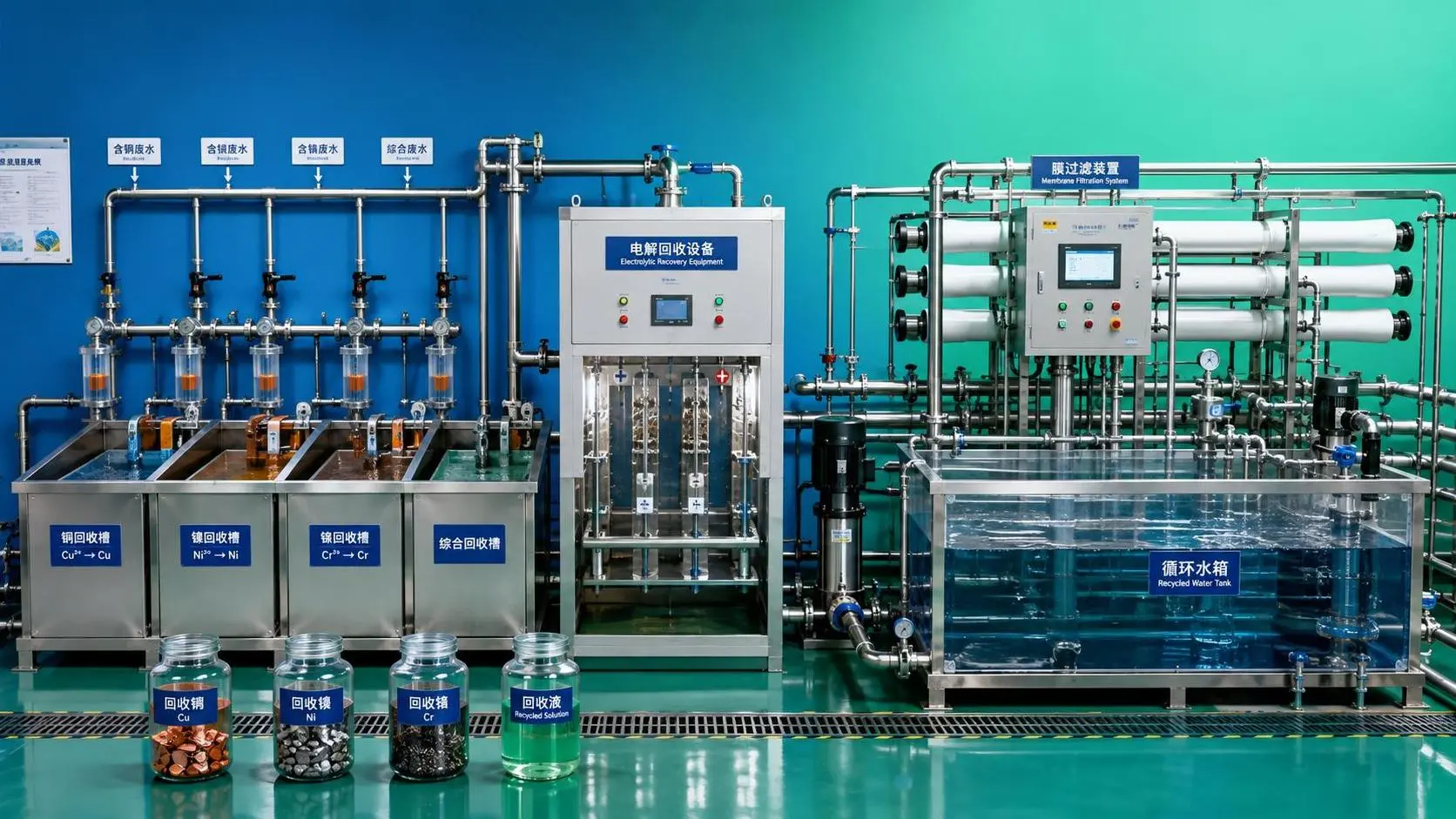
How closed-loop resource recovery for electroplating cuts metal waste
Closed-loop resource recovery for electroplating reduces metal waste, sludge, and water use through smarter stream segregation, recovery, and reuse strategies.