
Industry News
Curation by industry experts
Hot Articles
Popular Tags
Advanced Water Purification Technologies for Stable Reuse Quality
For quality control and safety management teams, advanced water purification technologies are no longer optional. They are central to stable reuse quality, tighter compliance, and lower operational risk.
In large treatment systems, reuse performance depends on more than removal efficiency. It also depends on consistency, resilience, trace contaminant control, and smart process integration.
Within the broader ecological engineering landscape, advanced water purification technologies connect water security, industrial continuity, and environmental governance. That is why ESD tracks them as strategic infrastructure intelligence.
What are advanced water purification technologies, and why do they matter for reuse quality?
Advanced water purification technologies are high-performance treatment methods designed to remove dissolved salts, organics, pathogens, metals, and emerging pollutants with greater precision.
They usually combine multiple barriers. Common examples include ultrafiltration, reverse osmosis, nanofiltration, electrodeionization, advanced oxidation, activated carbon, and intelligent disinfection control.
For stable reuse quality, the goal is not occasional success. The goal is repeatable water quality under changing feed conditions, seasonal shocks, and stricter discharge or reuse standards.
This matters in sectors where reclaimed water supports boilers, cooling towers, process rinsing, microelectronics, food-adjacent utilities, or municipal non-potable networks.
Without advanced water purification technologies, reuse systems may meet average targets yet fail on peak conductivity, TOC, silica, hardness, or microbial stability.
That gap creates scaling, corrosion, membrane fouling, product risk, and permit exposure. Stable reuse quality protects both assets and compliance credibility.
Key performance outcomes
- Lower variability in conductivity, turbidity, TOC, and microbial load
- Higher process reliability during feedwater fluctuation
- Better compatibility with closed-loop reuse and ZLD pathways
- Reduced lifecycle risk for pumps, membranes, heat exchangers, and downstream units
Which treatment combinations deliver the most stable reclaimed water?
No single process solves every reuse challenge. The most effective advanced water purification technologies work as staged systems, where each barrier protects the next one.
A common industrial train starts with equalization and clarification. It then uses ultrafiltration for suspended solids control, reverse osmosis for dissolved contaminants, and polishing for final stability.
When organics are persistent, activated carbon or advanced oxidation improves protection. When ionic purity is critical, electrodeionization or mixed-bed polishing can tighten final specifications.
Typical technology roles
- Ultrafiltration: stabilizes SDI, turbidity, and microbial solids before membranes.
- Reverse osmosis: removes salts, hardness, nitrate, and many dissolved organics.
- Nanofiltration: useful for selective hardness and color reduction with lower pressure.
- Advanced oxidation: degrades refractory organics, odor compounds, and some micropollutants.
- Activated carbon: buffers organic spikes and protects downstream oxidation or membranes.
- UV and controlled disinfection: support microbiological stability in storage and distribution.
The right sequence depends on feedwater chemistry and reuse target. Municipal secondary effluent differs sharply from refinery wastewater, textile rinse water, or landfill leachate blends.
Advanced water purification technologies should therefore be selected through pilot validation, not brochure claims alone. Feed variability often determines long-term success more than nameplate recovery.
How should systems be selected for different application scenarios?
Selection starts with the reuse endpoint. Water for cooling makeup needs different control priorities than water for high-pressure boilers or sensitive washing lines.
The second factor is risk tolerance. Some sites can tolerate periodic blending. Others require strict stability because even short excursions disrupt production or trigger compliance events.
Scenario-based selection logic
For integrated environmental projects, advanced water purification technologies should also align with sludge handling, concentrate management, energy use, and digital monitoring architecture.
That systems view is increasingly important in large water treatment plants and desalination-linked reuse networks, where one weak interface can reduce total plant resilience.
What are the most common risks, mistakes, and false assumptions?
A frequent mistake is selecting advanced water purification technologies by removal percentage alone. Stable reuse quality depends equally on uptime, cleanability, sensor coverage, and upset tolerance.
Another mistake is underestimating pretreatment. Poor solids control, oil carryover, or biological instability can destroy membrane economics long before design life is reached.
There is also a misconception that higher recovery is always better. In reality, excessive recovery can raise scaling risk, increase cleaning frequency, and destabilize final water quality.
Risk checklist for implementation
- Ignoring seasonal feedwater variation during design
- Using limited grab samples instead of trend-based characterization
- Missing trace contaminants such as PFAS precursors or solvent residues
- Underdesigning redundancy for critical reuse supply
- Separating water treatment decisions from concentrate or brine strategy
- Treating automation as optional rather than core process protection
In high-value reuse systems, advanced water purification technologies should be paired with online conductivity, TOC, ORP, turbidity, and membrane performance analytics.
That digital layer helps detect drift early. It also supports traceability, which is essential when regulatory audits or internal quality incidents occur.
How do cost, energy, and compliance affect technology decisions?
Capital cost matters, but operating cost often decides long-term feasibility. Advanced water purification technologies can reduce total risk even when their initial investment appears higher.
Energy use is especially important in RO-heavy or desalination-linked systems. However, poor quality stability can create hidden costs through downtime, chemical overuse, and asset damage.
Compliance is becoming stricter across industrial and municipal environments. That includes emerging contaminants, discharge transparency, and indirect pressure from carbon and resource efficiency policies.
Decision factors beyond purchase price
- Expected feed variability over twelve months
- Energy intensity per cubic meter of compliant reuse water
- Chemical demand, cleaning intervals, and membrane replacement cycles
- Concentrate disposal or ZLD pathway complexity
- Data reporting needs for audits, permits, and ESG disclosure
ESD’s intelligence perspective is that advanced water purification technologies should be measured as strategic environmental assets, not isolated utility purchases.
That approach aligns water reuse with decarbonization, resource recovery, and global compliance strategies across integrated ecological infrastructure.
What should be reviewed before launch, scaling, or retrofit?
Before launch, confirm target water specifications, not just generic reuse language. Numeric limits for conductivity, silica, TOC, pathogens, and trace compounds must be clearly defined.
Before scaling, verify pilot results against full-range operating conditions. Stable reuse quality during average weeks does not guarantee performance during shock loads.
Before retrofit, evaluate whether upstream equalization, pretreatment, or automation improvements could solve the core issue more efficiently than adding polishing equipment.
Quick FAQ summary table
Advanced water purification technologies are the foundation of reliable reuse when quality cannot drift. Their value lies in precision, resilience, and system-level integration.
The strongest next step is a structured review of feedwater variability, reuse targets, pretreatment strength, monitoring gaps, and concentrate management constraints.
With that framework, advanced water purification technologies can be matched to actual risk, helping ecological infrastructure projects achieve durable water quality and stronger environmental performance.
Recommended News
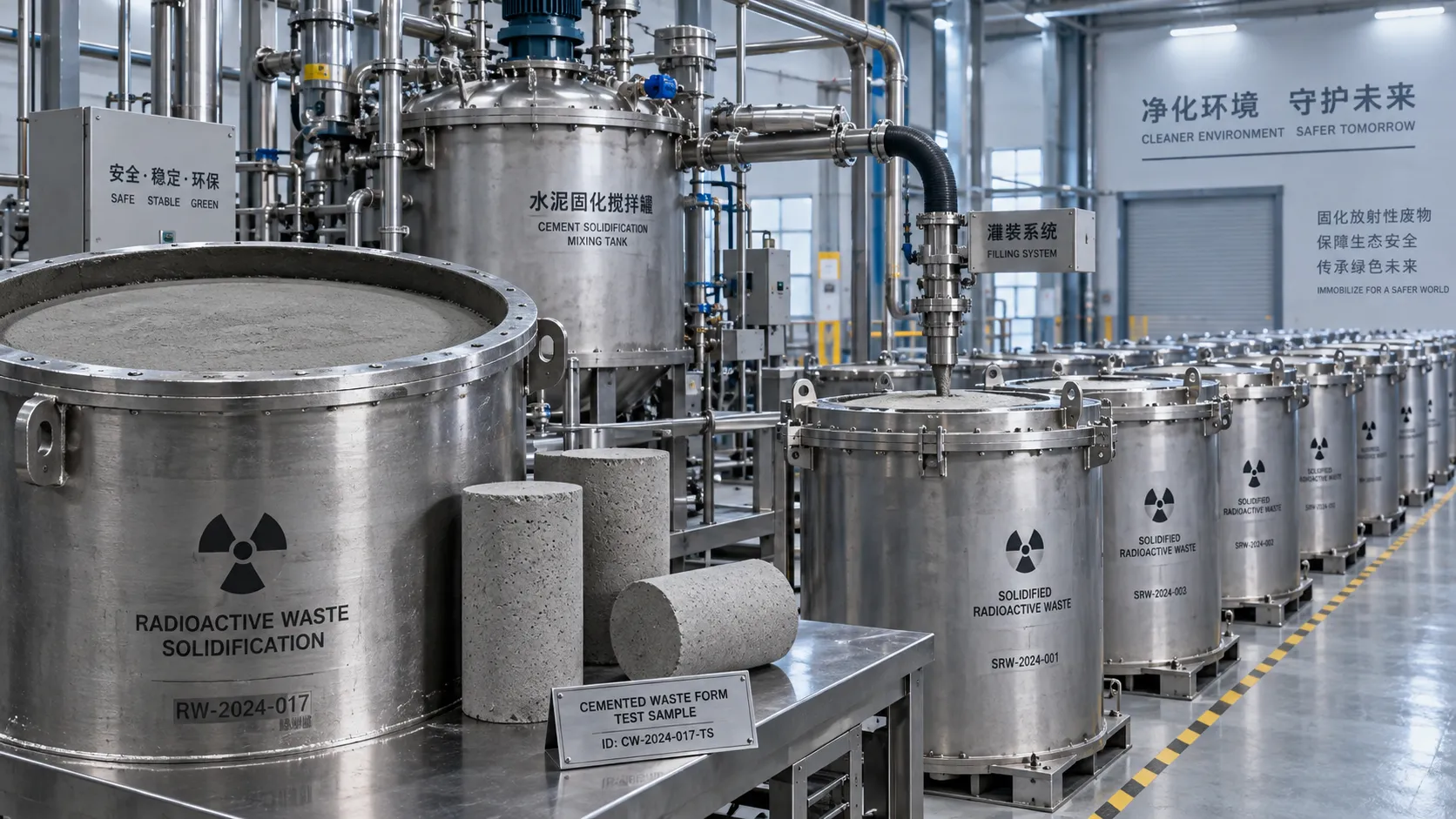
When is cementation suitable for nuclear decommissioning waste?
Explore nuclear waste treatment technology for decommissioning: learn when cementation fits, which risks to assess, and how disposal criteria guide an effective treatment choice.
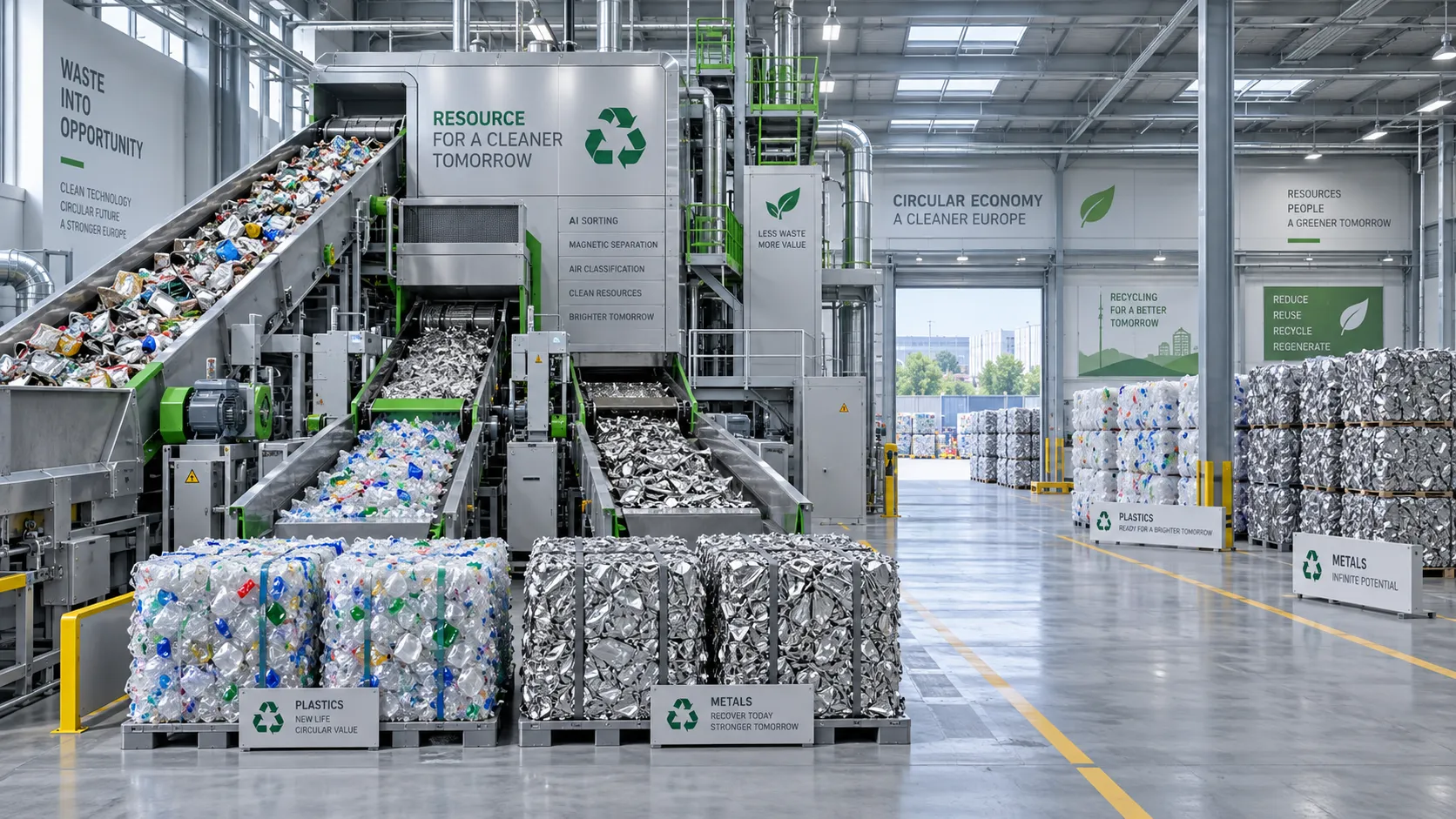
What determines payback for waste-to-resource systems in Europe?
Assess waste-to-resource systems Europe-wide: compare feedstock, recovery yields, costs and contracts to uncover payback drivers and make smarter investment decisions.
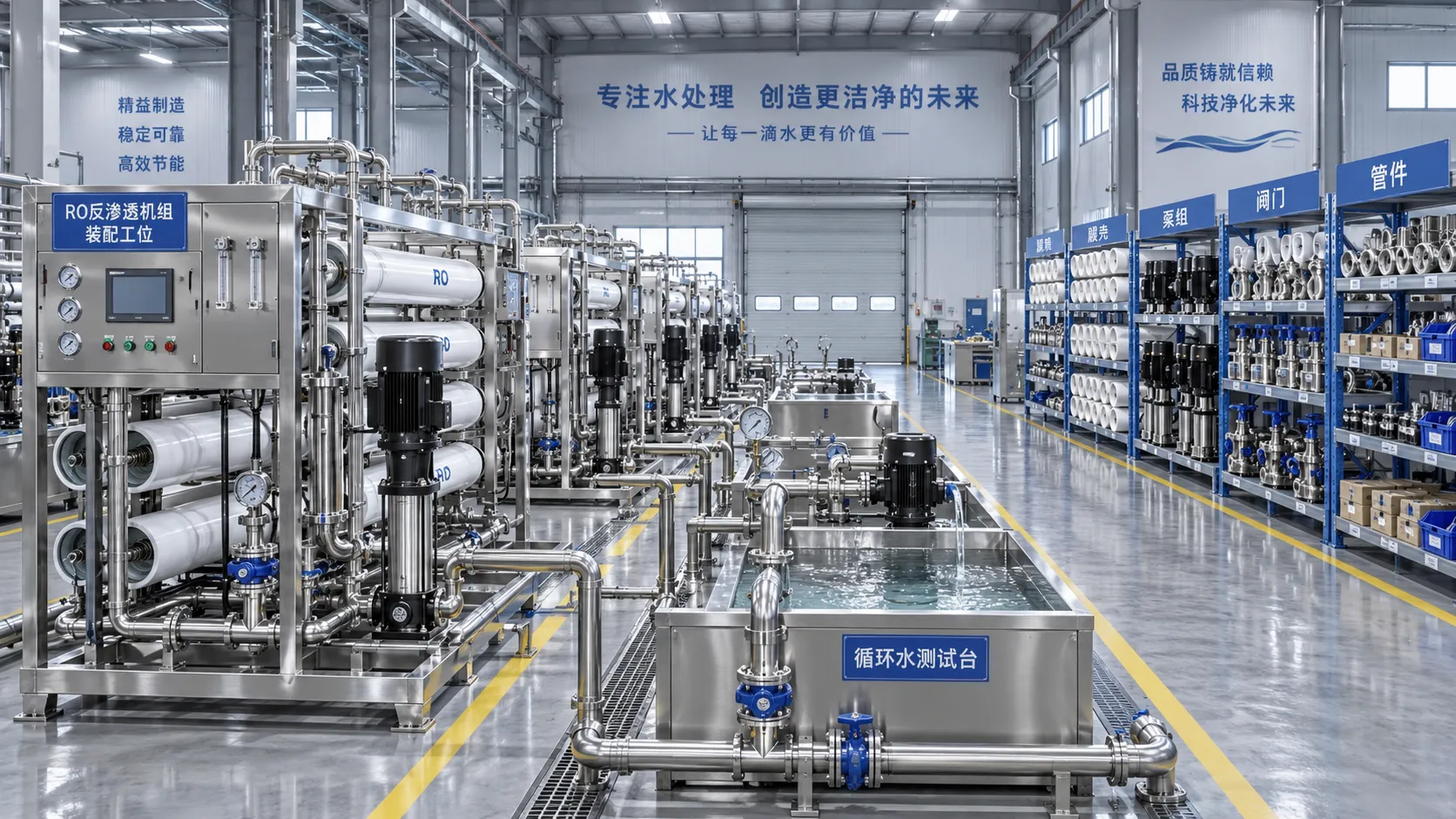
How to verify a water treatment system factory’s production capacity
Verify a water treatment systems factory’s production capacity through records, bottlenecks, component availability, and testing. Learn what to check before accepting a delivery promise.
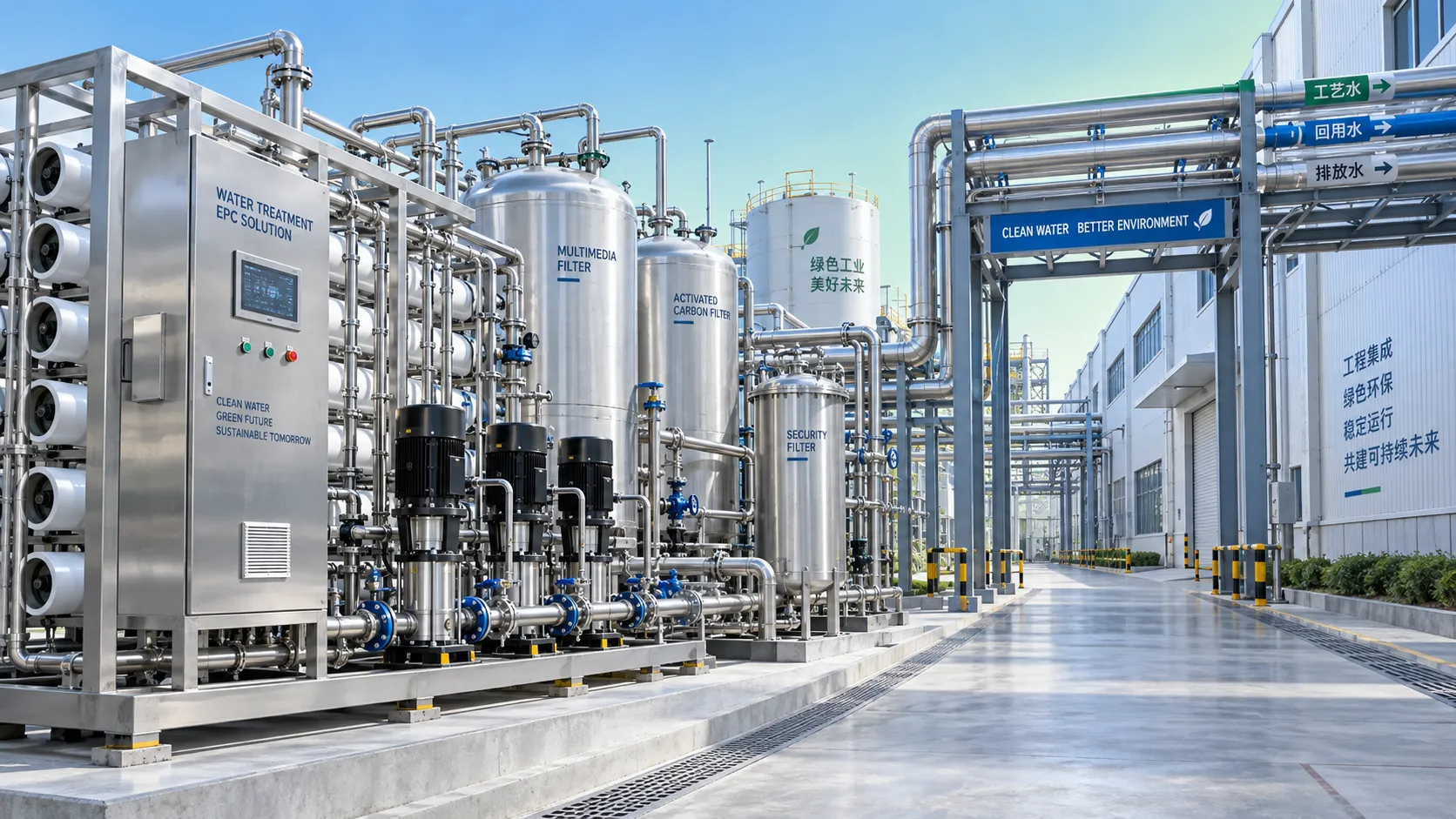
When does EPC environmental project support reduce delivery risk?
EPC environmental project support engineering reduces delivery risk by aligning design, procurement, compliance, construction, and commissioning decisions.
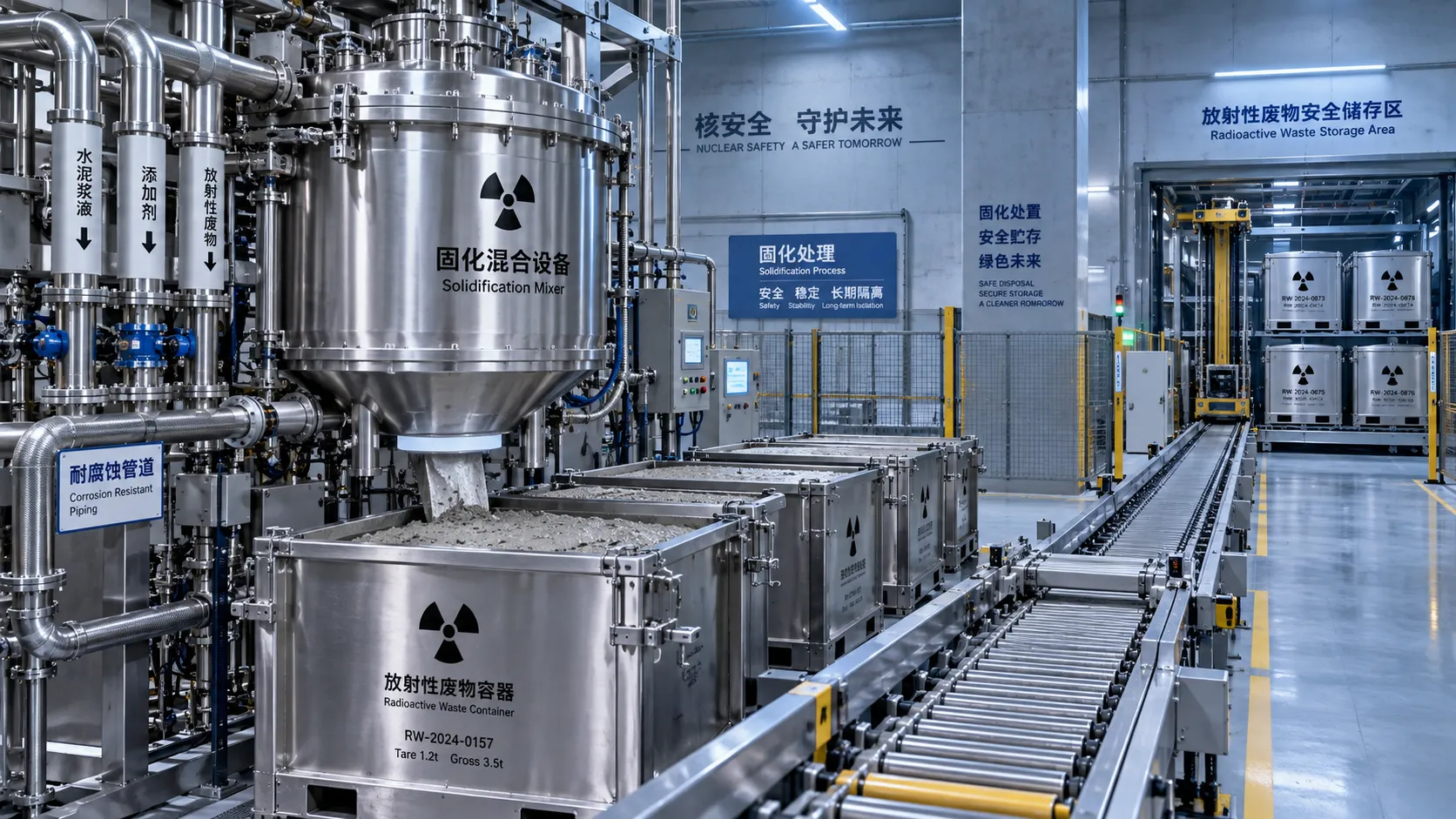
How nuclear plants select a radioactive waste solidification method
Radioactive waste management for nuclear plants: compare vitrification, cementation, polymers, and ceramics to select a compliant, durable solidification solution.
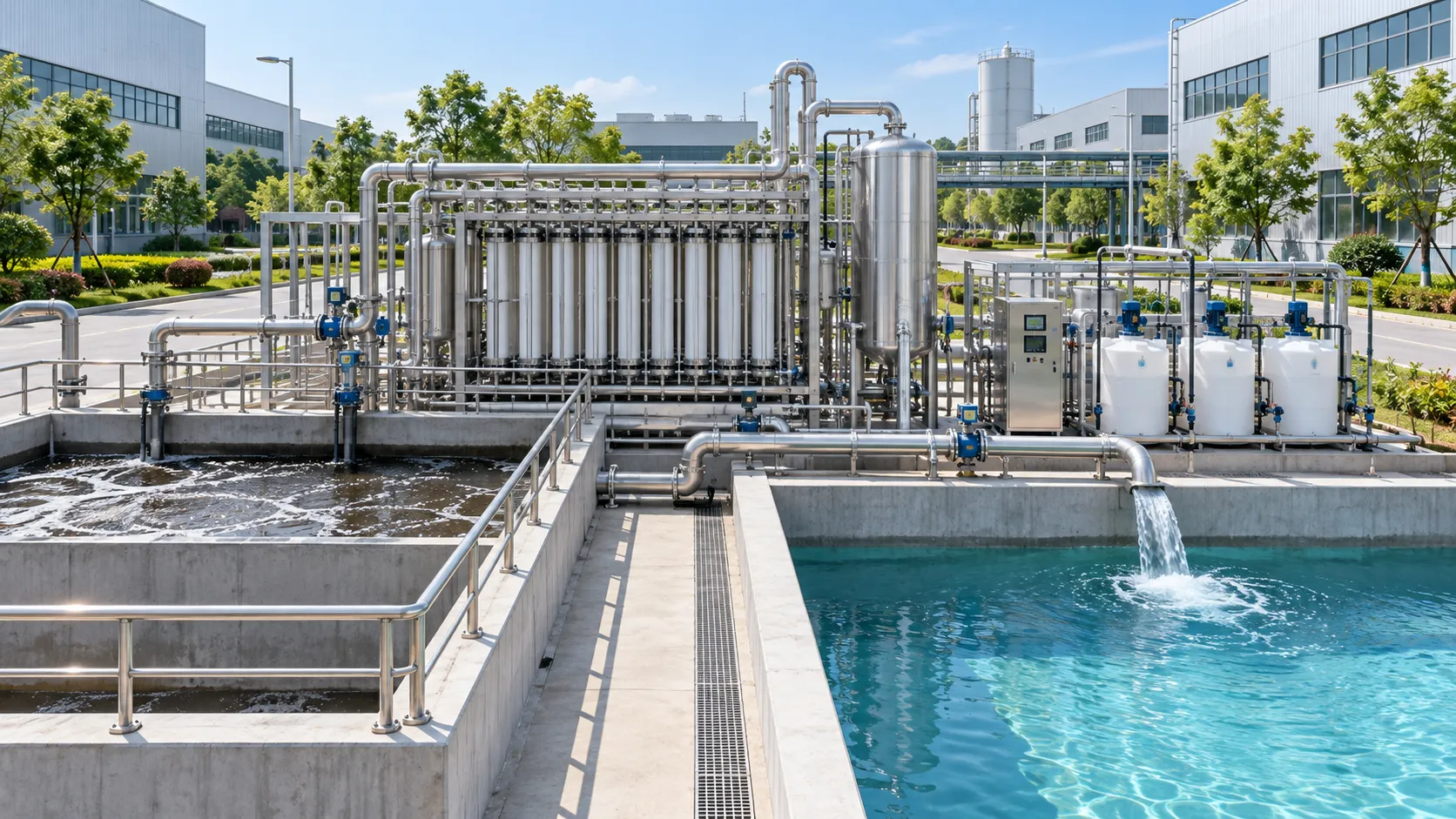
Comparing Upgrade Costs for Industrial Park Wastewater Treatment Systems
Compare costs for wastewater system upgrades in industrial parks with a lifecycle view of CAPEX, OPEX, compliance, resilience, and future expansion.
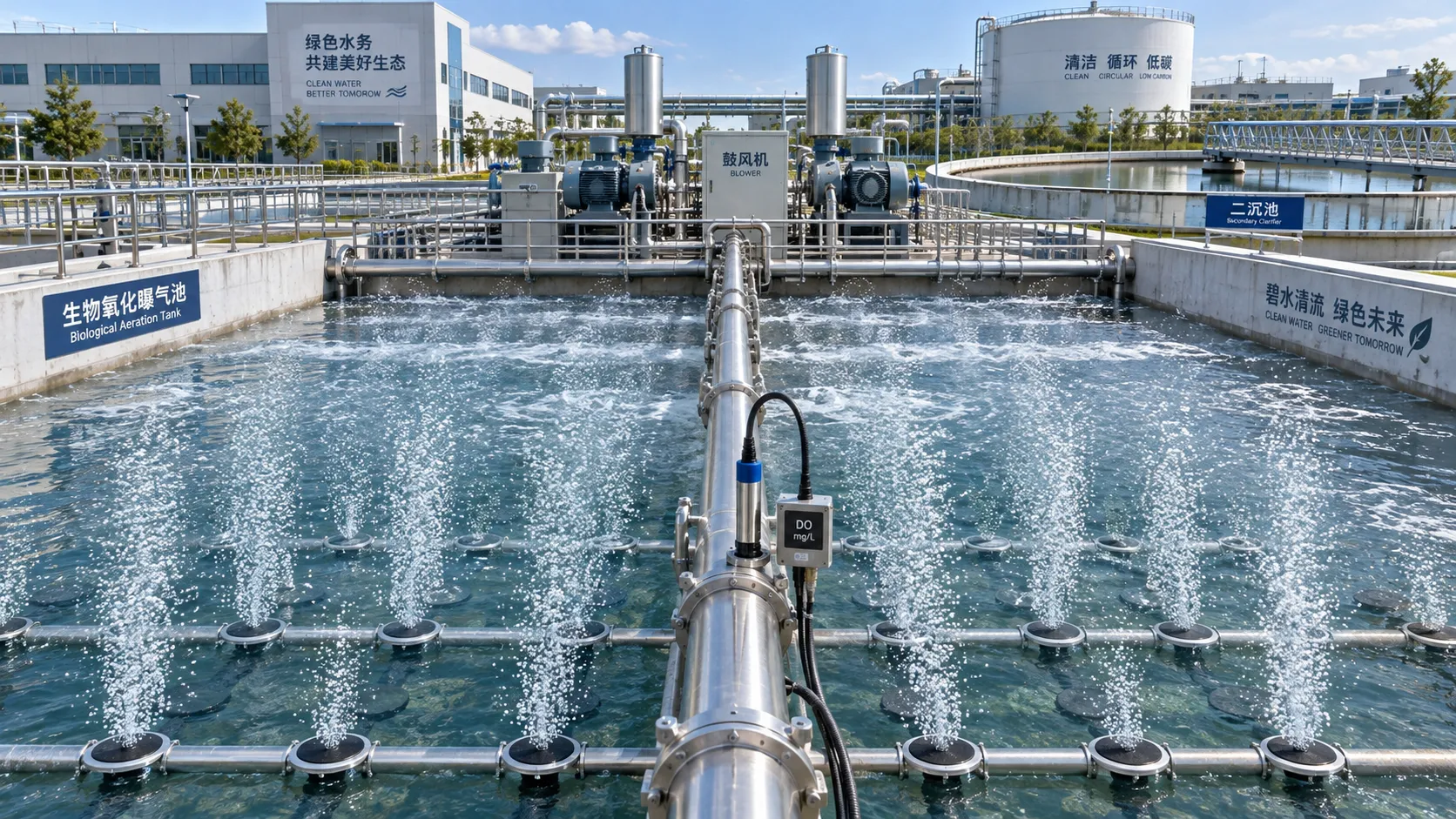
Biological Wastewater Oxidation Explained: Aeration Demand and Process Control
Biological wastewater oxidation explained: optimize aeration demand, DO control, nitrification, and sludge age for stable effluent quality and lower energy costs.
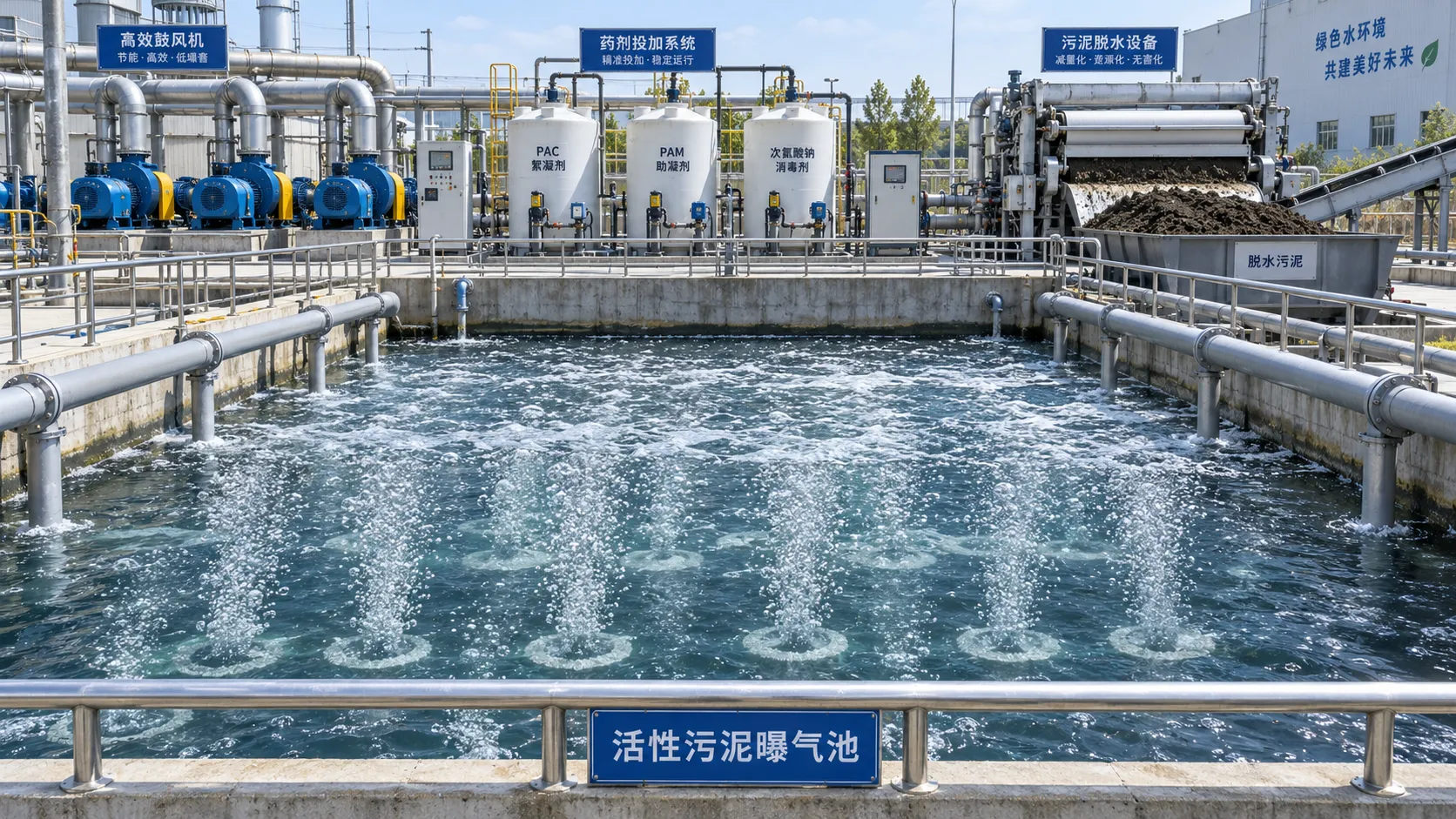
Activated Sludge Cost: Budgeting Energy, Chemicals, Sludge, and Labor
Activated sludge cost explained: compare energy, chemicals, sludge disposal, labor, and compliance risks to build a reliable lifecycle budget.
When Should Municipal Wastewater Plants Upgrade Treatment Capacity and Controls?
Municipal wastewater treatment upgrades: learn when capacity, controls, and resilient planning are needed to protect compliance and optimize plant performance.