
Industry News
Curation by industry experts
Hot Articles
Popular Tags
Radioactive Waste Management Solutions: Core Safety Checks
Radioactive Waste Management Solutions Are Entering a Higher-Integrity Era
For quality control and safety management teams, radioactive waste management solutions now face stricter proof requirements than ever before.
Compliance alone is no longer enough.
Facilities must demonstrate real containment reliability, transport resilience, documentation accuracy, and long-term storage stability under credible operating stress.
This shift matters across the broader environmental protection industry.
As industrial sustainability standards rise, radioactive waste management solutions are increasingly judged by measurable safety performance, not by procedural completion alone.
In nuclear-linked environmental systems, one weak checkpoint can undermine regulatory trust, public acceptance, and asset continuity.
That is why the strongest operators are rechecking core safety layers from packaging to storage surveillance.
Current Signals Show Safety Verification Is Becoming More Demanding
Several industry signals show why radioactive waste management solutions are being reassessed with sharper technical scrutiny.
First, aging nuclear infrastructure is generating mixed waste streams with more varied physical and chemical profiles.
Second, disposal pathways are facing tighter review for packaging integrity, radiological characterization, and retrievability assumptions.
Third, climate-linked risks are changing site evaluation standards.
Flooding, heat stress, corrosion acceleration, and power disruption now shape nuclear waste safety planning more directly.
Fourth, digital reporting expectations are rising.
Auditable records, chain-of-custody clarity, and real-time condition monitoring have become central to credible radioactive waste management solutions.
These pressures are pushing facilities toward integrated, evidence-based control systems rather than isolated safety checks.
Why the Market Is Moving This Way
Core Safety Checks Now Define the Credibility of Radioactive Waste Management Solutions
The most reliable radioactive waste management solutions are built around a repeatable set of safety checkpoints.
These checks should work together, not as disconnected inspection tasks.
1. Waste Characterization Must Be Exact
Every safety decision begins with correct waste profiling.
That includes radionuclide identity, activity level, heat generation, chemical reactivity, moisture, and physical form.
If characterization is weak, the entire radioactive waste management solution becomes vulnerable to misclassification and control failure.
2. Containment Performance Must Be Proven
Primary containers should be tested for leakage resistance, closure integrity, and degradation behavior under expected storage conditions.
Where liquids, sludges, or resins are involved, immobilization quality requires extra validation.
Strong radioactive waste management solutions verify both short-term handling safety and long-horizon retention performance.
3. Shielding Effectiveness Needs Real Measurement
Shielding assumptions should never remain theoretical.
Dose rate mapping, hotspot confirmation, and exposure pathway review are essential.
In advanced radioactive waste management solutions, shielding validation is repeated after repackaging, movement, or storage reconfiguration.
4. Traceability Must Survive the Full Lifecycle
Each package needs a clear identity linked to source, contents, handling steps, inspections, transport history, and destination status.
Missing data weakens operational defense during incidents and audits.
High-quality radioactive waste management solutions use digital traceability to reduce record gaps and transcription errors.
5. Transport Safety Checks Must Reflect Real Route Risks
Transport is often the most visible risk point.
Checks should include package security, impact tolerance, contamination control, route exposure analysis, and emergency response readiness.
Effective radioactive waste management solutions evaluate transfer timing, weather exposure, and interface risks at loading zones.
6. Long-Term Storage Stability Must Be Monitored, Not Assumed
Storage safety depends on environmental control and surveillance discipline.
Facilities should monitor corrosion indicators, radiation fields, temperature trends, moisture ingress, settlement, and ventilation performance.
Robust radioactive waste management solutions treat storage as an active safety system, not passive holding space.
These Safety Shifts Are Reshaping Multiple Business Links
The rise of evidence-based radioactive waste management solutions affects more than nuclear handling operations.
It also changes engineering design, environmental reporting, contractor selection, equipment maintenance, and infrastructure investment planning.
Within integrated environmental industries, nuclear waste management now influences how organizations define resilience, compliance maturity, and technical credibility.
A failure in waste containment or traceability can affect permitting confidence across related projects.
That is especially important for enterprises operating near high-scrutiny sectors such as water treatment, hazardous materials control, and heavy industrial remediation.
Operational Areas Seeing the Largest Impact
- Packaging design now requires stronger material compatibility evidence.
- Inspection programs are moving from periodic review to condition-based surveillance.
- Digital records are becoming central to radioactive waste management solutions.
- Transport planning is expanding to include climate and disruption scenarios.
- Storage sites are being judged on long-term recoverability and monitoring depth.
What Deserves Immediate Attention in Nuclear Waste Safety Systems
Facilities reviewing radioactive waste management solutions should focus on the issues most likely to create hidden vulnerability.
- Verify whether waste characterization data match actual package conditions.
- Check if container testing reflects realistic storage duration and chemistry.
- Confirm shielding performance after any packaging or inventory change.
- Audit traceability from generation point to present storage status.
- Review transport interfaces, including crane handling and transfer staging areas.
- Assess whether monitoring systems can detect early corrosion or leakage signals.
- Test emergency plans against compound events, not single failures only.
A Practical Response Framework Can Strengthen Radioactive Waste Management Solutions
The Strongest Next Step Is a Defensible Safety Review
As scrutiny increases, radioactive waste management solutions must show operational truth, not just procedural completeness.
The most dependable path is a structured review of characterization, containment, shielding, traceability, transport, and storage stability.
That review should compare documented controls with actual field conditions.
Where gaps appear, corrective action should be prioritized by exposure risk and failure consequence.
For organizations following the wider environmental intelligence landscape, this is also a strategic signal.
High-integrity radioactive waste management solutions are becoming a benchmark for technical trust across complex ecological protection systems.
A disciplined safety check program today will support safer operations, stronger compliance confidence, and more resilient nuclear waste safety systems tomorrow.
Recommended News
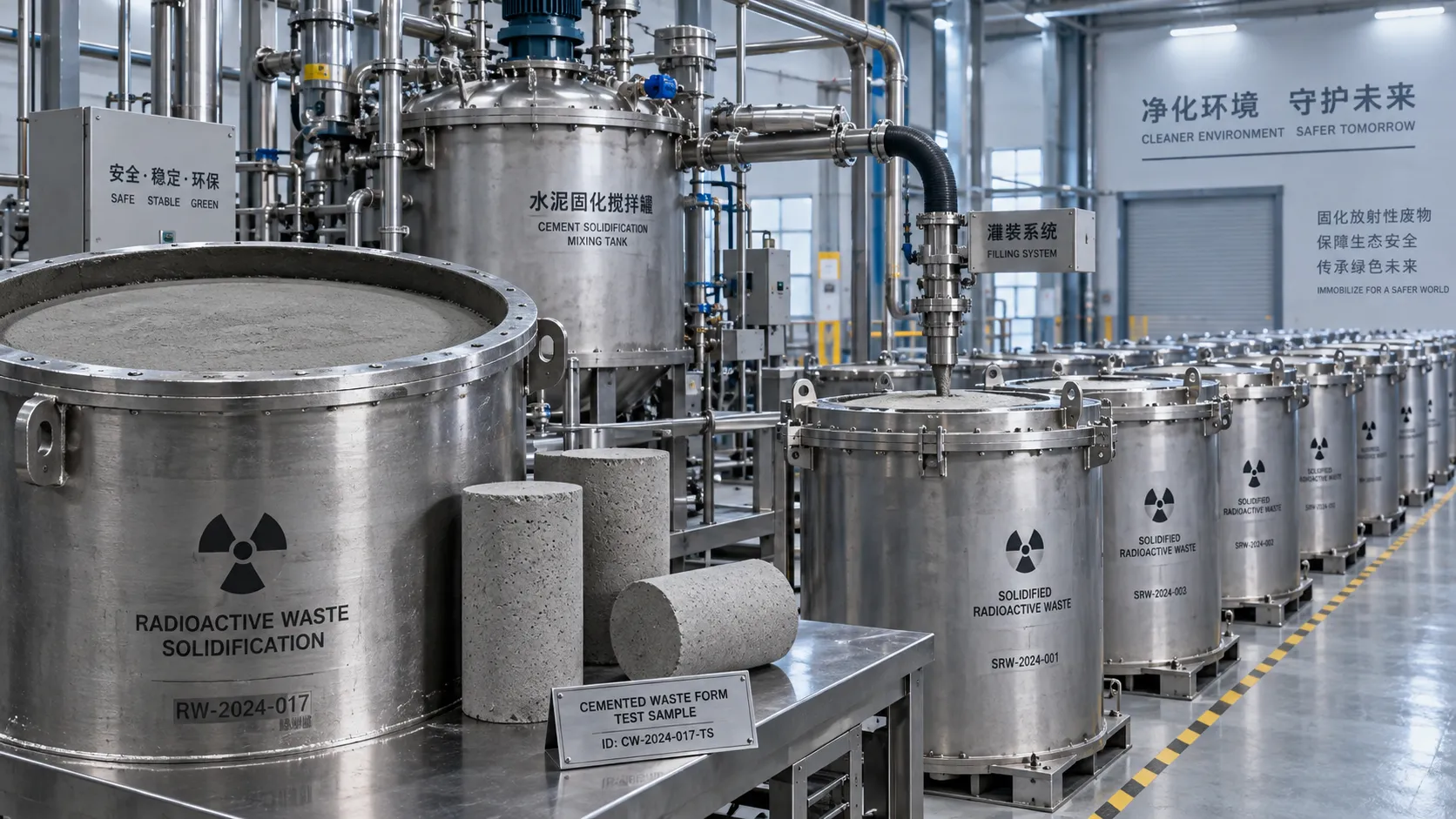
When is cementation suitable for nuclear decommissioning waste?
Explore nuclear waste treatment technology for decommissioning: learn when cementation fits, which risks to assess, and how disposal criteria guide an effective treatment choice.
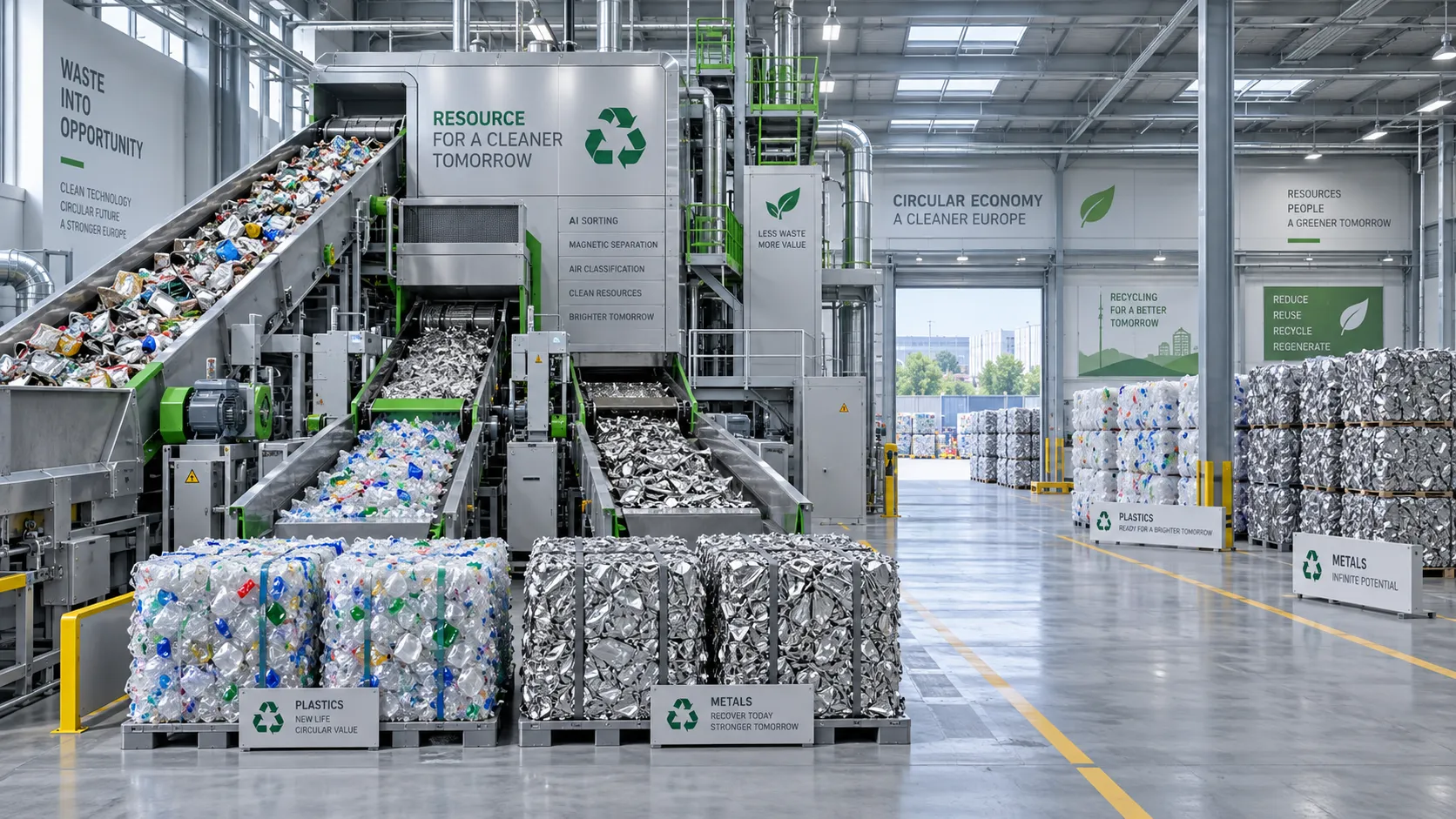
What determines payback for waste-to-resource systems in Europe?
Assess waste-to-resource systems Europe-wide: compare feedstock, recovery yields, costs and contracts to uncover payback drivers and make smarter investment decisions.
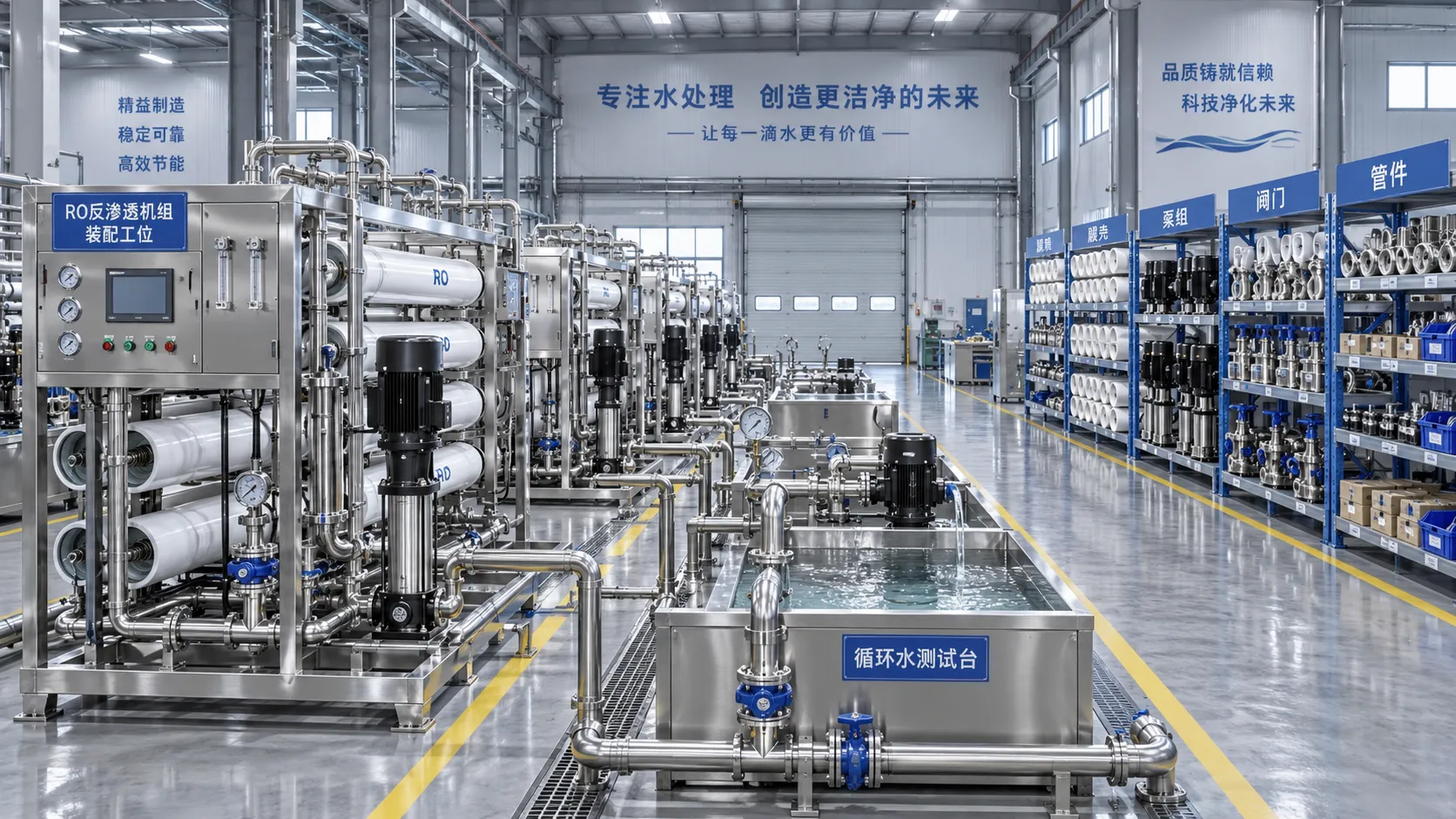
How to verify a water treatment system factory’s production capacity
Verify a water treatment systems factory’s production capacity through records, bottlenecks, component availability, and testing. Learn what to check before accepting a delivery promise.
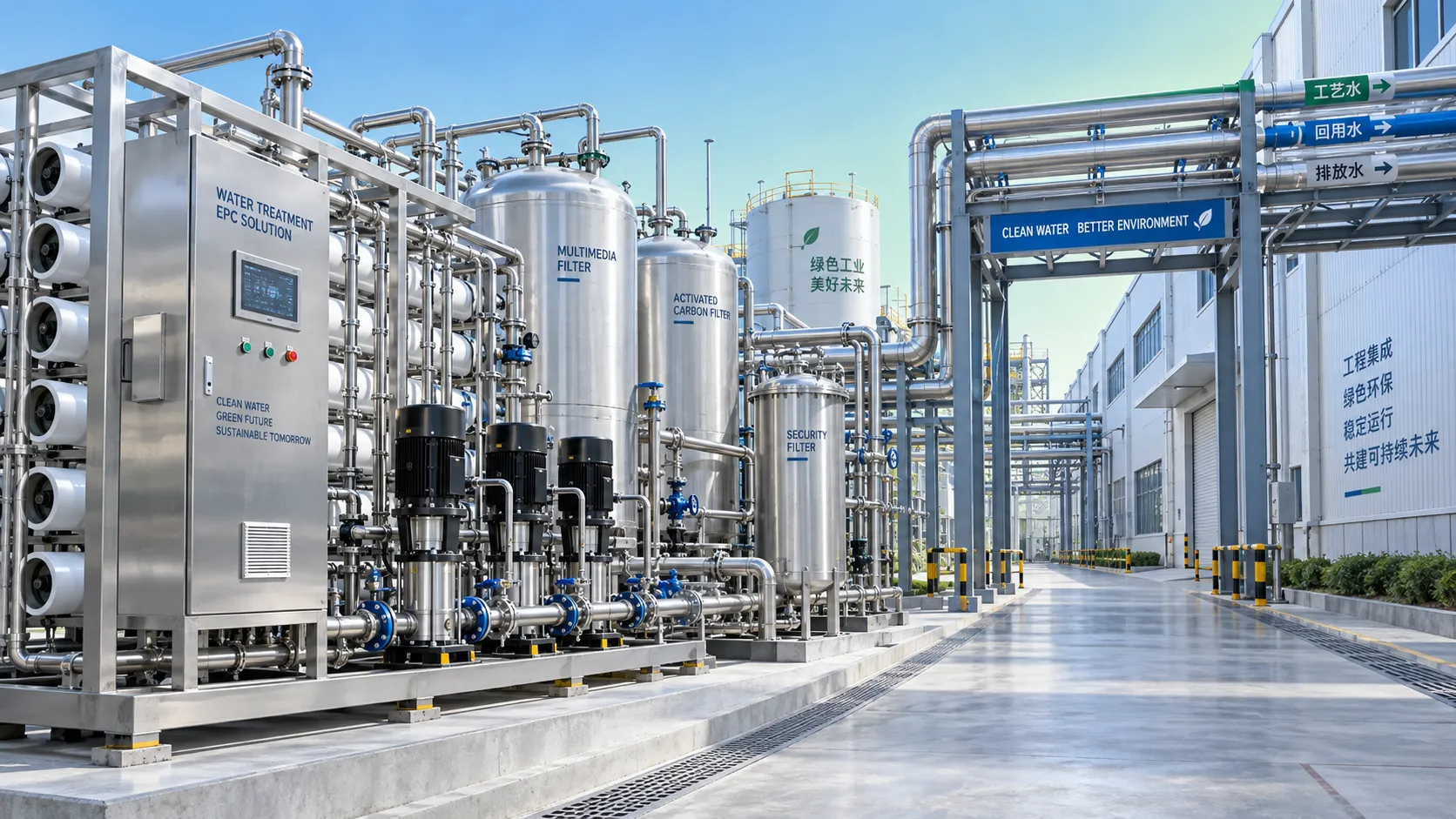
When does EPC environmental project support reduce delivery risk?
EPC environmental project support engineering reduces delivery risk by aligning design, procurement, compliance, construction, and commissioning decisions.
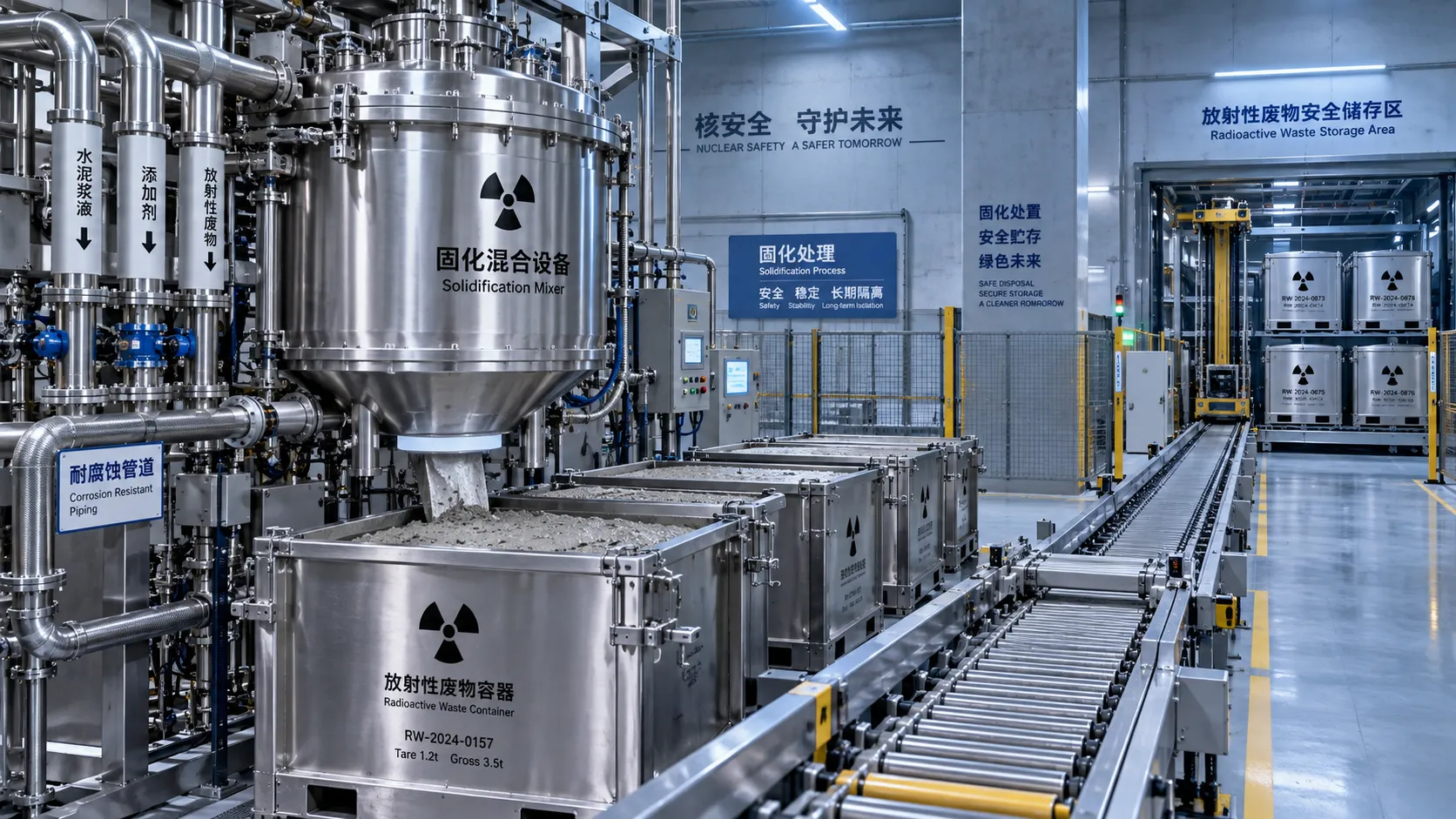
How nuclear plants select a radioactive waste solidification method
Radioactive waste management for nuclear plants: compare vitrification, cementation, polymers, and ceramics to select a compliant, durable solidification solution.
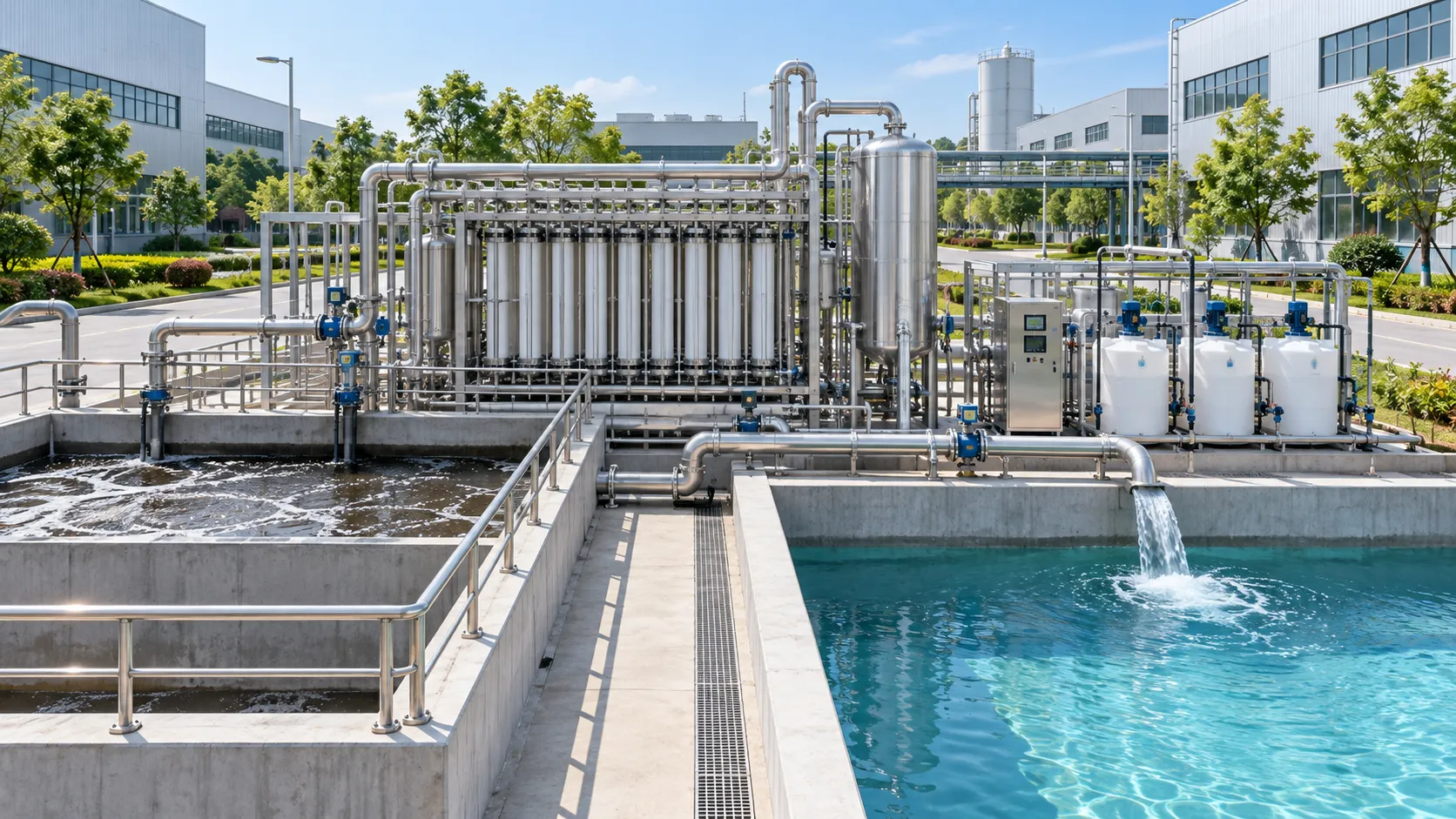
Comparing Upgrade Costs for Industrial Park Wastewater Treatment Systems
Compare costs for wastewater system upgrades in industrial parks with a lifecycle view of CAPEX, OPEX, compliance, resilience, and future expansion.
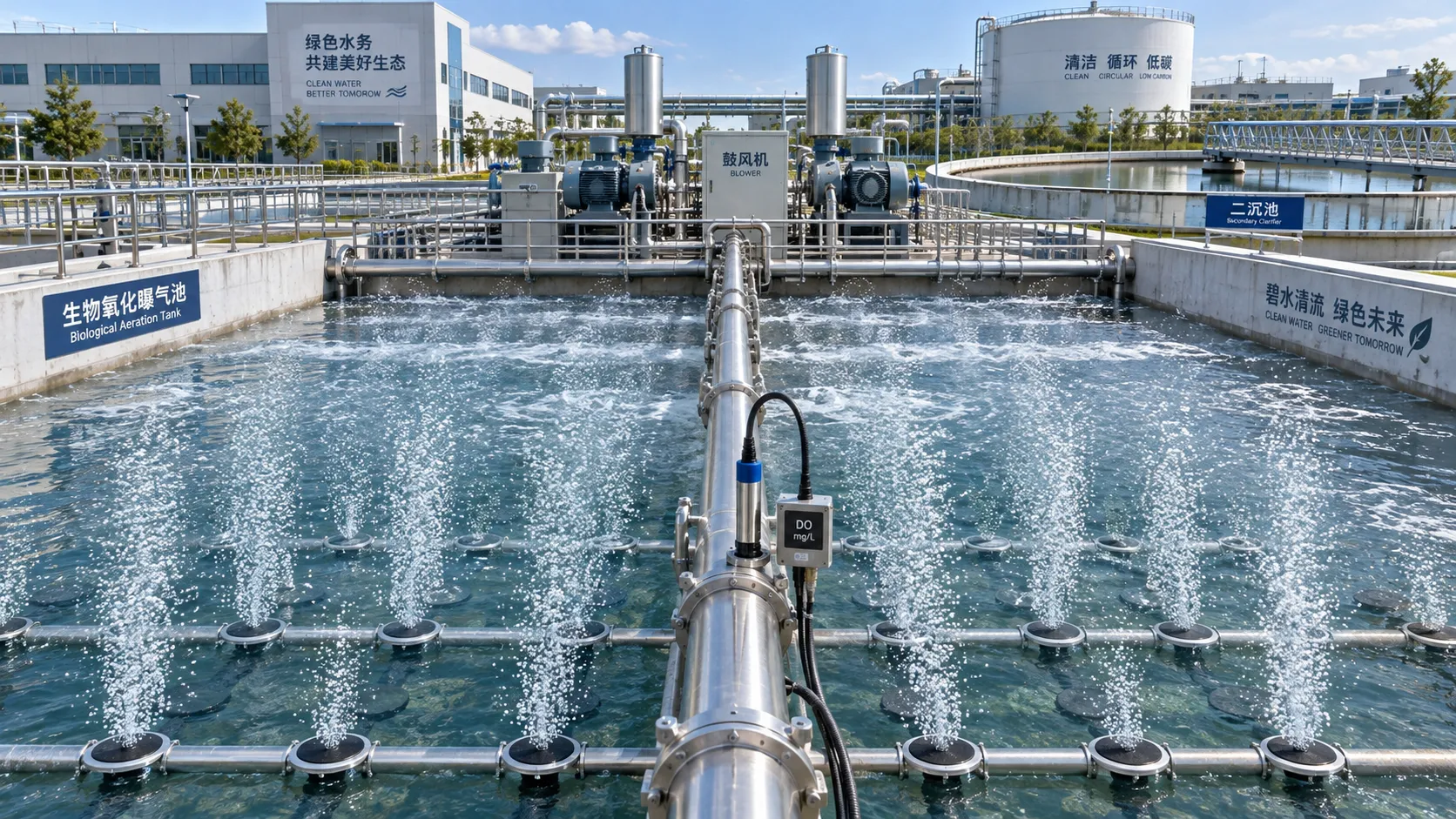
Biological Wastewater Oxidation Explained: Aeration Demand and Process Control
Biological wastewater oxidation explained: optimize aeration demand, DO control, nitrification, and sludge age for stable effluent quality and lower energy costs.
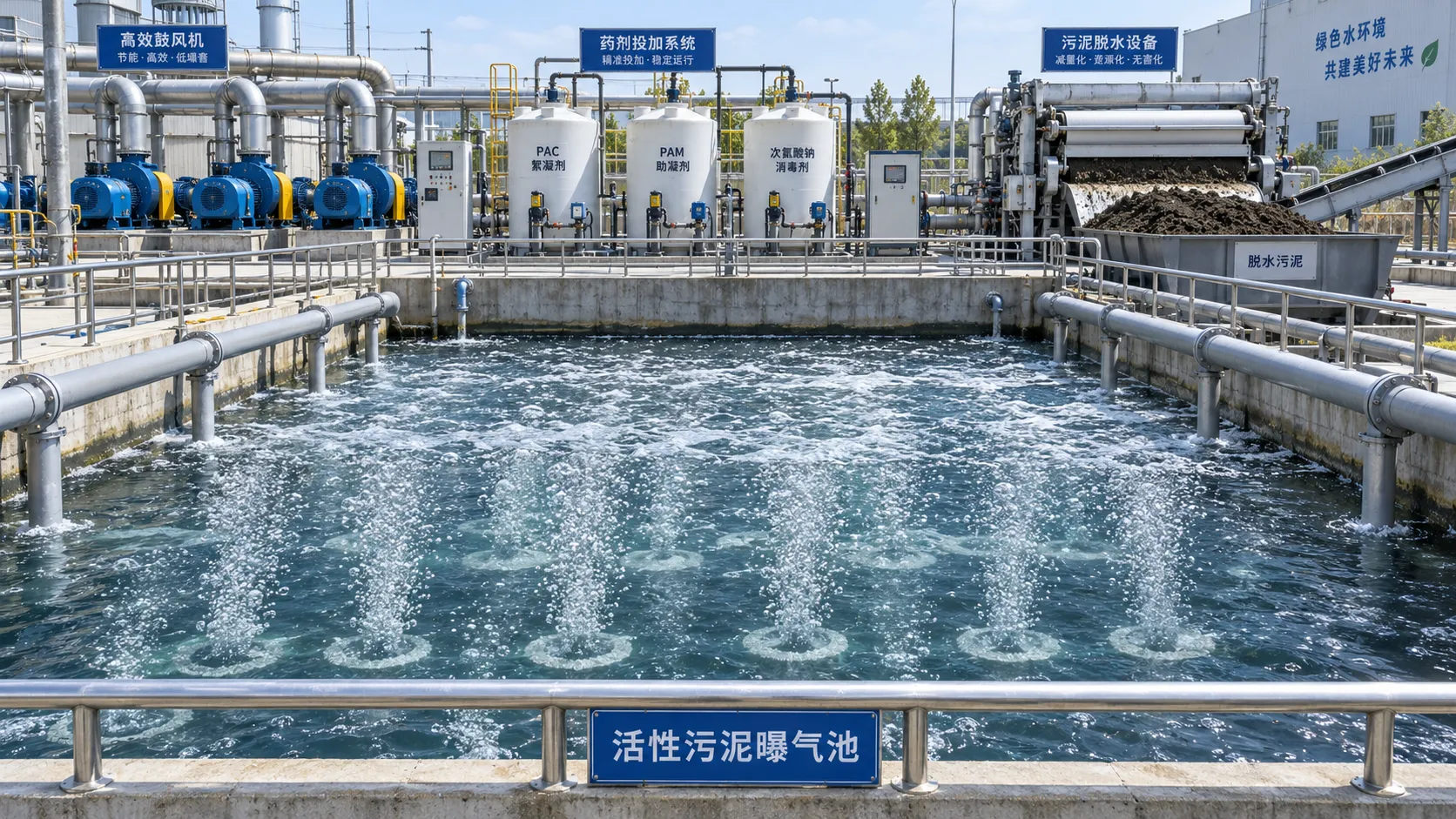
Activated Sludge Cost: Budgeting Energy, Chemicals, Sludge, and Labor
Activated sludge cost explained: compare energy, chemicals, sludge disposal, labor, and compliance risks to build a reliable lifecycle budget.
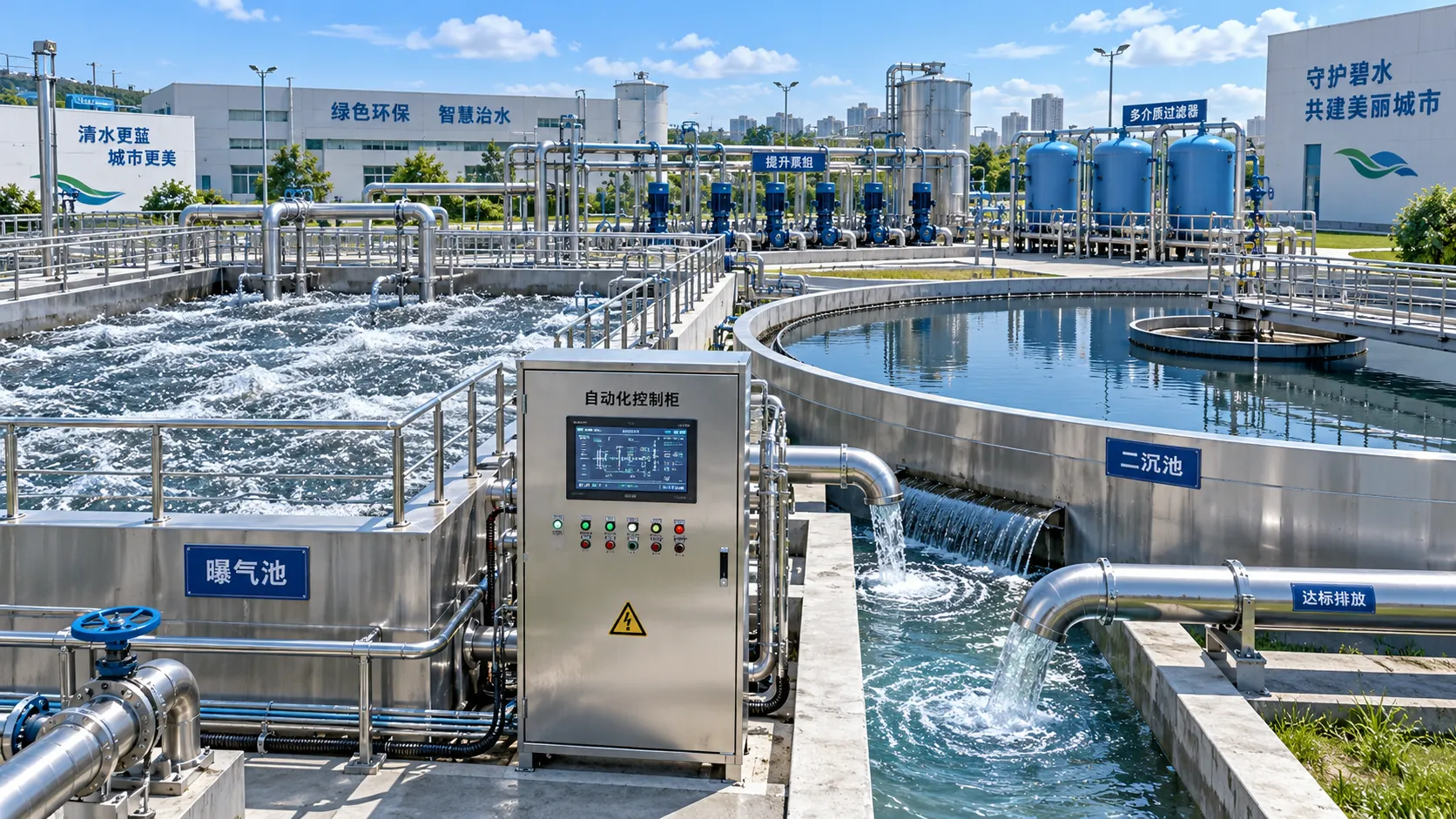
When Should Municipal Wastewater Plants Upgrade Treatment Capacity and Controls?
Municipal wastewater treatment upgrades: learn when capacity, controls, and resilient planning are needed to protect compliance and optimize plant performance.