
Industry News
Curation by industry experts
Hot Articles
Popular Tags
Urban Mining Waste Processing Options for Higher Metal Recovery
Urban Mining Waste Processing Options for Higher Metal Recovery
Urban mining waste processing has moved far beyond basic recycling.
It now sits at the center of metal recovery, compliance strategy, and project bankability.
For complex waste streams, the best answer is rarely a single machine or a single process.
The real decision is about matching feed characteristics to the right recovery pathway.
That includes pre-sorting, liberation, concentration, extraction, refining, and residue control.
When urban mining waste processing is selected well, recovery rises and risk drops at the same time.
Why feed variability decides everything
In urban mining, feedstock is never fully stable.
E-waste, scrap cables, batteries, incineration ash, and mixed industrial residues all behave differently.
Metal content may look attractive on paper, yet recovery can still disappoint in practice.
The reason is simple.
Metals are often locked in polymers, ceramics, glass, oxides, organics, or fine dust.
So the first evaluation step in urban mining waste processing is full feed characterization.
- Measure metal grades by fraction, not only by bulk sample.
- Check particle size distribution after shredding or crushing.
- Identify harmful components such as halogens, mercury, or leaded glass.
- Map moisture, ash, organics, and volatile content.
- Confirm how much value sits in coarse, fine, and ultra-fine fractions.
This early data prevents a common mistake: overinvesting in extraction before proper liberation and sorting are achieved.
Mechanical and sensor-based sorting options
For many projects, mechanical separation is the starting point for urban mining waste processing.
It is usually the lowest-risk way to upgrade feed before thermal or chemical treatment.
The goal is not final recovery.
The goal is to remove dilution, isolate value, and stabilize downstream performance.
Common unit operations
- Shredders and crushers for liberation of metals from housings and boards.
- Screens for sizing and separating fines from recoverable coarse material.
- Magnetic separators for ferrous recovery.
- Eddy current separators for non-ferrous fractions such as aluminum.
- Air tables and density systems for mixed light and heavy materials.
- AI optical sorting for plastics, PCBs, battery parts, and color-sensitive fractions.
AI sorting has become a stronger option where labor cost is high and waste composition shifts often.
From recent market changes, the clearer signal is demand for better data, not only better picking.
Modern systems can generate composition trends, reject rates, and quality scores in real time.
That makes urban mining waste processing easier to optimize across multiple shifts and feed sources.
Thermal routes: pyrolysis, smelting, and calcination
Thermal methods work best when the waste stream contains organics, coatings, binders, or complex composites.
In urban mining waste processing, thermal treatment often prepares the material for easier metal release.
Pyrolysis
Pyrolysis removes organics in an oxygen-limited environment.
This is useful for cables, printed circuit boards, and resin-rich residues.
It can improve liberation and lower the burden on chemical leaching.
However, off-gas cleaning and brominated compound control must be evaluated carefully.
Smelting
Smelting offers high recovery for copper, precious metals, and selected alloying elements.
It is proven, scalable, and robust against some feed fluctuations.
Still, capex, energy use, slag chemistry, and air permits can become major barriers.
This route fits better when throughput is large and metal concentration justifies central processing.
Calcination and roasting
These steps can alter mineral phases and remove volatile compounds.
They are often used before leaching battery materials, ash, or metallurgical residues.
In actual operations, the value comes from improving selectivity in the next stage.
Hydrometallurgical options for higher selectivity
Hydrometallurgy is often the most flexible branch of urban mining waste processing.
It is especially attractive when target metals are dispersed, fine, or chemically complex.
The main advantage is selectivity.
The main challenge is reagent control and wastewater management.
Key process choices
- Acid leaching for copper, nickel, cobalt, zinc, and rare metals.
- Alkaline leaching for selected aluminum or amphoteric components.
- Solvent extraction for purification and metal separation.
- Ion exchange for low-concentration streams and polishing.
- Precipitation and crystallization for product recovery.
- Electrowinning for producing saleable metal from purified solutions.
For battery black mass, hydrometallurgical urban mining waste processing can deliver strong recovery with cleaner fraction control.
For incineration ash, it may recover zinc and copper while reducing hazardous residue burden.
But performance depends on solution chemistry discipline, not only on reactor design.
How to compare processing options during evaluation
Selection becomes clearer when options are compared through a practical decision matrix.
This avoids choosing a process based on headline recovery alone.
A good urban mining waste processing line is the one that protects recovery under real operating conditions.
Practical selection guidance by waste stream
Different streams call for different priorities.
That sounds obvious, but it is often ignored during fast project development.
- For e-waste, prioritize liberation, sorting precision, and precious metal concentration.
- For cables, focus on clean metal-plastic separation and optional pyrolysis for coated fractions.
- For battery waste, evaluate discharge safety, black mass quality, and hydrometallurgical selectivity.
- For ash and dust, emphasize leachability, toxic element capture, and residue stabilization.
- For mixed industrial scrap, favor modular urban mining waste processing with staged upgrading.
The stronger approach is usually modular.
Mechanical concentration handles bulk variability first.
Then thermal or hydrometallurgical steps recover the locked value.
This layered design often gives the best balance of recovery, flexibility, and compliance.
Risk signals that should not be overlooked
Some projects fail not because the core technology is weak.
They fail because the supporting systems were underestimated.
- Dust control is critical in shredding and fine classification zones.
- Corrosion can erode uptime in aggressive leach circuits.
- Residue management can erase profits if hazardous classification is triggered.
- Water treatment must be integrated early, especially where discharge permits are tight.
- Digital monitoring matters because feed shifts can quietly damage recovery performance.
This is where ESD-style intelligence becomes useful: process choice must connect metallurgy, environmental control, and commercial resilience.
Final decision path for higher recovery
The best urban mining waste processing strategy is rarely the most aggressive one.
It is the one that turns variable waste into stable, saleable, and compliant output.
Start with representative sampling and fraction-level analysis.
Then compare mechanical, thermal, and hydrometallurgical routes through full mass balance and total cost.
Pilot testing should confirm not only recovery, but also residue behavior and utility demand.
In business terms, better urban mining waste processing means more than extracting metal.
It means building a process window that stays profitable as regulations tighten and feed quality shifts.
That is the decision path most likely to deliver higher recovery with fewer surprises after startup.
Recommended News
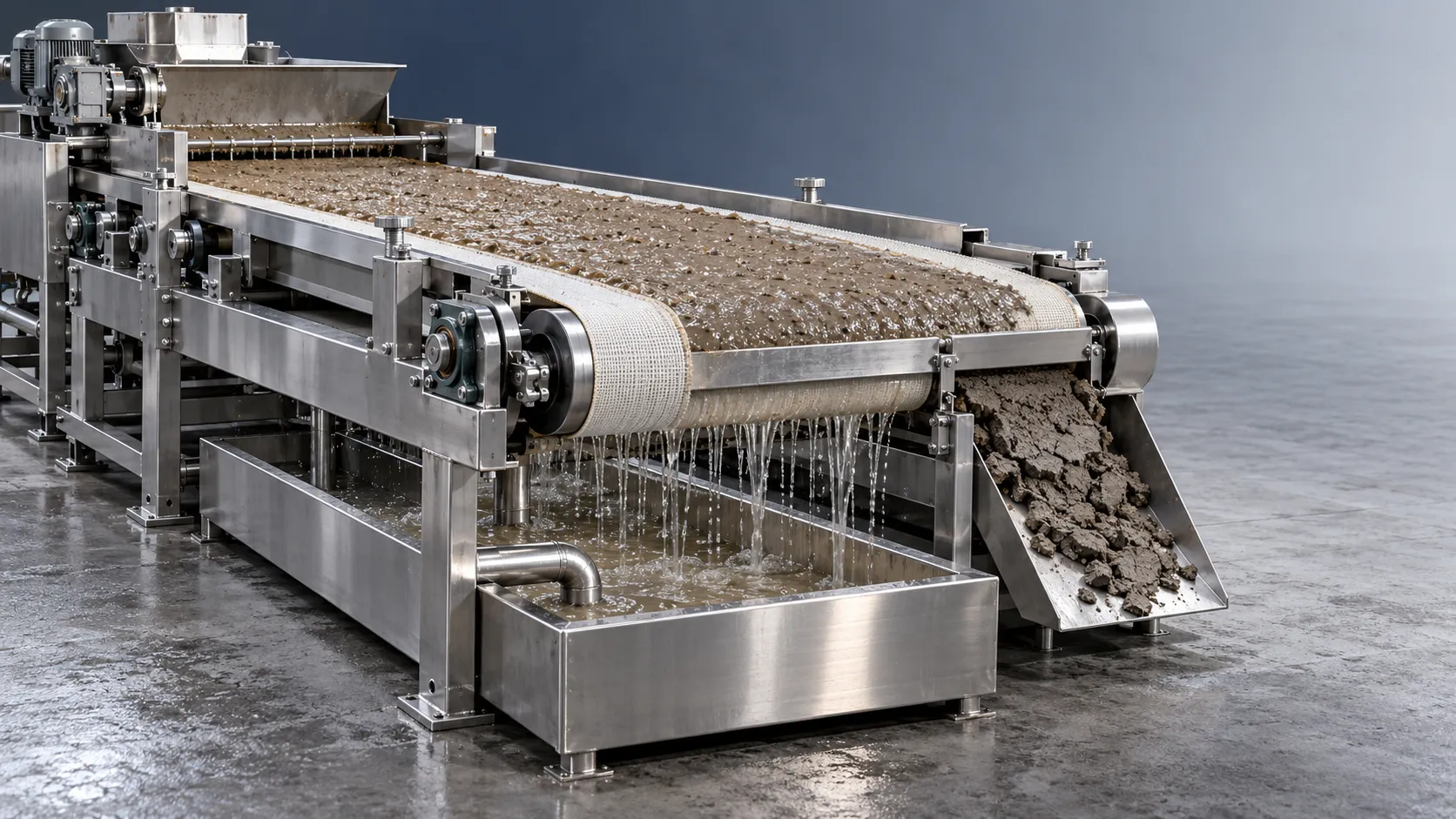
How solids concentration affects dewatering in waste recovery systems
Optimize waste recovery systems dewatering with insights on solids concentration. Learn to balance throughput, cake dryness, and solids capture while avoiding costly equipment overloads.
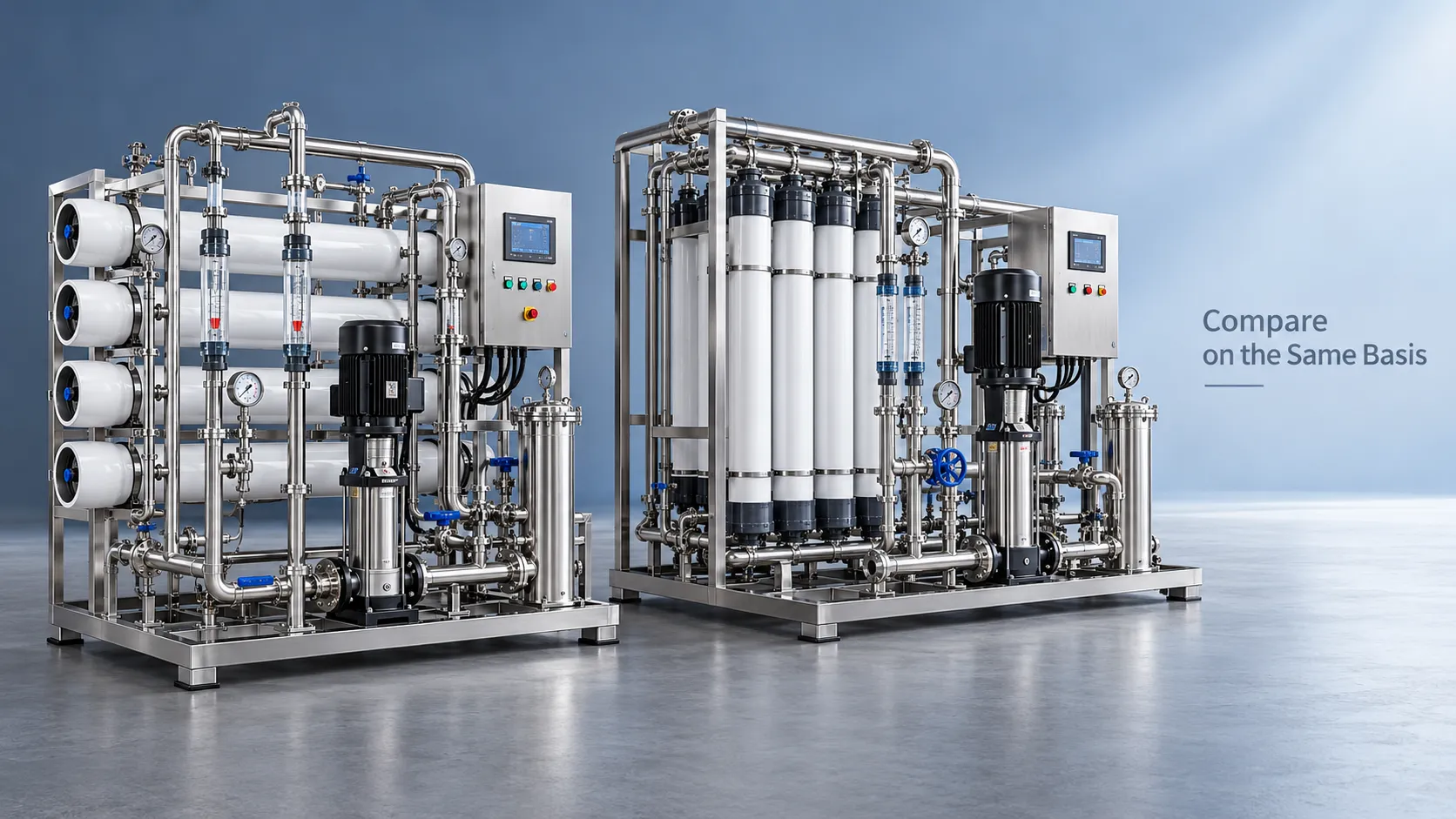
How to compare technical specs in an environmental equipment directory
Use this environmental equipment directory technical guide to compare capacity, energy use, compliance, and supplier evidence. Build a defensible shortlist and choose with confidence.
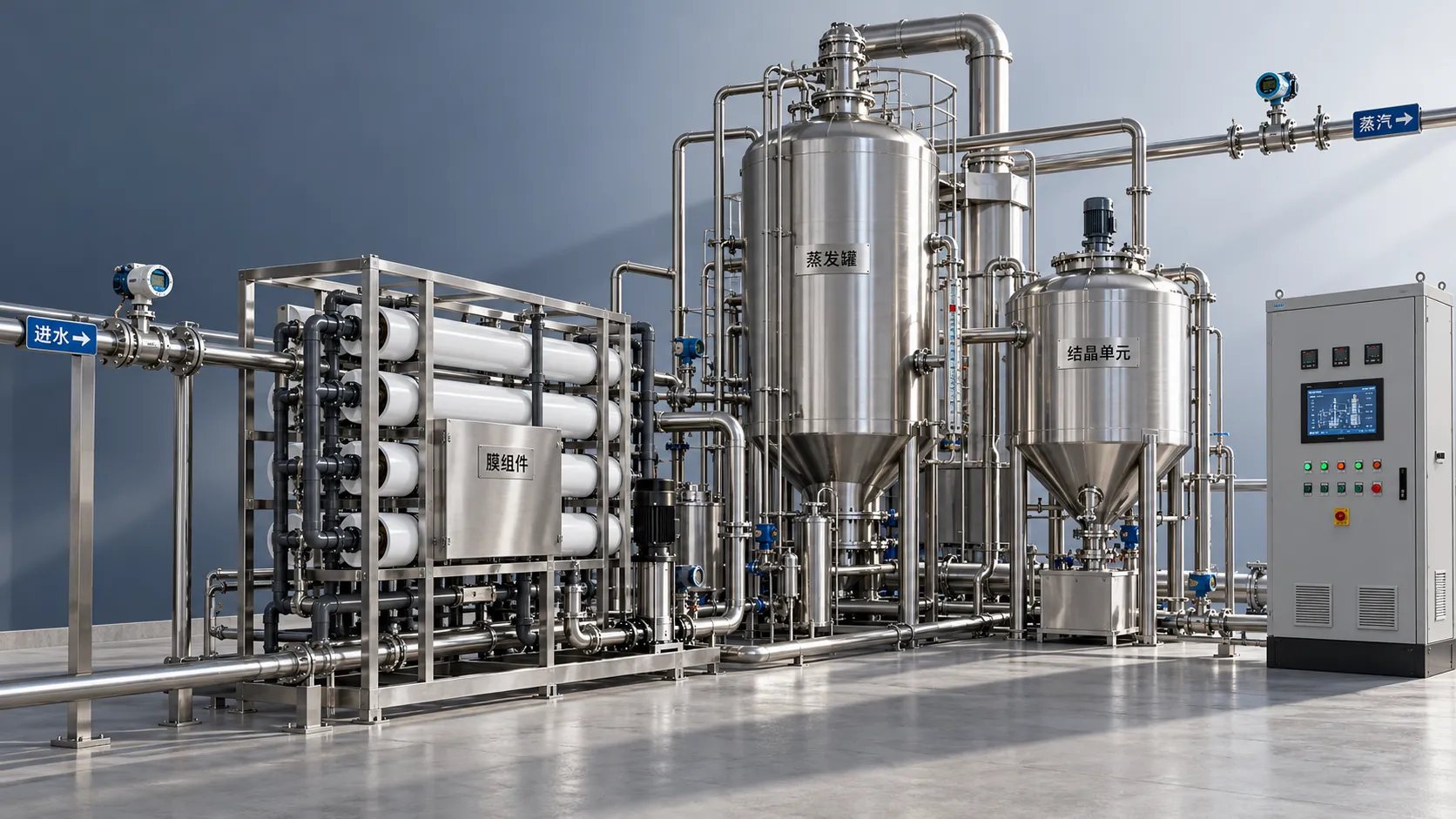
How to assess a zero liquid discharge equipment supplier’s energy claims
Assess a zero liquid discharge equipment supplier’s energy claims. Learn how to verify system boundaries, compare real costs, and demand testable guarantees before you buy.
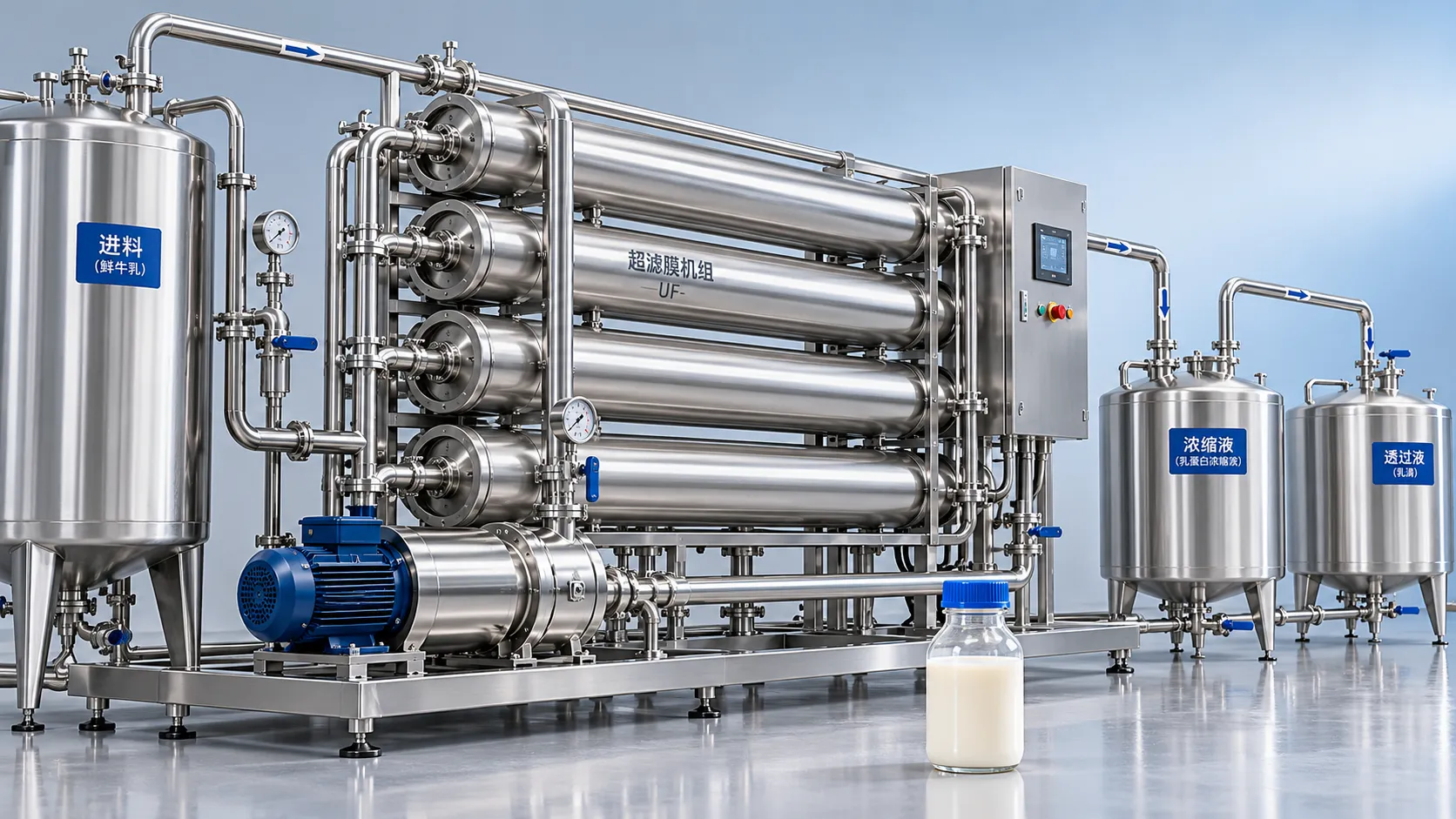
Which membrane filtration process suits dairy protein concentration?
Explore membrane filtration for dairy: compare UF, MF, and RO to select the right process for protein concentration, lactose reduction, and better recovery. Find your best fit.
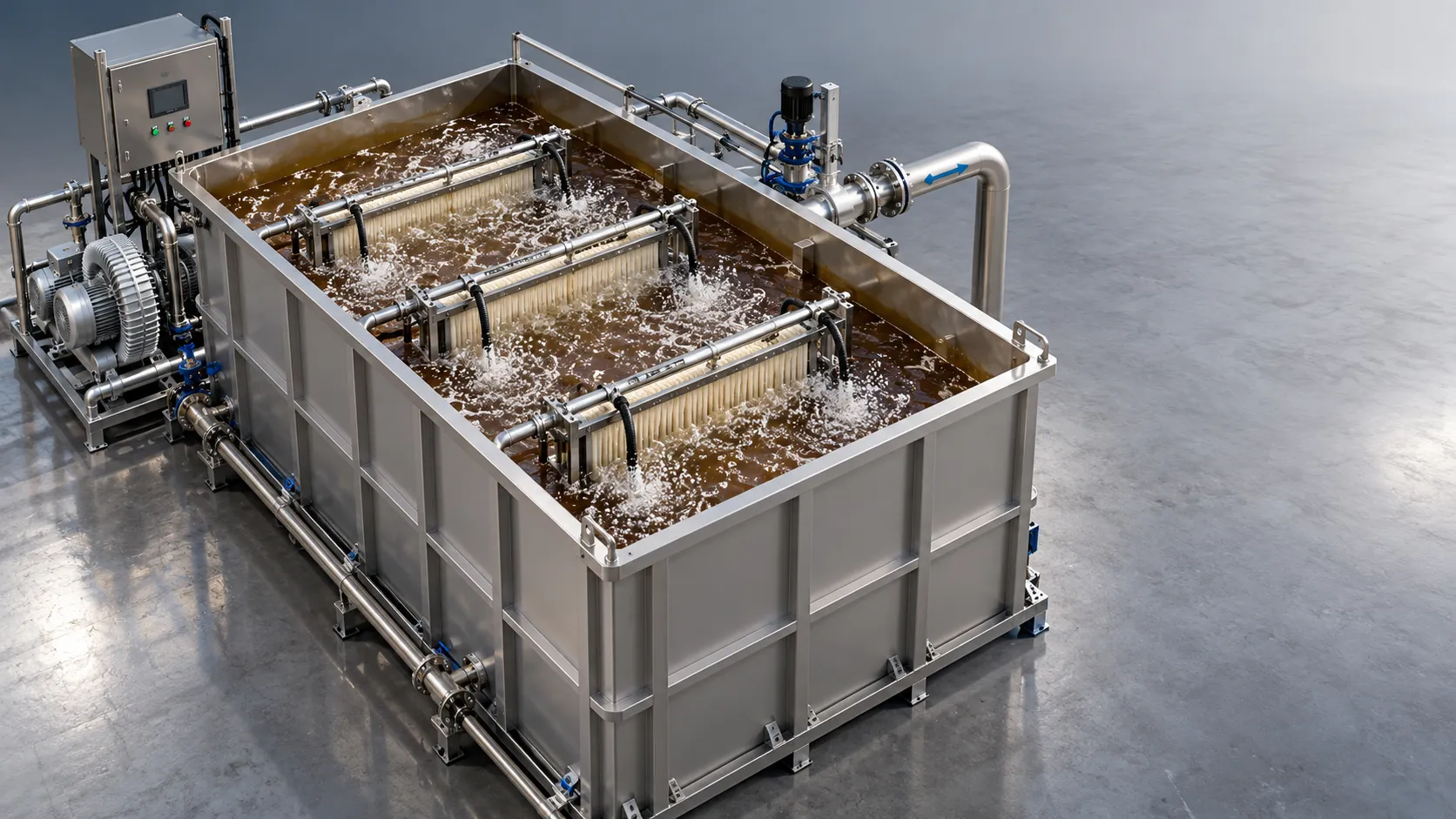
When is an MBR suitable for wastewater purification for bioprocessing?
For wastewater purification for bioprocessing, discover when an MBR fits your needs. Compare water quality, fouling risks, and lifecycle costs before investing.
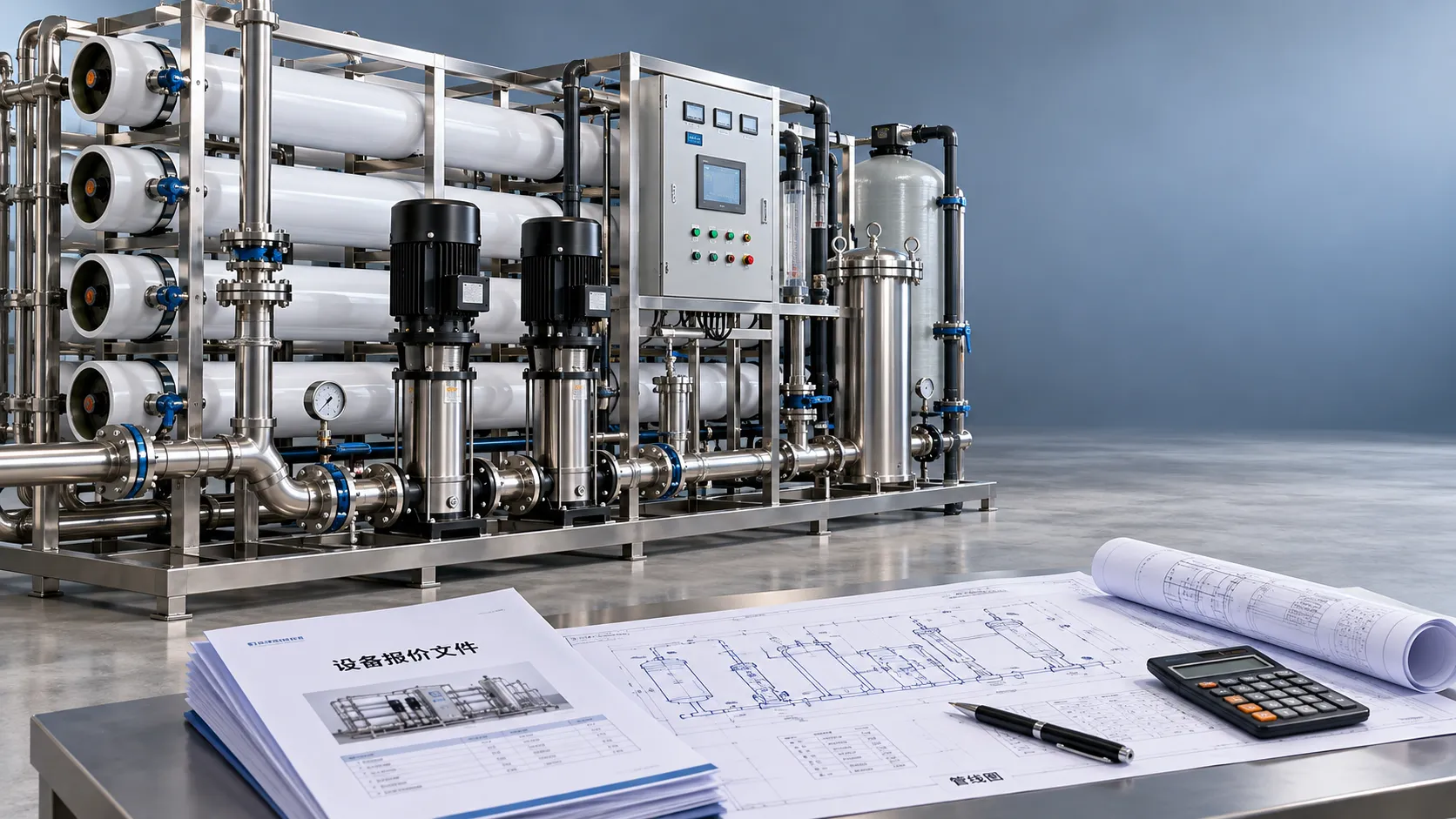
How to check a water treatment quotation for hidden project costs
Review your water treatment quotation for hidden costs, scope gaps, and operating expenses. Learn what to check before signing to protect your budget and avoid costly surprises.
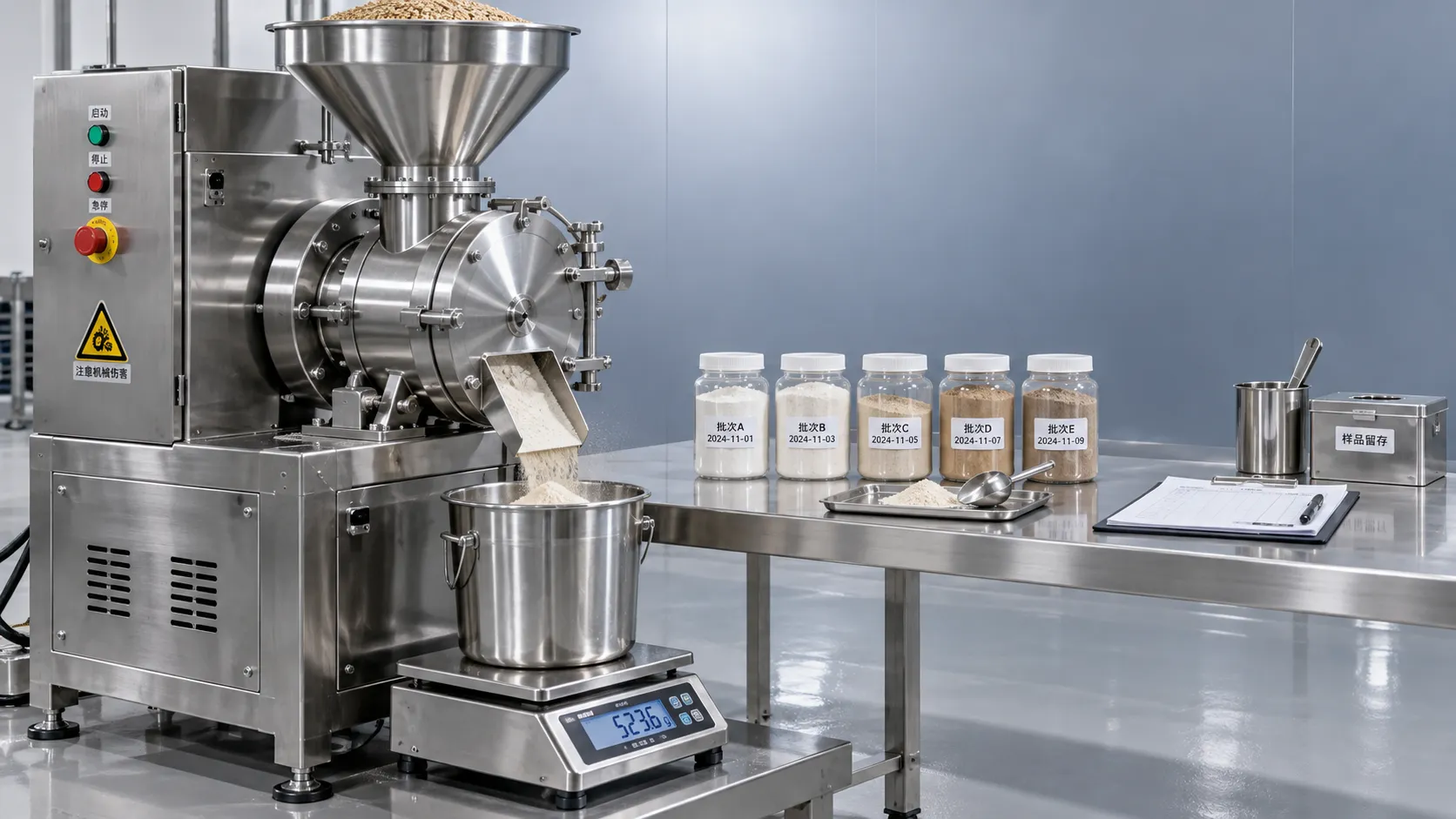
How to vet ingredient processing equipment manufacturers using trials
Vet ingredient processing equipment manufacturers with real-world trials. Learn how to verify yield, cleaning, energy use, and scale-up before you invest.
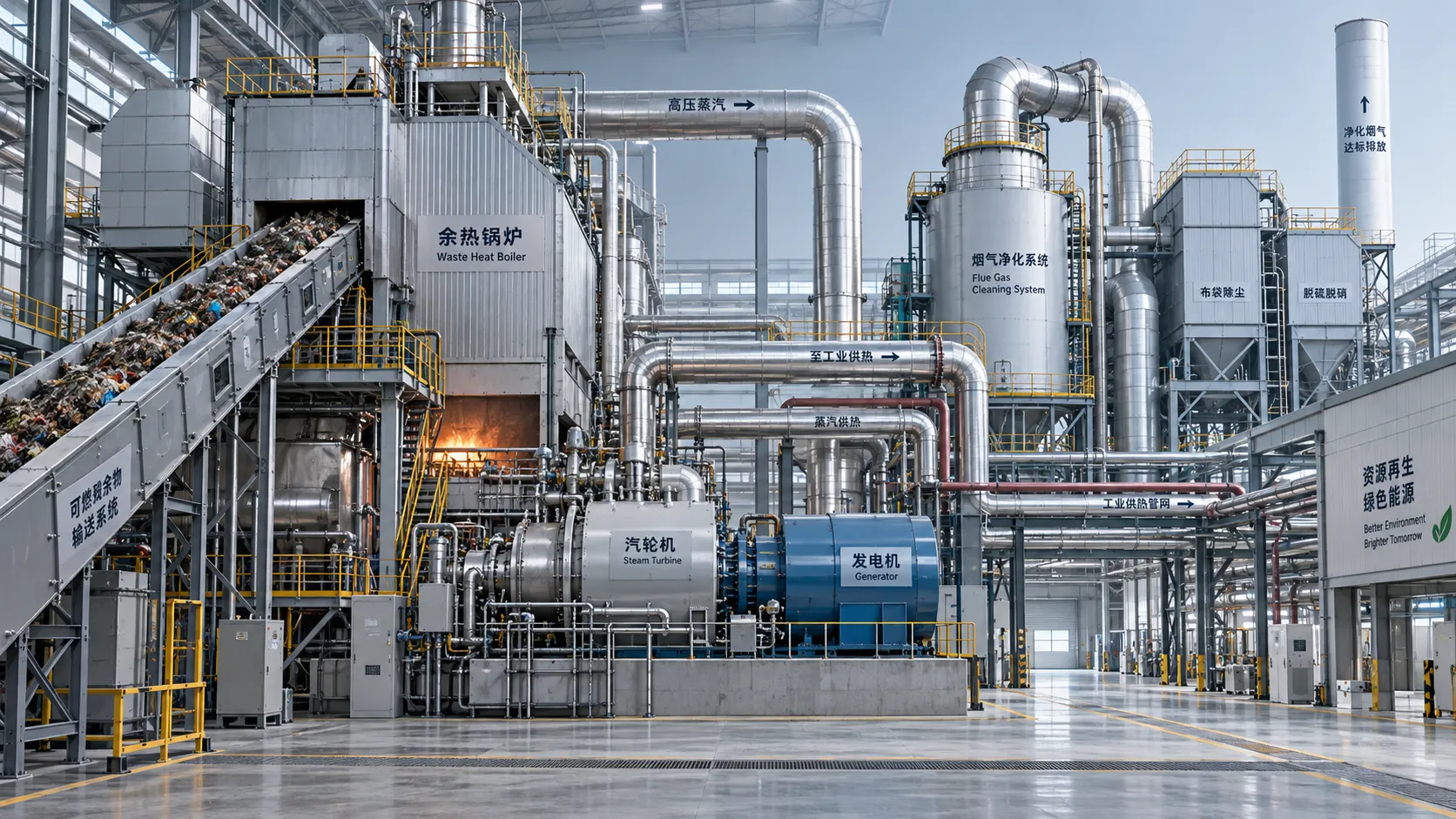
When is energy recovery viable in the solid waste recovery process?
When is energy recovery viable in the solid waste recovery process? Explore feedstock quality, net energy, emissions, and costs to assess feasibility and make smarter investment decisions.
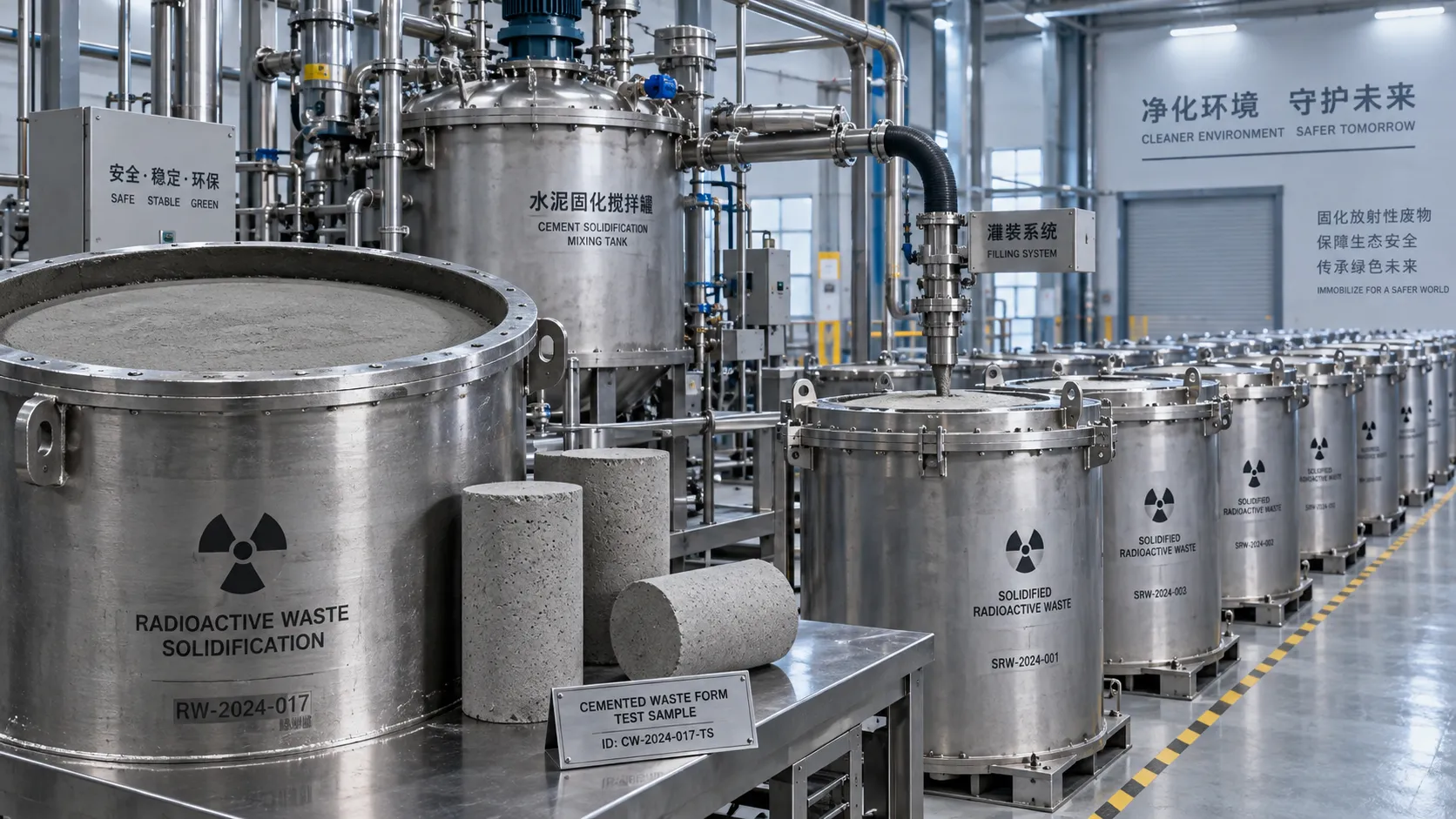
When is cementation suitable for nuclear decommissioning waste?
Explore nuclear waste treatment technology for decommissioning: learn when cementation fits, which risks to assess, and how disposal criteria guide an effective treatment choice.