
Industry News
Curation by industry experts
Hot Articles
Popular Tags
Nuclear Waste Safety Gaps That Raise Compliance Risk
Even minor gaps in nuclear waste safety can trigger major compliance risk, from documentation failures to storage, transport, and containment weaknesses. For quality control and safety managers, understanding where these vulnerabilities emerge is essential to protecting operations, meeting stricter regulations, and avoiding costly penalties. This article examines the hidden safety gaps that undermine nuclear waste management performance and what they mean for compliance.
For most organizations, compliance risk in nuclear waste management rarely starts with a dramatic accident. It usually begins with small control failures that pass unnoticed until an audit, incident, or regulatory review exposes them.
The core search intent behind “nuclear waste safety” in this context is practical. Readers want to know which safety gaps create the highest compliance exposure, how to detect them early, and what actions reduce risk.
Quality control and safety managers are not looking for broad theory. They need a working view of weak points across classification, packaging, storage, transport, monitoring, documentation, and contractor oversight.
The most useful answer is also the most operational one. If a safety weakness can lead to traceability loss, containment uncertainty, procedural deviation, or reporting failure, it can quickly become a compliance issue.
Why small nuclear waste safety gaps become major compliance problems
In regulated facilities, safety and compliance are inseparable. A technical deviation may first appear as an operational issue, but regulators often evaluate it through the lens of control effectiveness, record integrity, and prevention discipline.
That is why minor inconsistencies matter. A mislabeled drum, a delayed inspection log, or an undocumented transfer may not immediately create exposure, but each can signal a breakdown in the management system.
For quality teams, the key lesson is clear. Compliance risk is rarely caused by one isolated failure. It grows when multiple weak controls overlap and remove confidence in the entire nuclear waste safety program.
Regulators increasingly expect proof, not assumptions. It is no longer enough to say procedures exist. Organizations must demonstrate that waste is characterized correctly, barriers remain intact, and critical actions are consistently verified.
Where safety gaps most often appear in nuclear waste management
The highest-risk gaps usually emerge at handoff points. Any stage involving classification, repackaging, internal movement, temporary storage, off-site transport, or disposal coordination deserves closer scrutiny than routine steady-state operations.
Waste characterization is a common weak spot. If radiological, chemical, or physical properties are incomplete, the entire downstream control chain may be compromised, including packaging selection, storage conditions, and reporting accuracy.
Another frequent issue is misalignment between actual waste form and approved handling method. Sludge, resins, contaminated metals, and mixed waste streams may require different containment, stabilization, or segregation approaches than teams assume.
Container condition is equally critical. Corrosion, seal degradation, thermal stress, internal pressure changes, and stacking damage can evolve slowly, making them easy to miss during basic visual checks.
Storage environment control is often underestimated. Ventilation, drainage, fire separation, radiation zoning, humidity, and temperature stability all affect whether containment performance remains within approved safety margins.
Transport readiness creates another layer of exposure. Packaging certificates, route controls, shipment labeling, emergency documentation, and carrier qualification must align precisely. One missing element can trigger a reportable compliance failure.
Digital and paper records are also a major vulnerability. If container IDs, inspection dates, dose readings, and transfer histories are not synchronized, the organization may lose the chain of evidence needed during audits.
Documentation gaps are often the first issue auditors find
Among all nuclear waste safety weaknesses, documentation failures are some of the most damaging because they make otherwise acceptable operations appear uncontrolled. In highly regulated environments, missing proof is often treated as missing compliance.
Common examples include outdated procedures, unapproved field changes, illegible inspection entries, inconsistent waste codes, and incomplete corrective action records. These issues may look administrative, but they directly affect regulatory confidence.
Quality control personnel should pay special attention to version control. If operators rely on obsolete instructions for sampling, labeling, or storage checks, the problem is not only procedural. It becomes a system governance failure.
Traceability must remain intact from generation to final disposition. Every container should be linked to source, characterization results, movement history, storage location, inspection status, and any abnormal event or remediation action.
Audit readiness is a useful test. If your team cannot quickly produce complete records for a selected waste package, regulators may reasonably question whether the underlying controls are working as intended.
Storage and containment weaknesses create both safety and legal exposure
Storage failures are among the most visible nuclear waste safety issues because they directly affect containment confidence. Yet the problem usually begins before a leak, release, or alarm. It starts with weakened preventive control.
Facilities often focus on container inventory but pay less attention to container aging behavior. Different waste matrices interact with metals, liners, cements, and glass forms in different ways over time.
Inspection programs therefore need more than checklist completion. They should evaluate degradation mechanisms, not just visible defects. For example, internal moisture, incompatible residues, or pressure buildup may not show immediate external damage.
Secondary containment also deserves closer review. Drain systems, berm integrity, sump monitoring, and spill isolation features should be tested under realistic conditions, not only verified on paper during routine rounds.
Segregation controls matter as well. Incompatible materials stored too closely can increase thermal, chemical, or radiological risk, while poor zoning can complicate emergency response and expose the site to avoidable enforcement findings.
For safety managers, the practical question is not whether a storage area meets minimum design intent. It is whether the area still performs reliably under aging, occupancy changes, maintenance delays, and abnormal weather conditions.
Transport interfaces are a hidden source of compliance risk
Many organizations treat transport as a separate logistical function, but that is a mistake. The compliance chain remains active throughout preparation, loading, carrier handoff, route management, and receiving confirmation.
Transport incidents do not always involve release events. A mismatch between package specification and declared contents, incomplete emergency response information, or improper securing methods can all trigger serious regulatory consequences.
Quality teams should verify that shipment controls are not merely copied from previous moves. Waste profile, activity level, package condition, destination requirements, and applicable transport rules may have changed since the last shipment.
Contractor and carrier oversight is especially important here. If third parties handle packaging, transport planning, or documentation, the facility still carries substantial accountability for control adequacy and evidence quality.
Pre-shipment reviews should include physical verification, document reconciliation, and exception escalation. If any one of those steps is weak, the organization may discover too late that it shipped risk, not just waste.
Monitoring systems fail when data is collected but not turned into action
Most facilities generate large amounts of radiation, contamination, inspection, and environmental data. The real compliance problem is not lack of information. It is the failure to interpret trends before they become reportable events.
For example, a gradual increase in localized dose rate, repeated minor seal adjustments, or recurring moisture findings may each appear manageable. Together, however, they may indicate deterioration of containment performance.
Trend review should be part of nuclear waste safety governance, not an optional analytical exercise. Managers need thresholds that trigger technical review, additional sampling, engineering evaluation, or accelerated corrective action.
Alarm systems must also be tested for practical response effectiveness. A functioning monitor is not enough if escalation responsibilities are unclear, response windows are unrealistic, or event documentation remains incomplete after activation.
Data quality is just as important as data volume. Calibration errors, delayed uploads, manual transcription mistakes, and fragmented software platforms can all undermine the reliability of the monitoring program.
Training gaps usually show up as repeat deviations, not isolated mistakes
When the same errors recur across shifts or teams, the problem is rarely individual carelessness alone. It often points to unclear procedures, weak supervisor reinforcement, poor onboarding, or training that does not reflect field conditions.
In nuclear waste safety, training must go beyond awareness. Personnel should understand why segregation rules matter, how to identify packaging abnormalities, when to stop work, and how to document deviations correctly.
Competency validation is more useful than attendance records. Observed performance checks, scenario-based drills, and targeted refreshers provide stronger evidence that workers can apply requirements under real operating pressure.
Safety managers should also examine contractor training equivalence. Temporary staff and specialty vendors can introduce control gaps if site-specific expectations are not fully aligned with their standard external practices.
A good indicator of training effectiveness is deviation quality. If event reports are vague, root causes superficial, or corrective actions repetitive, the organization may be training people to complete tasks, not manage risk.
How quality and safety managers can assess nuclear waste safety gaps systematically
A strong assessment approach starts with mapping the full waste lifecycle. Review where information, custody, packaging condition, and operating responsibility change hands, because those transition points often carry the greatest compliance exposure.
Use a risk-based review structure. Prioritize waste streams with higher hazard, older inventory, mixed waste characteristics, long storage duration, frequent movement, or dependence on manual documentation.
Then test three things at each step: technical adequacy, procedural adherence, and record integrity. A control is only robust when all three remain aligned and can be demonstrated clearly.
Walkdowns should complement document reviews. Field conditions often reveal issues not obvious in procedures, such as improvised labeling, blocked access for inspection, inconsistent housekeeping, or operator workarounds around slow approval processes.
Interview operators, not just supervisors. Frontline staff can often identify where procedures conflict with actual equipment constraints, where inspection intervals are unrealistic, or where escalation habits have weakened over time.
Finally, connect findings to consequence. Not every deviation has equal weight. The best compliance assessments show which gaps threaten containment, traceability, reportability, permit conditions, or regulator confidence most directly.
What an effective corrective strategy looks like
Corrective action should not stop at fixing the visible issue. If the organization only replaces a damaged container or updates a single log sheet, it may miss the management weakness that allowed the problem to develop.
Effective strategies usually include immediate risk control, technical cause analysis, procedural revision, training reinforcement, and follow-up verification. Without verification, the same gap often returns under a different form.
Cross-functional involvement improves results. Quality, radiation protection, operations, engineering, maintenance, and transport teams each see different parts of the control chain and can identify linked weaknesses more accurately.
It is also important to define leading indicators. Reduction in overdue inspections, improved record completeness, fewer relabeling events, and faster closure of recurring deviations can show whether the nuclear waste safety program is strengthening.
For management, the objective is resilience. A compliant system is not one that never experiences abnormal conditions. It is one that detects them early, contains them effectively, and proves control through reliable evidence.
Conclusion: compliance depends on the gaps you can see before regulators do
The biggest lesson for quality control and safety managers is simple. Nuclear waste safety failures rarely begin as major events. They grow from small, tolerated gaps in characterization, storage, transport, monitoring, training, and documentation.
That is why the most valuable compliance work is preventive, not reactive. Organizations that treat traceability, containment verification, and field-level discipline as daily control priorities are far better positioned during audits and incidents.
If you want to lower compliance risk, start by asking where proof is weak, where handoffs are unclear, and where aging controls depend too heavily on routine assumptions. Those are usually the places where exposure is already forming.
In a stricter global regulatory environment, strong nuclear waste safety is not just a technical obligation. It is a business-critical control system that protects operational continuity, regulatory trust, and long-term license to operate.
Recommended News
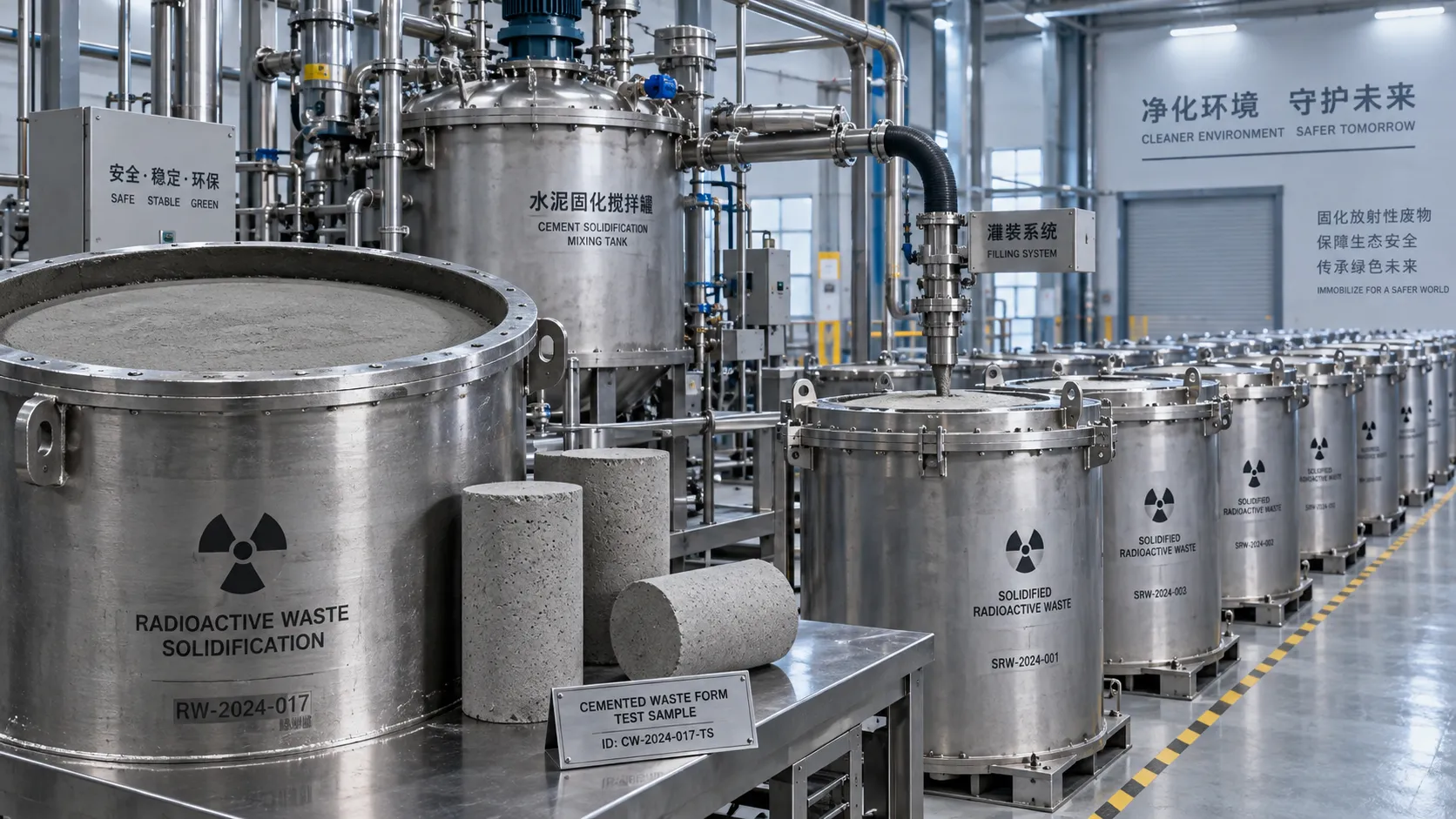
When is cementation suitable for nuclear decommissioning waste?
Explore nuclear waste treatment technology for decommissioning: learn when cementation fits, which risks to assess, and how disposal criteria guide an effective treatment choice.
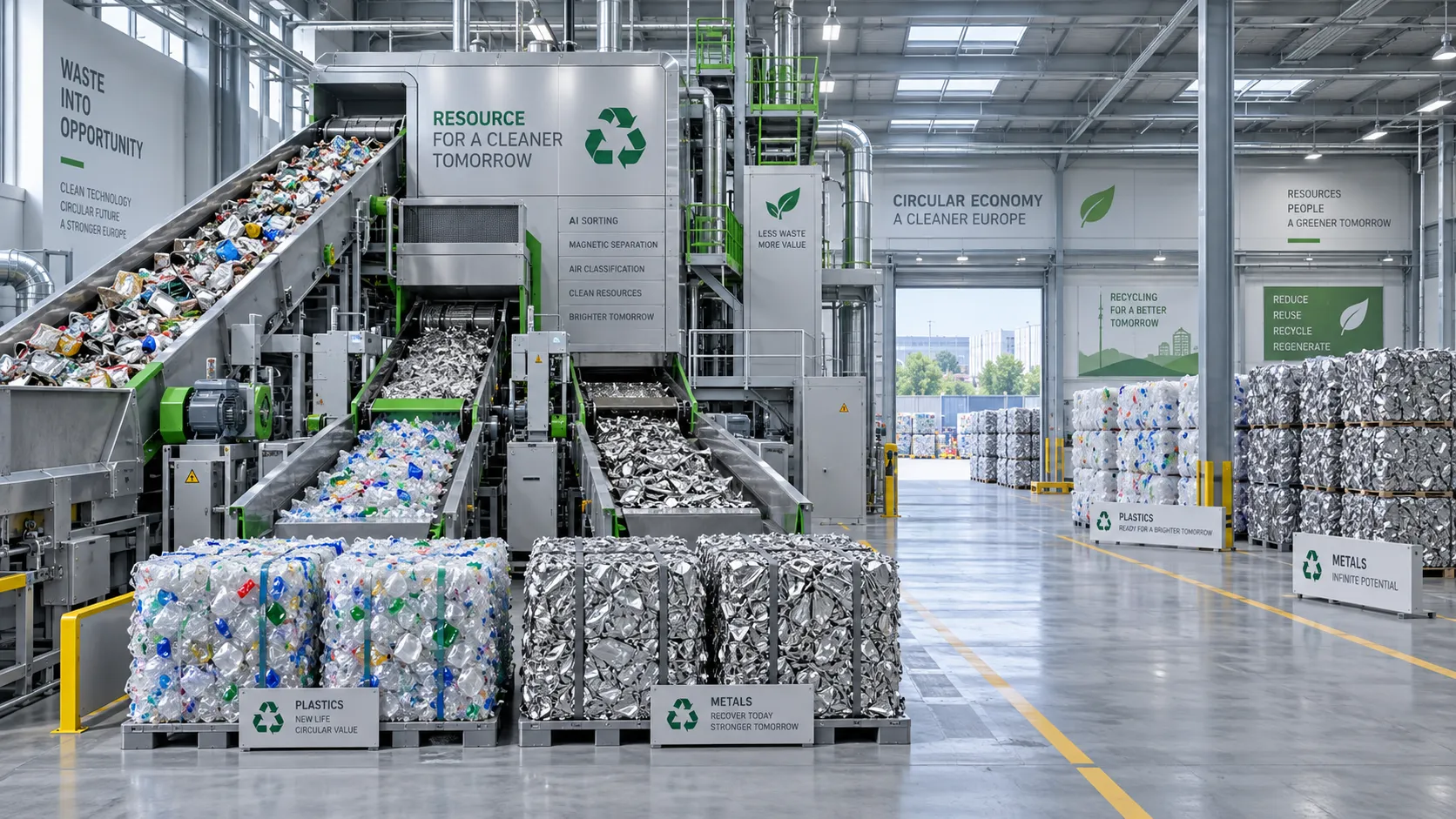
What determines payback for waste-to-resource systems in Europe?
Assess waste-to-resource systems Europe-wide: compare feedstock, recovery yields, costs and contracts to uncover payback drivers and make smarter investment decisions.
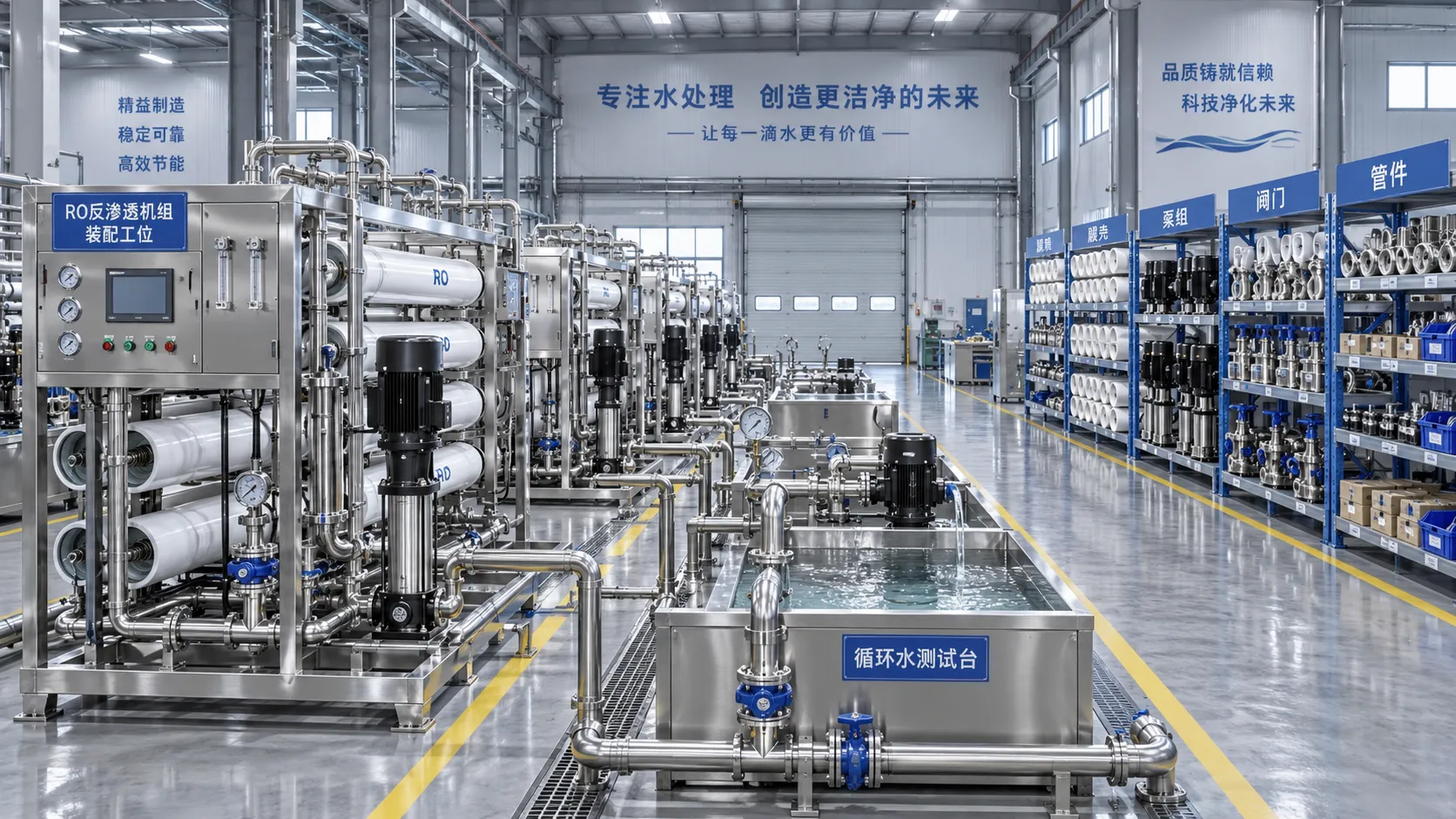
How to verify a water treatment system factory’s production capacity
Verify a water treatment systems factory’s production capacity through records, bottlenecks, component availability, and testing. Learn what to check before accepting a delivery promise.
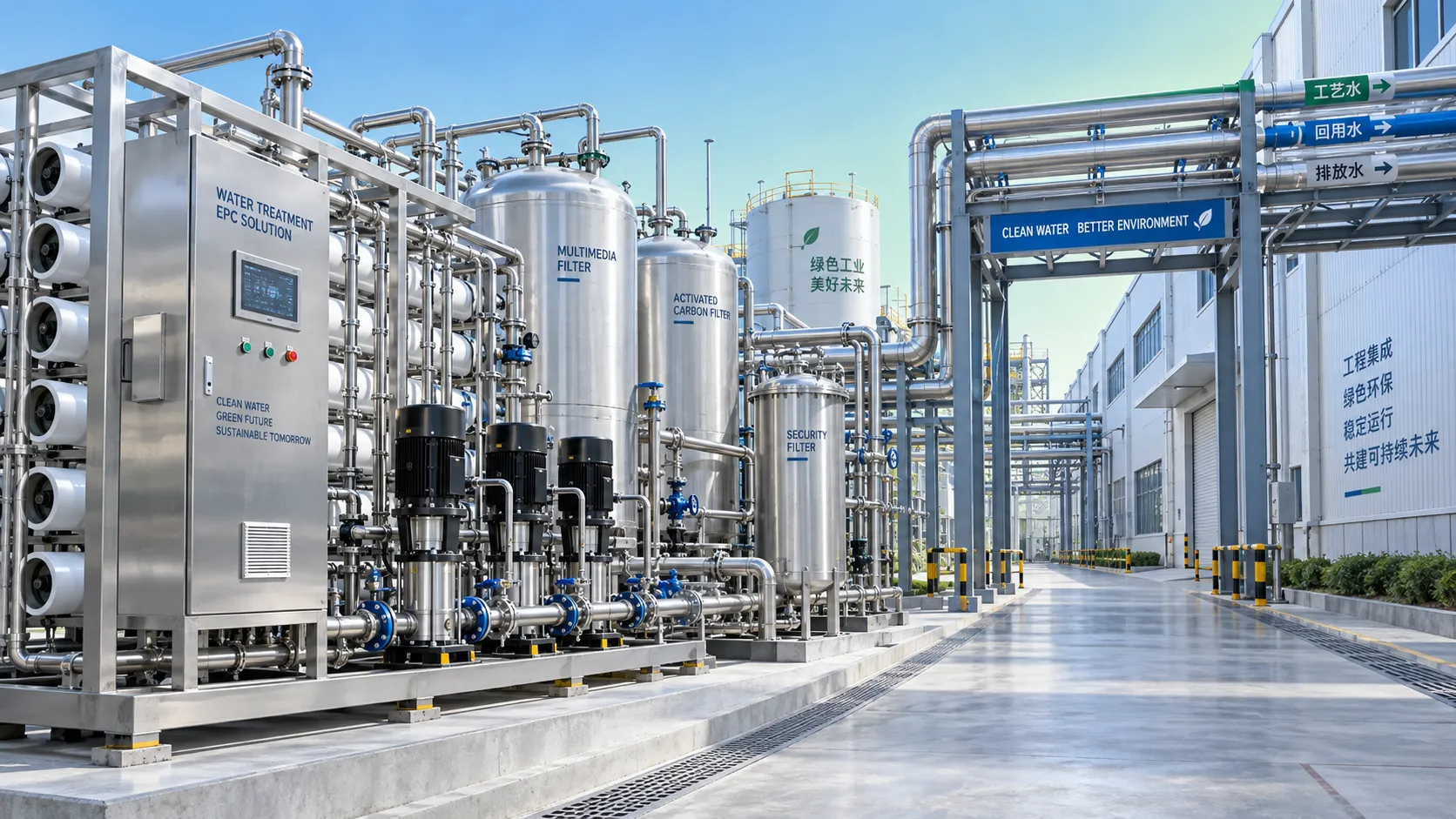
When does EPC environmental project support reduce delivery risk?
EPC environmental project support engineering reduces delivery risk by aligning design, procurement, compliance, construction, and commissioning decisions.
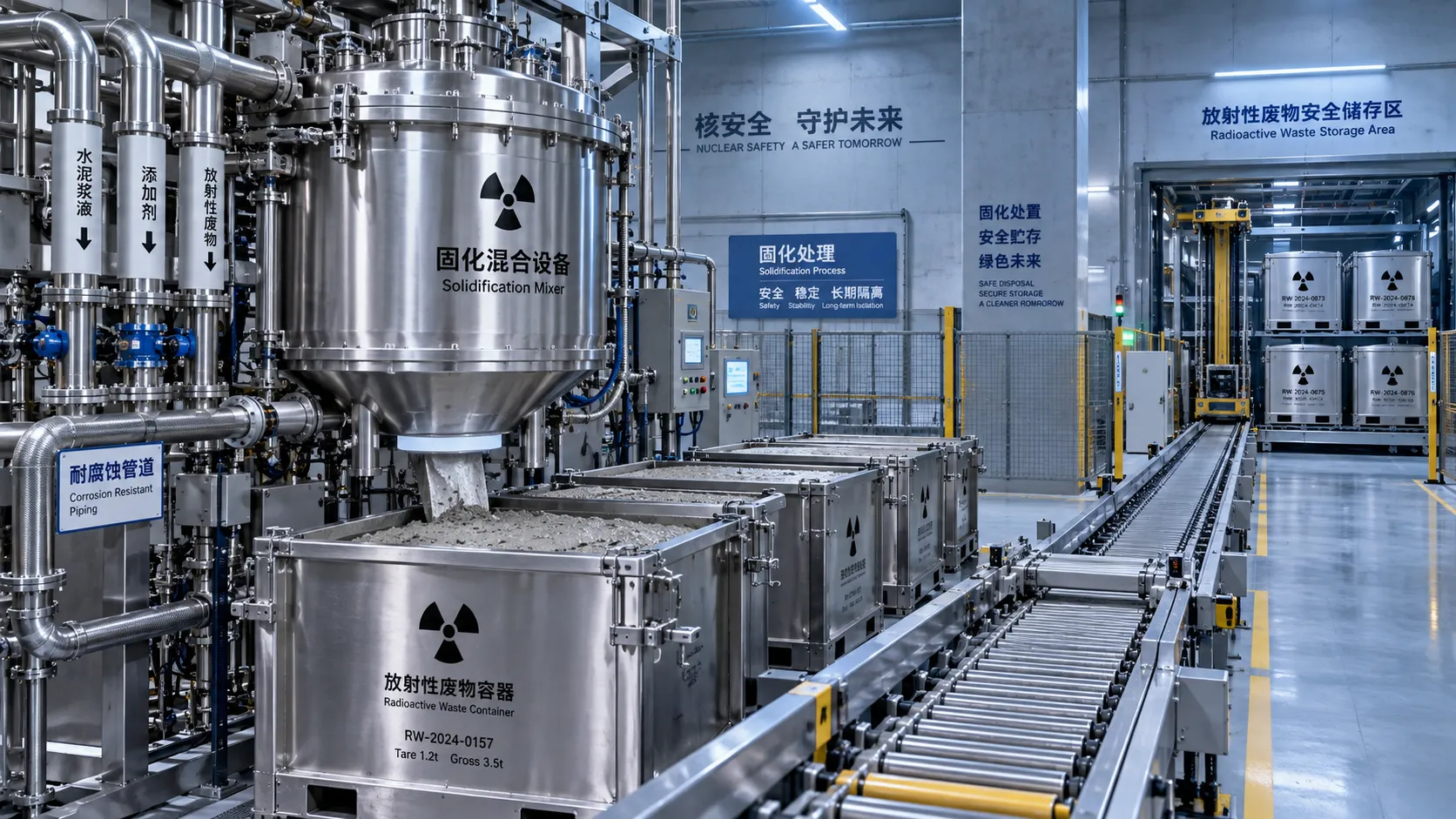
How nuclear plants select a radioactive waste solidification method
Radioactive waste management for nuclear plants: compare vitrification, cementation, polymers, and ceramics to select a compliant, durable solidification solution.
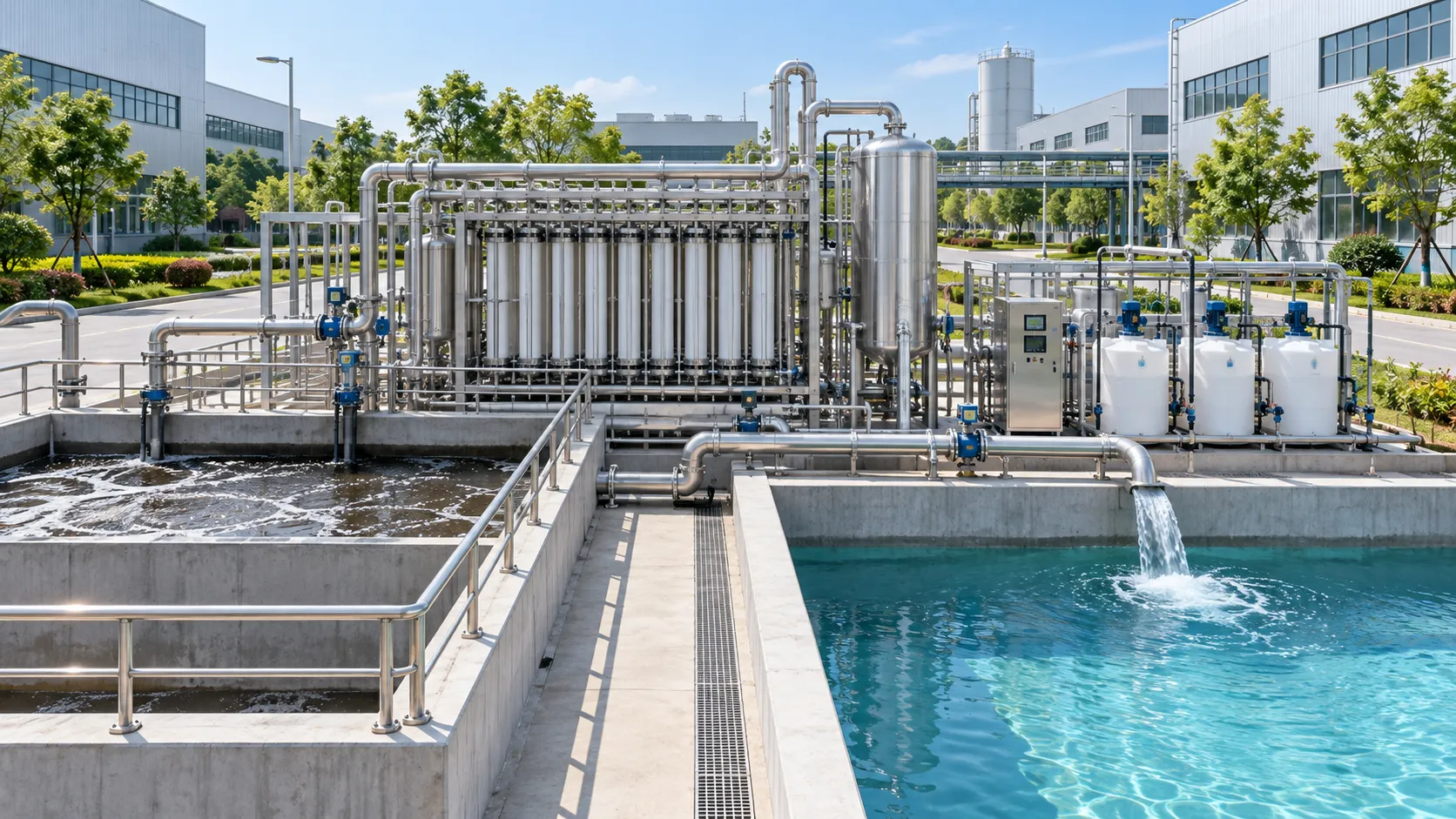
Comparing Upgrade Costs for Industrial Park Wastewater Treatment Systems
Compare costs for wastewater system upgrades in industrial parks with a lifecycle view of CAPEX, OPEX, compliance, resilience, and future expansion.
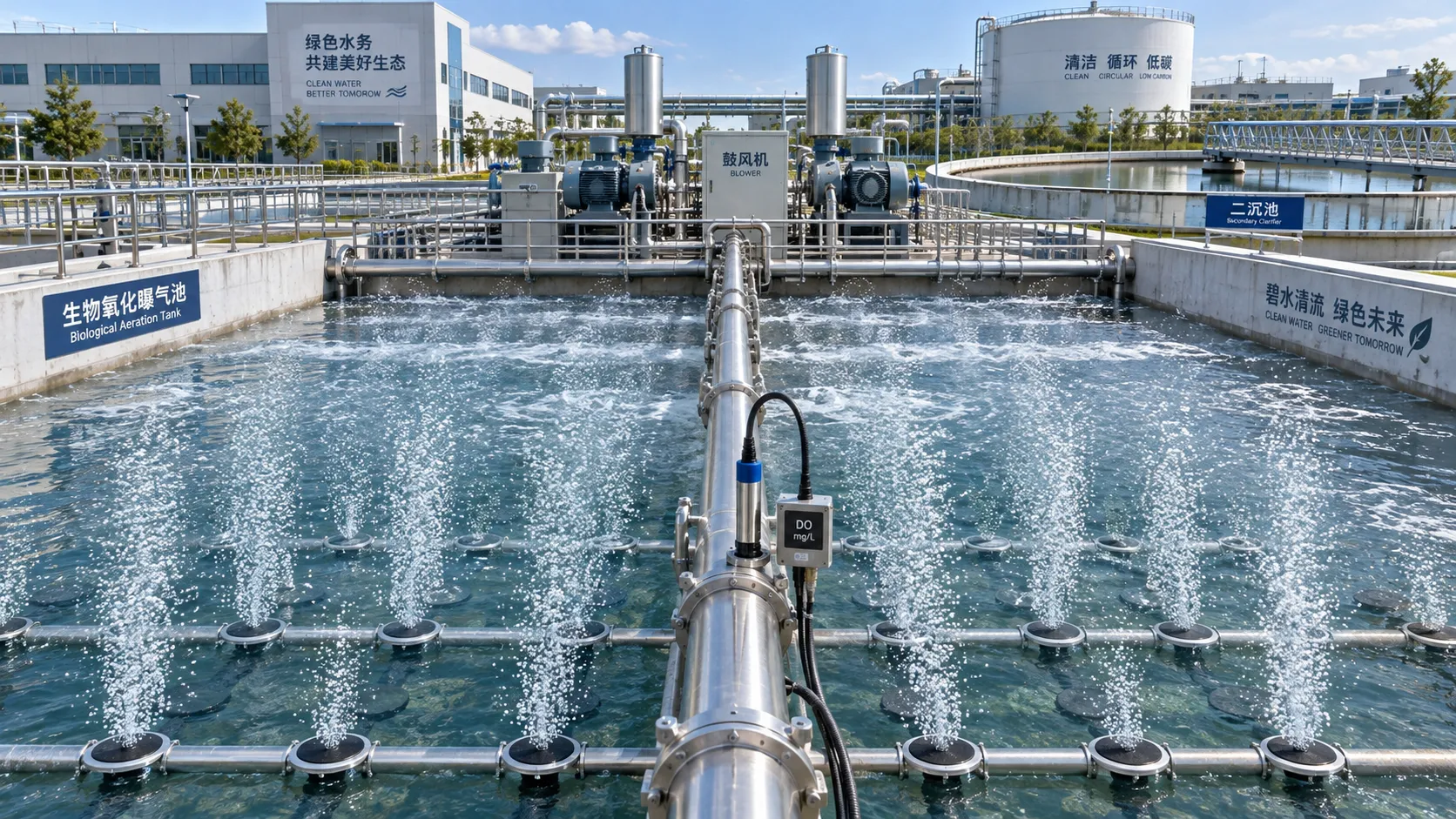
Biological Wastewater Oxidation Explained: Aeration Demand and Process Control
Biological wastewater oxidation explained: optimize aeration demand, DO control, nitrification, and sludge age for stable effluent quality and lower energy costs.
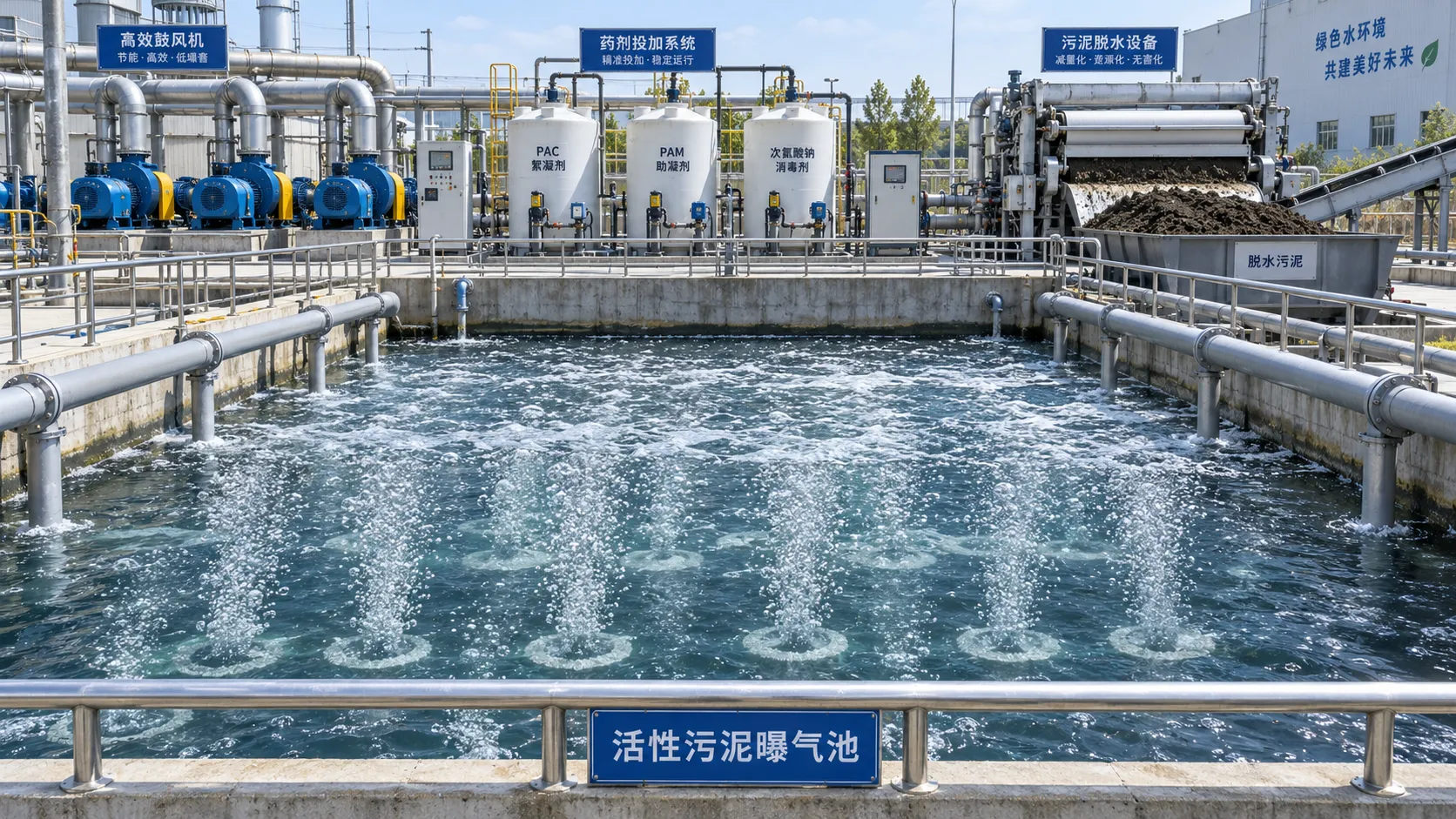
Activated Sludge Cost: Budgeting Energy, Chemicals, Sludge, and Labor
Activated sludge cost explained: compare energy, chemicals, sludge disposal, labor, and compliance risks to build a reliable lifecycle budget.
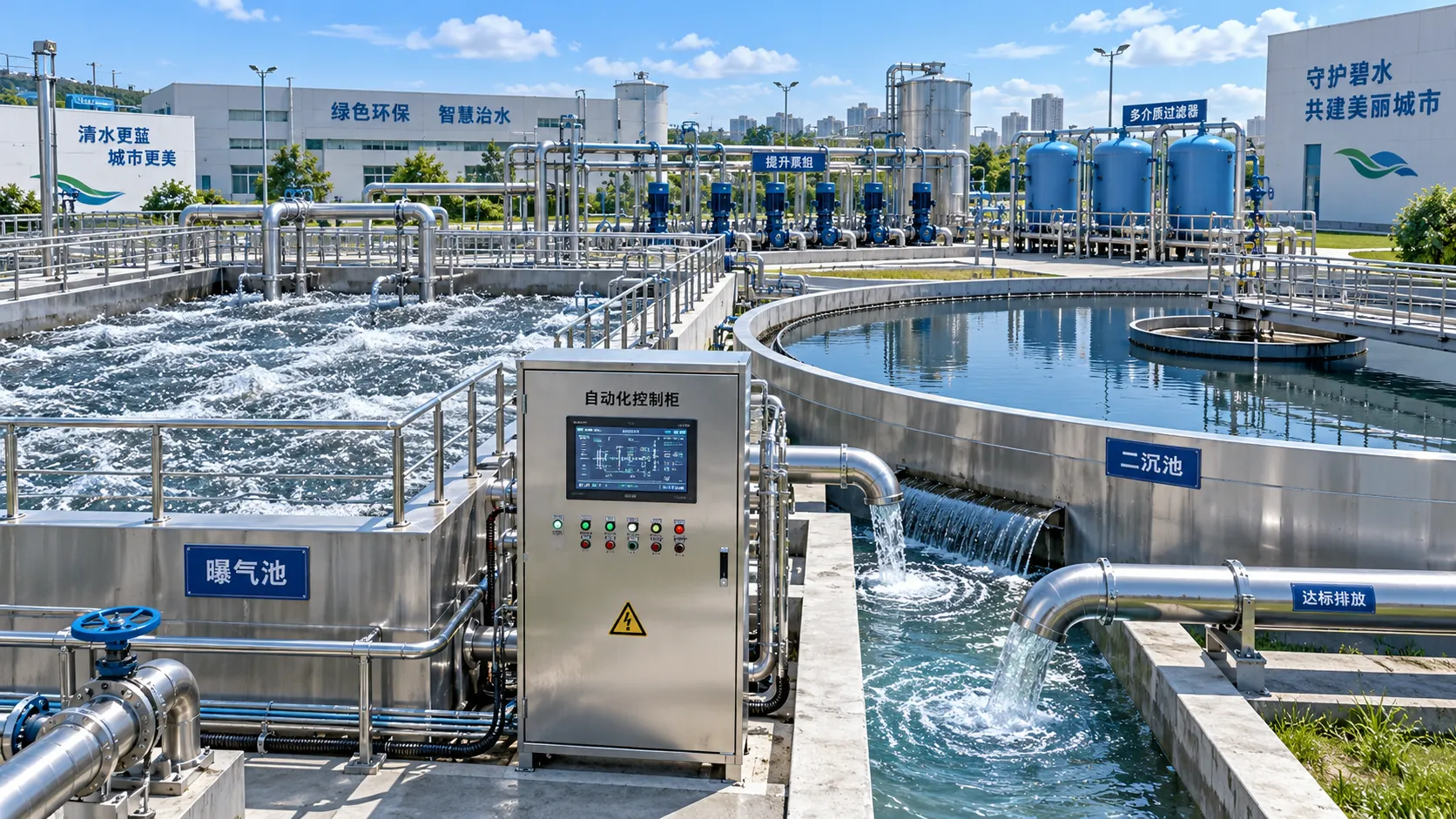
When Should Municipal Wastewater Plants Upgrade Treatment Capacity and Controls?
Municipal wastewater treatment upgrades: learn when capacity, controls, and resilient planning are needed to protect compliance and optimize plant performance.