
Industry News
Curation by industry experts
Hot Articles
Popular Tags
Industrial Wastewater Recycling: Key Design Errors to Avoid Early
In industrial wastewater recycling, early design decisions often determine whether a project achieves compliance, cost control, and long-term reliability. For project managers and engineering leads, avoiding critical mistakes at the planning stage can reduce retrofit risks, protect CAPEX, and improve treatment performance. This article highlights the key design errors that should be identified early to build more resilient and efficient recycling systems.
Why early-stage design mistakes in industrial wastewater recycling become expensive later
Industrial wastewater recycling is not a single equipment purchase. It is a process architecture decision that affects pretreatment, membrane loading, sludge handling, chemical dosing, automation, energy use, and discharge compliance.
For project managers, the biggest risk is not always visible during bidding. Many failures appear after startup, when scaling, fouling, unstable influent, or poor reuse water quality begin to erode production continuity.
In sectors ranging from chemicals and food processing to metal finishing and municipal-industrial integrated parks, recycled water systems face a common challenge: feedwater variability. A design that works on average values may fail under peak contaminant events.
This is where a strategic intelligence approach matters. ESD tracks not only treatment technologies but also regulatory shifts, closed-loop recovery logic, and equipment reliability signals that influence long-term project bankability.
- Retrofit costs often exceed the savings gained from underdesigned pretreatment.
- Permit delays can result from weak water balance assumptions and missing compliance margins.
- Production losses increase when recycled water quality is not aligned with the real end use.
Which design errors most often undermine industrial wastewater recycling projects?
1. Treating wastewater characterization as a one-time lab exercise
One of the most common errors in industrial wastewater recycling is relying on limited grab samples. Design teams may use COD, TDS, pH, and suspended solids data from a narrow time window, then size the process around that snapshot.
In reality, flow and contaminant loads fluctuate by shift pattern, cleaning cycles, production changeovers, seasonal temperature, and upstream raw material variation. Without a robust characterization campaign, equalization and process selection are frequently wrong.
2. Ignoring the real reuse target
Recycling design should start with the destination of the treated water. Is it for cooling tower makeup, boiler feed pretreatment, process washing, utility reuse, or near-potable polishing? Each target demands a different quality window.
When teams define the system only as “recycling wastewater,” they often overdesign expensive polishing steps or, worse, underdeliver water quality required by production. Both outcomes damage project economics.
3. Underestimating pretreatment complexity
Membrane-based industrial wastewater recycling depends heavily on pretreatment. Oils, colloids, silica, hardness, heavy metals, surfactants, and biofouling precursors can sharply reduce downstream performance if not controlled early.
Many projects focus on RO or evaporator performance while giving insufficient attention to DAF, coagulation-flocculation, media filtration, UF, oxidation, or pH adjustment. The result is frequent CIP, lower recovery, and shorter membrane life.
4. Designing for nameplate flow, not upset conditions
Another design error is using average hydraulic load without credible upset scenarios. Startup surges, accidental solvent leakage, batch discharge peaks, and cleaning wastewater can all destabilize biological and membrane units.
A resilient industrial wastewater recycling system needs buffer capacity, bypass logic, interlocks, and alarm thresholds. Otherwise, one upstream disturbance can trigger prolonged downtime across the plant.
5. Separating compliance thinking from process design
Compliance is not something added at the end. Water reuse, brine management, sludge classification, odor control, chemical storage, and discharge contingencies must be integrated into design from the first phase.
This matters even more as environmental governance becomes stricter. ESD’s intelligence perspective is useful here because recycling decisions increasingly interact with broader carbon, resource recovery, and industrial permitting frameworks.
Early warning table: how to identify high-risk design gaps before procurement
Before issuing RFQs or freezing P&IDs, project leaders can use the following industrial wastewater recycling risk screen to identify weak assumptions in process design, vendor communication, and compliance planning.
This table shows a clear pattern: most failures in industrial wastewater recycling begin with poor definition, not with bad hardware. Better front-end design usually protects both CAPEX and OPEX.
How should project managers structure the design basis?
Build the water balance first
A credible water balance should map all sources, sinks, peaks, recycles, purge streams, and emergency discharges. This sounds basic, but in many projects the water balance is incomplete or disconnected from production planning.
If the water balance is wrong, storage, transfer pumps, equalization volume, and concentration factor assumptions will also be wrong. That can compromise an entire industrial wastewater recycling investment.
Define design envelopes, not single numbers
Instead of one influent value for COD or conductivity, define minimum, normal, maximum, and upset conditions. Include temperature range, cleaning chemicals, intermittent contaminants, and solids distribution where relevant.
This approach improves vendor alignment and reduces disputes during FAT, SAT, and performance validation.
Link process performance to business priorities
For some sites, the priority is freshwater reduction. For others, it is ZLD readiness, discharge reduction, thermal energy control, or resource recovery. The treatment train should reflect that order of priorities.
- If water scarcity is critical, maximize stable recovery while protecting membrane life.
- If compliance pressure is high, increase monitoring points and contingency routing.
- If energy cost dominates, compare pressure-driven and thermal concentration pathways carefully.
Technology selection mistakes: what to compare before locking the process route
Industrial wastewater recycling projects often combine physical, chemical, biological, and membrane stages. The wrong sequence can increase both cost and operational complexity. A comparison framework helps teams make better decisions early.
No route is universally right. The correct industrial wastewater recycling train depends on contaminant profile, reuse objective, utility cost, operator capability, and brine endpoint strategy.
Procurement and bid-stage checkpoints that reduce redesign risk
Many project teams enter procurement too early. They request bids before clarifying testing boundaries, guaranteed conditions, or vendor battery limits. This often produces low-price proposals that hide future variation orders.
Ask for proof beyond brochure performance
- Request performance assumptions under normal and upset influent conditions.
- Confirm which parameters are guaranteed, tested, or only estimated.
- Verify chemical consumption basis, CIP frequency assumption, and membrane replacement logic.
- Review instrumentation scope, spare parts philosophy, and automation interfaces with plant DCS or SCADA.
Check total lifecycle exposure, not only purchase price
Low CAPEX systems can become expensive if they consume more antiscalant, energy, labor, or cleaning downtime. For project managers, lifecycle cost visibility is more useful than headline equipment pricing.
ESD supports this decision logic by connecting equipment intelligence with broader market signals, including technology maturity, compliance pressure, and resource recovery pathways relevant to large infrastructure and EPC environments.
Compliance, standards, and documentation: what should be built in from day one?
Industrial wastewater recycling design should include a documentation path as early as concept engineering. Waiting until commissioning to address environmental reporting or discharge traceability creates avoidable delays.
Applicable requirements vary by jurisdiction and industry, but project teams commonly need to consider reuse quality criteria, wastewater discharge permits, chemical handling rules, electrical safety, pressure equipment requirements, and sludge or brine disposal obligations.
- Define sampling points for compliance and operational control separately.
- Include calibration and verification plans for online analyzers.
- Document diversion logic for off-spec water and emergency overflow conditions.
For projects tied to export-oriented manufacturing, environmental performance increasingly affects supply-chain positioning. Stronger documentation in industrial wastewater recycling can therefore support both compliance and commercial credibility.
FAQ: practical questions project leaders ask before approving industrial wastewater recycling systems
How much pilot testing is usually needed?
That depends on the complexity of the wastewater and the financial consequence of failure. For variable or high-fouling streams, bench and pilot validation are often justified, especially before selecting membranes, oxidation steps, or ZLD-related equipment.
When is ZLD a realistic target?
ZLD can be appropriate where discharge is restricted, water value is high, or corporate sustainability targets are strong. However, project teams must test scaling behavior, thermal duty, concentrate management, and solids disposal economics before committing.
What is the most overlooked cost in industrial wastewater recycling?
In many plants, it is the cost of instability rather than chemicals alone. Off-spec reuse water, unscheduled cleaning, production interruption, and emergency hauling can outweigh initial equipment savings very quickly.
How early should operations teams be involved?
As early as concept design. Operators know actual plant behavior, cleaning patterns, alarm fatigue issues, and maintenance limitations. Their input often prevents design assumptions that look efficient on paper but fail in daily operation.
Why choose us for industrial wastewater recycling decision support?
ESD is built for decision-makers who need more than generic technology summaries. We connect treatment physics, equipment selection logic, compliance direction, and commercial project intelligence across large water treatment, resource recovery, desalination, and high-reliability environmental systems.
If you are reviewing an industrial wastewater recycling project, we can help you assess design basis completeness, compare process routes, clarify pretreatment requirements, and identify where hidden lifecycle costs may appear before procurement is locked.
- Consult on parameter confirmation, including variable influent ranges and reuse water targets.
- Support product and process selection for RO, UF, pretreatment, concentration, and ZLD-related pathways.
- Discuss delivery timing, bid-stage technical clarification, and vendor comparison priorities.
- Review certification and compliance considerations relevant to project location and industry context.
- Explore customized intelligence support for EPC teams, infrastructure investors, and plant expansion programs.
For project managers and engineering leads, the best time to fix industrial wastewater recycling mistakes is before equipment is ordered. A better brief, a sharper comparison, and a stronger design basis can save months of delay and years of avoidable operating burden.
Recommended News
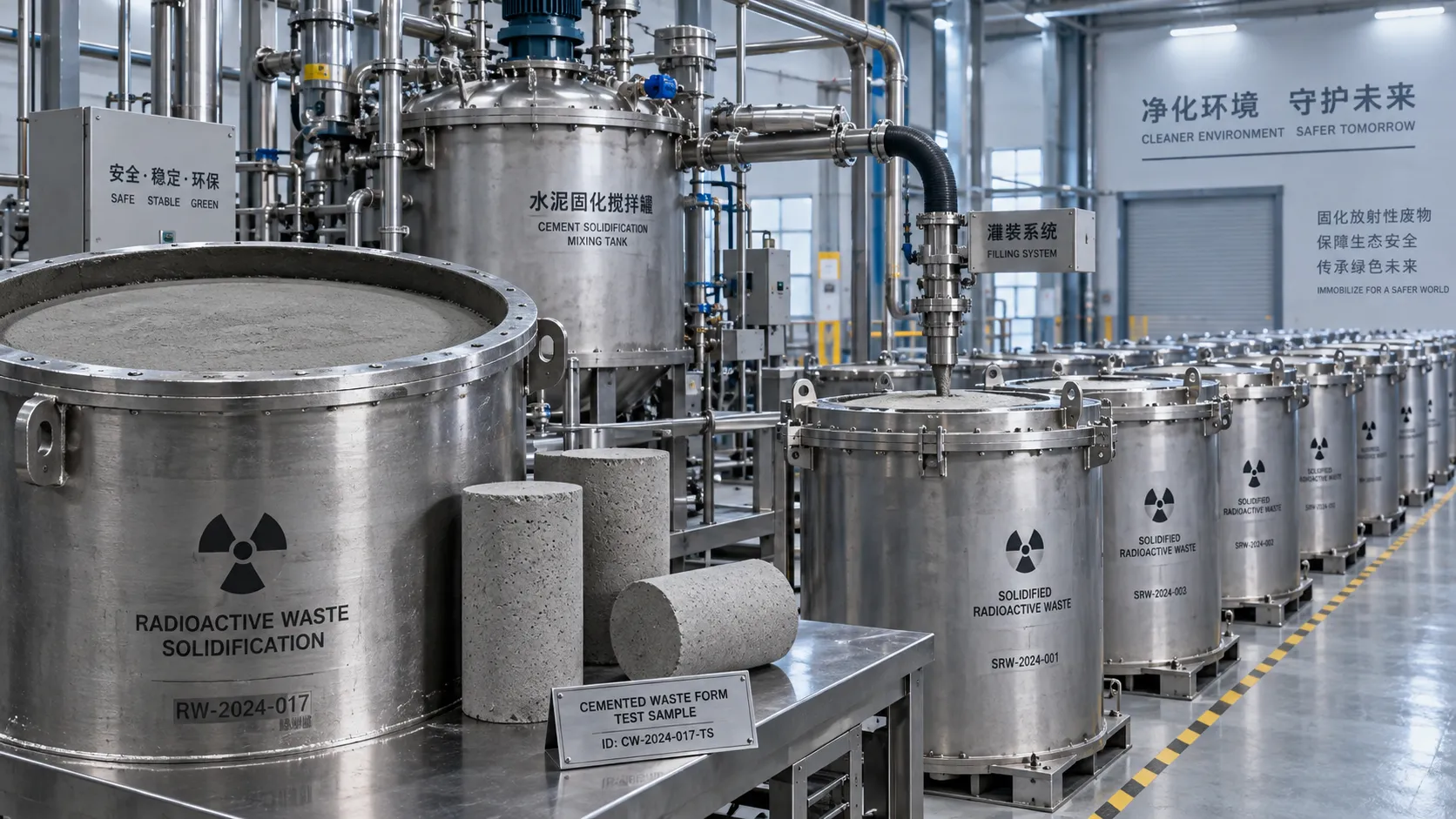
When is cementation suitable for nuclear decommissioning waste?
Explore nuclear waste treatment technology for decommissioning: learn when cementation fits, which risks to assess, and how disposal criteria guide an effective treatment choice.
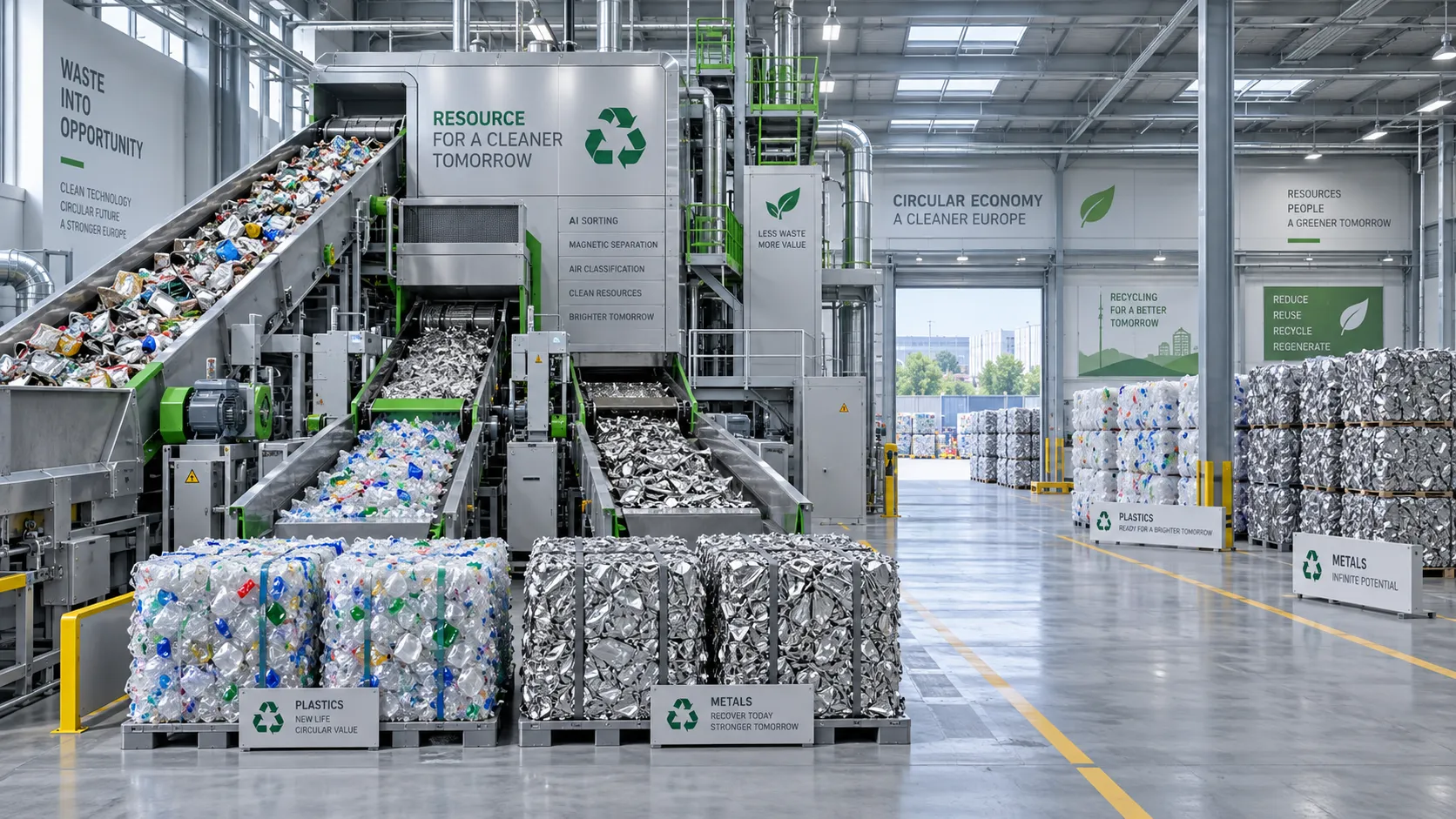
What determines payback for waste-to-resource systems in Europe?
Assess waste-to-resource systems Europe-wide: compare feedstock, recovery yields, costs and contracts to uncover payback drivers and make smarter investment decisions.
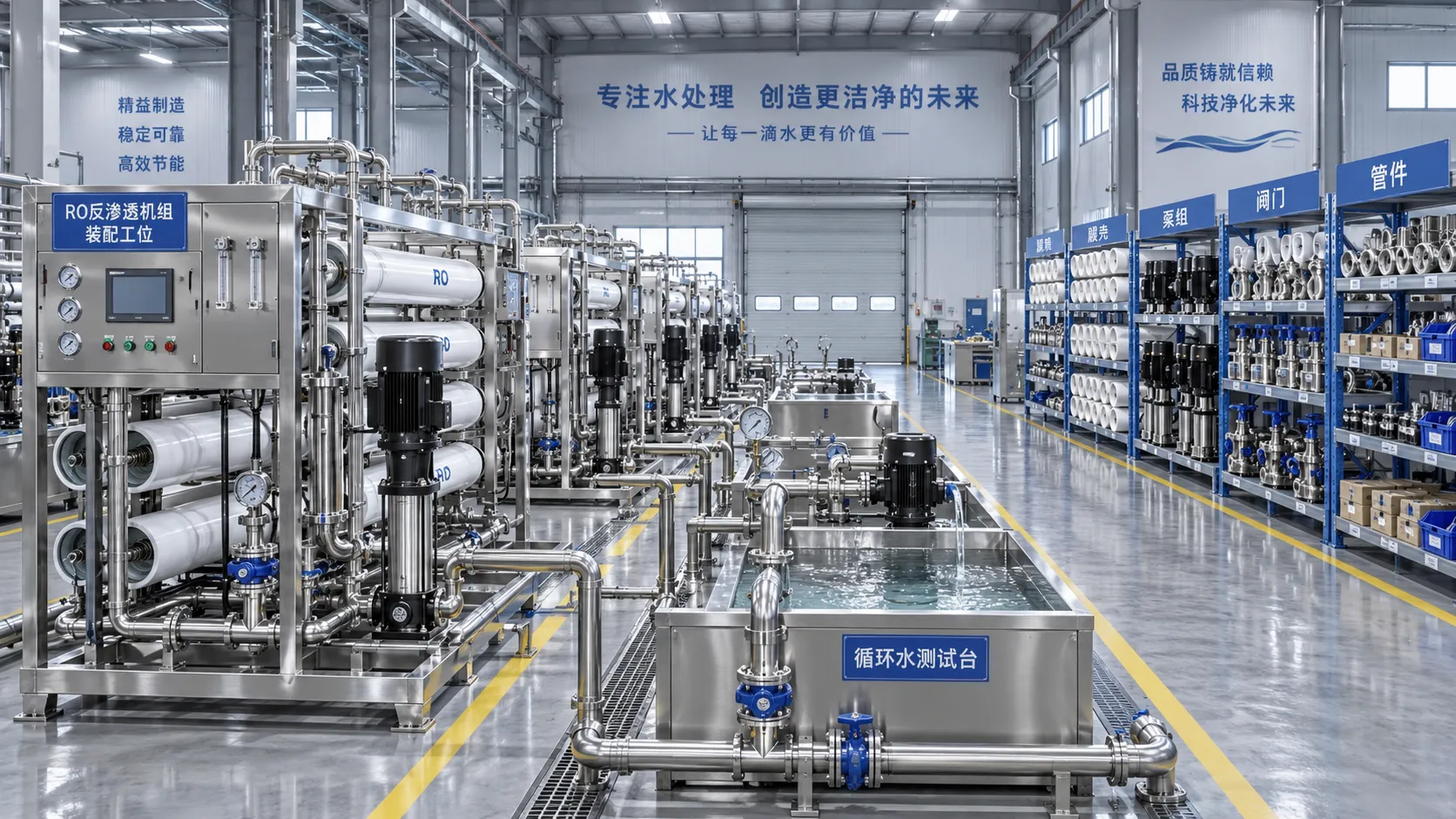
How to verify a water treatment system factory’s production capacity
Verify a water treatment systems factory’s production capacity through records, bottlenecks, component availability, and testing. Learn what to check before accepting a delivery promise.
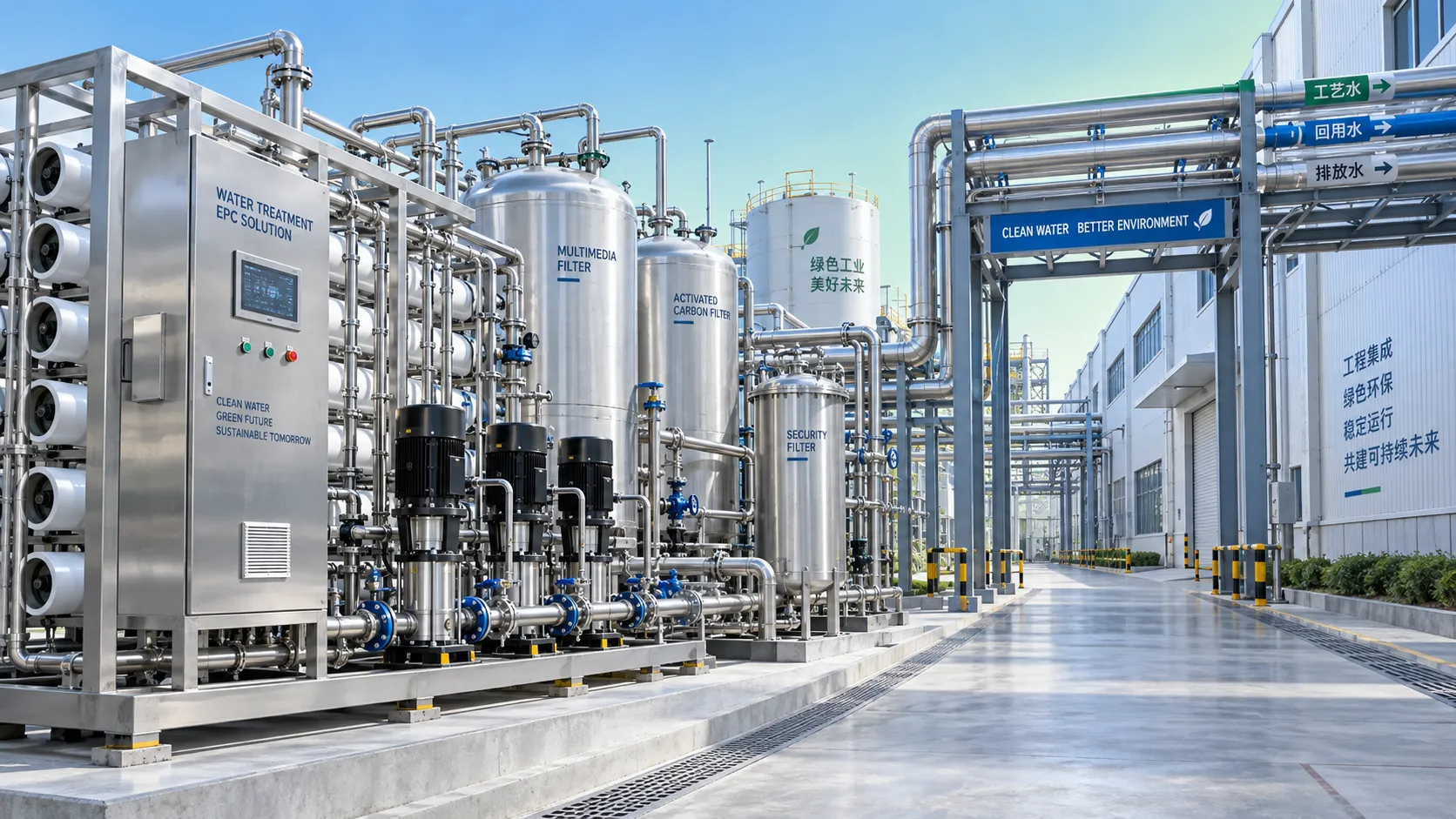
When does EPC environmental project support reduce delivery risk?
EPC environmental project support engineering reduces delivery risk by aligning design, procurement, compliance, construction, and commissioning decisions.
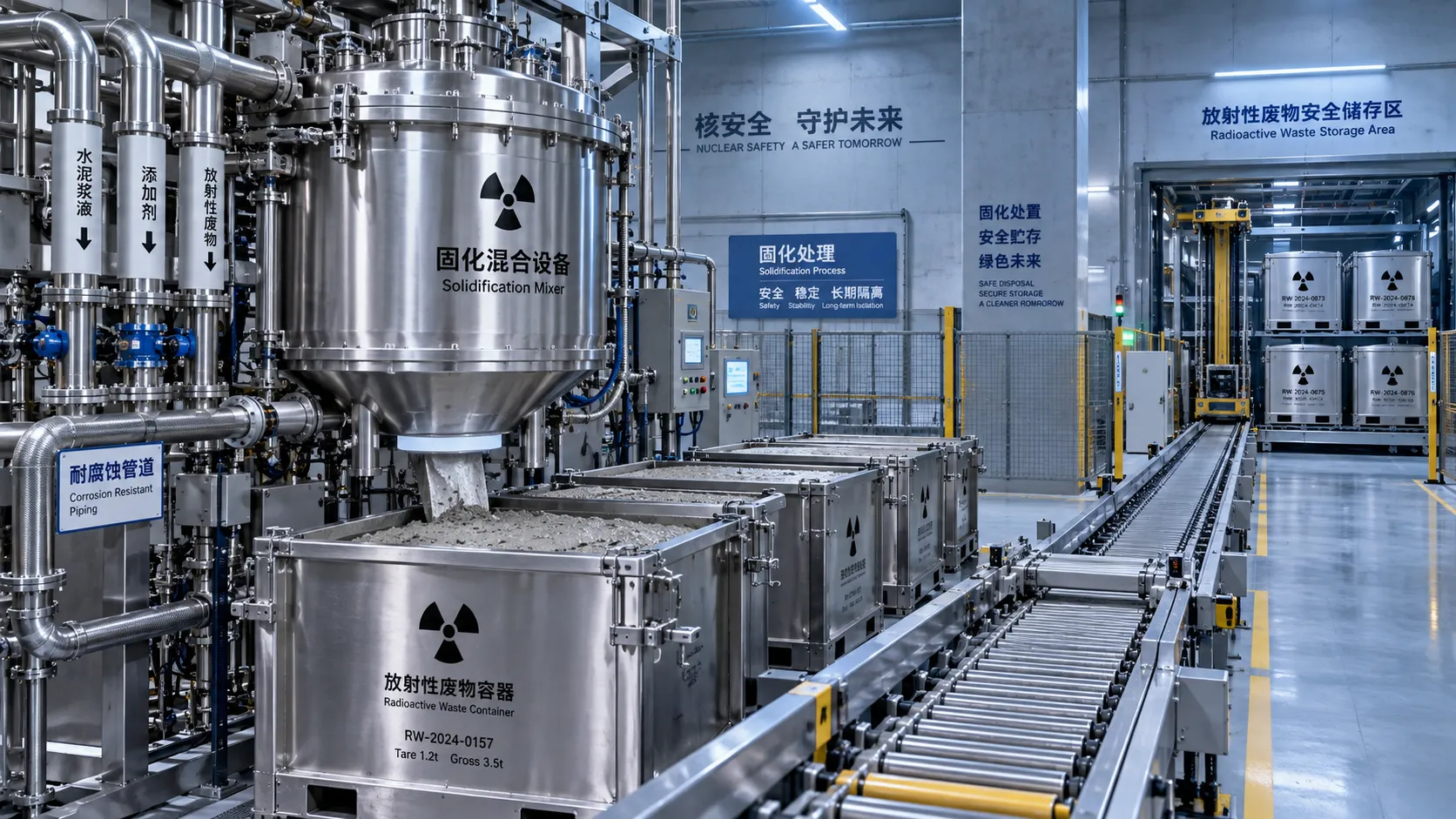
How nuclear plants select a radioactive waste solidification method
Radioactive waste management for nuclear plants: compare vitrification, cementation, polymers, and ceramics to select a compliant, durable solidification solution.
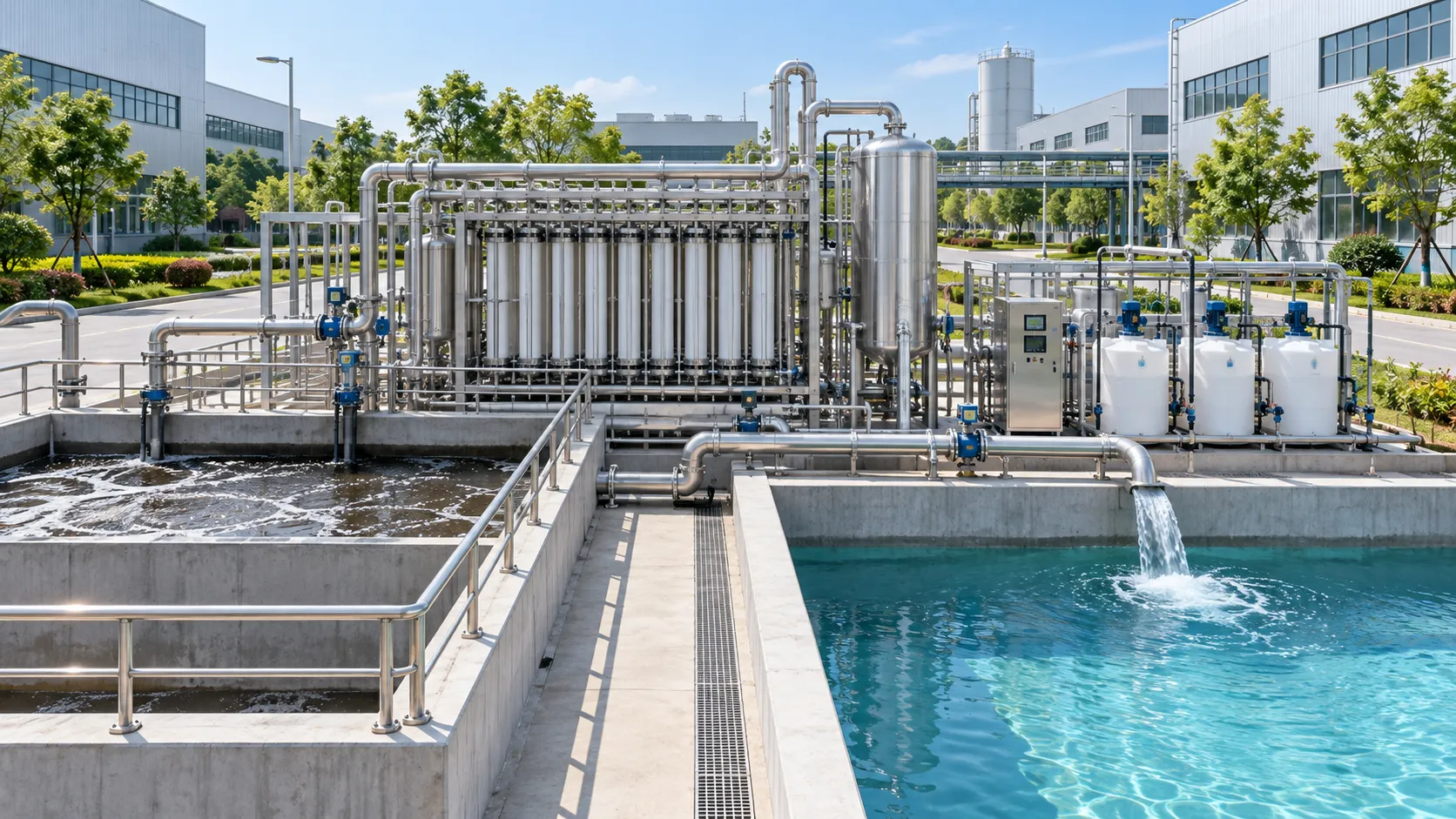
Comparing Upgrade Costs for Industrial Park Wastewater Treatment Systems
Compare costs for wastewater system upgrades in industrial parks with a lifecycle view of CAPEX, OPEX, compliance, resilience, and future expansion.
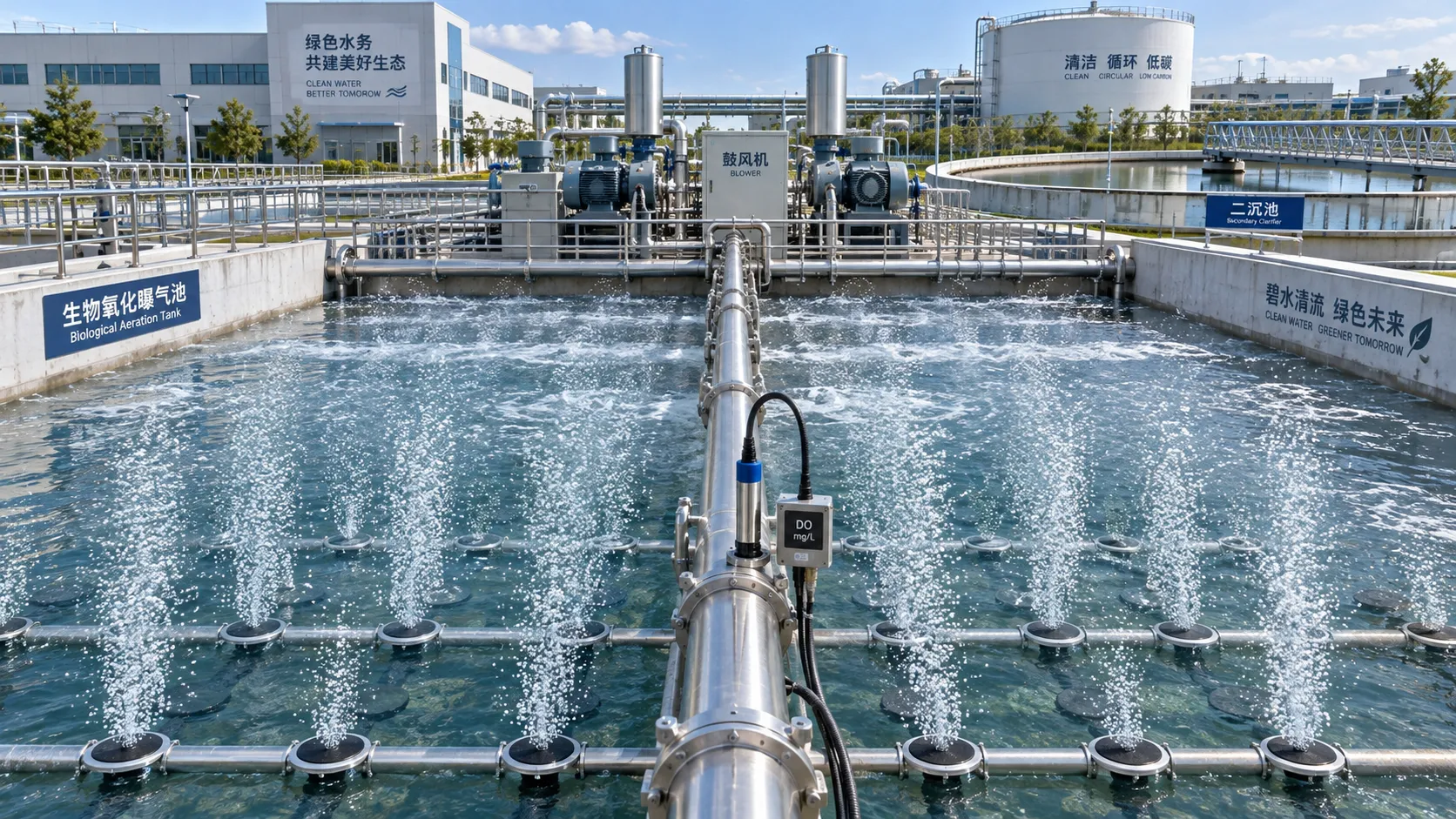
Biological Wastewater Oxidation Explained: Aeration Demand and Process Control
Biological wastewater oxidation explained: optimize aeration demand, DO control, nitrification, and sludge age for stable effluent quality and lower energy costs.
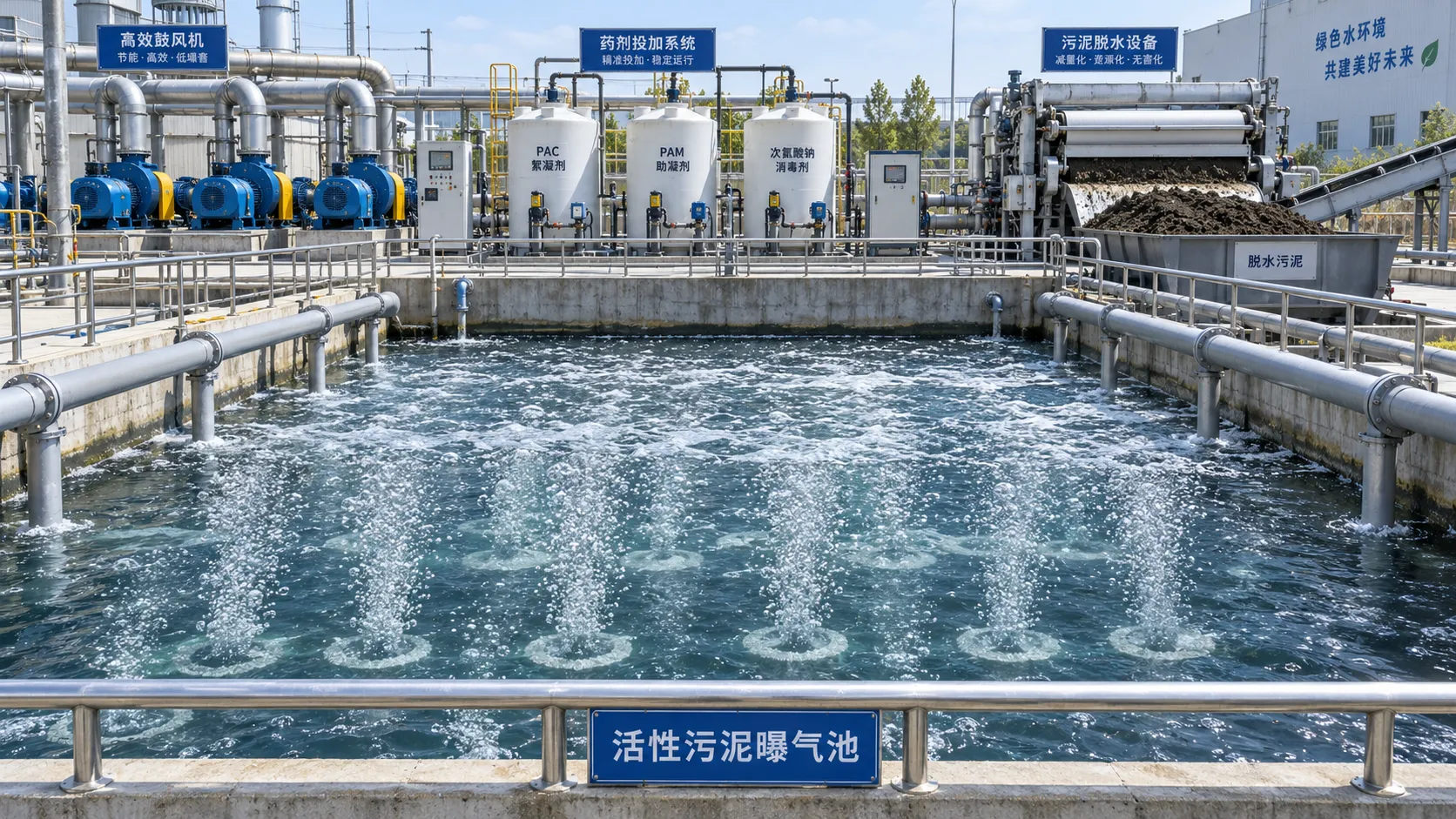
Activated Sludge Cost: Budgeting Energy, Chemicals, Sludge, and Labor
Activated sludge cost explained: compare energy, chemicals, sludge disposal, labor, and compliance risks to build a reliable lifecycle budget.
When Should Municipal Wastewater Plants Upgrade Treatment Capacity and Controls?
Municipal wastewater treatment upgrades: learn when capacity, controls, and resilient planning are needed to protect compliance and optimize plant performance.