
Industry News
Curation by industry experts
Hot Articles
Popular Tags
Industrial Wastewater Recycling: When MBR Makes Sense
Why MBR Is Re-entering the Wastewater Reuse Conversation
Industrial wastewater recycling is no longer a broad sustainability promise. It is a technical decision shaped by water variability, discharge limits, footprint, risk, and lifecycle cost.
For many facilities, membrane bioreactor technology is attractive because it combines biological treatment with membrane separation in one process envelope.
Yet MBR is not automatically the best answer. It makes sense when its strengths match the wastewater profile and reuse target.
The central question is practical: when does MBR create measurable value in industrial wastewater recycling compared with conventional treatment and polishing?
That question has become more urgent as factories face tighter permits, water scarcity, ESG reporting, and pressure to reduce freshwater intake.
In this context, MBR is best understood as a high-control platform, not merely an advanced filtration upgrade.
The Basic Logic Behind MBR Treatment
An MBR system uses suspended biomass to degrade organic pollutants, then membranes retain solids and microorganisms.
This allows the process to produce a clarified effluent without relying on conventional secondary settling tanks.
For industrial wastewater recycling, that separation step is important because downstream reuse often needs low turbidity and stable suspended solids control.
MBR effluent can support cooling tower makeup, washing water, process reuse, irrigation, or feedwater for reverse osmosis.
The technology is especially valuable where biological removal is needed before fine polishing, disinfection, or desalting.
However, MBR does not remove all dissolved salts, metals, or refractory organics. Those limits shape the final treatment train.
What MBR usually improves
- Lower suspended solids in treated effluent.
- More compact biological treatment footprint.
- Better containment of biomass and pathogens.
- More stable feed quality for downstream membranes.
- Higher mixed liquor concentration than conventional systems.
These gains explain why MBR often appears in modern industrial wastewater recycling projects with limited space and strict reuse quality targets.
Where Industrial Wastewater Recycling Gains Real Value
Water reuse projects succeed when the recovered stream has a clear destination, not only when treatment technology looks advanced.
MBR becomes more compelling when recycled water must be predictable enough for internal reuse or downstream high-recovery systems.
In manufacturing, the financial case may come from avoided discharge fees, reduced freshwater purchase, or improved permit resilience.
In water-stressed regions, industrial wastewater recycling also becomes a production continuity strategy, not only an environmental measure.
From an ecological engineering perspective, this is where treatment design connects with resource closed-loop logic.
A reuse scheme should therefore measure value across quality, reliability, energy, chemicals, sludge, compliance, and future expansion.
When MBR Makes the Most Sense
MBR tends to fit projects where conventional activated sludge struggles with footprint, effluent clarity, or downstream membrane protection.
It is also useful when industrial wastewater recycling requires steady biological performance despite moderate fluctuations in influent quality.
Food and beverage plants often consider MBR when organic loading is high but biodegradable.
Chemical, textile, pharmaceutical, and electronics sites may use MBR after proper pretreatment and toxicity control.
Industrial parks may adopt MBR when mixed wastewater streams need centralized treatment before reuse or discharge polishing.
The technology is not limited to one sector. Its relevance depends on wastewater character and reuse economics.
Strong-fit conditions
- The stream contains biodegradable COD or BOD.
- Reuse needs low turbidity and low suspended solids.
- Land is expensive or unavailable.
- Downstream RO, NF, or UV needs cleaner feedwater.
- Compliance requires stable performance, not occasional compliance.
In these cases, MBR can improve the controllability of industrial wastewater recycling and reduce reliance on large tertiary clarification systems.
When MBR May Not Be the Right Starting Point
A good evaluation also defines where MBR is weak. This prevents overspecification and costly retrofits.
If the wastewater is dominated by salts, MBR alone will not deliver meaningful desalination.
If toxic solvents, biocides, heavy metals, or extreme pH enter frequently, the biomass can be damaged.
If oil, grease, fibers, or colloids are poorly controlled, membrane fouling can rise quickly.
Industrial wastewater recycling projects with highly variable batch discharges must therefore examine equalization before choosing MBR capacity.
In some facilities, conventional biological treatment plus dissolved air flotation, media filtration, or ultrafiltration may be enough.
In others, MBR becomes a mid-stage platform before RO, advanced oxidation, activated carbon, or ZLD concentration.
Pretreatment Often Decides the Outcome
The success of MBR rarely depends on membrane modules alone. Pretreatment often determines reliability.
Screening protects membranes from hair, fibers, plastics, and hard particles. Fine screening is usually not optional.
Equalization reduces hydraulic and organic shocks. It also improves biological stability during shift changes or batch dumping.
Oil separation, coagulation, pH correction, and metal precipitation may be required before biological treatment.
For industrial wastewater recycling, pretreatment should be selected from actual wastewater data, not only standard design assumptions.
Key influent parameters to verify
- COD fractions, including biodegradable and refractory portions.
- BOD to COD ratio and nutrient balance.
- Oil, grease, surfactants, and emulsified contaminants.
- Toxicity, inhibition risk, and shock loading frequency.
- TSS, particle size, fibers, and grit.
- Conductivity, chlorides, sulfates, hardness, and silica.
These parameters define whether MBR is a robust platform or a fragile component in the treatment chain.
Fouling, Cleaning, and the Reality of Operation
MBR performance is closely tied to fouling control. This is where many paper evaluations become operational decisions.
Fouling can come from suspended solids, extracellular polymers, colloids, scaling, oil, or biological growth on membrane surfaces.
Air scouring, flux control, backwashing, relaxation, and chemical cleaning all affect energy use and downtime.
For industrial wastewater recycling, the design flux should reflect wastewater risk, not only catalog performance.
A conservative flux may increase module area, but it can reduce cleaning frequency and improve long-term availability.
The same logic applies to chemical cleaning. More aggressive cleaning can restore permeability, but may shorten membrane life.
A realistic evaluation should include membrane replacement, aeration power, chemical use, sludge handling, labor, and monitoring systems.
MBR Within a Broader Resource Recovery Strategy
Industrial wastewater recycling increasingly sits inside wider circular economy planning. Water is only one recoverable value stream.
Some facilities also recover heat, nutrients, salts, metals, solvents, or concentrated chemical streams.
MBR can support this strategy by producing a stable intermediate stream for further polishing or concentration.
For high-recovery systems, MBR may reduce organic fouling pressure before RO or nanofiltration.
For ZLD projects, it may reduce biological load before evaporation or crystallization, depending on the wastewater matrix.
This aligns with the broader Eco-Shield view of water treatment as an ecological boundary protection system.
The best projects do not isolate MBR from compliance, carbon, solids, energy, and downstream resource logic.
Compliance Pressure Changes the Selection Criteria
Regulatory pressure is reshaping how industrial wastewater recycling is evaluated. Minimum discharge compliance is no longer always enough.
Facilities may need evidence of stable effluent quality, traceable operations, reduced discharge volume, and readiness for stricter limits.
Carbon-related trade rules and supply-chain audits also influence water treatment decisions, especially for export-oriented production.
MBR can support compliance resilience by improving consistency, but only if monitoring and control are well designed.
Useful monitoring includes transmembrane pressure, permeability, dissolved oxygen, sludge age, MLSS, COD, ammonia, turbidity, and conductivity.
Digital records also help compare pilot results, operating drift, maintenance events, and seasonal performance.
This is why intelligence-led evaluation matters. Equipment choice must connect to regulatory exposure and lifecycle operating evidence.
How to Judge an MBR Proposal for Reuse
A strong proposal should explain why MBR is necessary for the reuse objective, not simply list technology advantages.
It should show how the system handles worst-case influent, cleaning cycles, and downstream quality requirements.
For industrial wastewater recycling, pilot testing is often valuable when wastewater is complex or variable.
Pilot results should include stable operation, not only short-term removal rates under favorable conditions.
The following questions help clarify whether the design basis is strong enough.
- What reuse quality is required, and who accepts that water?
- Which pollutants are biological, physical, chemical, or saline?
- How often do influent shocks occur, and how are they buffered?
- What flux, cleaning schedule, and membrane life are assumed?
- What downstream units depend on MBR effluent stability?
- How are sludge, energy, chemicals, and downtime costed?
- What happens if future discharge limits become stricter?
These questions move the discussion from equipment preference to system fitness.
A Practical Path Toward Better Decisions
MBR makes sense when industrial wastewater recycling needs compact treatment, stable effluent, and strong solids separation before reuse or polishing.
It is less convincing when the main challenge is salinity, toxicity, poor pretreatment, or undefined reuse demand.
The most reliable pathway starts with wastewater characterization, then defines reuse destinations and compliance margins.
After that, MBR can be compared with conventional biological treatment, tertiary filtration, ultrafiltration, RO, and ZLD options.
A balanced evaluation should include technical feasibility, operating risk, carbon impact, lifecycle cost, and future regulatory pressure.
For complex projects, the next step is usually a structured design basis, supported by sampling, pilot data, and scenario comparison.
That approach gives industrial wastewater recycling a stronger foundation than technology selection based on reputation alone.
When MBR is chosen for the right reasons, it becomes part of a resilient water reuse system, not just another treatment asset.
Recommended News
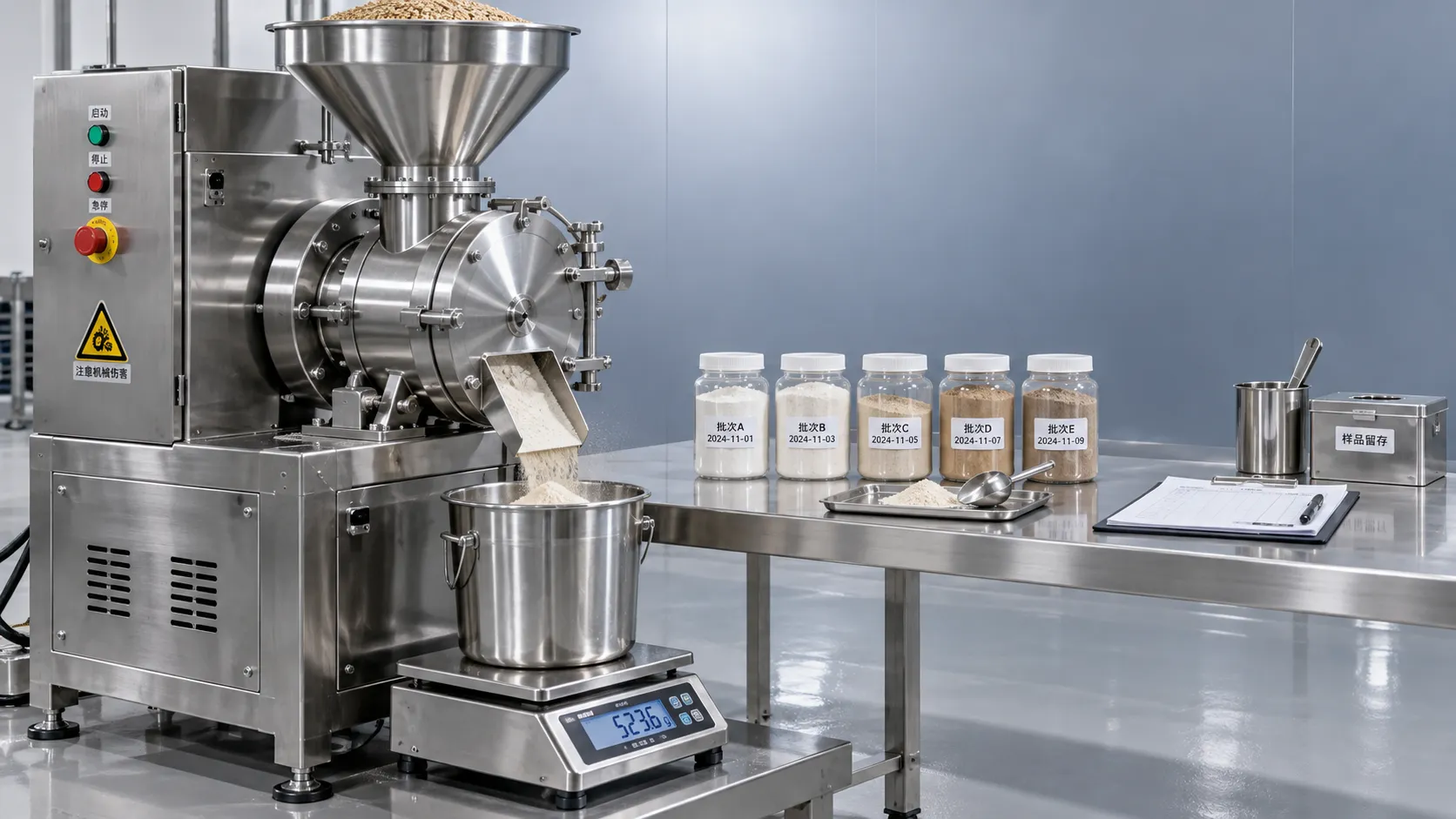
How to vet ingredient processing equipment manufacturers using trials
Vet ingredient processing equipment manufacturers with real-world trials. Learn how to verify yield, cleaning, energy use, and scale-up before you invest.
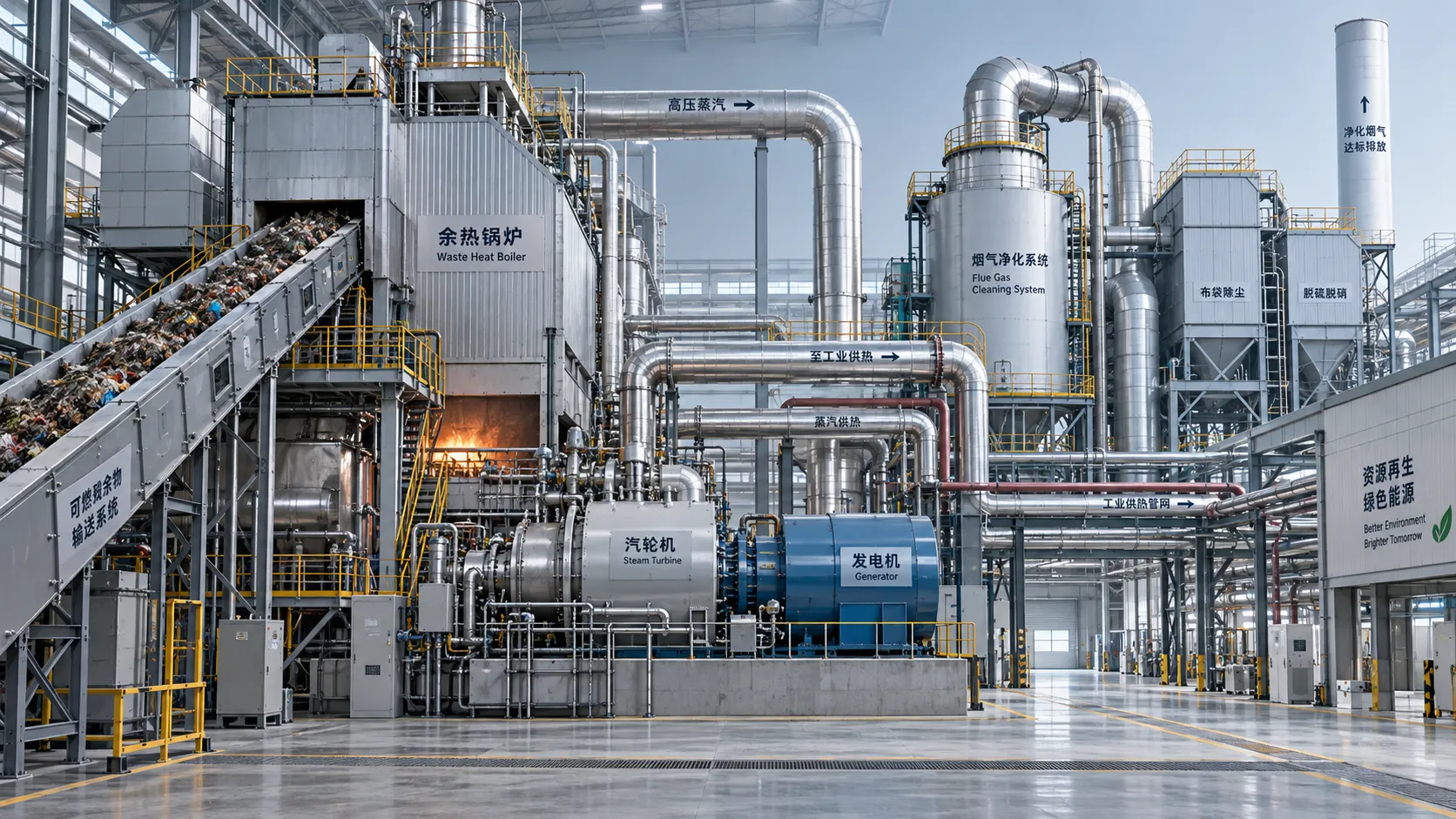
When is energy recovery viable in the solid waste recovery process?
When is energy recovery viable in the solid waste recovery process? Explore feedstock quality, net energy, emissions, and costs to assess feasibility and make smarter investment decisions.
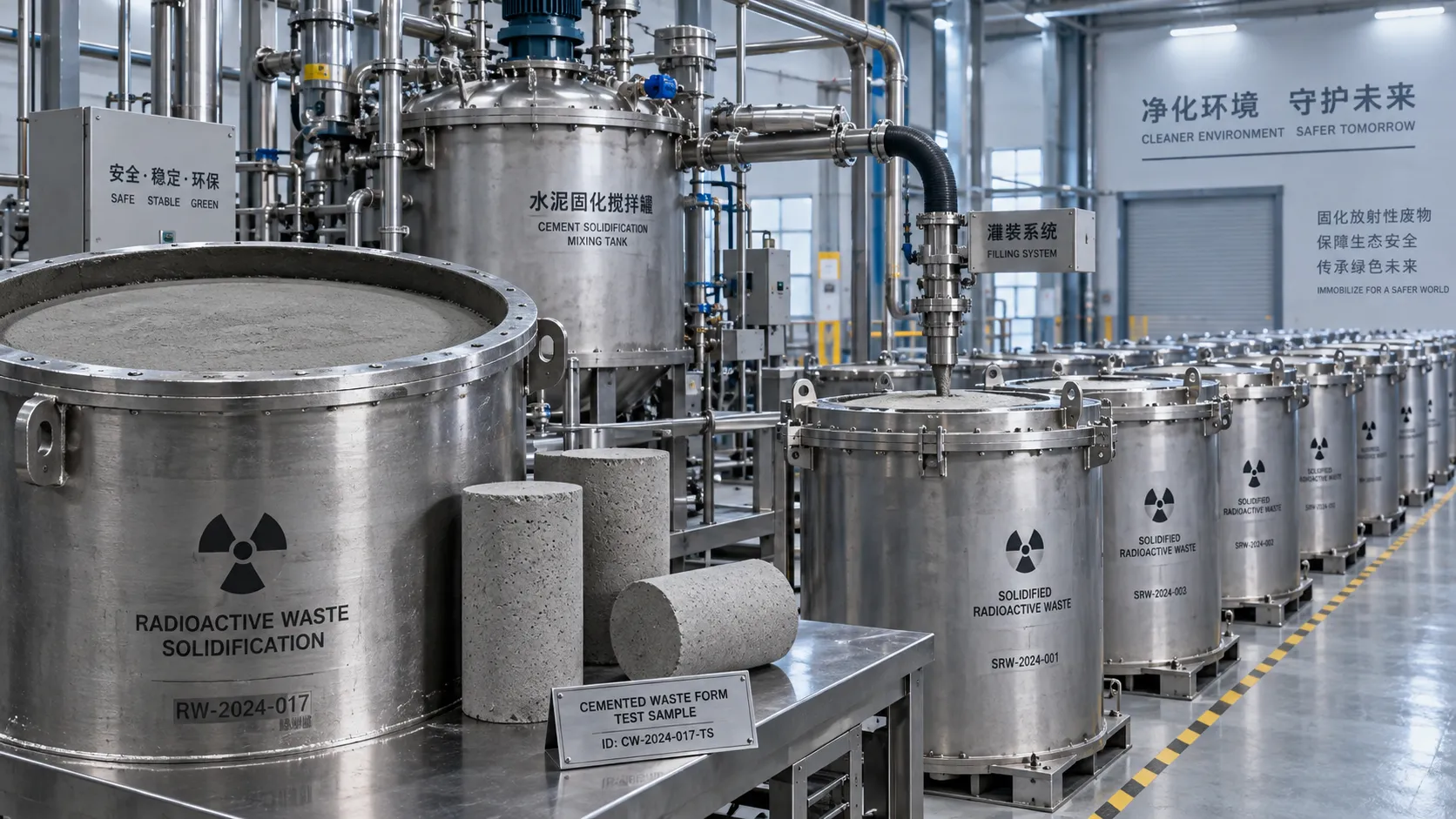
When is cementation suitable for nuclear decommissioning waste?
Explore nuclear waste treatment technology for decommissioning: learn when cementation fits, which risks to assess, and how disposal criteria guide an effective treatment choice.
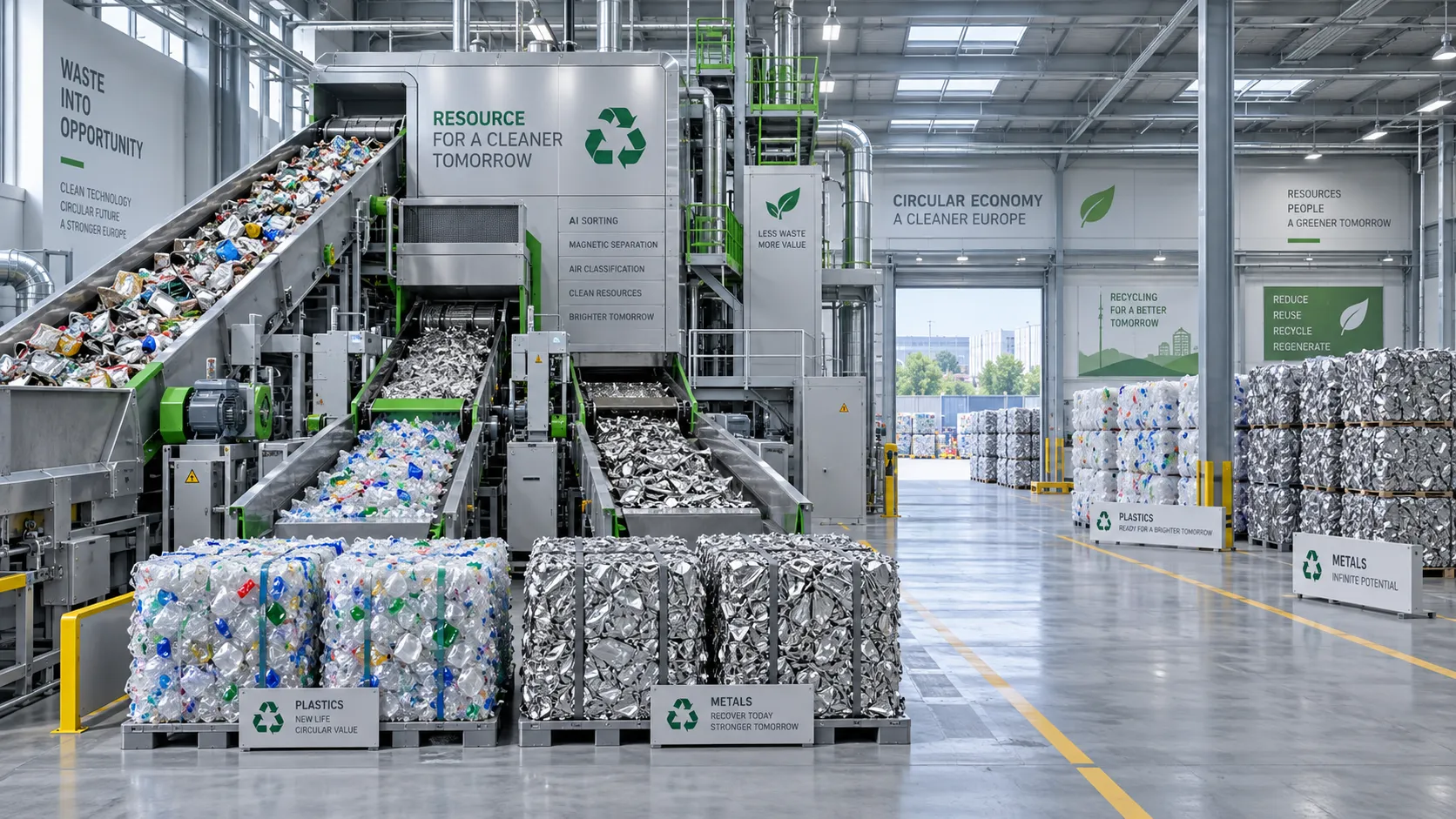
What determines payback for waste-to-resource systems in Europe?
Assess waste-to-resource systems Europe-wide: compare feedstock, recovery yields, costs and contracts to uncover payback drivers and make smarter investment decisions.
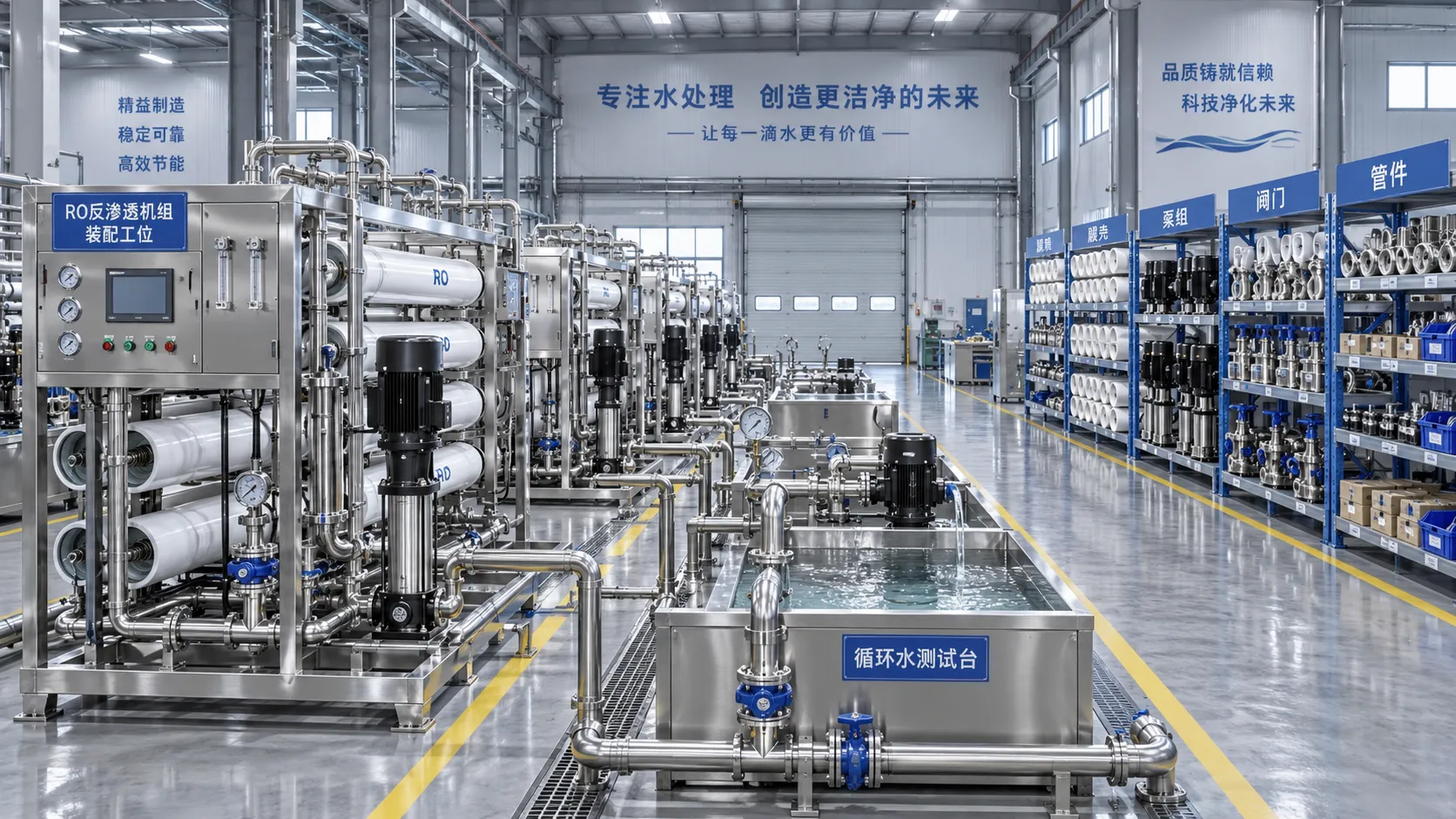
How to verify a water treatment system factory’s production capacity
Verify a water treatment systems factory’s production capacity through records, bottlenecks, component availability, and testing. Learn what to check before accepting a delivery promise.
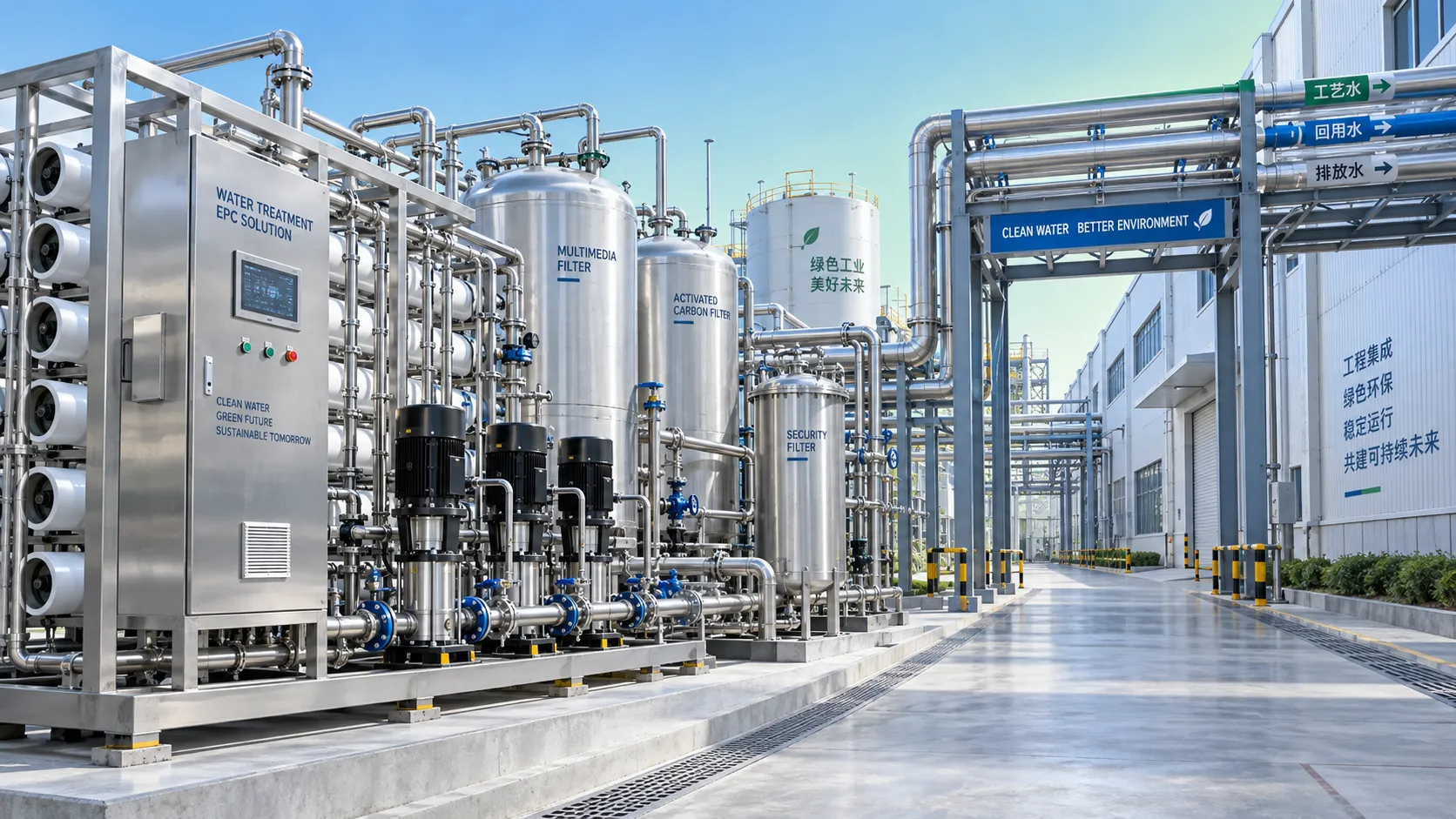
When does EPC environmental project support reduce delivery risk?
EPC environmental project support engineering reduces delivery risk by aligning design, procurement, compliance, construction, and commissioning decisions.
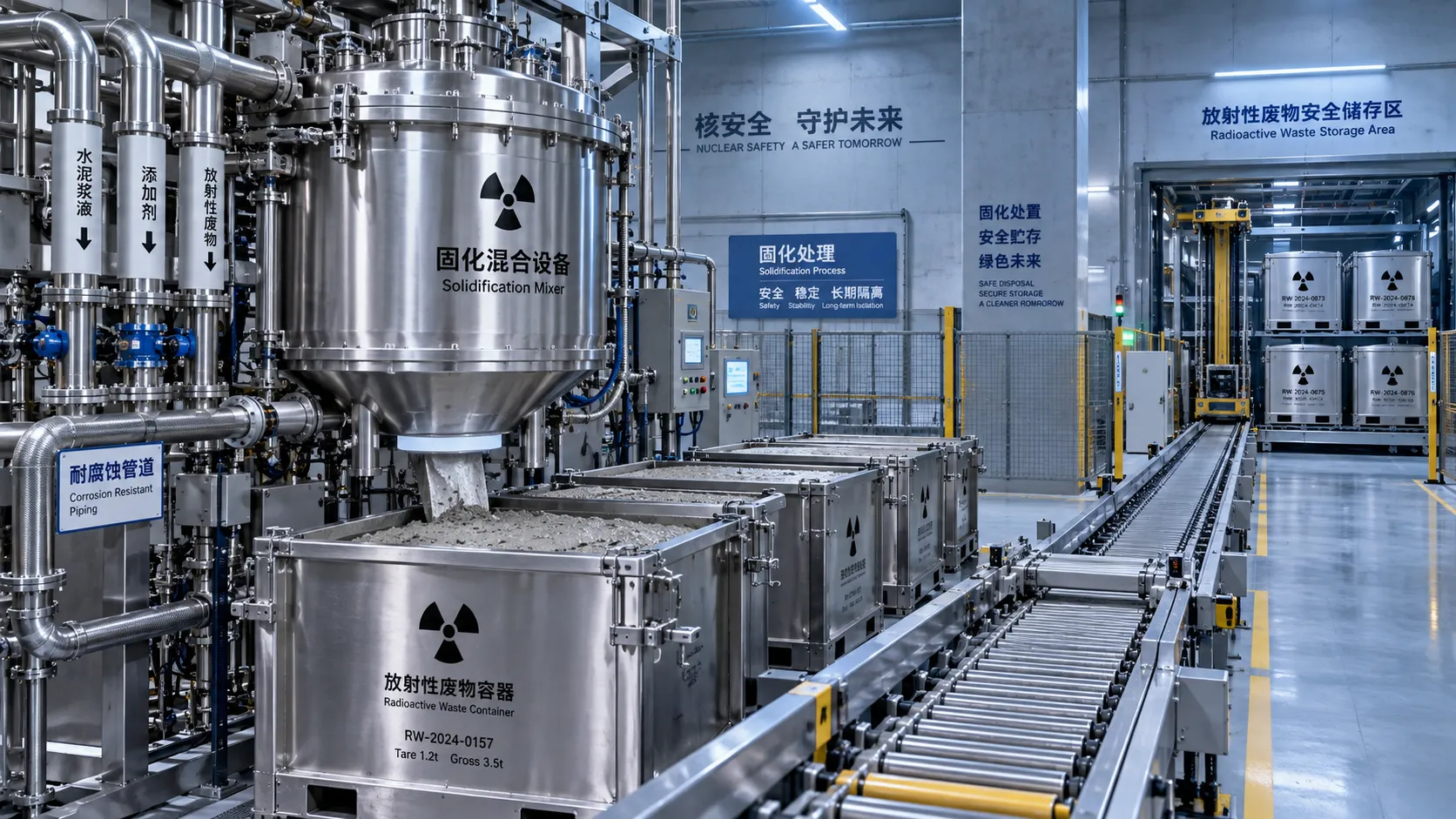
How nuclear plants select a radioactive waste solidification method
Radioactive waste management for nuclear plants: compare vitrification, cementation, polymers, and ceramics to select a compliant, durable solidification solution.
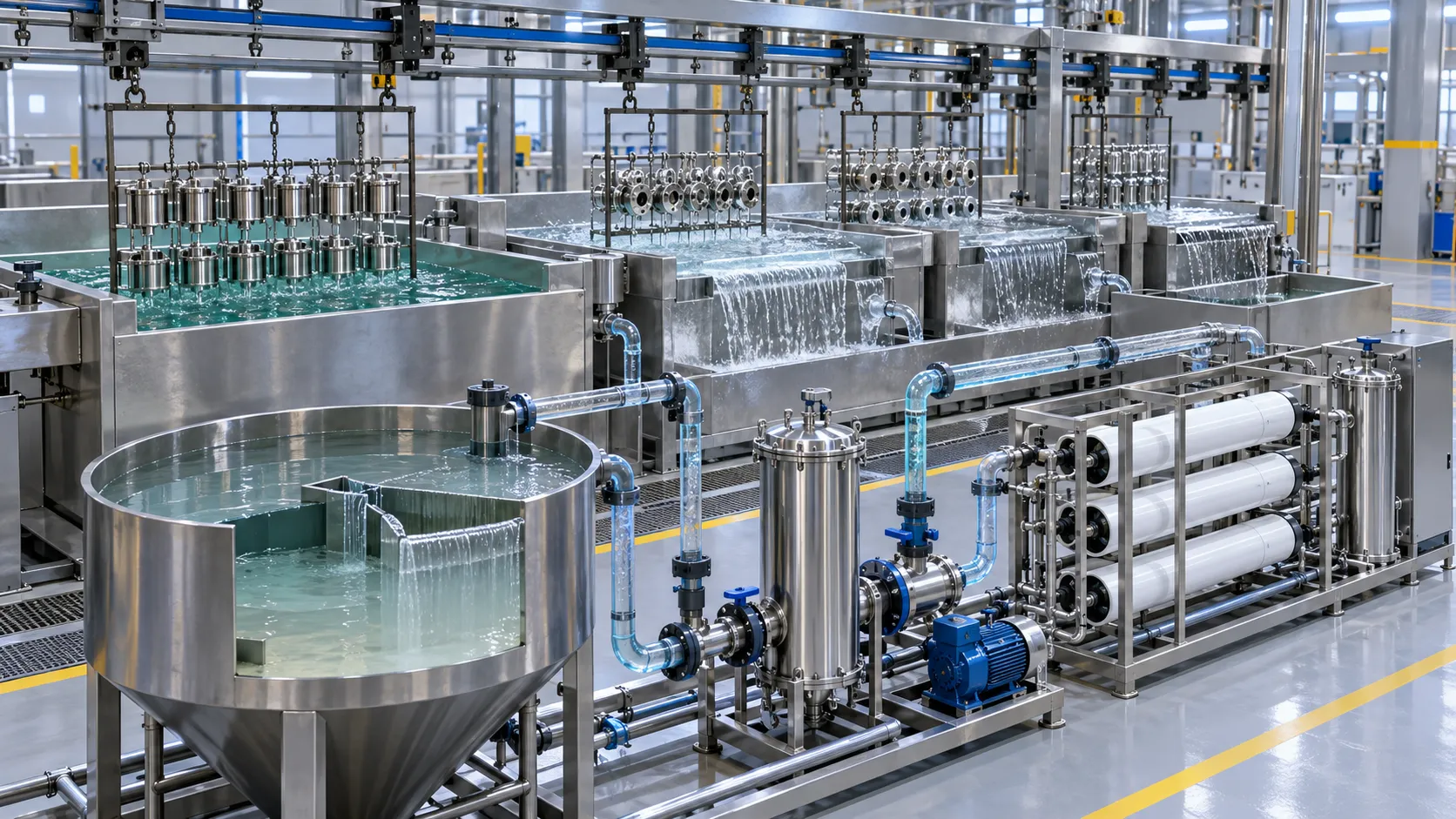
Water Treatment Options for Metal Finishing Rinse Water and Process Baths
Metal finishing water treatment solutions for rinse water and process baths—reduce costs, recover metals, improve reuse, and strengthen compliance.
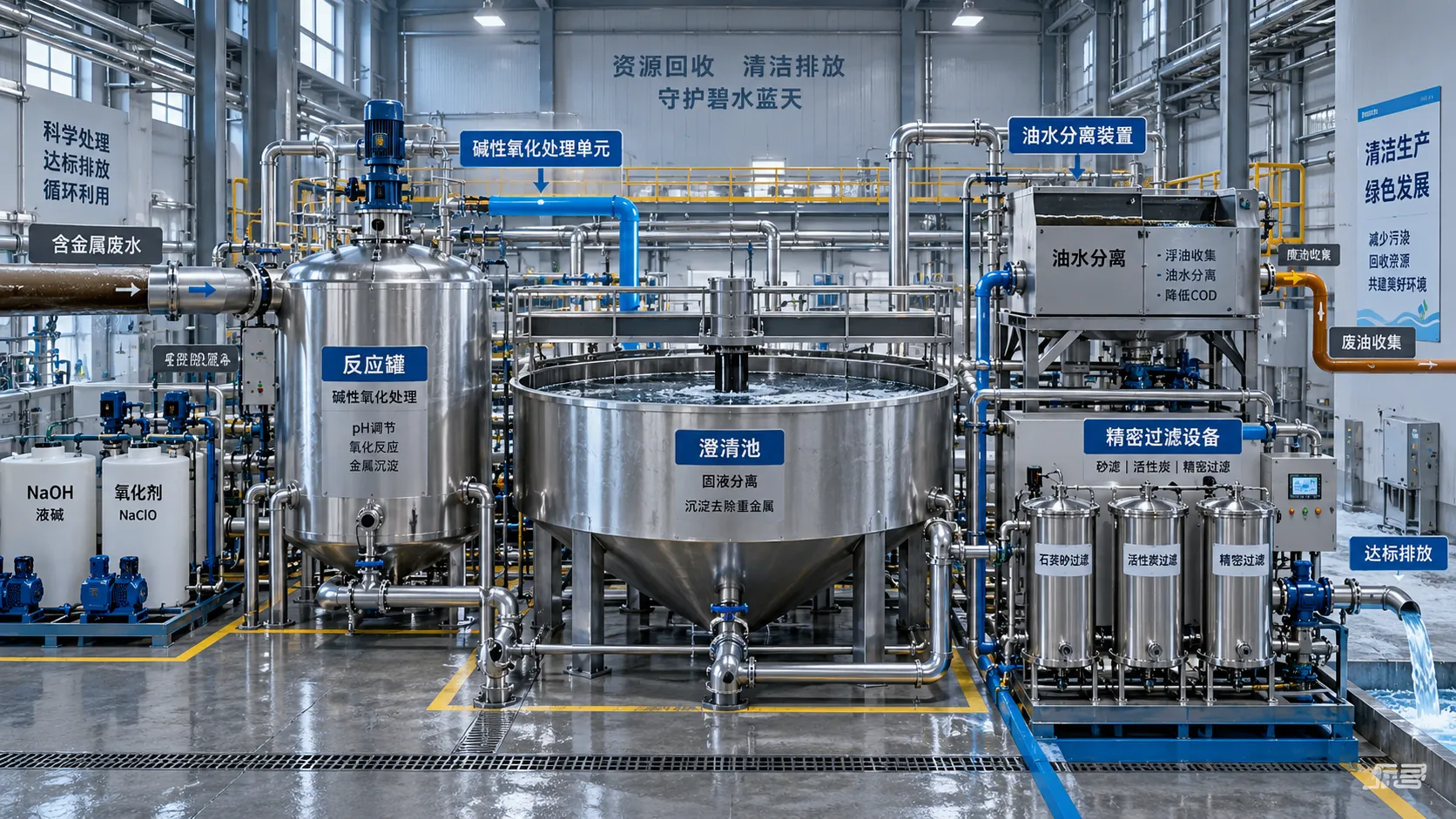
Treating Metal Finishing Wastewater: Removing Metals, Cyanide, and Oil Reliably
Metal finishing wastewater treatment made reliable: learn how to safely remove metals, cyanide, oil, and complex contaminants with proven stream segregation and control strategies.