
Industry News
Curation by industry experts
Hot Articles
Popular Tags
Urban Mining Waste Processing: Cost Traps to Avoid
Urban Mining Waste Processing: Cost Traps to Avoid
For financial approvers, urban mining waste processing can look like a high-margin route to recover metals, plastics, and critical materials.
Yet hidden costs often decide whether a project protects capital or destroys it.
Feedstock variability, pre-sorting losses, energy intensity, permitting delays, residue disposal, and idle equipment can quietly erode ROI.
The strongest projects now combine technical validation, lifecycle costing, compliance intelligence, and realistic throughput assumptions before capital approval.
Why Urban Mining Waste Processing Is Becoming a Capital Discipline
Urban mining waste processing has moved beyond a recycling narrative into a capital allocation challenge.
Metals, e-waste, batteries, construction residues, plastics, and industrial by-products are increasingly treated as secondary resource streams.
This shift is driven by critical material security, carbon accounting, landfill pressure, and volatile primary commodity markets.
However, recovery value is not the same as bankable profit.
Recovered copper, aluminum, lithium, rare earths, and polymers must survive processing costs, contamination penalties, and market discounting.
Global Eco-Shield Dynamics observes that the industry is entering a validation-first phase.
Projects are judged less by theoretical recovery rates and more by operational resilience across unstable waste streams.
Trend Signals Showing Where Costs Are Shifting
Several signals are changing the economics of urban mining waste processing across the environmental equipment value chain.
- Regulators are tightening traceability rules for hazardous fractions and exported residues.
- Battery and electronics waste volumes are rising faster than qualified treatment capacity.
- AI sorting, sensor fusion, and robotics are reducing labor exposure, but increasing maintenance complexity.
- Energy prices are reshaping pyrolysis, smelting, drying, and thermal separation economics.
- Buyers are demanding cleaner recovered materials with verifiable carbon and contamination profiles.
These signals make simple payback models unreliable.
A facility may achieve high recovery rates while losing margin through residue handling, downtime, or rejected output.
The Main Forces Behind the Cost Trap
The table shows why urban mining waste processing cannot be evaluated only through recovered material prices.
The economic boundary includes every rejected kilogram, every kilowatt-hour, and every permit condition.
Feedstock Assumptions Are the First ROI Risk
Many urban mining waste processing projects start with optimistic feedstock assumptions.
Contracts may promise volume, but not stable composition, moisture, particle size, or contaminant concentration.
This gap affects every downstream unit operation.
Shredders wear faster when metals, ceramics, glass, and hard plastics enter outside design limits.
Optical sorters underperform when dust, black plastics, labels, or mixed coatings block clean identification.
Hydrometallurgical circuits may consume more acid, alkali, solvents, or water than early tests suggest.
Before approval, the feedstock model should include best, base, and stress-case scenarios.
Sampling should reflect seasonal collection patterns, supplier behavior, and policy-driven waste diversion changes.
Pre-Sorting Can Protect Margin or Destroy It
Pre-sorting is often presented as a simple preparation step in urban mining waste processing.
In practice, it is a profit gate.
If valuable materials are misclassified, the main plant never gets the chance to recover them.
If contaminants pass through, the main plant pays through downtime, reagent demand, and lower product quality.
- Demand a mass balance that tracks value, not only total tonnage.
- Compare manual, mechanical, optical, magnetic, eddy current, and AI sorting combinations.
- Check whether fines contain recoverable metals or only disposal cost.
- Validate sensor performance under dust, moisture, mixed colors, and degraded labels.
A lower-capex sorting line can become expensive if it transfers complexity downstream.
Energy, Water, and Chemicals Need Lifecycle Costing
Urban mining waste processing often depends on crushing, drying, washing, flotation, leaching, pyrolysis, or thermal treatment.
Each pathway has a different exposure to energy, water, and chemical price volatility.
A plant designed under low power prices may struggle under peak tariffs or grid instability.
A washing-intensive route may face water scarcity, wastewater treatment limits, or zero liquid discharge requirements.
Chemical recovery loops can improve economics, but only when purity, corrosion, and maintenance are properly modeled.
Lifecycle costing should include consumables, utilities, membranes, filters, catalysts, liners, sensors, and wear parts.
It should also include planned shutdowns and degraded performance after months of abrasive operation.
Permitting Delays Can Convert Capex Into Dead Capital
Permitting is a major hidden risk in urban mining waste processing.
Facilities may handle flammable batteries, heavy metals, brominated flame retardants, solvents, asbestos, or radioactive traces.
These hazards can trigger air emissions, wastewater, hazardous waste, fire safety, and occupational exposure requirements.
Delays raise financing costs and postpone revenue, even when equipment is already purchased.
Compliance intelligence should begin before site selection, not after engineering completion.
Projects also need sensitivity analysis for changing environmental rules, carbon reporting, and cross-border material restrictions.
A recovery facility that cannot document lawful residue movement may lose buyers and permits simultaneously.
Equipment Utilization Is Often Overestimated
Nameplate capacity can be misleading in urban mining waste processing.
Equipment may reach design throughput only under clean, consistent, laboratory-like input conditions.
Real waste streams create blockages, wear, sensor drift, maintenance stops, and cleaning cycles.
Underutilization damages economics because fixed costs remain while saleable output falls.
- Use realistic availability, not only theoretical runtime.
- Include spare parts lead times and specialist service access.
- Model bottlenecks between shredding, sorting, washing, and refining stages.
- Review whether modular expansion is safer than oversized initial capacity.
Capital efficiency improves when equipment scale follows verified feedstock and offtake contracts.
Impacts Across Operations, Finance, and Compliance
The cost traps in urban mining waste processing affect multiple business layers at once.
Operations face unstable throughput, emergency maintenance, residue accumulation, and quality disputes with downstream buyers.
Finance faces delayed payback, higher working capital, underpriced insurance, and weak protection against commodity cycles.
Compliance teams face documentation burdens for waste classification, emissions, wastewater, hazardous residues, and exported secondary materials.
Commercial teams may find that recovered materials need certification, blending, or further purification before premium buyers accept them.
This is why project appraisal must connect engineering data with market access and regulatory durability.
Core Points to Examine Before Investment Approval
- Confirm whether feedstock contracts define quality, penalties, and rejection rights.
- Validate recovery rates through pilot trials using representative waste.
- Separate gross recovery value from net saleable material value.
- Include disposal costs for every non-recovered stream.
- Stress-test economics under lower commodity prices and higher energy prices.
- Review offtake agreements for purity, moisture, contamination, and delivery terms.
- Check whether permitting assumptions match actual site, process, and residue risks.
- Assess data systems for traceability, carbon reporting, and compliance evidence.
These checks make urban mining waste processing decisions less dependent on optimistic vendor presentations.
They also improve negotiation leverage during technology selection, EPC contracting, and offtake discussions.
A Practical Response Framework for Safer Decisions
This framework supports a stronger investment case without slowing innovation unnecessarily.
It turns urban mining waste processing from a speculative recovery story into an evidence-based infrastructure decision.
Where the Market Is Heading Next
The next phase of urban mining waste processing will reward integrated systems rather than isolated machines.
AI sorting, advanced leaching, wastewater reuse, air pollution control, and residue stabilization will increasingly be evaluated together.
Carbon border rules, product passports, and resource security policies will increase demand for verified secondary materials.
At the same time, poor documentation will discount recovered products, even when technical purity appears acceptable.
The winning facilities will combine recovery efficiency with compliance certainty, data transparency, and adaptable process architecture.
ESD’s intelligence view is clear: margin protection will depend on the weakest link in the recovery loop.
Action Guide: Turning Risk Awareness Into Better Projects
Before funding urban mining waste processing capacity, require a decision file that connects technical proof with commercial reality.
That file should include feedstock evidence, pilot results, mass balance, lifecycle cost, permit pathway, and offtake validation.
It should also show how the project responds to energy shocks, residue restrictions, and lower recovered material prices.
Urban mining waste processing can create strong circular economy value when assumptions are tested early.
The safest next step is a structured cost-trap review before equipment commitments become irreversible.
With rigorous validation, recovery systems can protect capital, reduce waste liabilities, and strengthen industrial resource resilience.
Recommended News
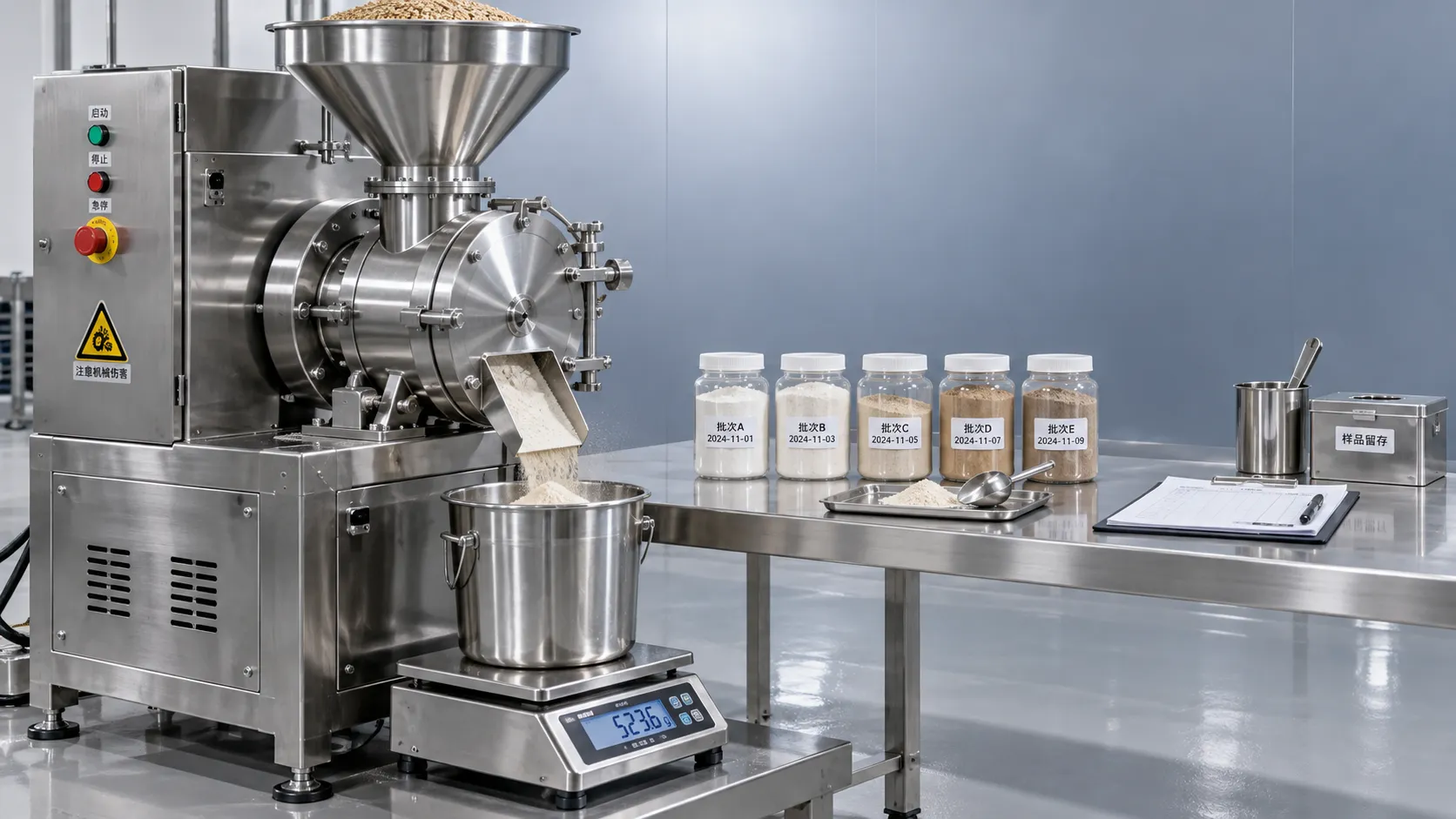
How to vet ingredient processing equipment manufacturers using trials
Vet ingredient processing equipment manufacturers with real-world trials. Learn how to verify yield, cleaning, energy use, and scale-up before you invest.
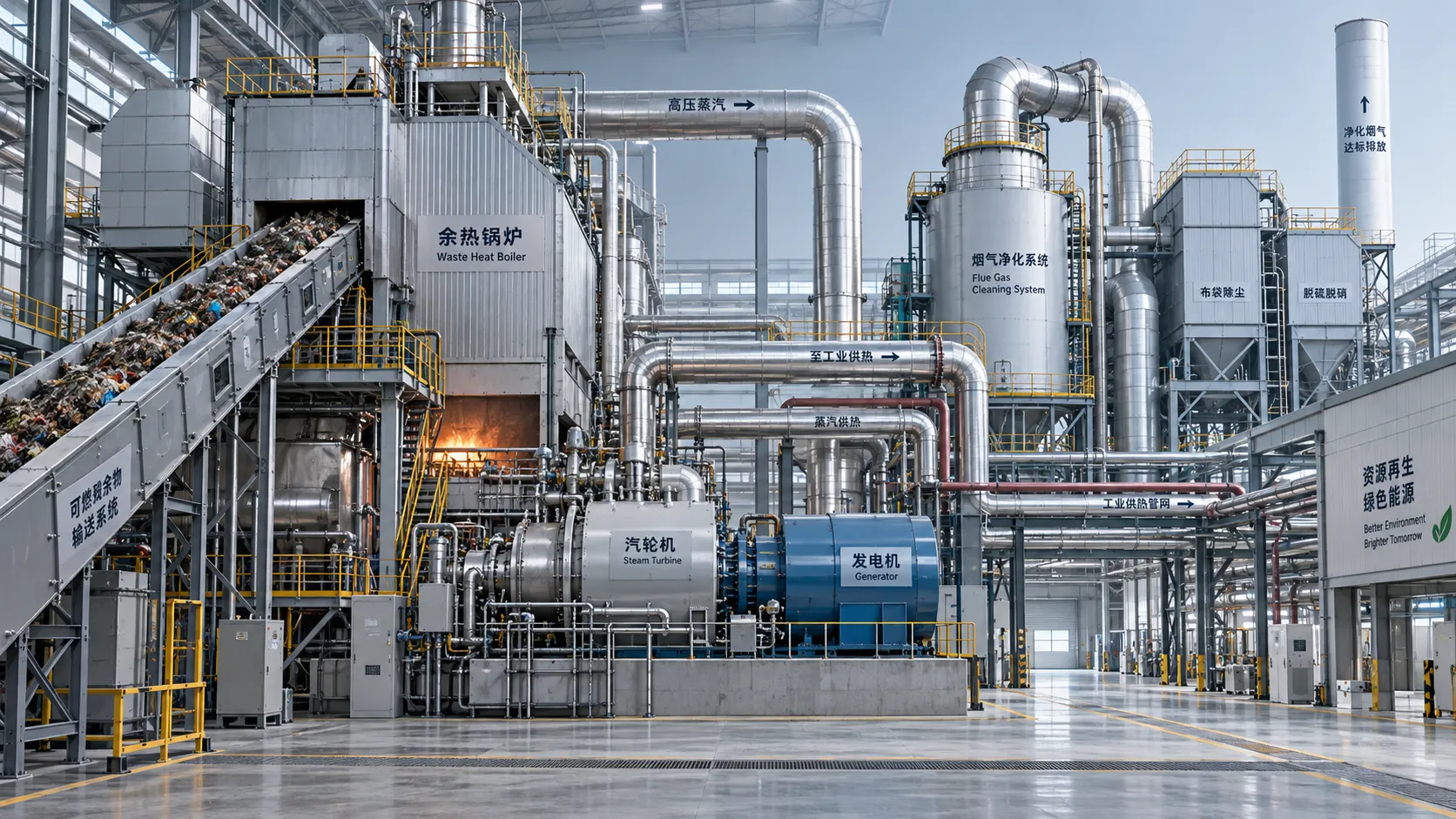
When is energy recovery viable in the solid waste recovery process?
When is energy recovery viable in the solid waste recovery process? Explore feedstock quality, net energy, emissions, and costs to assess feasibility and make smarter investment decisions.
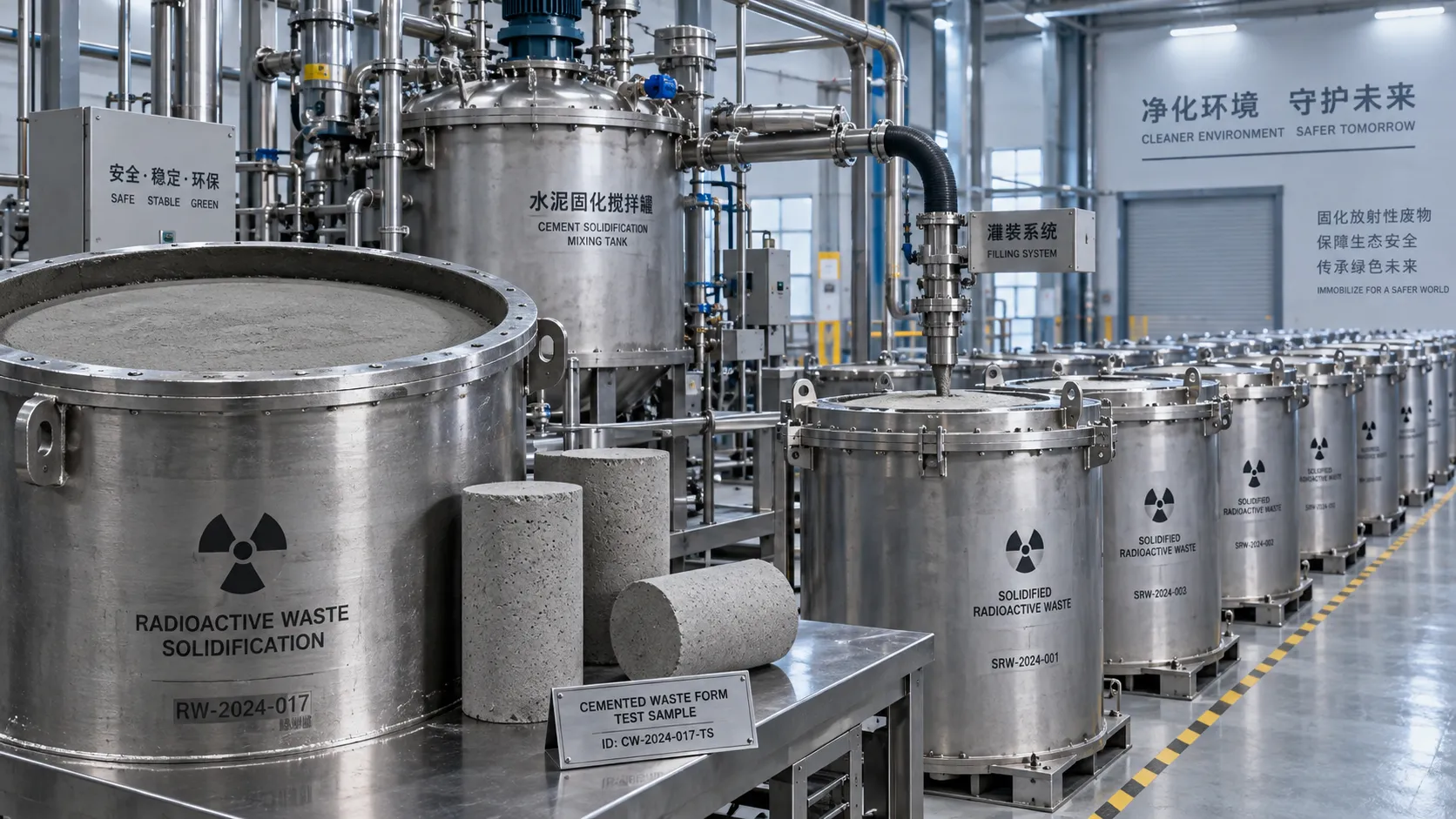
When is cementation suitable for nuclear decommissioning waste?
Explore nuclear waste treatment technology for decommissioning: learn when cementation fits, which risks to assess, and how disposal criteria guide an effective treatment choice.
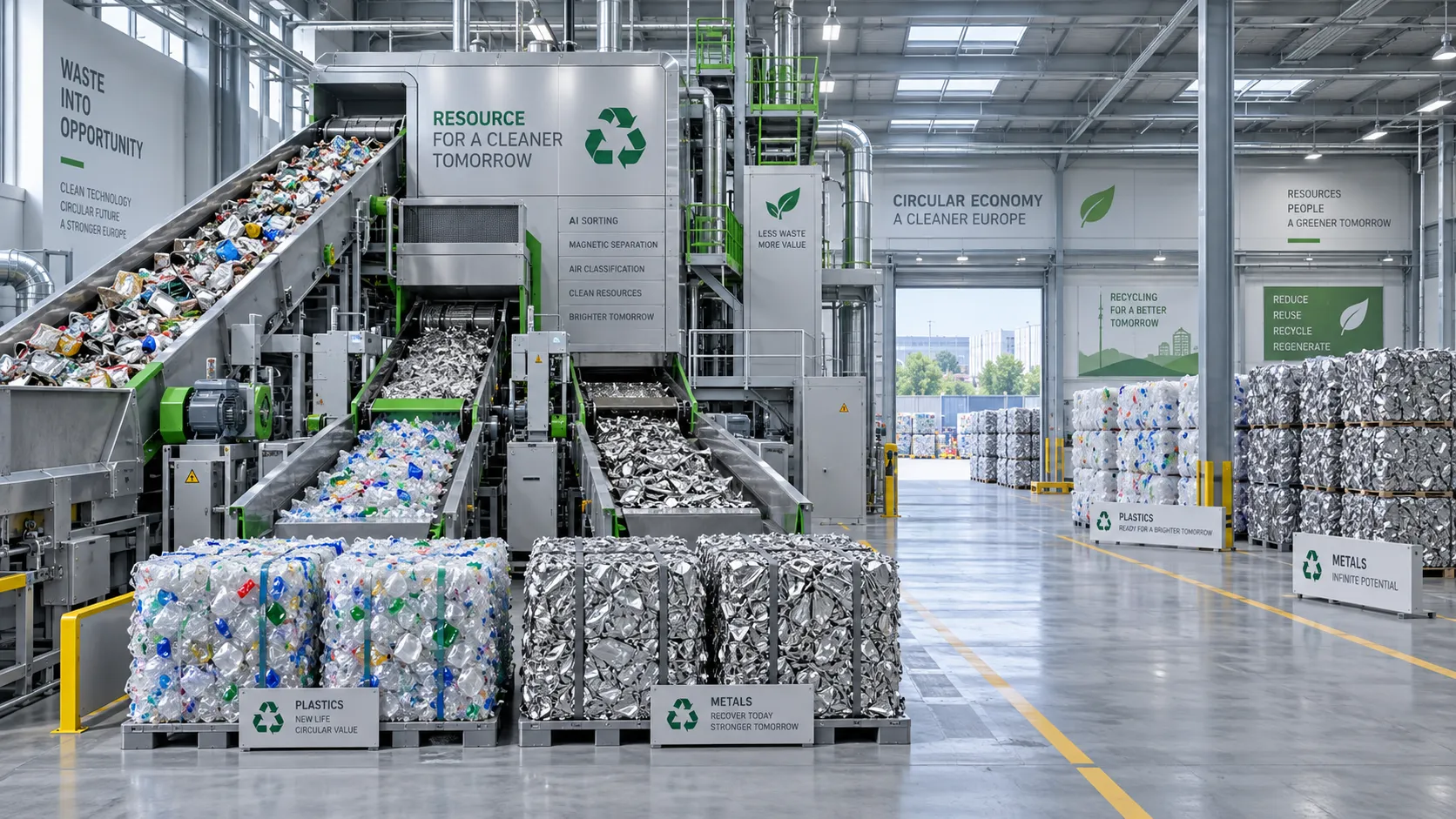
What determines payback for waste-to-resource systems in Europe?
Assess waste-to-resource systems Europe-wide: compare feedstock, recovery yields, costs and contracts to uncover payback drivers and make smarter investment decisions.
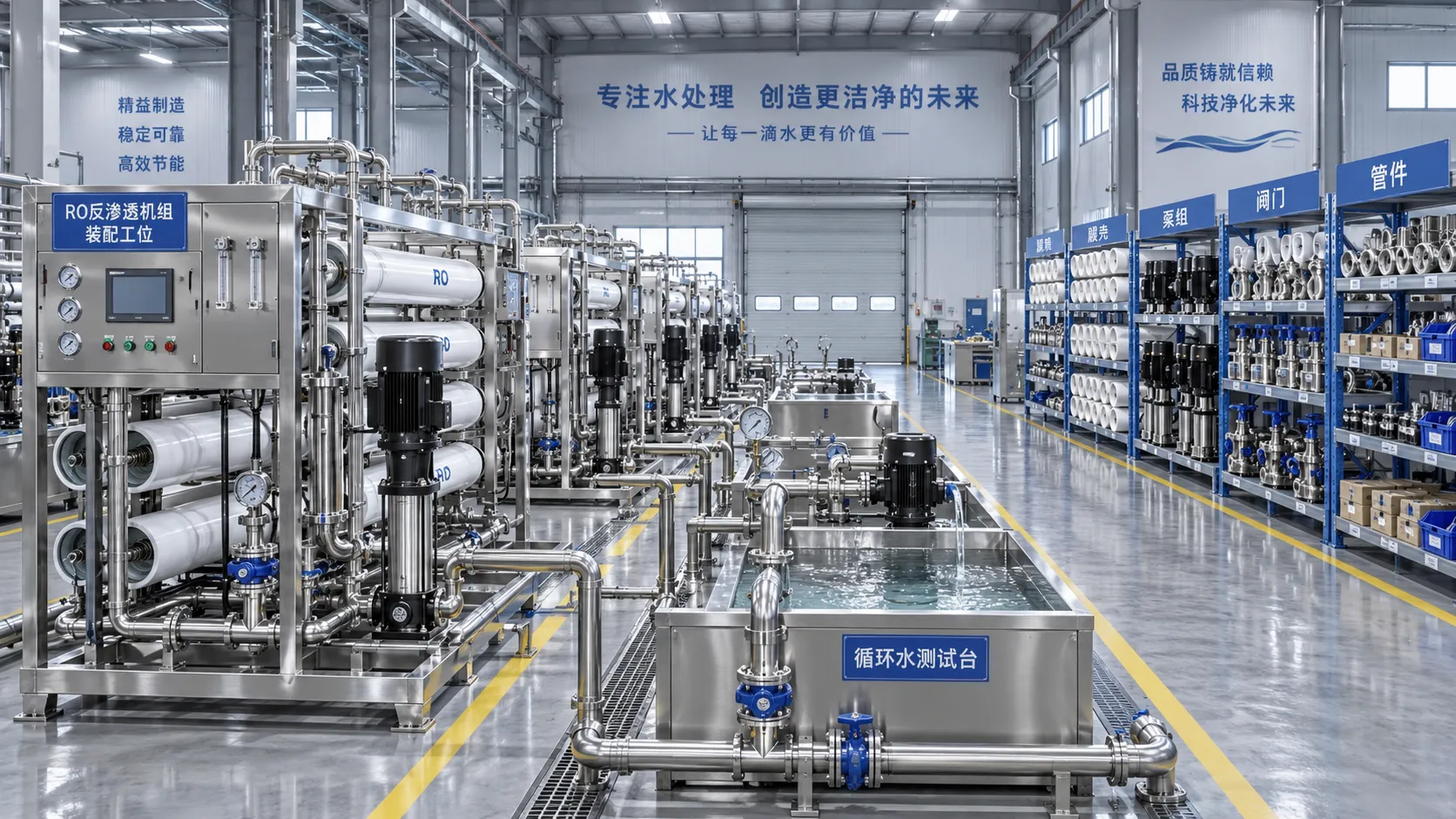
How to verify a water treatment system factory’s production capacity
Verify a water treatment systems factory’s production capacity through records, bottlenecks, component availability, and testing. Learn what to check before accepting a delivery promise.
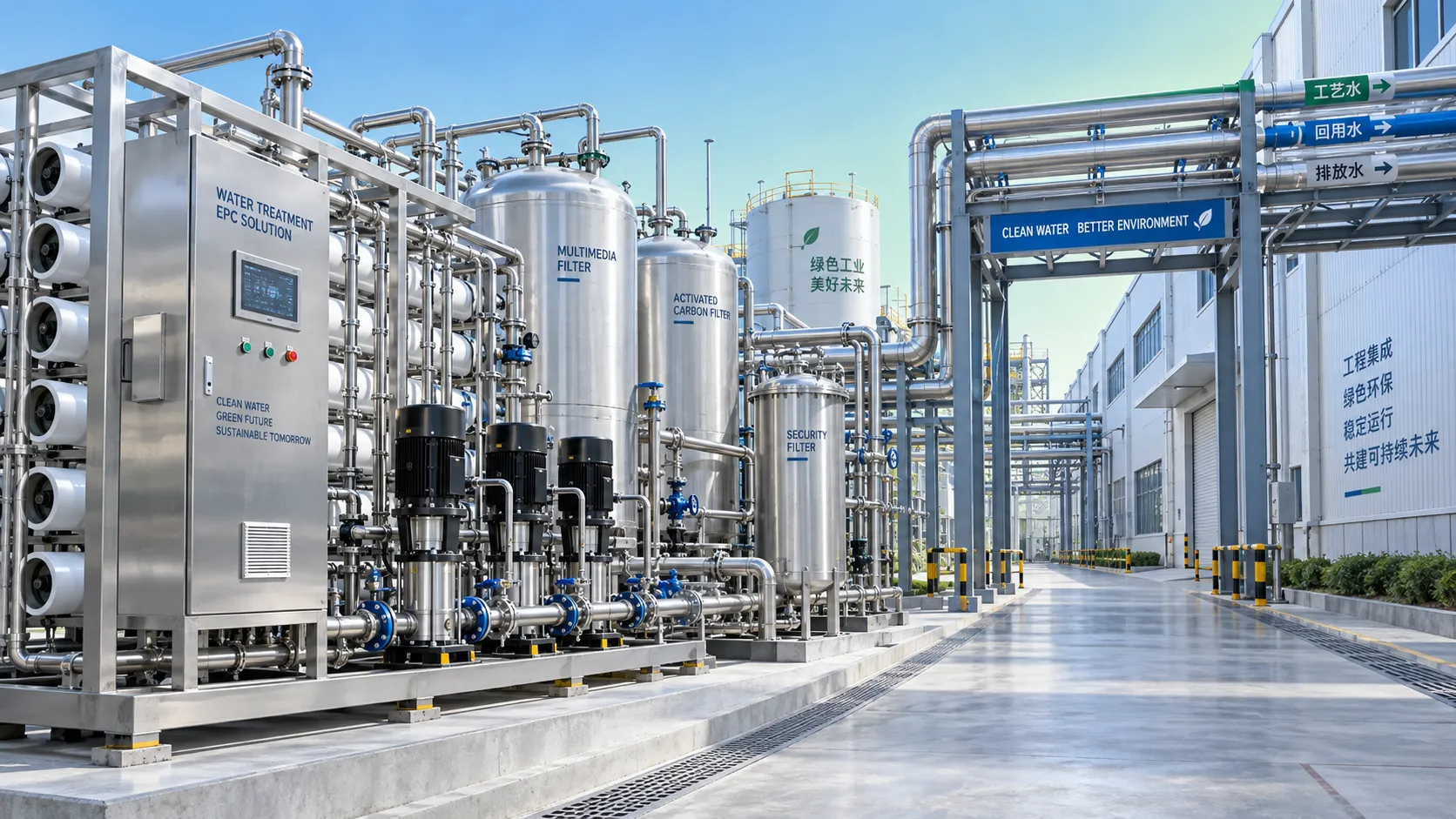
When does EPC environmental project support reduce delivery risk?
EPC environmental project support engineering reduces delivery risk by aligning design, procurement, compliance, construction, and commissioning decisions.
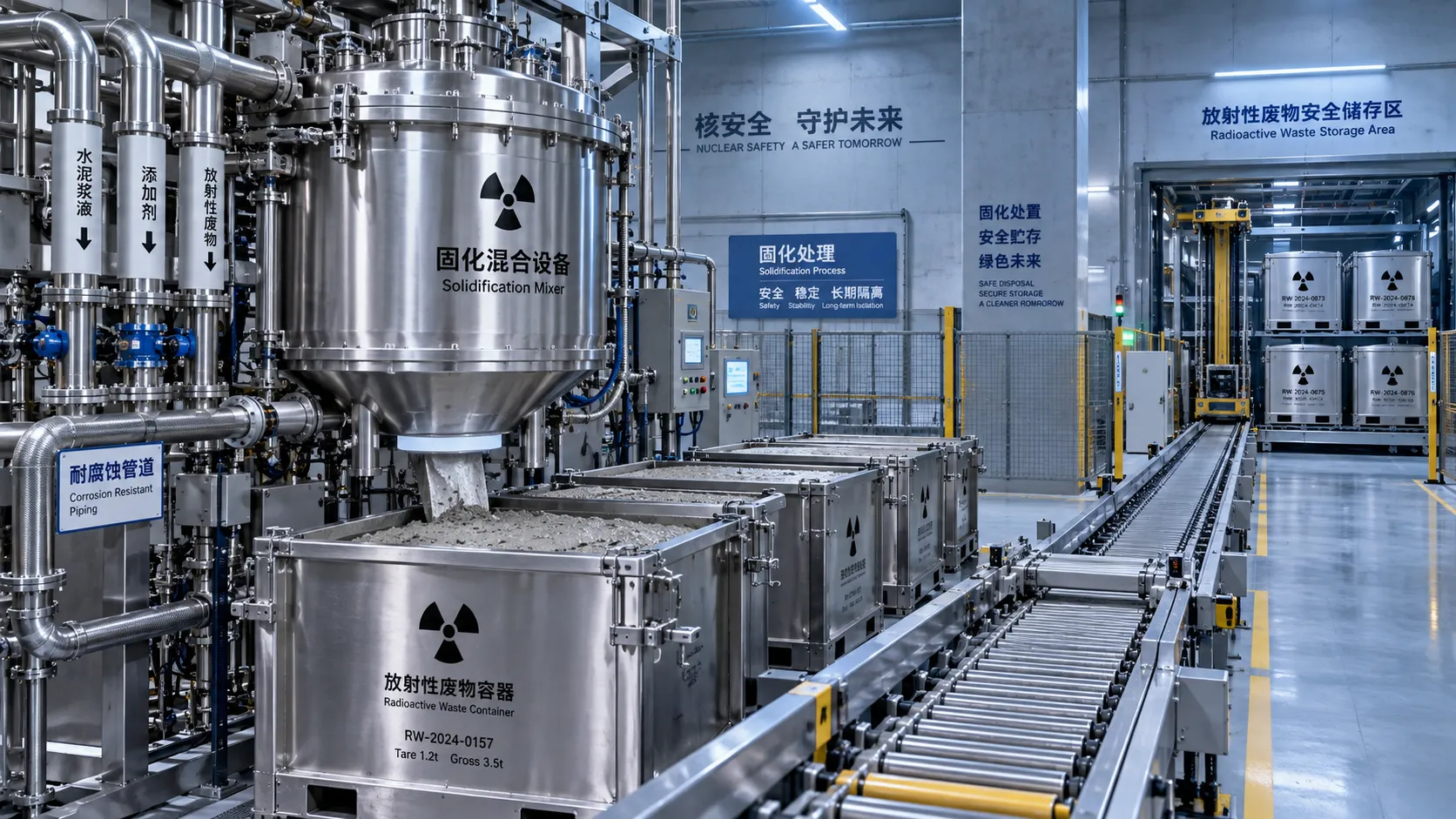
How nuclear plants select a radioactive waste solidification method
Radioactive waste management for nuclear plants: compare vitrification, cementation, polymers, and ceramics to select a compliant, durable solidification solution.
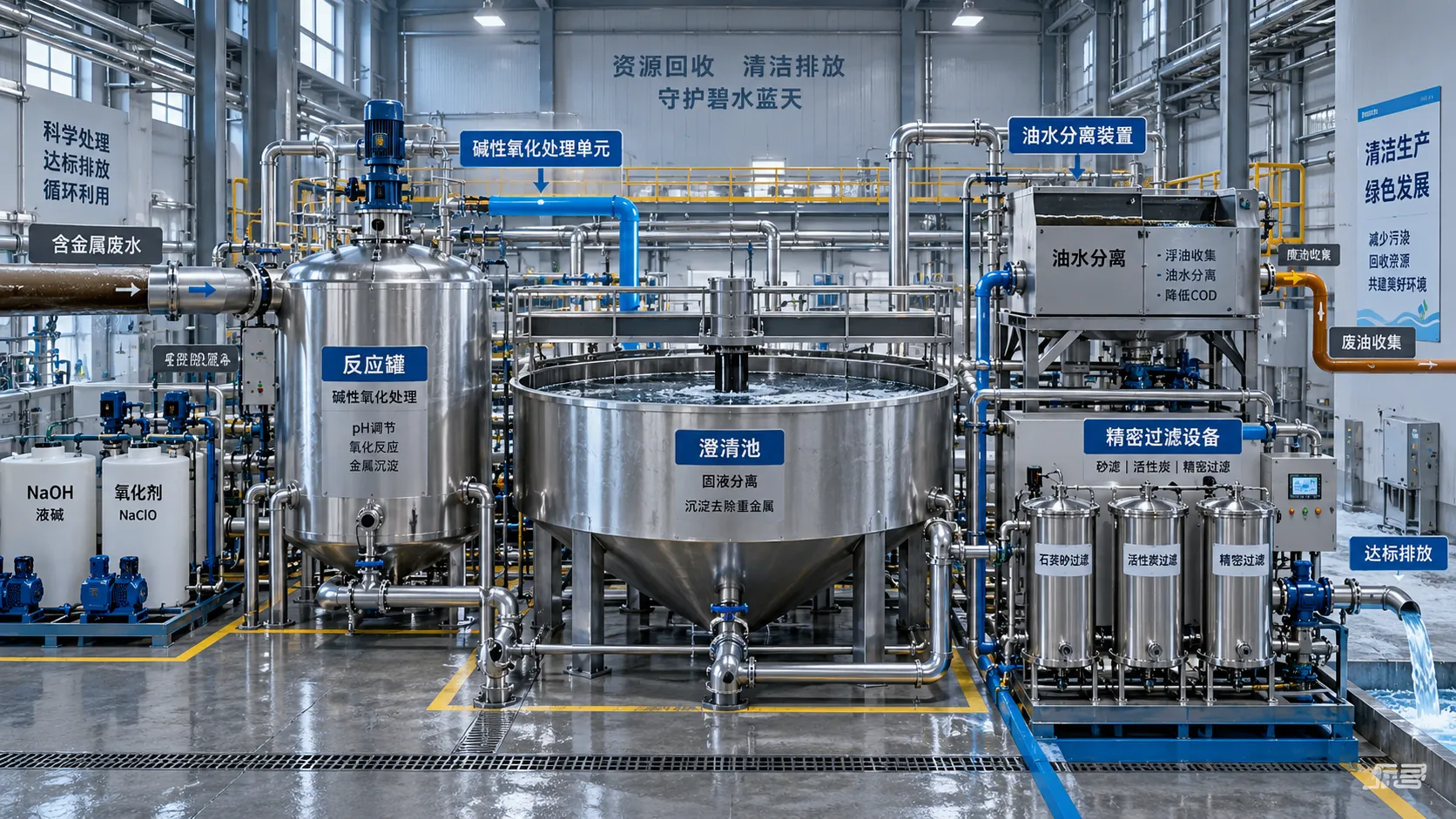
Treating Metal Finishing Wastewater: Removing Metals, Cyanide, and Oil Reliably
Metal finishing wastewater treatment made reliable: learn how to safely remove metals, cyanide, oil, and complex contaminants with proven stream segregation and control strategies.
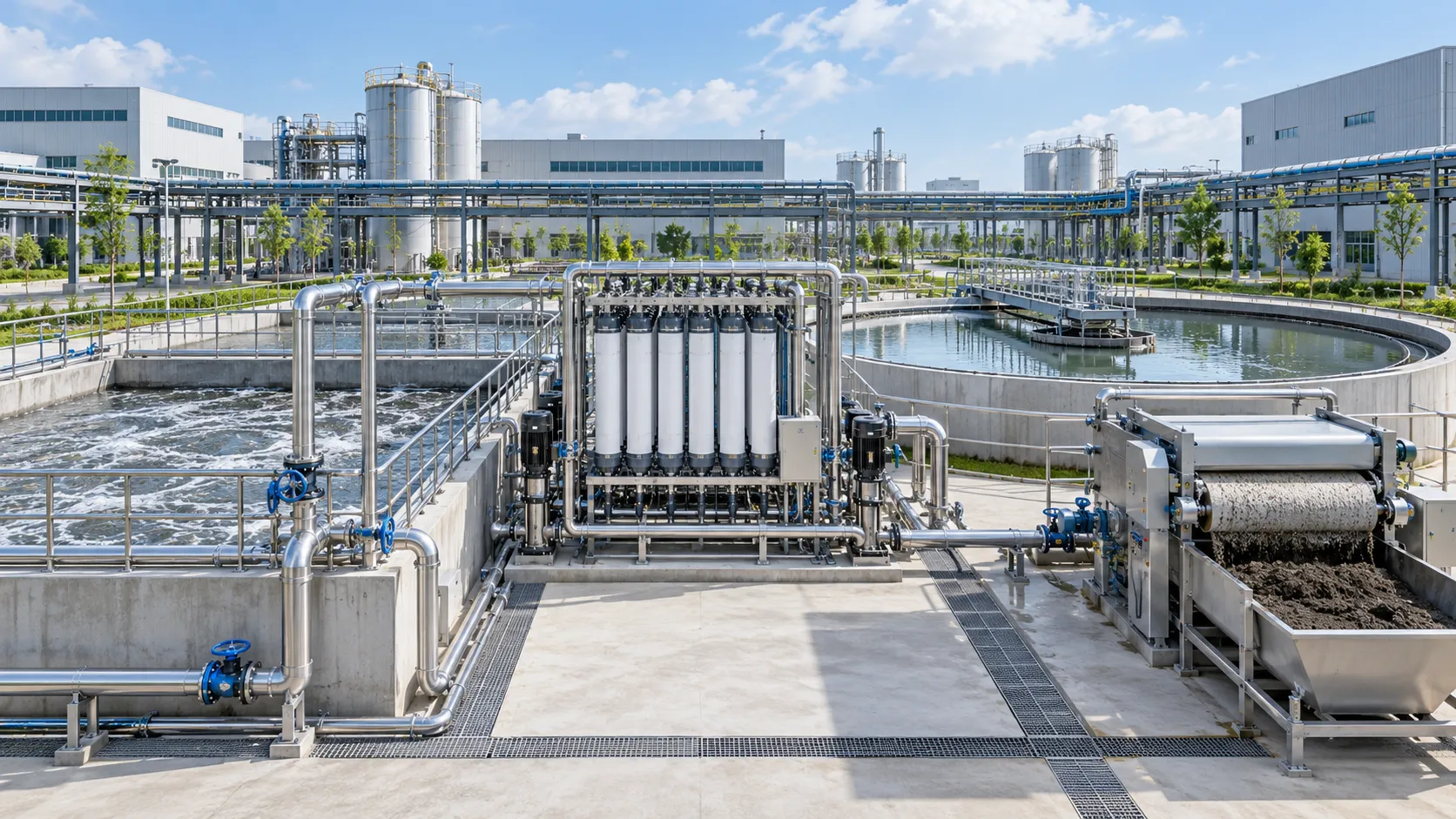
What Drives the Cost of Wastewater System Upgrades in Industrial Parks?
Costs of wastewater system upgrades in industrial parks: uncover key drivers from influent variability and civil works to sludge, energy, compliance, and lifecycle risk.