
Industry News
Curation by industry experts
Hot Articles
Popular Tags
Pyrolysis Technology in 2026: Yield and Emission Risks
As circular economy targets tighten and carbon compliance becomes a board-level concern, pyrolysis technology is moving from experimental recovery lines to strategic infrastructure. In 2026, decision-makers must look beyond headline conversion rates and examine the real balance between product yield, energy intensity, feedstock variability, and emission exposure. For waste recovery investors, EPC leaders, and environmental compliance teams, the key question is no longer whether pyrolysis can unlock value from solid waste, but how to control its operational risks while proving measurable environmental performance.
This shift is especially relevant for organizations managing mixed plastics, end-of-life tires, biomass residues, oil sludge, and refuse-derived fuel. The commercial opportunity is real, but so are the engineering constraints.
For enterprise decision-makers, pyrolysis technology should be assessed as an integrated ecological asset, not a standalone reactor. Yield, emissions, permitting, offtake, utilities, and digital monitoring must be evaluated together.
Why Pyrolysis Technology Matters More in 2026
Pyrolysis technology thermally decomposes organic material in low-oxygen or oxygen-limited conditions. Typical operating temperatures range from 350°C to 700°C, depending on feedstock, residence time, and desired product slate.
In 2026, the business case is driven by 3 linked pressures: landfill diversion, carbon reporting, and demand for secondary resources. These pressures affect municipal operators, industrial parks, and waste-to-resource investors.
From Waste Disposal to Resource Infrastructure
Traditional solid waste projects often focused on volume reduction. Modern pyrolysis projects must demonstrate recoverable oil, gas, char, carbon black, or syngas value under measurable compliance conditions.
For EPC leaders, this means specifications must include more than daily capacity. A 30-ton-per-day line and a 300-ton-per-day plant face different heat balance, emission control, and maintenance risks.
Core Value Drivers for Buyers
- Feedstock monetization, especially plastics, tires, biomass residues, and industrial sludge with stable supply agreements.
- Reduction of landfill dependency, including sites with disposal fees, transport constraints, or tightening local restrictions.
- Lower exposure to fossil-derived raw materials by replacing part of fuel, oil, or carbon additive demand.
- Improved traceability through digital mass balance, online gas monitoring, and batch-level feedstock records.
The strongest projects are usually not those claiming the highest conversion rate. They are projects where product quality, plant uptime, and emission stability remain predictable across 12 months.
Yield Reality: What Decision-Makers Should Measure
Yield is the most visible selling point of pyrolysis technology, but it is also the most misunderstood. Oil yield, gas yield, and char yield change sharply with moisture, ash, chlorine, particle size, and contamination.
For example, clean polyolefin-rich plastic can produce a very different liquid fraction than mixed municipal plastic containing PVC, multilayer film, food residues, and labels. Procurement must reflect this variability.
The following table summarizes typical yield and risk patterns. Ranges are indicative industry references for early-stage screening, not guaranteed performance figures for every plant.
The key conclusion is clear: no serious investment decision should rely on brochure yield alone. A bankable pyrolysis technology project needs feedstock sampling, pilot testing, and offtake validation.
The 5 Metrics Behind Real Yield
A decision-grade yield model should track at least 5 metrics: mass yield, energy yield, product quality, operating availability, and residue disposal cost. Ignoring one metric distorts profitability.
- Mass yield: liquid, gas, char, metal, and fines measured across multiple feedstock batches.
- Energy yield: usable heating value after drying, reheating, condensation, and gas recirculation losses.
- Product quality: chlorine, sulfur, ash, moisture, viscosity, and stability over 7 to 30 days.
- Availability: realistic uptime after planned cleaning, refractory inspection, and condenser maintenance.
- Residue burden: cost of handling char, wastewater, spent filters, salts, and scrubber byproducts.
In many feasibility reviews, a 10% deviation in feedstock moisture or ash can alter heat balance enough to change net energy economics. This is why preprocessing is strategic.
Emission Risks: The Hidden Gatekeeper of Project Approval
Emission control is the gatekeeper for modern pyrolysis technology. Even when the reactor operates without direct combustion inside, gases, vapors, residues, and auxiliary burners create compliance exposure.
In 2026, regulators and community stakeholders increasingly examine the full emission chain. This includes acid gases, VOCs, particulates, odors, dioxin-related risk, and wastewater from scrubbers.
Priority Emission Pathways
The highest-risk points are usually not limited to the reactor. They often occur at feeding seals, condensers, gas storage, flares, char discharge, and wastewater treatment interfaces.
- Acid gases such as HCl and SOx, especially from PVC-contaminated plastic or sulfur-rich tire fractions.
- Volatile organic compounds from condensation inefficiency, tank breathing, or transfer operations.
- Particulate emissions from char handling, carbon black collection, ash transport, and baghouse cleaning.
- Odor episodes during startup, shutdown, emergency venting, or irregular feedstock reception.
A robust line normally combines 4 layers: sealed feeding, staged condensation, thermal oxidation or controlled gas combustion, and downstream scrubbing or filtration.
Monitoring Must Be Continuous Enough to Be Useful
Quarterly laboratory checks are not sufficient for high-risk feedstock. Operators should consider continuous or semi-continuous monitoring for temperature, pressure, oxygen, VOC indicators, and stack parameters.
For board-level assurance, a practical dashboard should display at least 8 operational signals: feed rate, reactor temperature, gas flow, condenser temperature, flare status, scrubber pH, pressure deviation, and alarm history.
Choosing a Bankable Pyrolysis Technology Configuration
Selecting pyrolysis technology is a multi-variable procurement decision. A lower equipment quotation can become expensive if it requires excessive sorting, frequent shutdowns, or complex residue disposal.
Decision-makers should compare reactor type, feedstock tolerance, heat recovery, automation, emission control, and maintenance access. Each factor affects lifetime cost over 5 to 10 years.
The table below outlines key configuration choices for procurement teams comparing project designs, EPC proposals, or retrofit options across different waste recovery scenarios.
The most important procurement lesson is integration. A reactor vendor, gas treatment supplier, wastewater package, and automation system must be aligned before final investment approval.
Questions for Vendor Due Diligence
A serious vendor review should include technical, commercial, and compliance questions. Decision-makers should request measurable answers, not general claims about efficiency or sustainability.
- What feedstock specification is assumed, and what happens when contamination exceeds the agreed limit?
- How many hours are required for startup, shutdown, cleaning, and maintenance in a typical month?
- Which residues require offsite treatment, and how are they classified under local hazardous waste rules?
- What interlocks prevent oxygen ingress, overpressure, condenser failure, or uncontrolled gas release?
- Can the control system export data for carbon accounting, CBAM-related documentation, or buyer audits?
These questions help convert pyrolysis technology from a sales concept into a verified investment asset with traceable operating assumptions.
Implementation Roadmap for Lower-Risk Deployment
A successful pyrolysis technology project normally follows 6 stages: feedstock audit, lab characterization, pilot validation, permitting design, EPC integration, and performance verification.
Skipping early-stage verification may shorten the schedule by 4 to 8 weeks, but it can increase commissioning risk and make product offtake negotiations weaker.
Stage 1: Feedstock and Market Audit
The first step is not equipment selection. It is confirming stable waste access, transport radius, moisture profile, seasonal variation, and product buyer requirements.
For a 100-ton-per-day project, even a 15% supply gap can undermine capacity utilization. Feedstock contracts should define quality thresholds and rejection procedures.
Stage 2: Pilot Testing and Product Qualification
Pilot testing should run multiple batches, not one optimized demonstration. A practical program may include 3 to 10 batches covering dry, wet, clean, and contaminated material.
Product qualification should test heating value, chlorine, sulfur, ash, metals, viscosity, water content, and storage stability. Buyers may also require 14-day or 30-day aging checks.
Stage 3: Integrated Environmental Design
Emission control, wastewater treatment, and residue handling should be designed together. Pyrolysis technology often creates secondary streams that must not be treated as afterthoughts.
- Map all gas, liquid, and solid outputs from startup to shutdown.
- Define normal, abnormal, and emergency operating scenarios.
- Select scrubbers, condensers, filters, and oxidation units based on worst-case feedstock.
- Confirm monitoring frequency, alarm thresholds, and operator response procedures.
This integrated approach is where high-quality intelligence adds value. It connects circular economy economics with flue gas treatment, wastewater control, and compliance documentation.
Common Mistakes That Increase Yield and Emission Exposure
Many pyrolysis technology failures come from mismatched assumptions rather than failed chemistry. The reactor may function, while the business model fails around preprocessing, permits, or buyers.
Enterprise teams should identify these risks before procurement. A 20-year asset life requires a much deeper review than a short technical demonstration.
Mistake 1: Treating Mixed Waste as a Fixed Raw Material
Mixed waste changes daily. Moisture, chlorine, inert content, and calorific value can vary by route, season, and supplier. Contracts should include quality penalties and testing frequency.
Mistake 2: Ignoring the Cost of Cleaning Product Streams
Pyrolysis oil may require filtration, dechlorination, blending, or hydrotreatment before higher-value use. Recovered carbon black may need milling, pelletizing, or ash reduction.
Mistake 3: Under-Sizing Emission Controls
Emission control systems sized for average conditions can fail during contaminated batches. A safer design considers peak acid gas, tar loading, dust carryover, and upset venting.
Practical Risk Controls
- Build a feedstock acceptance protocol with at least 6 inspection items before unloading.
- Reserve cleaning access for condensers, char conveyors, ducts, and gas seals.
- Use interlocked alarms for oxygen, pressure, temperature, flare status, and scrubber pH.
- Separate project economics into base, conservative, and stress scenarios.
These controls are not excessive. They are normal safeguards for an asset exposed to variable feedstock and increasingly strict environmental review.
Strategic Outlook: How ESD Frames the 2026 Decision
For ESD’s Strategic Intelligence Center, pyrolysis technology sits at the intersection of solid waste recovery, flue gas treatment, carbon compliance, and industrial resource security.
The strongest opportunities in 2026 will come from projects that combine waste sorting, thermal conversion, emission governance, and product certification into one closed-loop logic.
Who Should Move First
Early movers should be organizations with stable feedstock, a clear offtake channel, and internal compliance capacity. This includes industrial parks, tire recovery operators, petrochemical clusters, and municipal resource platforms.
Companies without feedstock control should proceed through partnerships. A 2-party or 3-party structure may combine waste supply, technology delivery, and product marketing expertise.
What a Decision Package Should Include
- A feedstock risk matrix covering supply volume, contamination, moisture, and regulatory classification.
- A yield model built from tested data rather than generic conversion assumptions.
- An emission control basis covering normal operation, startup, shutdown, and emergency conditions.
- A commercial route for oil, char, gas, recovered metals, wastewater, and non-recoverable residues.
Pyrolysis technology can support circular economy goals, but only when performance is made visible. Data transparency is now part of the equipment value proposition.
For decision-makers, the 2026 priority is disciplined selection. Evaluate yield realism, emission resilience, feedstock control, and lifecycle economics before committing capital.
ESD helps environmental enterprises, EPC teams, and investment stakeholders interpret complex equipment choices across solid waste recovery, flue gas treatment, water systems, and compliance strategy.
If your organization is evaluating pyrolysis technology for a new recovery line, retrofit project, or government-scale circular economy bid, consult ESD for structured intelligence and tailored decision support. Contact us to explore more solutions or request a customized assessment.
Recommended News
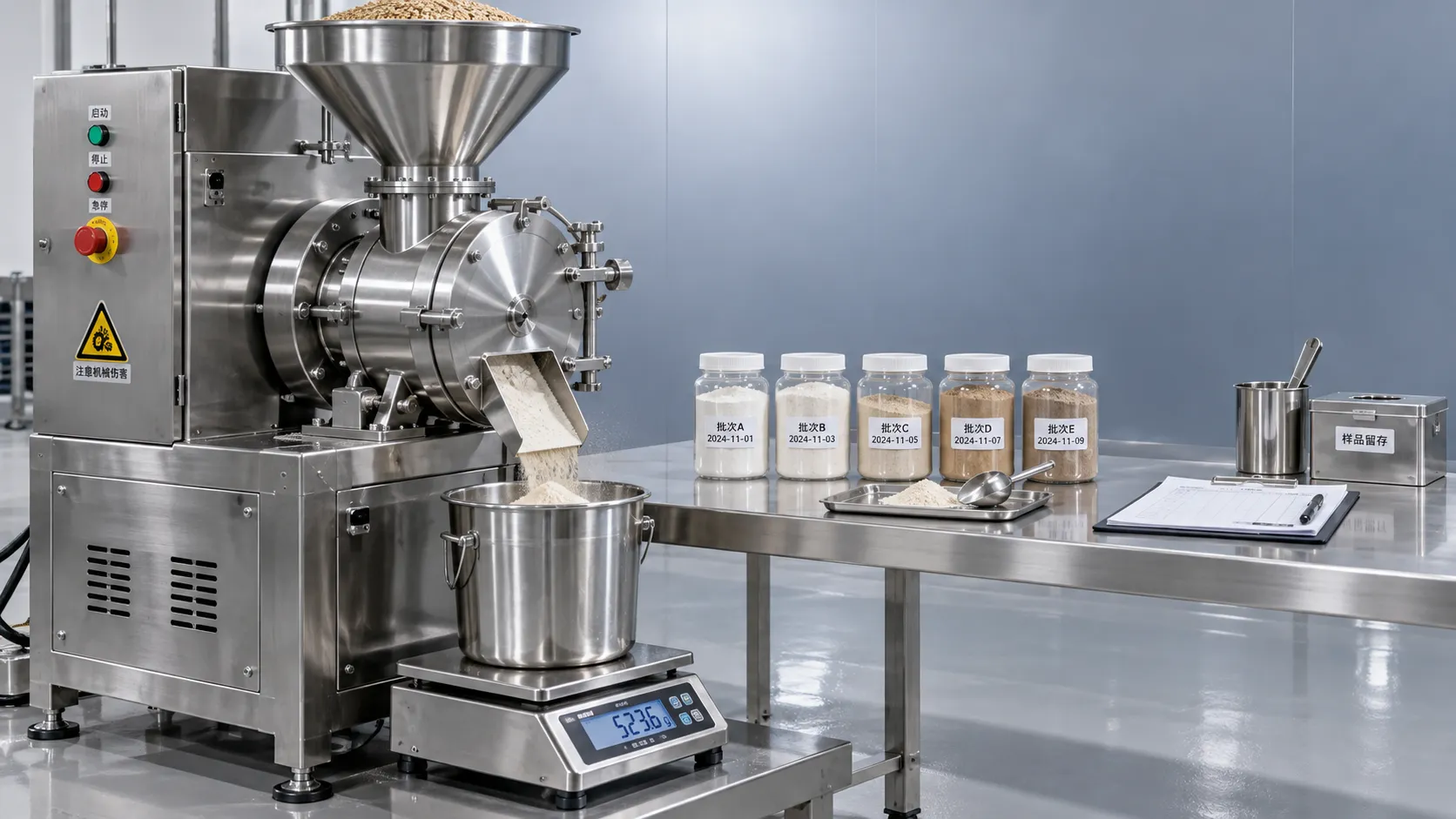
How to vet ingredient processing equipment manufacturers using trials
Vet ingredient processing equipment manufacturers with real-world trials. Learn how to verify yield, cleaning, energy use, and scale-up before you invest.
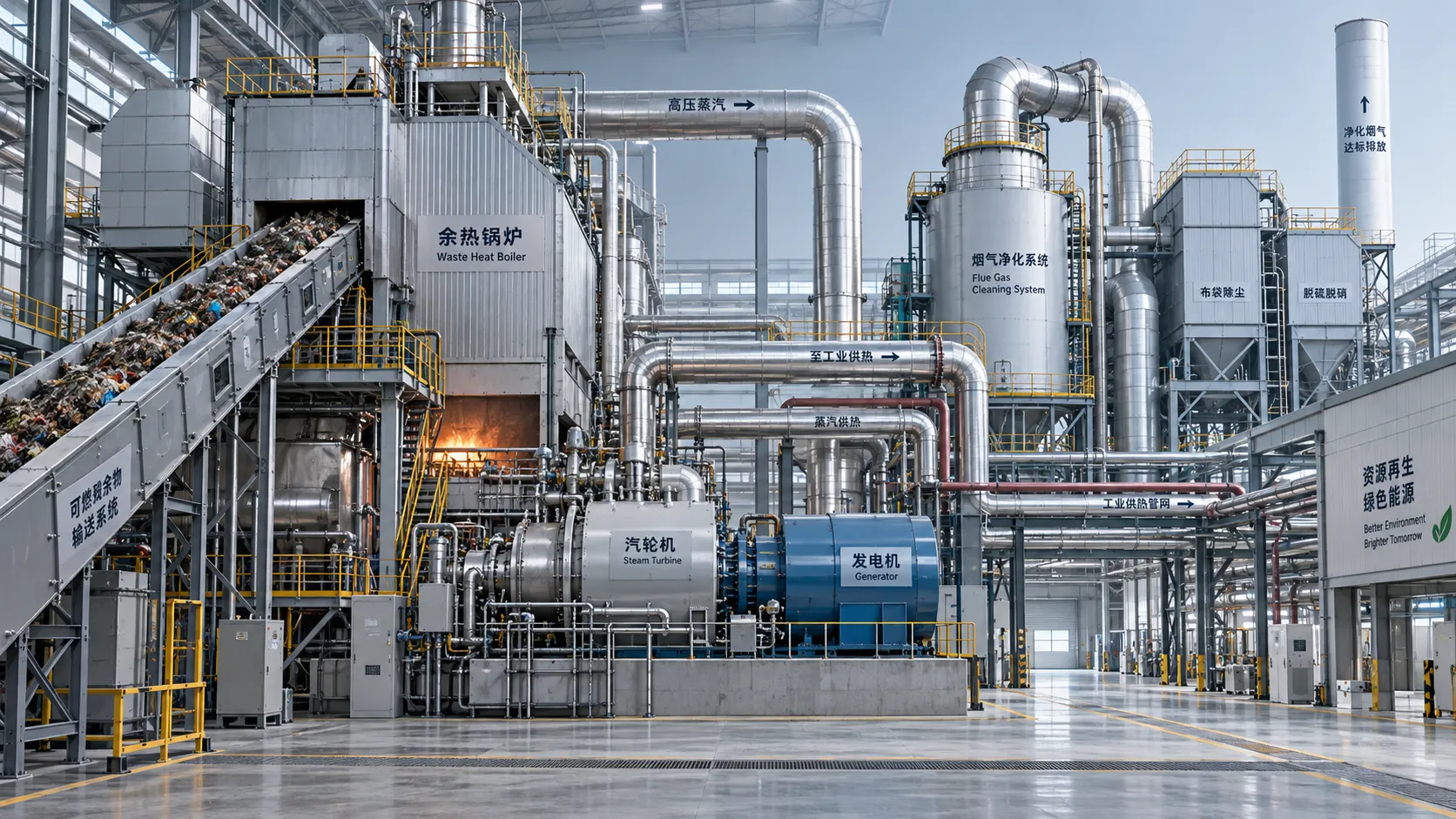
When is energy recovery viable in the solid waste recovery process?
When is energy recovery viable in the solid waste recovery process? Explore feedstock quality, net energy, emissions, and costs to assess feasibility and make smarter investment decisions.
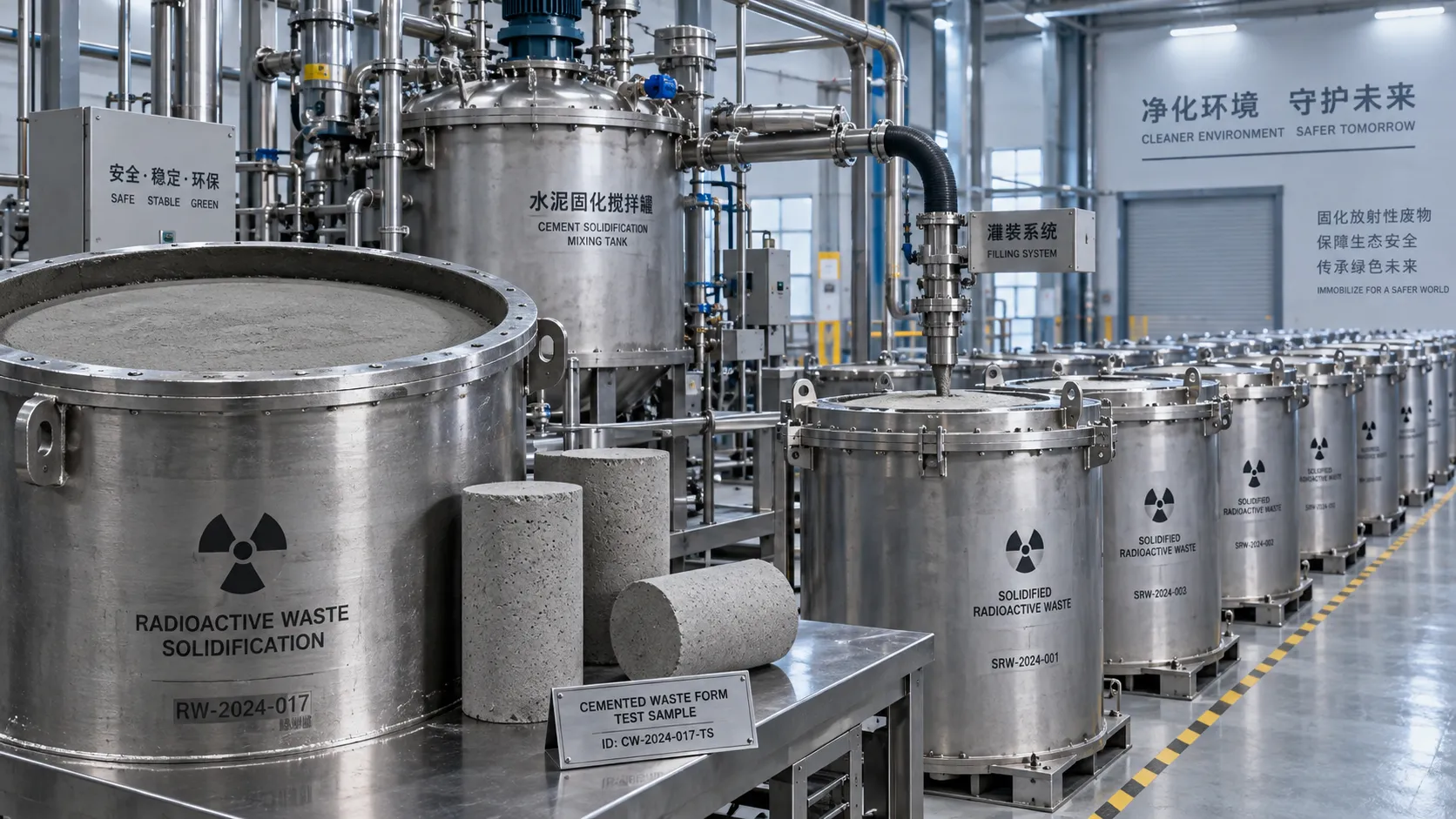
When is cementation suitable for nuclear decommissioning waste?
Explore nuclear waste treatment technology for decommissioning: learn when cementation fits, which risks to assess, and how disposal criteria guide an effective treatment choice.
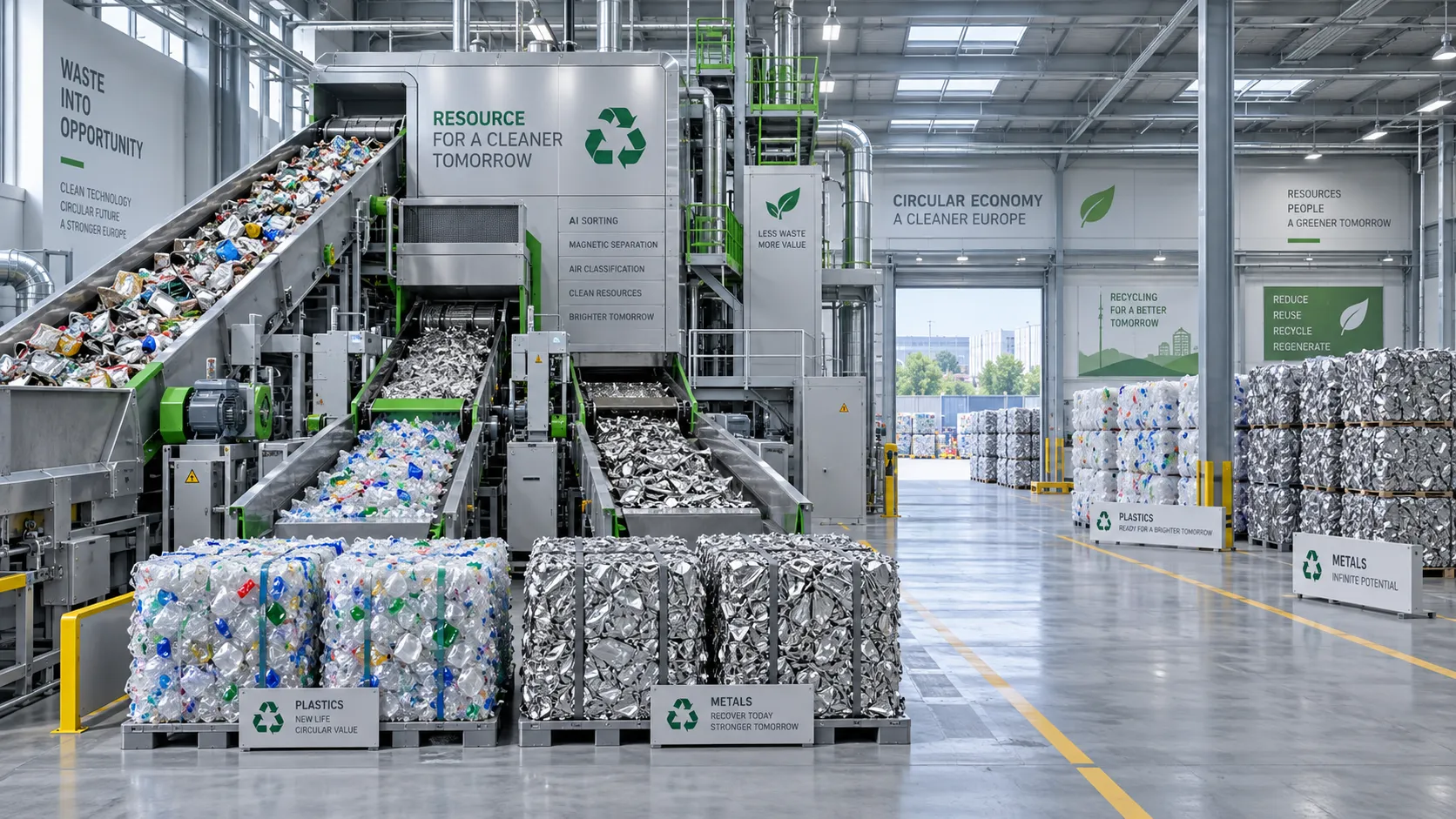
What determines payback for waste-to-resource systems in Europe?
Assess waste-to-resource systems Europe-wide: compare feedstock, recovery yields, costs and contracts to uncover payback drivers and make smarter investment decisions.
How to verify a water treatment system factory’s production capacity
Verify a water treatment systems factory’s production capacity through records, bottlenecks, component availability, and testing. Learn what to check before accepting a delivery promise.
When does EPC environmental project support reduce delivery risk?
EPC environmental project support engineering reduces delivery risk by aligning design, procurement, compliance, construction, and commissioning decisions.
How nuclear plants select a radioactive waste solidification method
Radioactive waste management for nuclear plants: compare vitrification, cementation, polymers, and ceramics to select a compliant, durable solidification solution.
Treating Metal Finishing Wastewater: Removing Metals, Cyanide, and Oil Reliably
Metal finishing wastewater treatment made reliable: learn how to safely remove metals, cyanide, oil, and complex contaminants with proven stream segregation and control strategies.
What Drives the Cost of Wastewater System Upgrades in Industrial Parks?
Costs of wastewater system upgrades in industrial parks: uncover key drivers from influent variability and civil works to sludge, energy, compliance, and lifecycle risk.