
Industry News
Curation by industry experts
Hot Articles
Popular Tags
Industrial Wastewater Treatment Costs: What Drives Long-Term Operating Expenses
For finance leaders, industrial wastewater treatment is not just a compliance line item—it is a long-term operating expense shaped by energy intensity, chemical consumption, sludge handling, labor, discharge limits, and equipment reliability. Understanding what truly drives these costs helps approval teams compare technologies beyond upfront CAPEX, reduce lifecycle risk, and defend investments in smarter, more resilient treatment systems that protect margins while meeting increasingly strict environmental obligations.
Why Industrial Wastewater OPEX Is a Board-Level Cost Question
Industrial wastewater cost control starts where production, compliance, and asset reliability intersect. A low purchase price can become expensive when discharge chemistry changes.
Finance teams often see treatment systems as utilities. In reality, industrial wastewater operations behave like variable manufacturing cost centers with regulatory exposure.
- Energy demand rises when pumps, aeration blowers, evaporators, or membrane systems run outside design conditions.
- Chemical spend increases when influent quality fluctuates, pretreatment is weak, or operators compensate for unstable process control.
- Sludge disposal costs expand when dewatering performance declines or hazardous classification changes the disposal route.
- Compliance risk grows when discharge permits tighten faster than the installed treatment train can adapt.
For approval committees, the right question is not only “What does the plant cost?” It is “What cost curve are we locking in?”
The Main Cost Drivers Finance Teams Should Quantify
Industrial wastewater expenses are easier to defend when each driver is linked to measurable operating behavior, not generic supplier claims.
The table below summarizes common operating expense categories that affect large water treatment plants, ZLD projects, and complex industrial sites.
This structure helps finance teams challenge lifecycle estimates. A supplier quote should show not only totals, but sensitivity to influent load and compliance limits.
Energy: Often the Largest Variable Cost
In industrial wastewater plants, energy intensity varies sharply by technology. Biological treatment may depend on aeration, while ZLD can require thermal concentration.
Finance leaders should request normalized indicators such as kWh per cubic meter, kWh per kilogram COD removed, and seasonal peak-load exposure.
Chemicals: A Hidden Index-Linked Expense
Chemical budgets can move with commodity markets, import logistics, and regulatory restrictions. Treatment systems that tolerate variability reduce purchasing volatility.
The lowest chemical dose is not always the best answer. Stable removal, safe storage, and sludge impact must be included in the comparison.
Technology Choices That Change the Long-Term Cost Curve
Different industrial wastewater technologies solve different financial problems. The best option depends on contaminant profile, discharge permit, land availability, and reuse ambition.
Finance approval should compare treatment trains using lifecycle behavior, not isolated equipment price. The following view supports early-stage technology screening.
A blended train often delivers the strongest financial outcome. Pretreatment protects membranes, biological units reduce organic load, and concentration steps handle final brine.
When CAPEX Savings Become OPEX Penalties
Undersized equalization tanks, limited automation, and weak pretreatment frequently reduce purchase cost. They also transfer risk into daily operating budgets.
For industrial wastewater approvals, lifecycle review should include downtime penalties, permit exceedance exposure, emergency hauling, and production interruption scenarios.
Procurement Questions That Protect Budget Approval
A strong procurement process converts engineering complexity into financially comparable evidence. That is essential when multiple vendors propose different treatment philosophies.
- Ask vendors to state influent assumptions, including COD, TDS, metals, oils, temperature, flow peaks, and seasonal variation.
- Require projected consumables per operating unit, not only annual totals, so finance can stress-test production changes.
- Separate guaranteed performance from expected performance, especially when discharge limits involve nitrogen, phosphorus, salinity, or trace contaminants.
- Clarify the cost of bypassing, emergency storage, or contract treatment if the industrial wastewater plant is offline.
The most defensible approval packages include assumptions, exclusions, sensitivity ranges, and a clear link between process design and operating risk.
A Practical Approval Checklist
Finance leaders do not need to become process engineers. They need a disciplined checklist that forces comparable bids and transparent assumptions.
- Confirm the baseline: current discharge volume, treatment fees, penalty history, chemical spend, energy tariff, and sludge disposal cost.
- Model scenarios: average load, peak load, future capacity, tighter limits, reuse targets, and partial equipment failure.
- Validate maintainability: spare parts access, cleaning intervals, instrumentation accuracy, remote monitoring, and operator skill requirements.
- Review contract boundaries: commissioning support, performance testing, warranty exclusions, training scope, and service response time.
Compliance, Carbon, and the Expanding Cost of Risk
Industrial wastewater decisions now sit inside a wider compliance map. Water discharge, resource recovery, carbon accounting, and supply-chain reporting increasingly overlap.
Common references include ISO 14001 environmental management, local discharge permits, hazardous waste rules, and sector-specific effluent standards.
For exporters, carbon-related policies such as CBAM can influence investment logic. Energy-heavy treatment may affect product-level emissions calculations.
ESD tracks these intersections across water treatment, flue gas control, solid waste recovery, desalination, and nuclear waste management intelligence.
Why Stricter Limits Change Financial Assumptions
When discharge limits tighten, the lowest-cost legacy solution can require retrofits. Space, downtime, and integration complexity then become unplanned capital events.
Finance teams should therefore value modularity, monitoring capability, and expansion allowances when approving new industrial wastewater infrastructure.
How ESD Frames Industrial Wastewater Cost Intelligence
The Global Eco-Shield Dynamics views treatment assets as part of the ecological immune system of industrial civilization, not isolated equipment purchases.
Its Strategic Intelligence Center connects physicochemical purification parameters, resource loop logic, and environmental compliance trends into decision-ready insight.
- Water purification scientists assess process limits, membrane behavior, ZLD feasibility, and reliability under real industrial wastewater variation.
- Circular economy strategists examine sludge, brine, resource recovery, and links to solid waste recovery or urban mining networks.
- Compliance observers follow evolving environmental obligations, helping approval teams understand future retrofit and reporting exposure.
This intelligence approach helps EPC firms, plant owners, and approval boards separate attractive proposals from resilient long-term solutions.
Cost Model: What to Include Before Signing the Budget
A complete industrial wastewater cost model should include predictable costs, variable costs, and low-frequency events with high financial consequences.
The following evaluation table can support internal approval memos, vendor negotiations, and lifecycle comparison between conventional treatment and advanced reuse systems.
Cost models become more credible when assumptions are visible. Finance can then negotiate warranties, service contracts, and phased upgrades with stronger leverage.
Common Misconceptions That Distort Industrial Wastewater Budgets
Misconceptions usually appear when teams compare headline prices instead of operating behavior. These errors can remain hidden until commissioning.
Misconception 1: The Lowest CAPEX Is the Safest Financial Choice
A cheaper system may lack redundancy, automation, or pretreatment margin. Those omissions can increase labor, chemicals, downtime, and retrofit requirements.
Misconception 2: Compliance Costs End After Commissioning
Sampling, reporting, permit updates, operator training, and calibration remain recurring responsibilities. Industrial wastewater compliance is an ongoing operating discipline.
Misconception 3: Reuse Always Reduces Total Cost Immediately
Water reuse can reduce intake and discharge cost, but polishing, membranes, storage, and distribution must be assessed against local tariffs.
FAQ for Finance Leaders Reviewing Industrial Wastewater Investments
The questions below reflect common approval concerns when industrial wastewater proposals compete for capital with core production investments.
How should we compare two bids with different technologies?
Normalize both bids by flow, load removed, discharge target, energy use, chemical dose, sludge output, labor needs, and service assumptions.
What payback period is realistic for water reuse?
Payback depends on freshwater price, sewer fees, discharge restrictions, reuse quality, and capacity utilization. High-tariff or water-stressed sites improve the case.
Which data should be collected before vendor selection?
Collect flow profiles, laboratory analysis, production schedules, cleaning cycles, existing costs, permit limits, and any future expansion plans.
How can we reduce risk during implementation?
Use pilot testing when water chemistry is uncertain, define acceptance criteria early, and link final payment to verified performance testing.
Why Choose ESD for Industrial Wastewater Decision Support
ESD supports finance teams that need clarity before committing to high-value environmental equipment, complex EPC packages, or phased modernization programs.
Our intelligence perspective covers large water treatment, ZLD, desalination, flue gas control, solid waste recovery, and high-reliability compliance systems.
- Consult us to review industrial wastewater parameters, including flow, COD, salinity, metals, oils, nutrients, and discharge targets.
- Request support for technology comparison, lifecycle cost framing, vendor questions, and risk-based procurement checklists.
- Discuss delivery timeline, customization needs, compliance documentation, pilot testing logic, and quotation evaluation before approval.
- Use ESD’s strategic intelligence to connect treatment investment with carbon strategy, circular economy value, and future regulatory resilience.
For finance leaders, a stronger industrial wastewater decision is not merely cheaper. It is explainable, stress-tested, compliant, and resilient across the asset lifecycle.
Recommended News
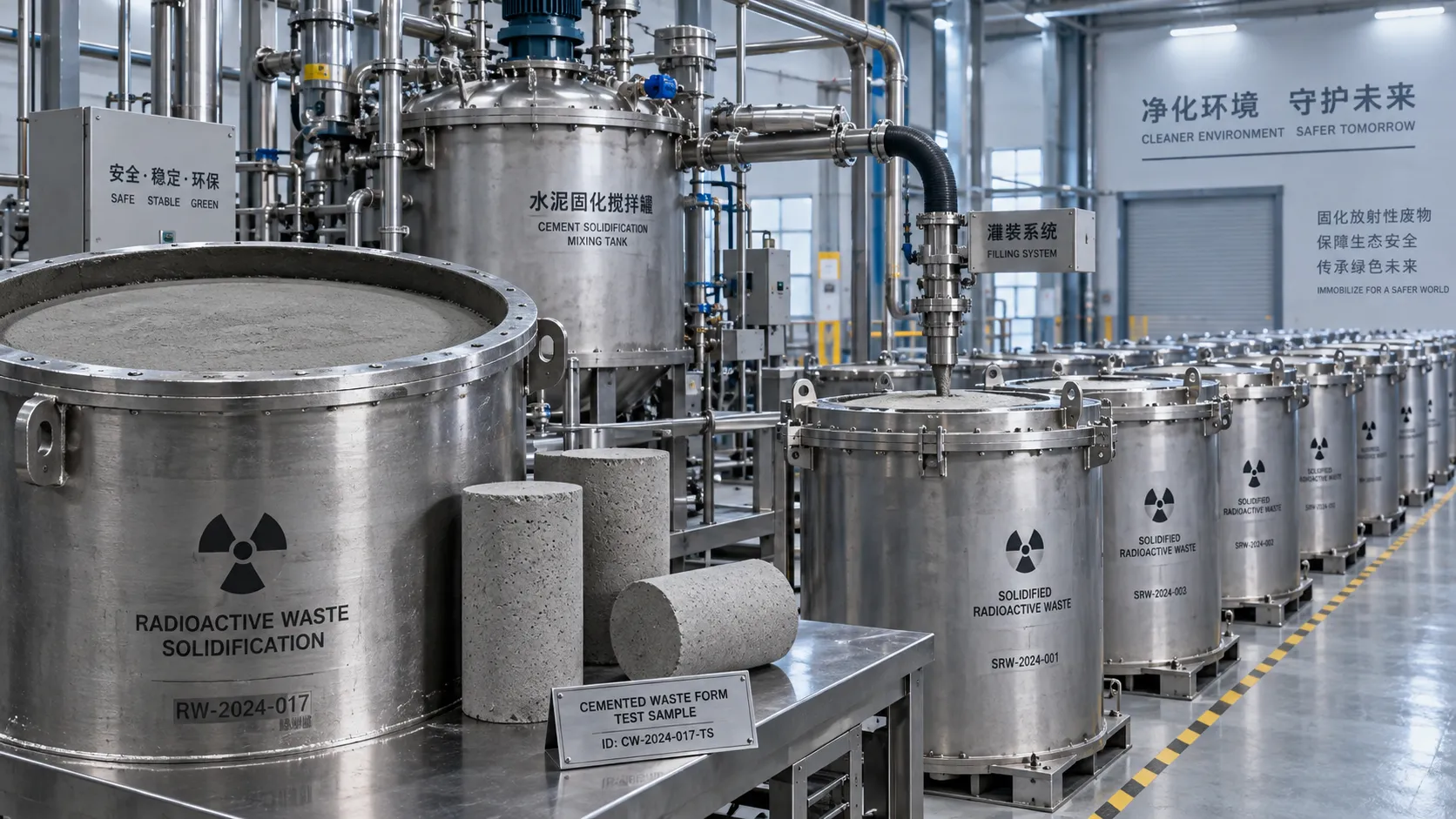
When is cementation suitable for nuclear decommissioning waste?
Explore nuclear waste treatment technology for decommissioning: learn when cementation fits, which risks to assess, and how disposal criteria guide an effective treatment choice.
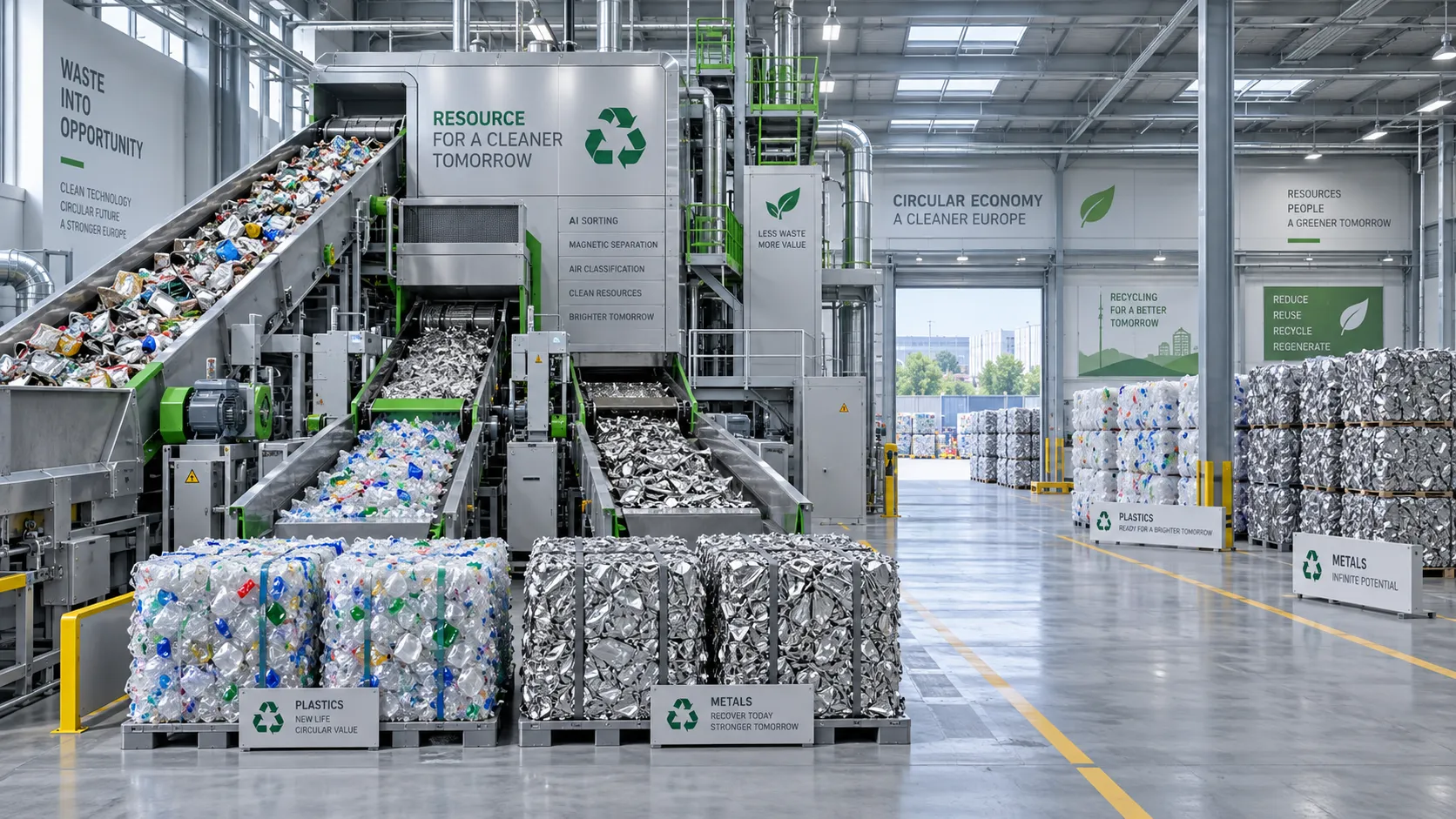
What determines payback for waste-to-resource systems in Europe?
Assess waste-to-resource systems Europe-wide: compare feedstock, recovery yields, costs and contracts to uncover payback drivers and make smarter investment decisions.
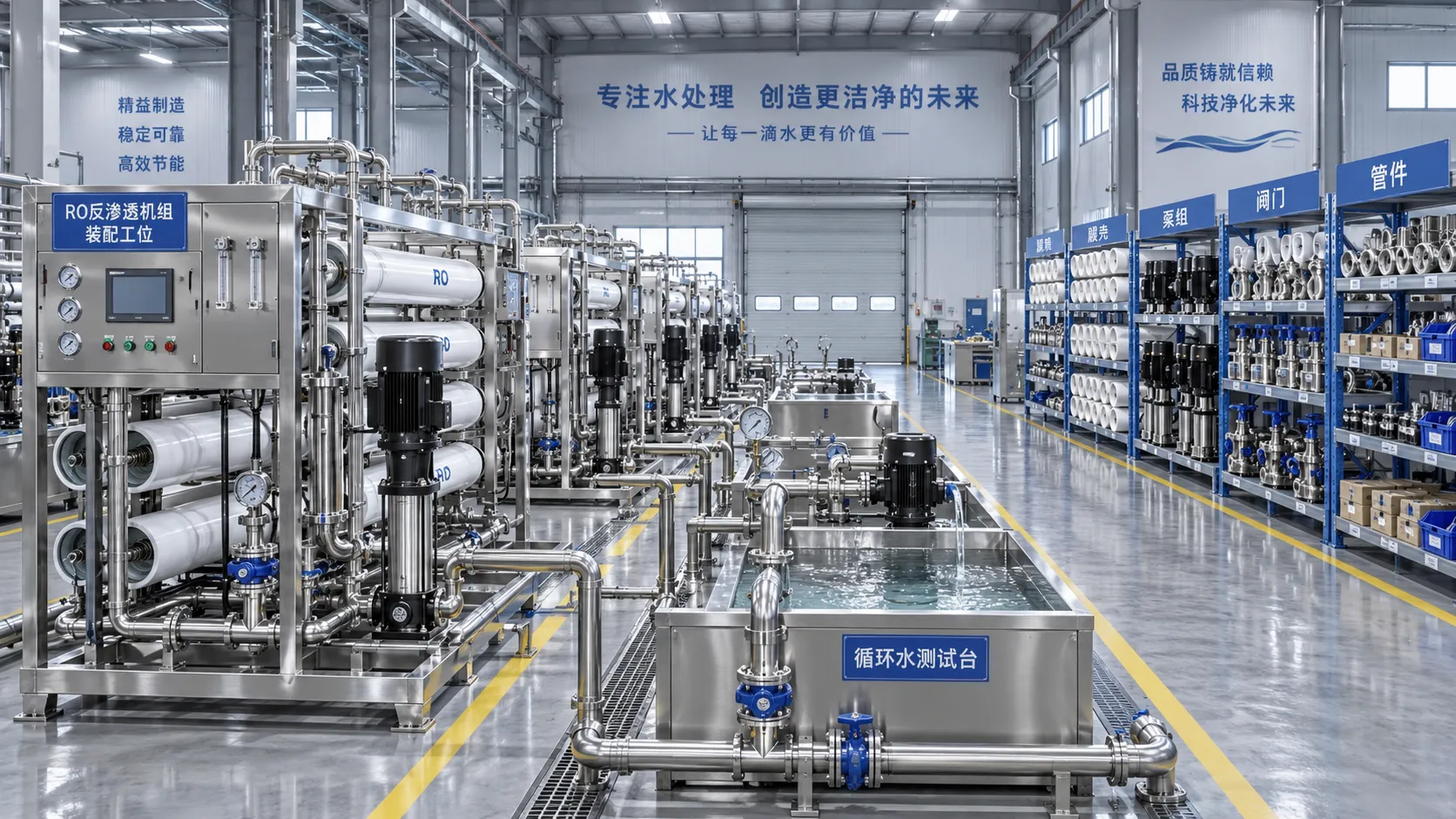
How to verify a water treatment system factory’s production capacity
Verify a water treatment systems factory’s production capacity through records, bottlenecks, component availability, and testing. Learn what to check before accepting a delivery promise.
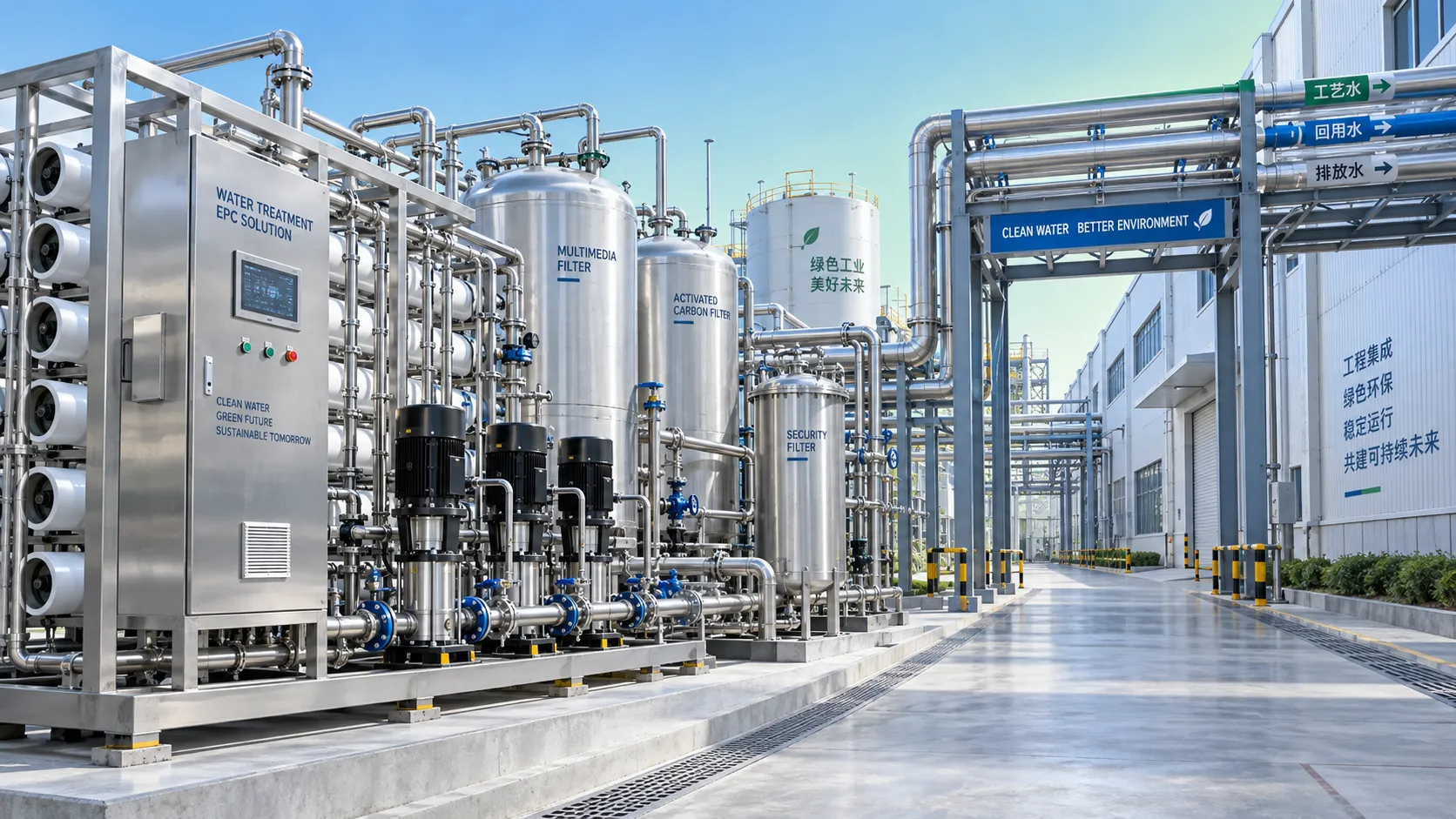
When does EPC environmental project support reduce delivery risk?
EPC environmental project support engineering reduces delivery risk by aligning design, procurement, compliance, construction, and commissioning decisions.
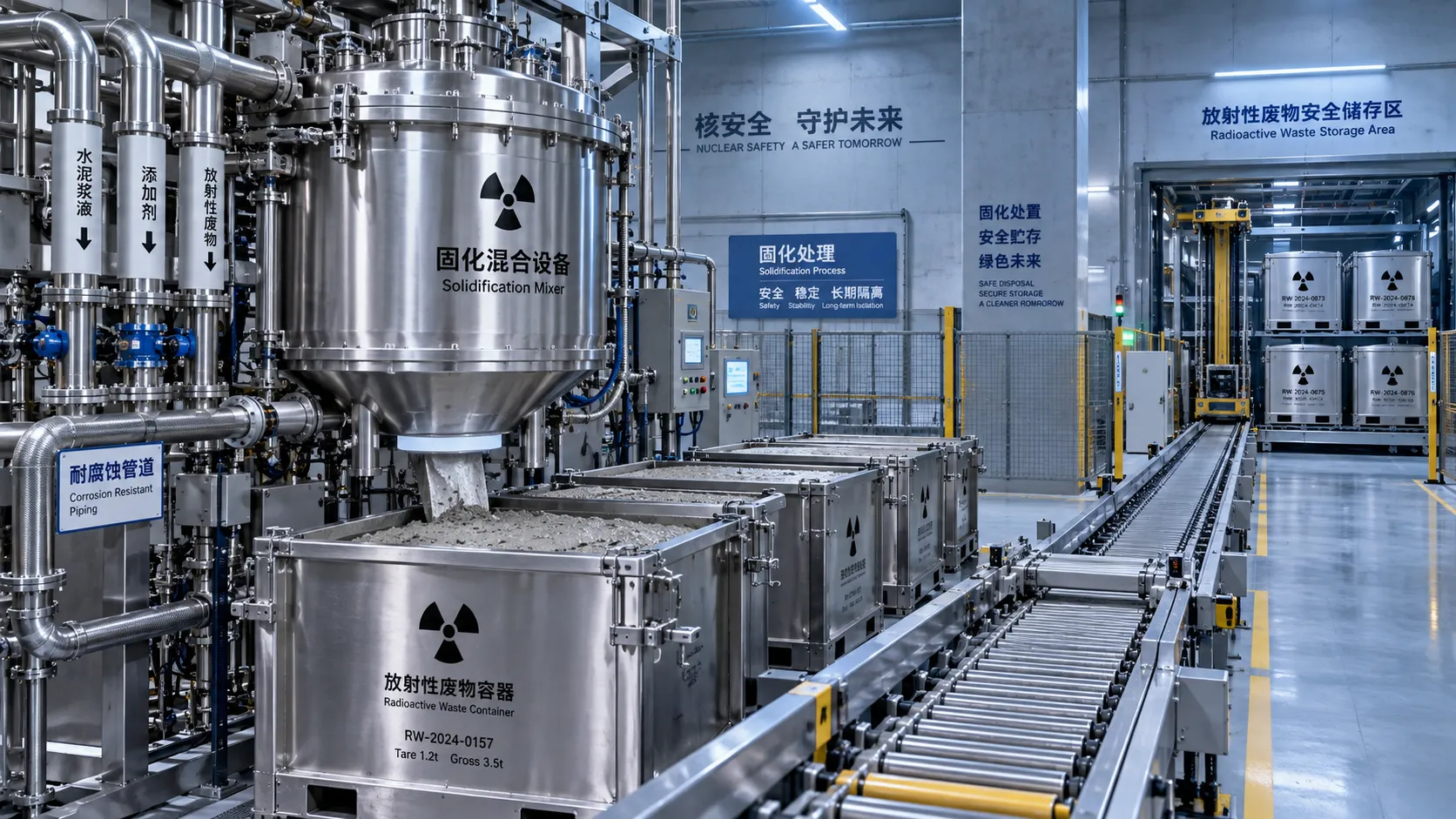
How nuclear plants select a radioactive waste solidification method
Radioactive waste management for nuclear plants: compare vitrification, cementation, polymers, and ceramics to select a compliant, durable solidification solution.
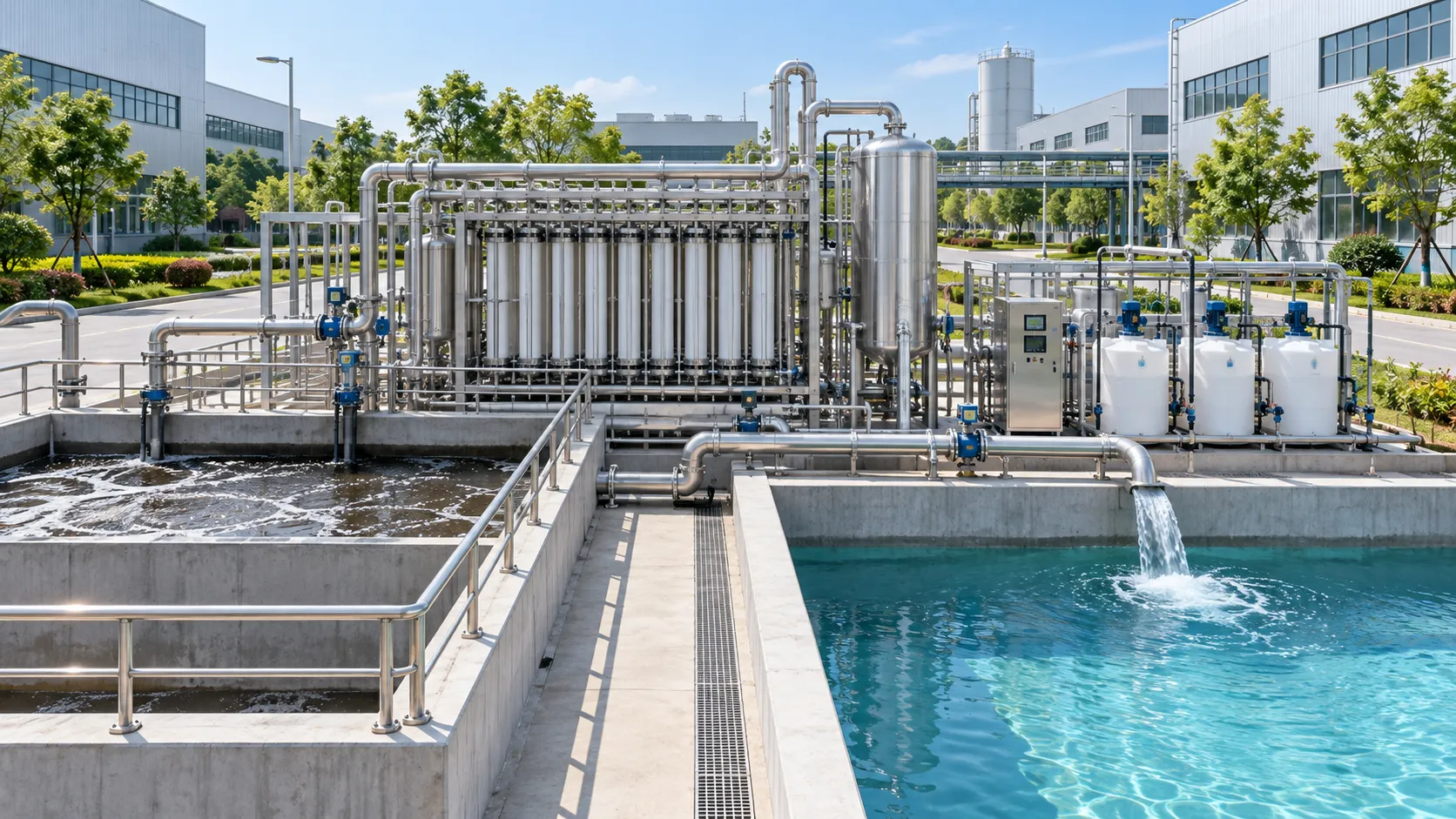
Comparing Upgrade Costs for Industrial Park Wastewater Treatment Systems
Compare costs for wastewater system upgrades in industrial parks with a lifecycle view of CAPEX, OPEX, compliance, resilience, and future expansion.
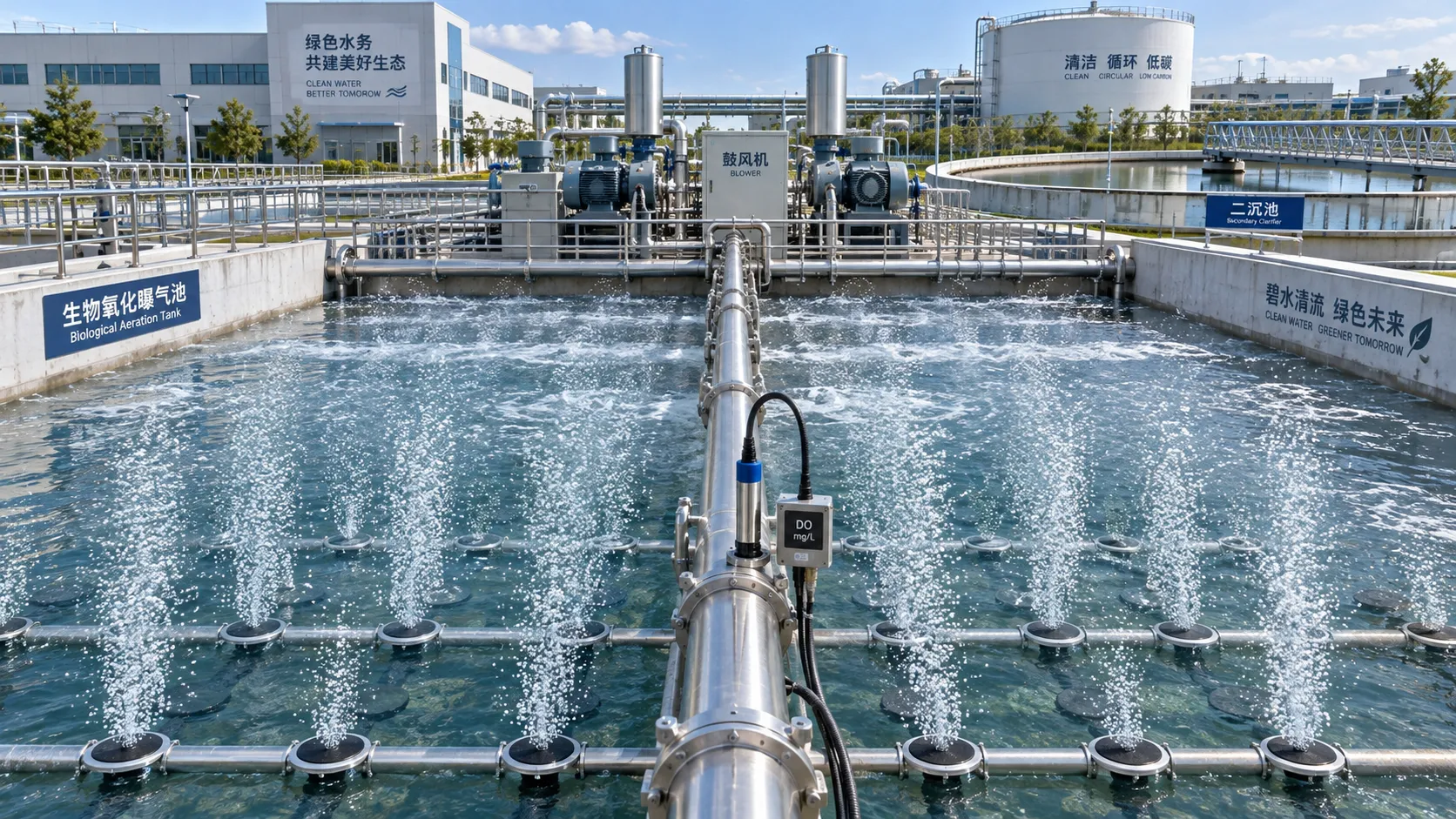
Biological Wastewater Oxidation Explained: Aeration Demand and Process Control
Biological wastewater oxidation explained: optimize aeration demand, DO control, nitrification, and sludge age for stable effluent quality and lower energy costs.
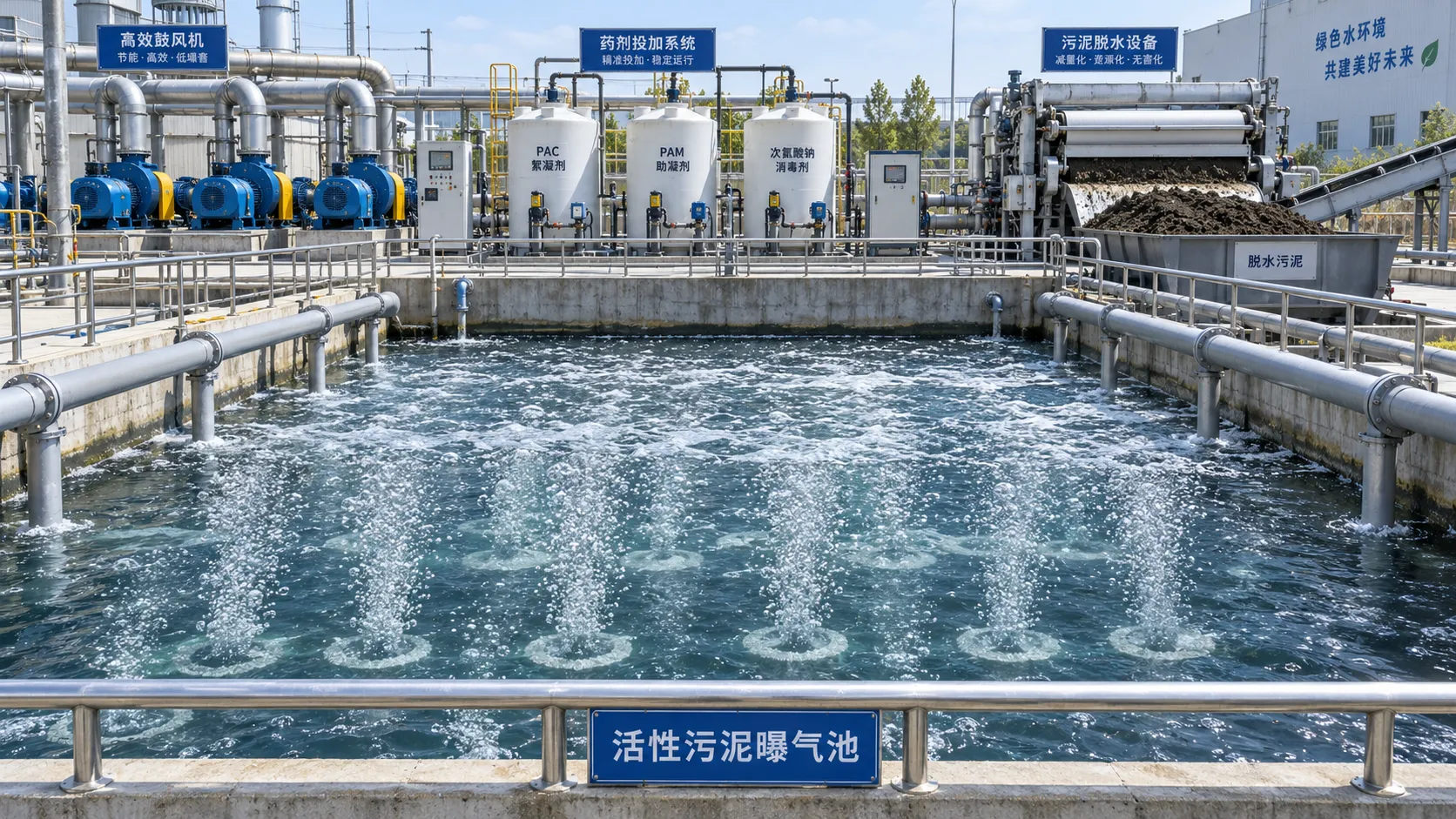
Activated Sludge Cost: Budgeting Energy, Chemicals, Sludge, and Labor
Activated sludge cost explained: compare energy, chemicals, sludge disposal, labor, and compliance risks to build a reliable lifecycle budget.
When Should Municipal Wastewater Plants Upgrade Treatment Capacity and Controls?
Municipal wastewater treatment upgrades: learn when capacity, controls, and resilient planning are needed to protect compliance and optimize plant performance.