
Industry News
Curation by industry experts
Hot Articles
Popular Tags
Industrial Water Reuse: Where Closed-Loop Systems Deliver the Greatest Savings
A plant can spend years reducing water consumption at the point of use and still face rising water bills, discharge surcharges, and production risk. The usual reason is not that reuse is impossible; it is that the wrong stream has been selected for recovery. High-quality water may be treated far beyond the standard required for its next use, while difficult wastewater is sent directly to disposal even though it contains recoverable heat, water, or chemicals.
The greatest savings from water reuse in industrial processes usually occur where three conditions overlap: freshwater is costly or unreliable, wastewater volume is substantial and relatively predictable, and the recovered water can be used at a lower quality than potable or process-grade make-up water. Closed-loop systems are most valuable when they are designed around actual water-quality tiers and operating constraints, not around the abstract goal of recycling every available drop.
Where closed-loop reuse produces the strongest returns
Not all industrial water has the same recovery value. A cooling-tower blowdown stream, a final rinse, membrane concentrate, equipment wash water, and high-strength process effluent may all leave the same facility, but they demand very different treatment trains and provide different savings opportunities. The most economical projects often begin with segregated streams that have a clear reuse destination.
Cooling systems with large, recurring make-up demand
Cooling towers are often the first place to assess because they continuously consume water through evaporation, drift, and blowdown. Water recovered from relatively stable sources—such as treated municipal effluent, filtered process water, or suitable rinse water—can often replace part of cooling-tower make-up after solids control, biological management, and chemistry adjustment.
The savings are not limited to reduced freshwater purchases. Higher-quality make-up water can sometimes allow improved cycles of concentration, reducing blowdown volume. However, this should not be assumed. Reuse water may introduce silica, hardness, chlorides, organics, ammonia, or microbiological load that changes scaling, corrosion, and biological-control requirements. A reuse project that lowers make-up demand but causes frequent heat-exchanger cleaning or elevated corrosion risk is not a successful closed loop.
The strongest candidates are facilities where the cooling system has a known tolerance window, blowdown is a material discharge source, and incoming recycled water can be monitored consistently. Treatment commonly combines clarification or media filtration, ultrafiltration where suspended solids are difficult to control, and selective softening or reverse osmosis where dissolved salts would otherwise constrain cycles.
Rinsing and washing operations that use water once
Surface treatment, metal finishing, electronics manufacturing, food processing, vehicle washing, and packaging lines often contain rinse stages where water quality requirements differ sharply from one stage to the next. Final rinses may need very low conductivity or low particle counts, while earlier rinses can accept reclaimed water with more dissolved solids.
Counter-current rinsing is frequently a more practical first step than installing a large central treatment plant. Cleaner water enters the final rinse, then cascades upstream toward progressively dirtier stages. A separate recovery unit can polish selected overflow streams for return to an earlier rinse, wash-down duty, scrubber make-up, or utility use. This arrangement reduces both water consumption and the hydraulic load sent to wastewater treatment.
Here, process discipline matters as much as membrane performance. Cross-contamination from oils, surfactants, metals, cleaning chemicals, or intermittent dumping can quickly alter influent quality. The design should identify which tanks receive drag-out, which cleaning steps create short-term shock loads, and whether batch discharges need equalization before reuse treatment.
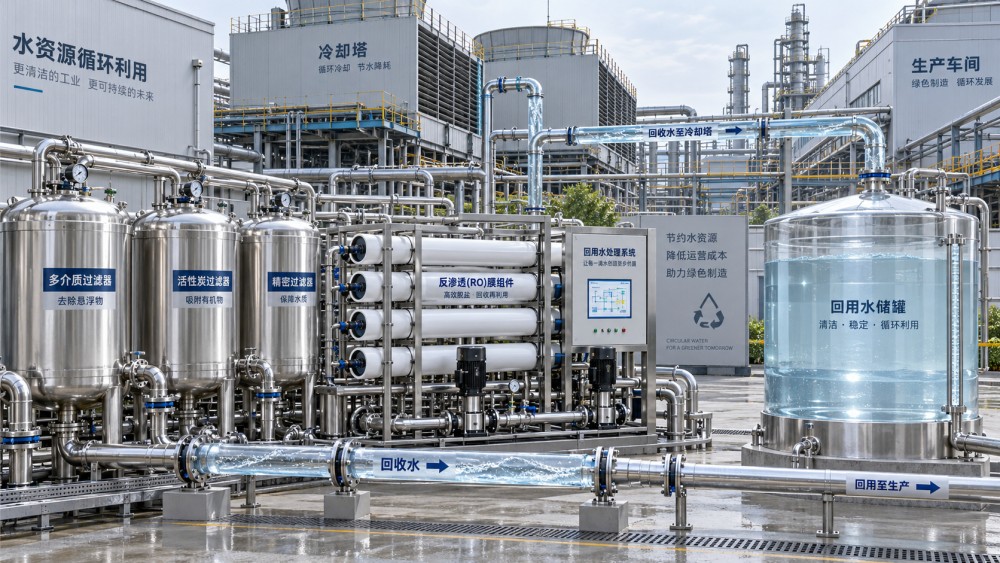
High-concentration wastewater where disposal is the real cost driver
Some of the largest savings arise not from replacing a large volume of freshwater, but from reducing the volume of difficult wastewater requiring off-site disposal, evaporation, or advanced treatment. Brines, regenerant wastes, high-salinity process streams, and concentrated wash waters can carry a disproportionate share of disposal cost and compliance exposure.
In these applications, a closed-loop strategy may separate water recovery from concentrate management. Reverse osmosis, nanofiltration, electrodialysis, evaporation, crystallization, or thermal concentration may recover usable permeate while reducing the volume of final residuals. The key commercial question is not simply “How much water can be recovered?” It is “What happens to the concentrate, and does the system reduce the total cost and risk of managing it?”
Recovery becomes especially compelling where concentrate volume is constrained by discharge permits, local receiving-water limits, sewer acceptance rules, or limited evaporation capacity. Yet high recovery is not automatically better. As recovery rises, salts, silica, organics, and sparingly soluble compounds become more concentrated. Scaling control, pretreatment reliability, cleaning frequency, and residual handling must be considered together.
Boiler-adjacent utility water with a clear quality hierarchy
Boilers require careful protection, but not every water-related use around a steam system requires boiler-feedwater quality. Recovered condensate, treated cooling water, or filtered wastewater may be suitable for scrubbers, ash handling, floor washing, seal water, or pre-treatment make-up. Reuse can therefore reduce demand for higher-grade water without introducing unnecessary risk into the boiler itself.
Direct reuse in boiler-feedwater systems requires stricter analysis. Trace organics, silica, dissolved gases, hardness, iron, and corrosion products can affect boiler chemistry and downstream steam uses. When recovered water is considered for high-pressure applications, treatment must be designed around the boiler specification and the consequences of contamination—not merely around average feedwater quality.
Start with the reuse destination, not the treatment technology
A common planning mistake is to begin by selecting reverse osmosis, a membrane bioreactor, evaporator, or zero-liquid-discharge configuration before defining the intended use of recovered water. That approach can lead to over-treatment, higher energy use, and unnecessary maintenance. The more reliable sequence starts with the demand side.
- Map every significant water use. Record volume, required quality, operating schedule, seasonal changes, and the consequence of a supply interruption. Separate potable, demineralized, cooling, rinsing, wash-down, scrubber, and utility uses.
- Map wastewater by source. Avoid blending streams prematurely. Identify flow variability, suspended solids, conductivity, pH, oil, biological load, hardness, metals, organics, nutrients, and temperature.
- Match source quality to the lowest-risk reuse point. A stream that is unsuitable for a final product-contact rinse may still be valuable for cooling make-up or equipment washing after modest treatment.
- Define reliability requirements. Some reuse loops can tolerate intermittent availability; others need storage, redundant treatment trains, or automatic changeover to conventional supply.
- Only then select treatment and recovery targets. Treatment should remove the contaminants that matter to the next use, while preserving operational simplicity.
This source-to-use matching often reveals opportunities that a facility-wide average water balance hides. For example, a moderate-salinity stream may be a poor candidate for high-purity reuse but an excellent source for dust suppression or a scrubber, provided salts do not create downstream plugging, corrosion, or discharge issues.
Choosing the right closed-loop architecture
Centralized systems can be effective where multiple wastewater sources have compatible chemistry and the facility has a large, steady reuse demand. They offer common monitoring, shared treatment infrastructure, and centralized residual management. Their weakness is that a disturbance in one production area can affect the entire reuse plant.
Decentralized loops are often better when one stream has a well-defined contaminant profile and one nearby reuse point has a stable demand. A local rinse-water recovery unit, for example, can avoid long pipe runs and prevent contaminants from being mixed into a larger wastewater network. The trade-off is a greater number of operating assets and control points.
When zero liquid discharge is justified—and when it is not
Zero liquid discharge, or ZLD, is often discussed as the ultimate form of industrial water reuse. It can recover water from challenging wastewater and convert remaining dissolved solids into a more manageable residue. It may be justified where liquid discharge is unavailable, severely limited, costly, or strategically risky; where water scarcity threatens production continuity; or where brine disposal alternatives are constrained.
But ZLD should not be treated as the default definition of a successful reuse program. It typically requires substantial energy, robust pretreatment, specialized operation, and a credible route for solids handling. A conventional reuse system that reliably offsets freshwater demand and reduces discharge may offer a better operating outcome than an overextended ZLD design that is difficult to run continuously.
A useful decision point is to separate three targets: reducing freshwater intake, reducing wastewater discharge, and eliminating liquid discharge. They overlap, but they are not identical. Each target changes the appropriate technology, capital intensity, energy profile, and residuals strategy.
Failure modes that erode expected savings
Closed loops concentrate more than water savings. They can also concentrate contaminants. This is why the operational review must examine accumulation pathways rather than relying only on one-time water samples.
- Salt build-up: Chlorides, sulfates, silica, and hardness may accumulate in cooling or wash loops until scaling, corrosion, or poor product quality appears.
- Organic fouling: Surfactants, oils, polymers, and biological matter can reduce membrane flux or foul filters faster than expected.
- Unplanned process changes: New chemicals, altered cleaning practices, or production shifts can change wastewater composition without the reuse system being adjusted.
- Insufficient buffer capacity: Equalization tanks and treated-water storage are often what allow reuse treatment to absorb flow peaks and still serve demand reliably.
- Weak instrumentation: Conductivity alone cannot identify every risk. The monitoring plan should reflect the contaminants that could damage the reuse point or treatment equipment.
Operating ownership also matters. A reuse plant sits between production, utilities, maintenance, laboratory functions, and environmental management. Clear response procedures are needed for off-spec water: isolate the affected stream, divert it safely, protect the reuse network, investigate the source, and restore service only after verification. Without this discipline, operators may bypass treatment under pressure, undermining both savings and water-quality control.
Building a business case that survives operation
The financial model should include more than avoided freshwater purchases. It should account for wastewater conveyance and treatment, discharge fees where applicable, chemical consumption, energy, membrane replacement, media replacement, labor, cleaning, sludge or concentrate handling, storage, monitoring, and downtime exposure. It should also recognize the value of supply resilience where water restrictions or quality variability could interrupt production.
Equally important, model the system at realistic operating conditions rather than ideal recovery percentages. Include periods of low production, high contaminant loading, cleaning cycles, membrane downtime, seasonal temperature changes, and the need to divert off-spec treated water. A system that only works under average conditions may create a hidden dependency on freshwater during the periods when water risk is highest.
The best early projects are usually not the most technically ambitious. They are the ones with a stable wastewater source, a forgiving but meaningful reuse demand, manageable residuals, and measurable avoided costs. Once monitoring data confirms that the loop can operate reliably, more difficult streams and higher recovery targets can be assessed with a stronger operational foundation.
Closed-loop reuse delivers its greatest savings where recovered water displaces a real and recurring demand without creating a larger burden elsewhere in the plant. The practical objective is not maximum recycling at any cost. It is a controlled water cycle in which quality, treatment intensity, residuals management, and operational resilience remain aligned with the needs of production.
Recommended News
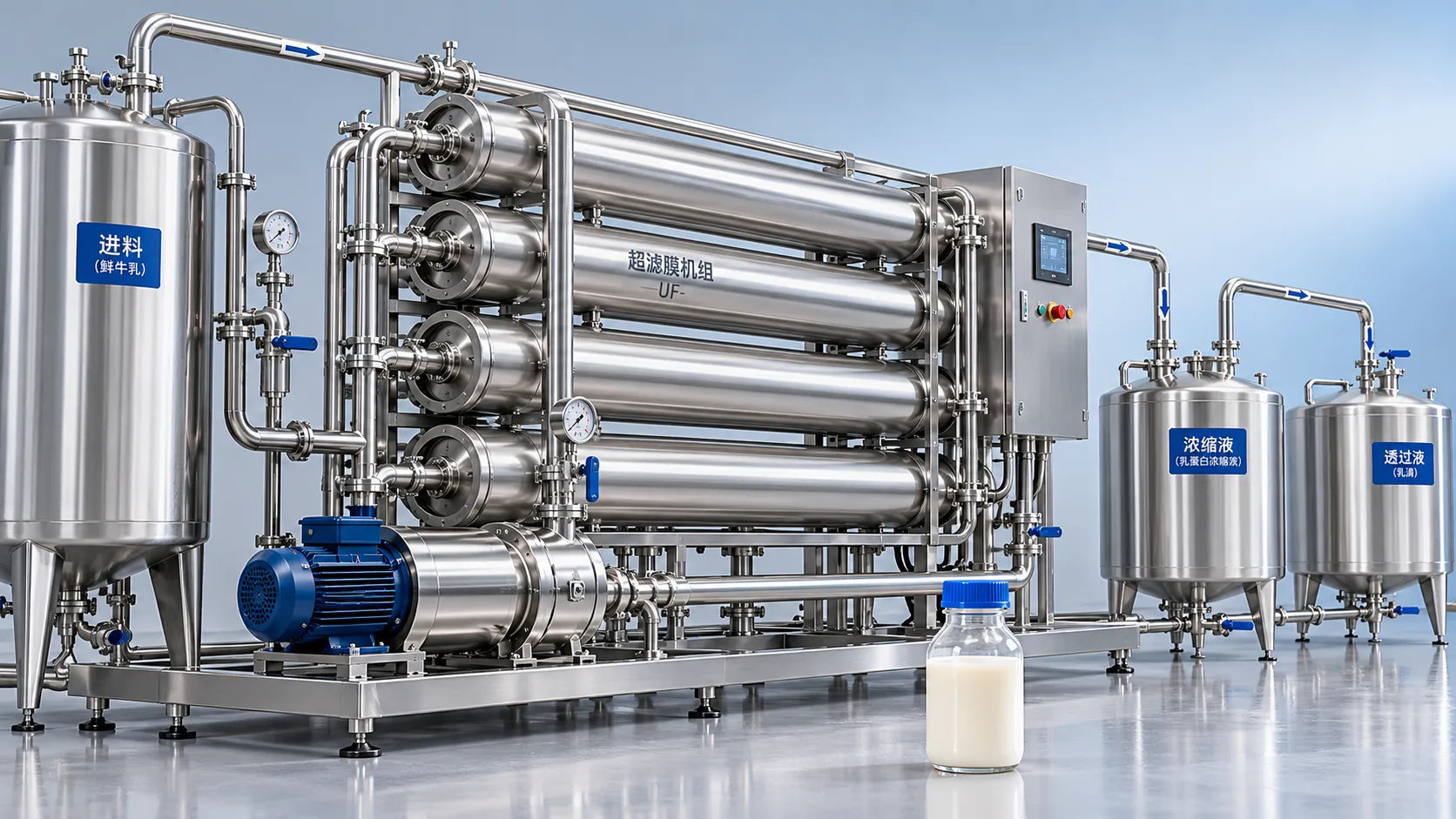
Which membrane filtration process suits dairy protein concentration?
Explore membrane filtration for dairy: compare UF, MF, and RO to select the right process for protein concentration, lactose reduction, and better recovery. Find your best fit.
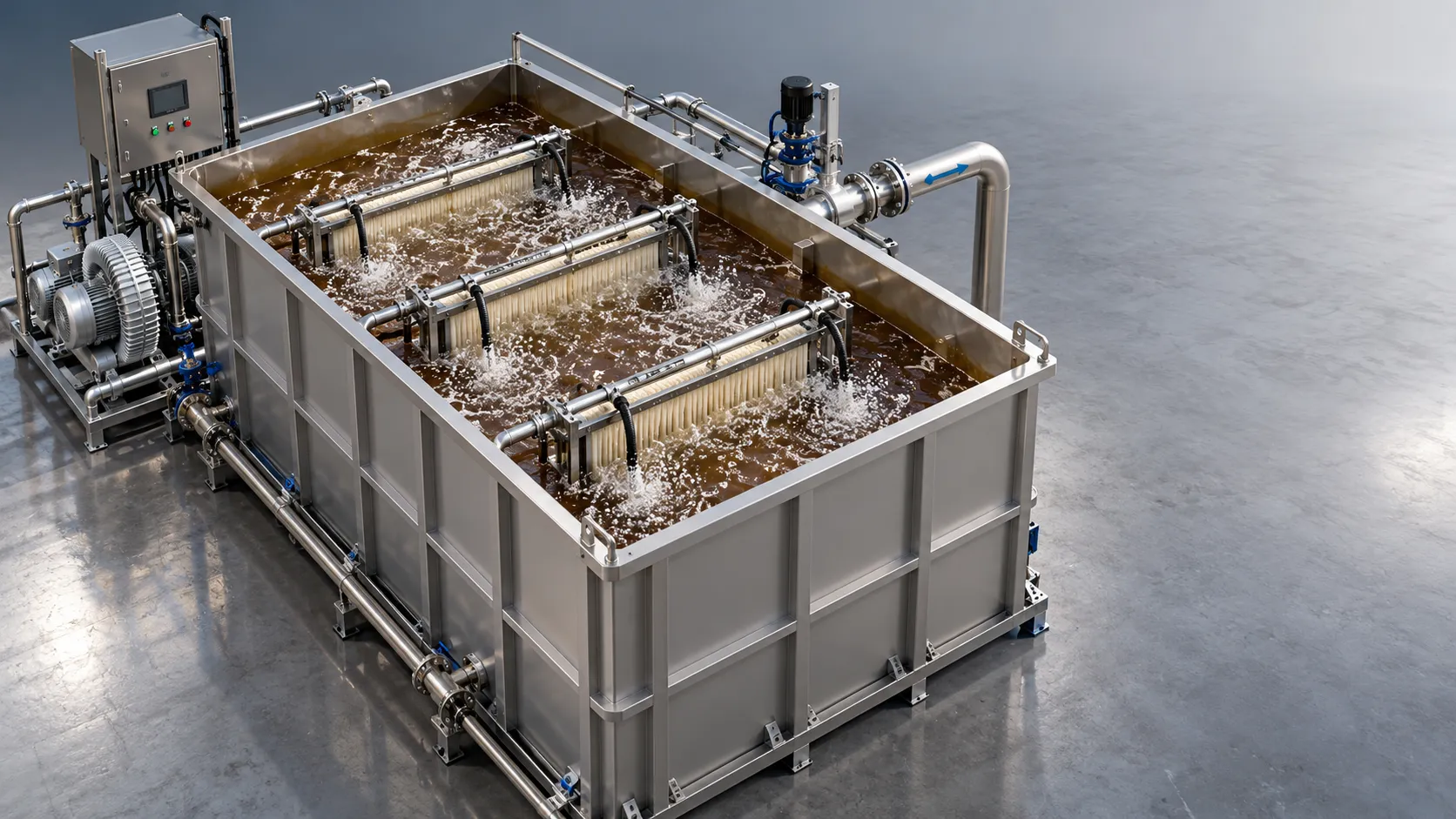
When is an MBR suitable for wastewater purification for bioprocessing?
For wastewater purification for bioprocessing, discover when an MBR fits your needs. Compare water quality, fouling risks, and lifecycle costs before investing.
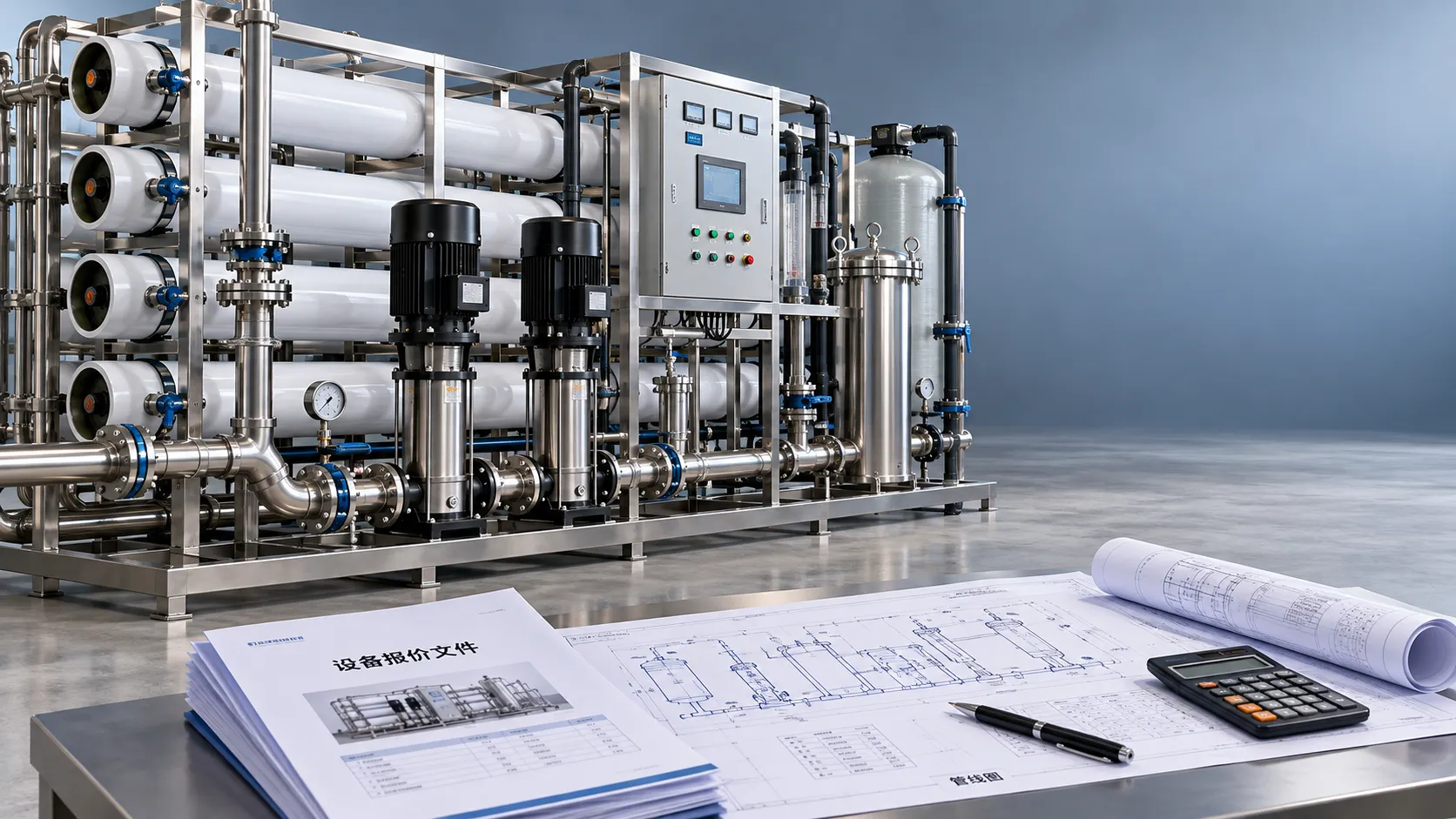
How to check a water treatment quotation for hidden project costs
Review your water treatment quotation for hidden costs, scope gaps, and operating expenses. Learn what to check before signing to protect your budget and avoid costly surprises.
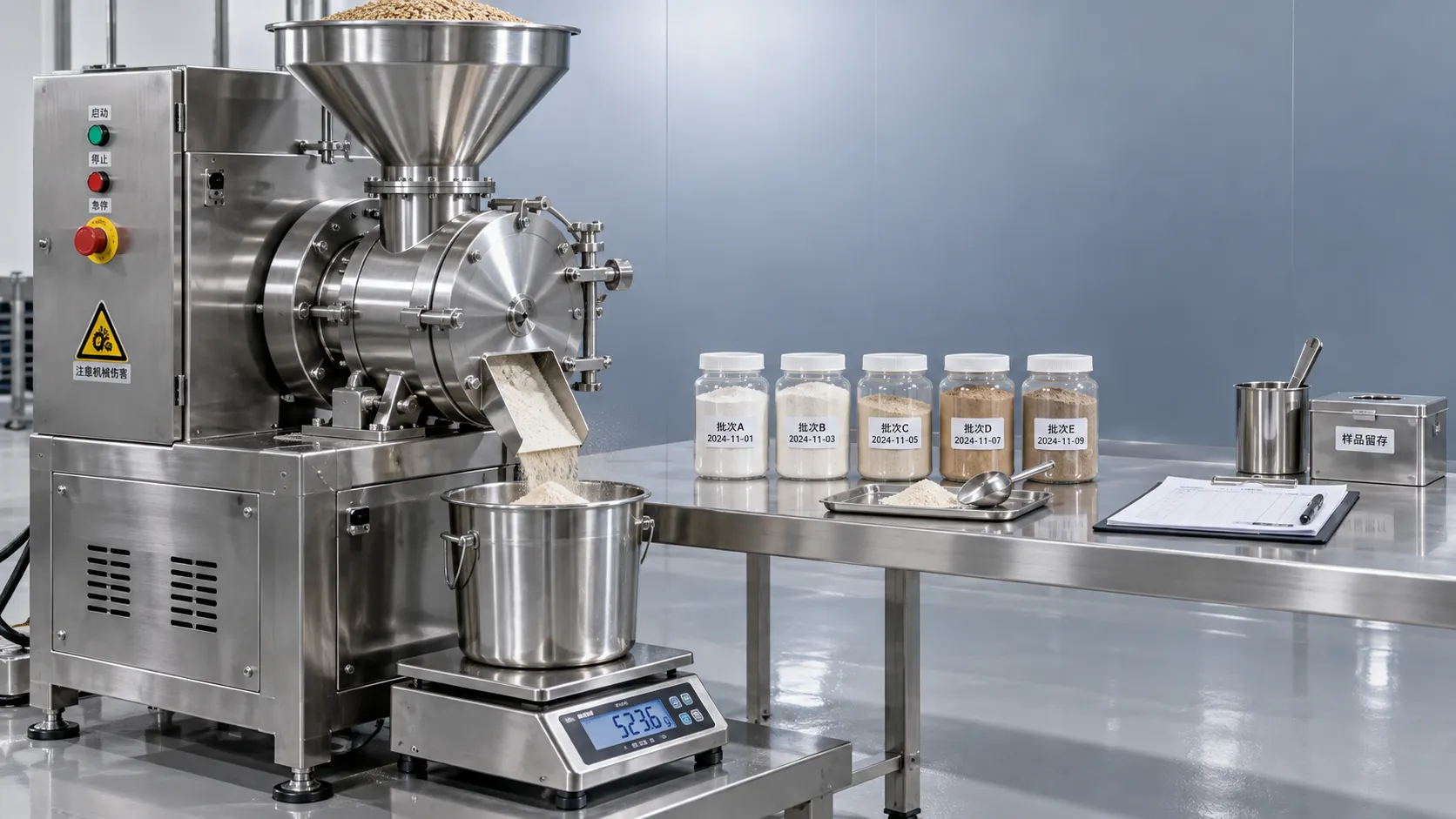
How to vet ingredient processing equipment manufacturers using trials
Vet ingredient processing equipment manufacturers with real-world trials. Learn how to verify yield, cleaning, energy use, and scale-up before you invest.
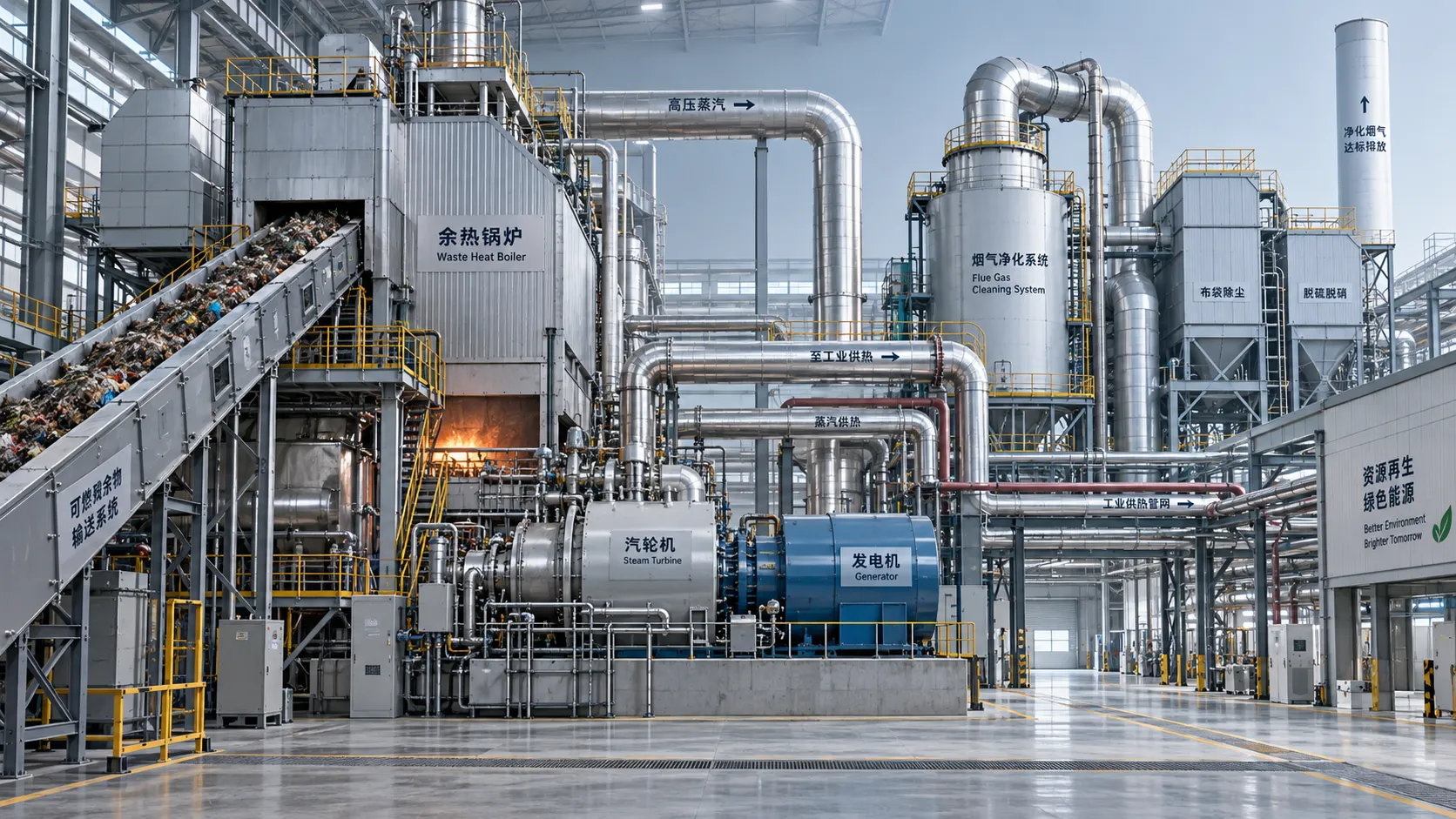
When is energy recovery viable in the solid waste recovery process?
When is energy recovery viable in the solid waste recovery process? Explore feedstock quality, net energy, emissions, and costs to assess feasibility and make smarter investment decisions.
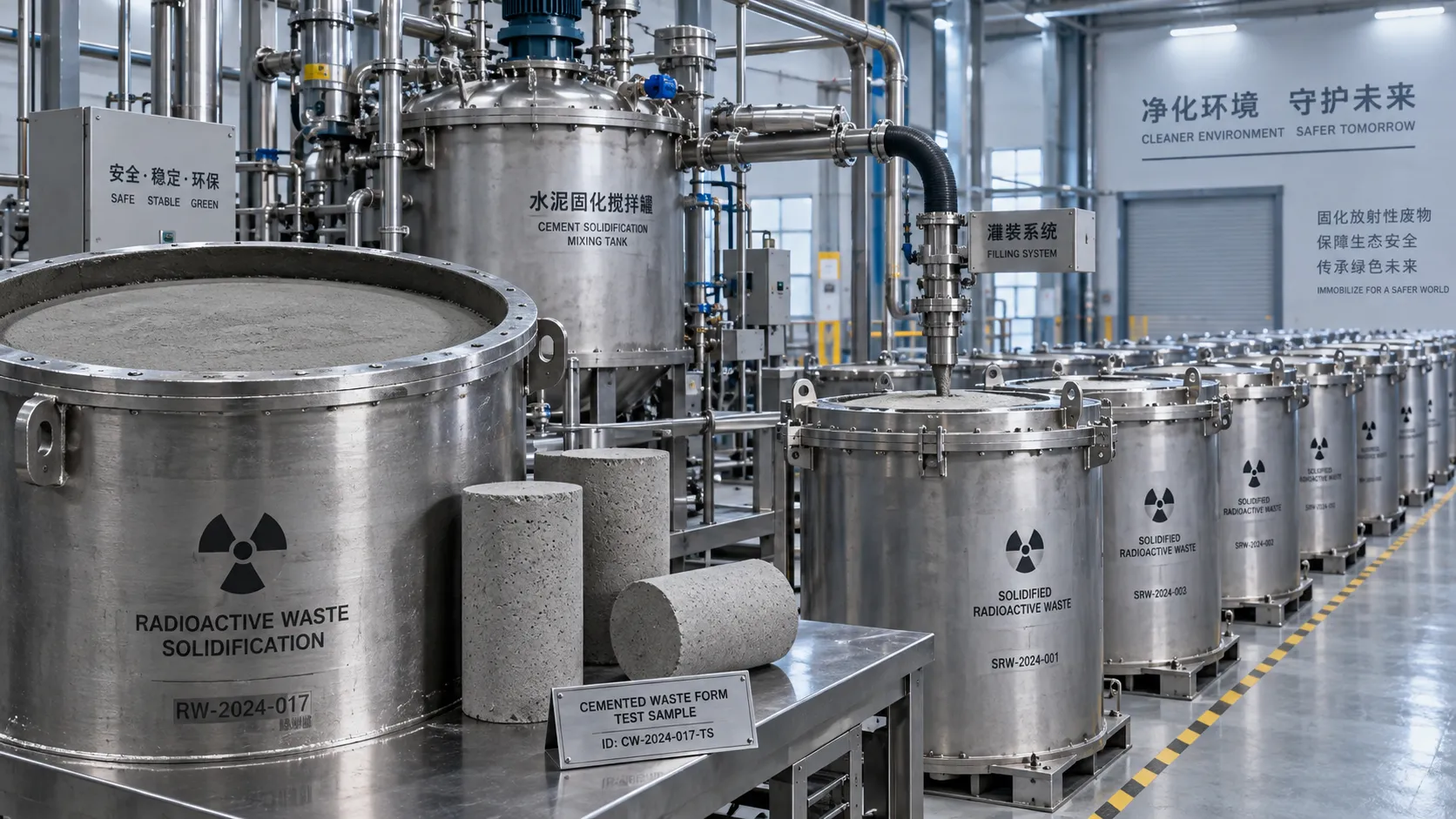
When is cementation suitable for nuclear decommissioning waste?
Explore nuclear waste treatment technology for decommissioning: learn when cementation fits, which risks to assess, and how disposal criteria guide an effective treatment choice.
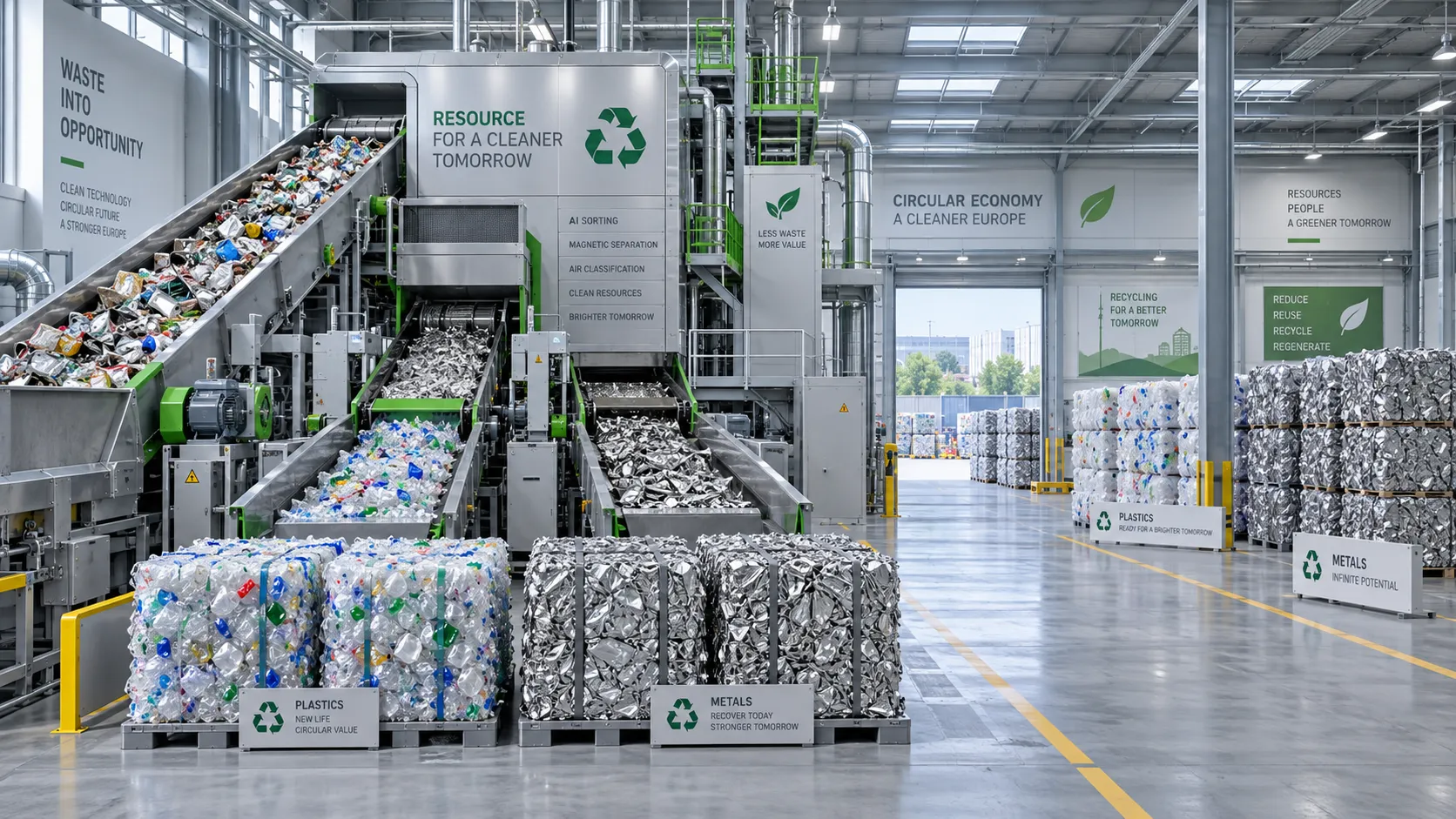
What determines payback for waste-to-resource systems in Europe?
Assess waste-to-resource systems Europe-wide: compare feedstock, recovery yields, costs and contracts to uncover payback drivers and make smarter investment decisions.
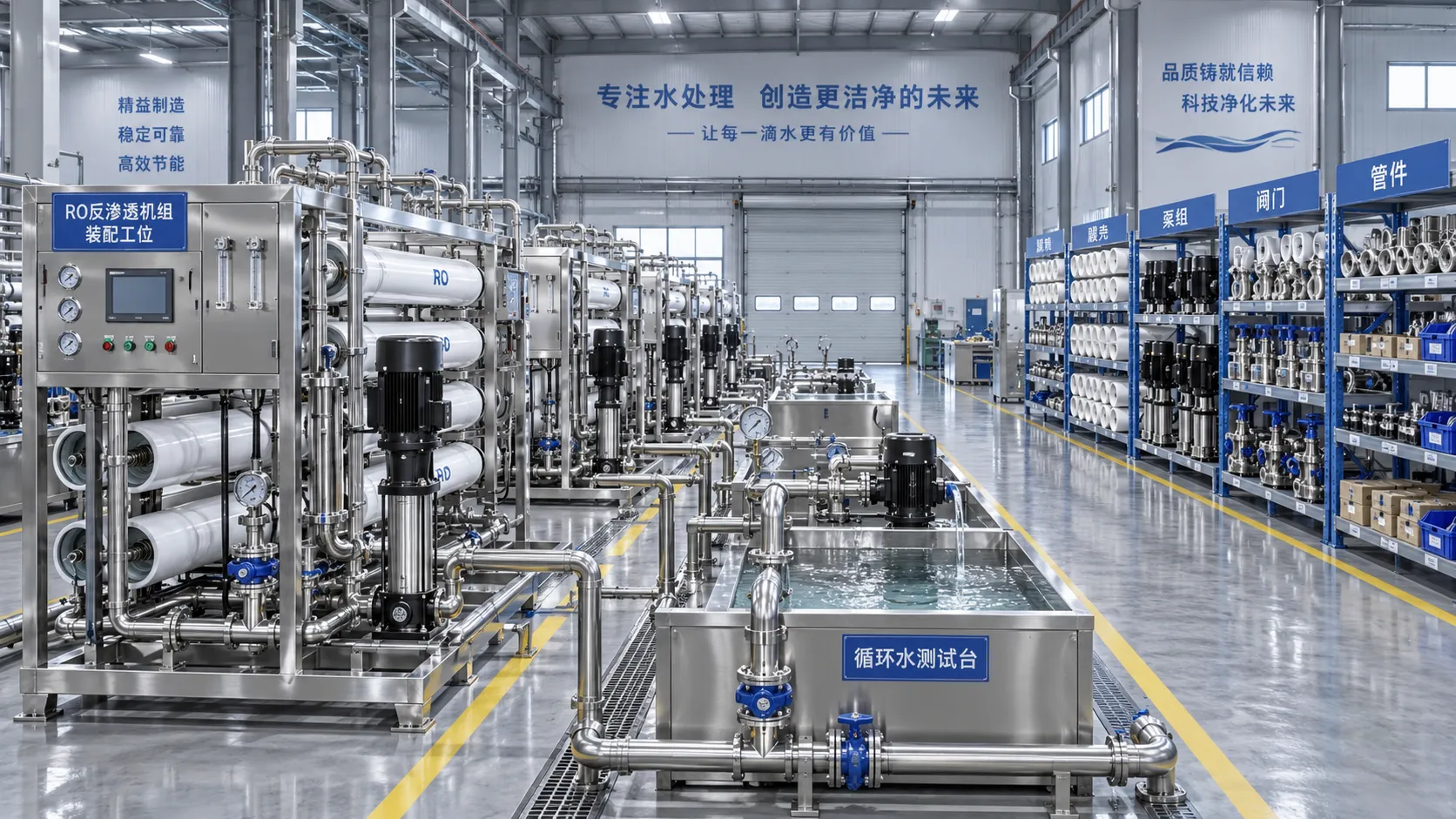
How to verify a water treatment system factory’s production capacity
Verify a water treatment systems factory’s production capacity through records, bottlenecks, component availability, and testing. Learn what to check before accepting a delivery promise.
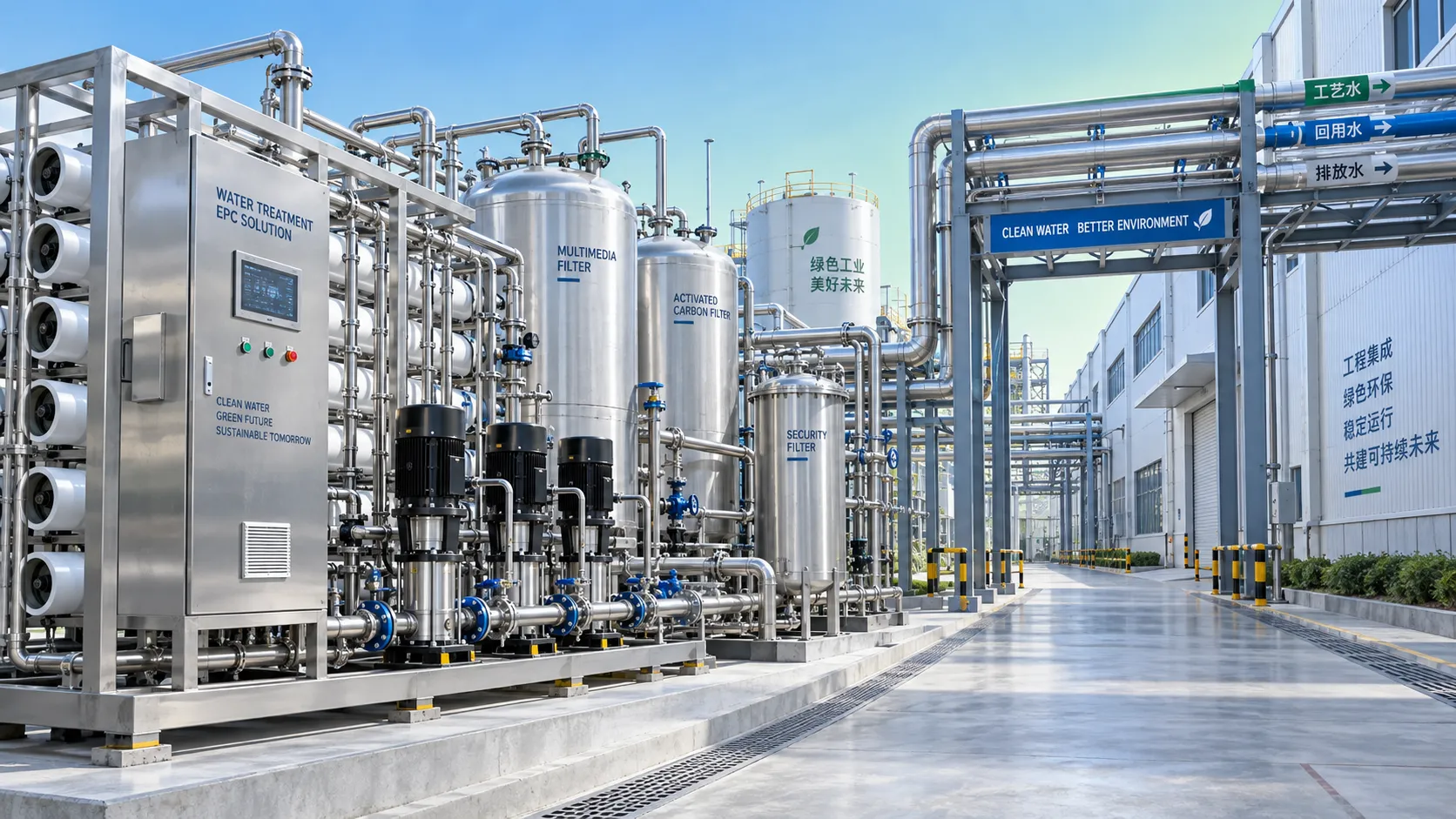
When does EPC environmental project support reduce delivery risk?
EPC environmental project support engineering reduces delivery risk by aligning design, procurement, compliance, construction, and commissioning decisions.