
Industry News
Curation by industry experts
Hot Articles
Popular Tags
Municipal Sewage Treatment Upgrades: Cost, Capacity, and Process Fit
Municipal sewage upgrades start with operating reality, not only permit targets
Municipal sewage treatment upgrades now sit at the intersection of compliance, resilience, and capital discipline.
A plant may meet yesterday’s discharge limit and still fail tomorrow’s hydraulic or energy expectations.
That is why municipal sewage decisions increasingly depend on cost, capacity, and process fit together.
In practical terms, the right upgrade path changes with sewer inflow, land pressure, sludge handling, and seasonal loading swings.
A compact urban facility faces different constraints than a regional municipal sewage plant with expansion land.
At ESD, large water treatment is viewed as part of a wider ecological engineering chain.
That perspective matters because municipal sewage upgrades affect energy use, residuals recovery, reuse options, and long-term environmental governance.
A strong upgrade strategy therefore reads the site as a system, not as an isolated equipment replacement exercise.
Why different municipal sewage sites ask for different answers
Two plants with similar flow rates can still require very different upgrade packages.
The main reason is that municipal sewage rarely arrives as a stable design-condition stream.
Older combined sewers may introduce storm dilution and hydraulic spikes.
Industrial discharge into the sewer network may push salinity, toxicity, or nutrient imbalance beyond normal biological comfort zones.
In colder regions, nitrification margins shrink exactly when tightening ammonia standards arrive.
In fast-growing cities, capacity shortfall may be more urgent than polishing performance.
More advanced municipal sewage treatment also changes upstream and downstream interfaces.
Aeration demand, chemical storage, sludge dewatering, odor control, and automation depth can all shift after the core process changes.
This is where intelligence-led evaluation becomes useful.
The best judgment usually comes from linking influent behavior, unit-process tolerance, and future compliance scenarios in one model.
Where capacity pressure dominates the municipal sewage upgrade decision
One common scenario is the plant that has simply been outgrown.
Average flow may look manageable, yet peak wet-weather flow overwhelms screens, clarifiers, and biological tanks.
In this setting, chasing tighter effluent polishing first can be the wrong sequence.
The immediate judgment point is hydraulic survivability.
Can the existing train absorb short-term surges without solids washout, aeration collapse, or bypass dependence?
For municipal sewage plants under growth pressure, high-rate primary treatment, sidestream equalization, or targeted bottleneck removal often creates more value than full process replacement.
If land is limited, intensification options such as IFAS, MBBR retrofits, or membrane polishing may deserve closer review.
Still, compactness alone should not decide the project.
Higher capacity density can increase energy load, maintenance sensitivity, and operator dependency.
A practical comparison before choosing expansion or intensification
This comparison matters because municipal sewage capacity problems are often disguised as biological treatment problems.
When discharge tightening changes the process fit
Another frequent situation appears when the plant still handles flow, but cannot reliably meet new nitrogen, phosphorus, or reuse thresholds.
Here the key issue is not only treatment efficiency.
The real question is whether the existing municipal sewage process can maintain compliance under variable loading and seasonal shifts.
For example, adding tertiary filtration may reduce solids and phosphorus, yet it does little if upstream biological instability keeps ammonia excursions frequent.
Likewise, chemical phosphorus removal can close a permit gap quickly, but sludge production and chemical dependency may climb.
In actual municipal sewage upgrades, the better decision often comes from examining process resilience.
How much buffer exists in sludge age, dissolved oxygen control, carbon availability, and return flow management?
Where future reuse or water scarcity is part of city planning, polishing steps need a wider view.
That may include pathogen barriers, micro-pollutant reduction, or salinity management, not only conventional municipal sewage indicators.
Sites with unstable influent need tolerance more than peak efficiency
Some municipal sewage systems live with chronic influent variability.
Tourism-driven populations, mixed industrial sewer users, and aging collection networks can all distort normal design assumptions.
In these cases, selecting a process because it performs well under steady pilot conditions can be misleading.
A more useful judgment is tolerance to shock, recovery speed, and control complexity.
For municipal sewage plants exposed to salinity shifts or inhibitory compounds, pretreatment enforcement and sewer source control may be more effective than overdesigning the bioreactor.
Where carbon deficiency limits denitrification, sidestream carbon strategies or process rebalancing may outperform adding new tanks alone.
ESD’s broader ecological engineering lens is useful here.
Municipal sewage performance should be read together with upstream industrial behavior and downstream residual handling, not as a single-unit problem.
What different municipal sewage scenarios tend to prioritize
- Dense city plants usually prioritize footprint, odor control, phased construction, and low disruption.
- Cold-climate municipal sewage facilities focus more on nitrification security and winter energy burden.
- Industrial-mixed sewers place higher value on toxicity buffering, online monitoring, and pretreatment discipline.
- Water reuse projects pay closer attention to tertiary barriers, membrane fouling risk, and concentrate management.
- Budget-constrained upgrades often favor modular steps that delay major civil reconstruction.
Cost in municipal sewage projects should be read across the full operating chain
A frequent misjudgment is to compare municipal sewage options by procurement price alone.
That may hide the real financial shape of the project.
Energy intensity, membrane replacement, blower efficiency, chemical demand, sludge hauling, and unplanned shutdown risk often dominate lifecycle cost.
This becomes especially important when the upgrade seems technically elegant but moves cost pressure to another part of the plant.
For example, improved municipal sewage nutrient removal may increase sludge production or polymer demand.
A compact tertiary train may save land while raising maintenance skill requirements.
The stronger approach is to map cost by decision layer:
- Civil and retrofit disruption cost during construction.
- Mechanical and electrical energy demand after commissioning.
- Consumables, spare parts, and instrumentation upkeep.
- Residuals management, especially sludge and screening disposal.
- Compliance risk cost if the municipal sewage process has narrow operating margins.
Viewed this way, process fit often becomes the cheapest path over time.
The easiest mistakes usually happen before detailed design
Several upgrade errors appear again and again in municipal sewage planning.
The first is copying a nearby project without confirming whether influent behavior is actually comparable.
The second is treating design flow as the same thing as peak hydraulic stress.
The third is assuming a tighter municipal sewage standard automatically justifies the most advanced process.
In many cases, a well-balanced retrofit outperforms a more complex replacement train.
Another missed issue is compatibility with existing assets.
Old blowers, power supply limits, return sludge pumping, and control architecture can all restrict what looks feasible on paper.
For municipal sewage plants moving toward digitalized operation, sensor reliability and data quality deserve equal attention.
Automation helps only when calibration, cleaning, and response logic are realistic for site conditions.
A better next step is to build a municipal sewage fit matrix
Before locking the upgrade route, it is useful to create a simple fit matrix for the site.
List actual influent variability, peak flow behavior, land limits, effluent targets, sludge consequences, and operating skill requirements.
Then compare each municipal sewage option against those conditions, not only against brochure performance.
In practice, the strongest path is often the one that keeps compliance margins wide while staying buildable and maintainable.
That is also the logic behind ESD’s intelligence approach across water, recovery, desalination, and other environmental infrastructure sectors.
The objective is not to chase the most sophisticated municipal sewage technology in isolation.
It is to confirm where process fit, lifecycle cost, and future compliance remain aligned.
A disciplined next step is to review current bottlenecks, test upgrade scenarios, and rank them by risk, adaptability, and full-chain operating cost.
That usually leads to better municipal sewage decisions than relying on nominal capacity or headline removal rates alone.
Recommended News
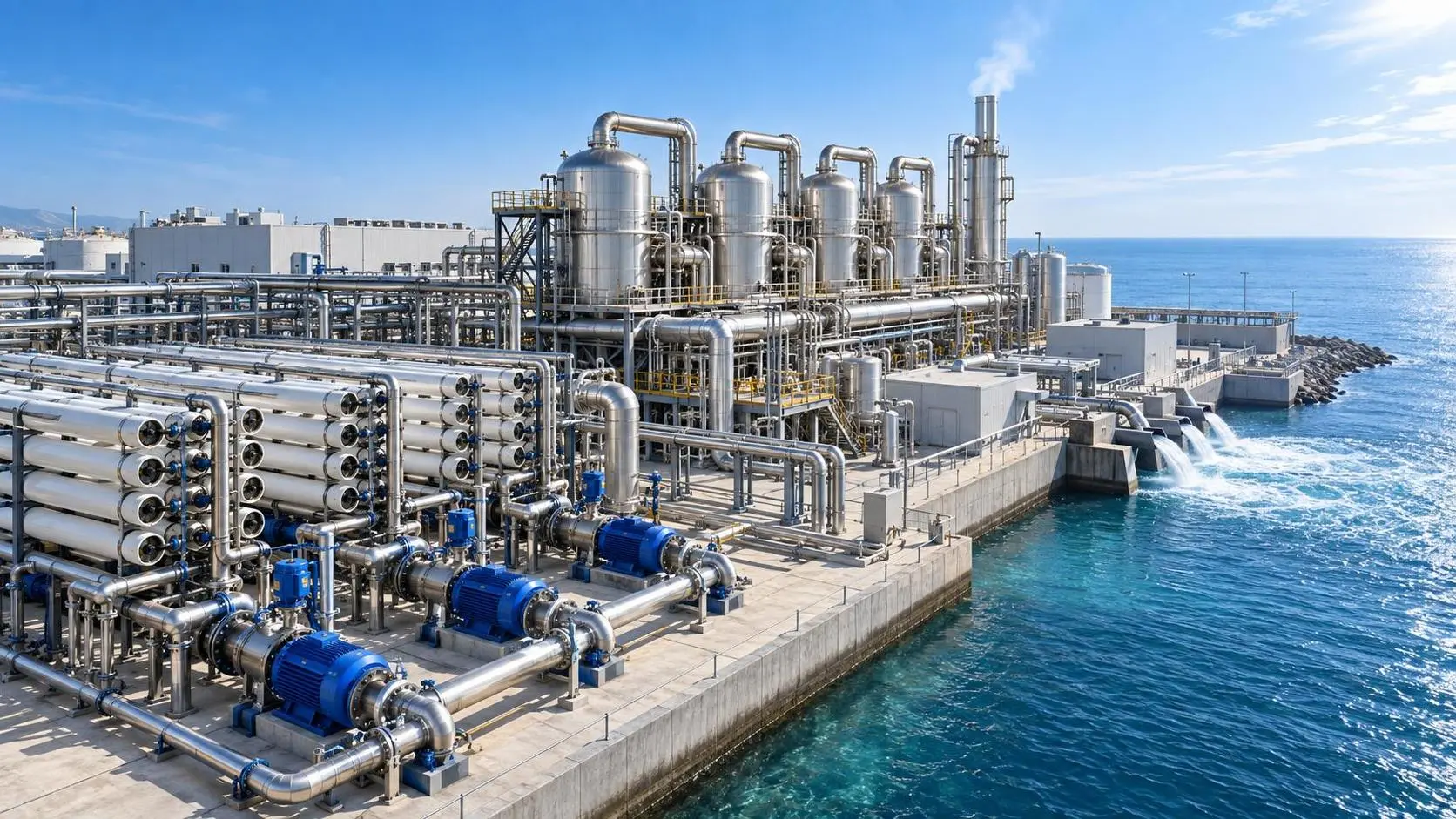
RO vs MED desalination: which is more energy-efficient at scale?
Desalination technology comparison: RO vs MED at scale. See how energy use, waste heat, feedwater, carbon, and flexibility determine the best choice.
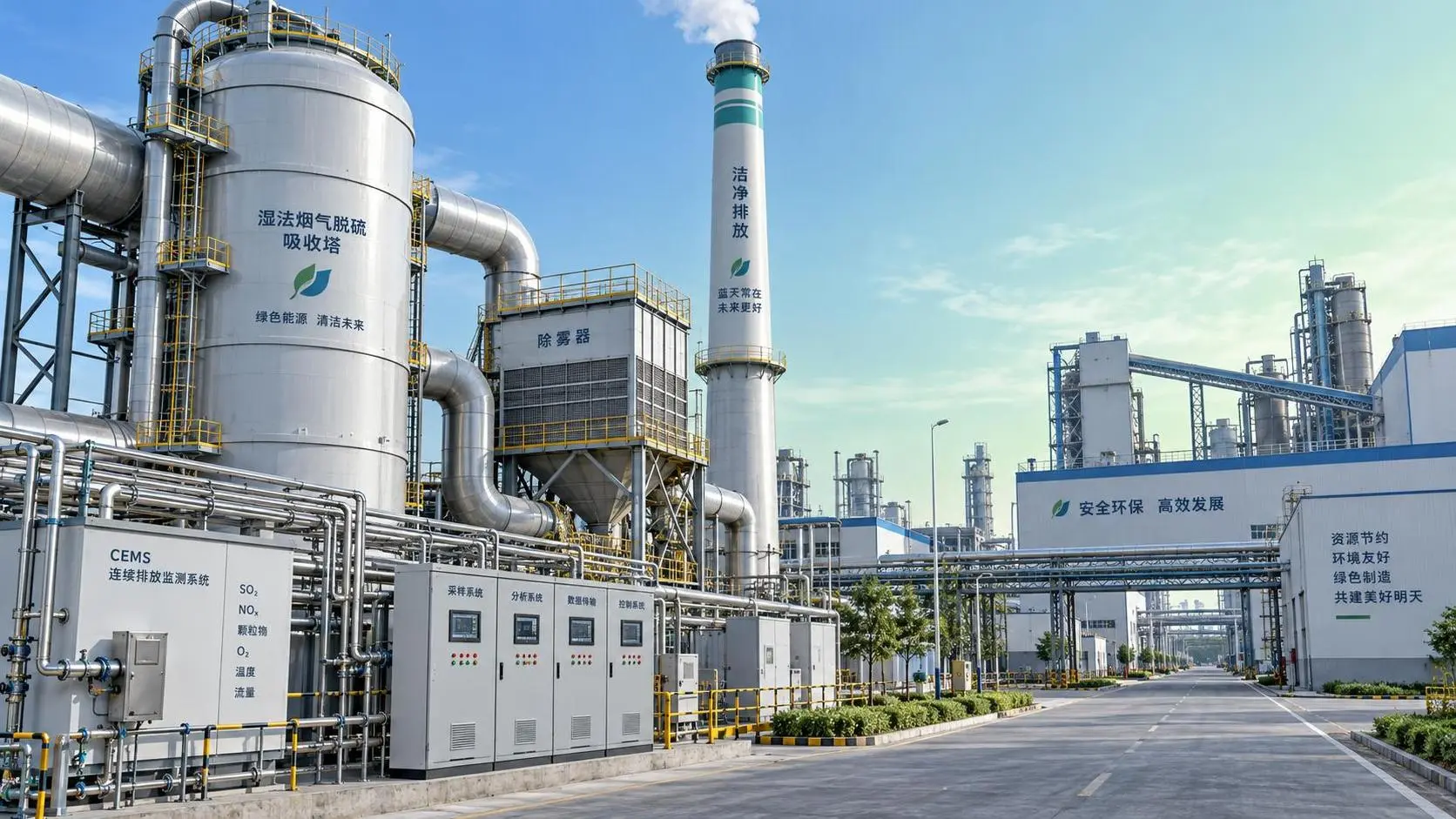
Which ISO standards apply to flue gas treatment systems?
Flue gas treatment systems ISO standards: explore key requirements for emissions testing, CEMS, safety, fabrication, corrosion control, and compliant project evaluation.

When corrosion resistant purification systems are needed for brine treatment
Corrosion resistant purification systems for brine treatment: assess chloride, heat, scaling, materials, and lifecycle reliability for demanding water projects.

How preventive maintenance reduces seawater desalination equipment downtime
Seawater desalination equipment maintenance reduces downtime through proactive monitoring, pretreatment protection, and planned repairs. Explore practical strategies for reliable RO performance.
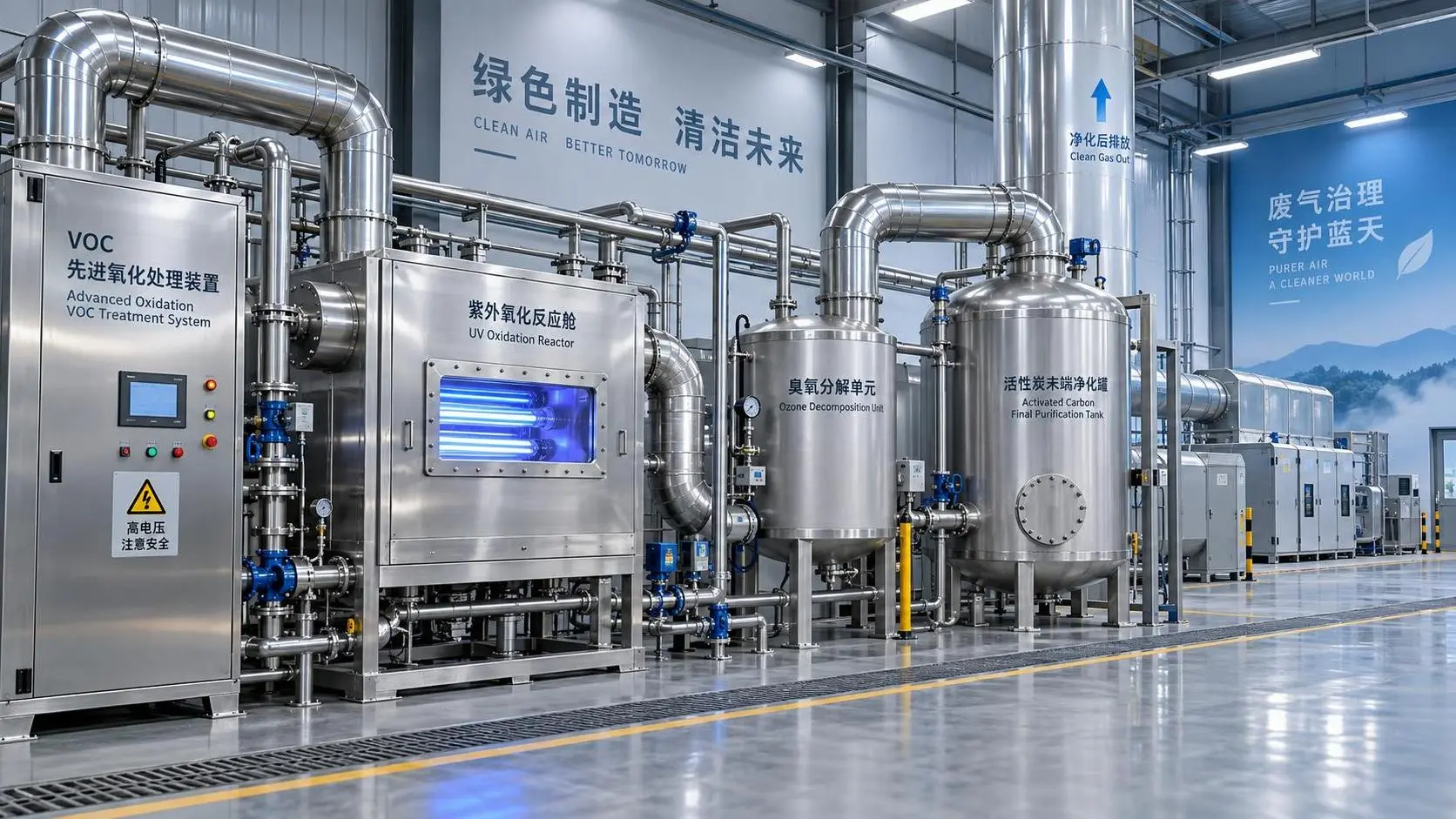
When are advanced oxidation processes the right choice for VOC control?
Advanced oxidation processes for VOC control: learn when AOPs outperform conventional options, manage by-products, and achieve reliable compliance.
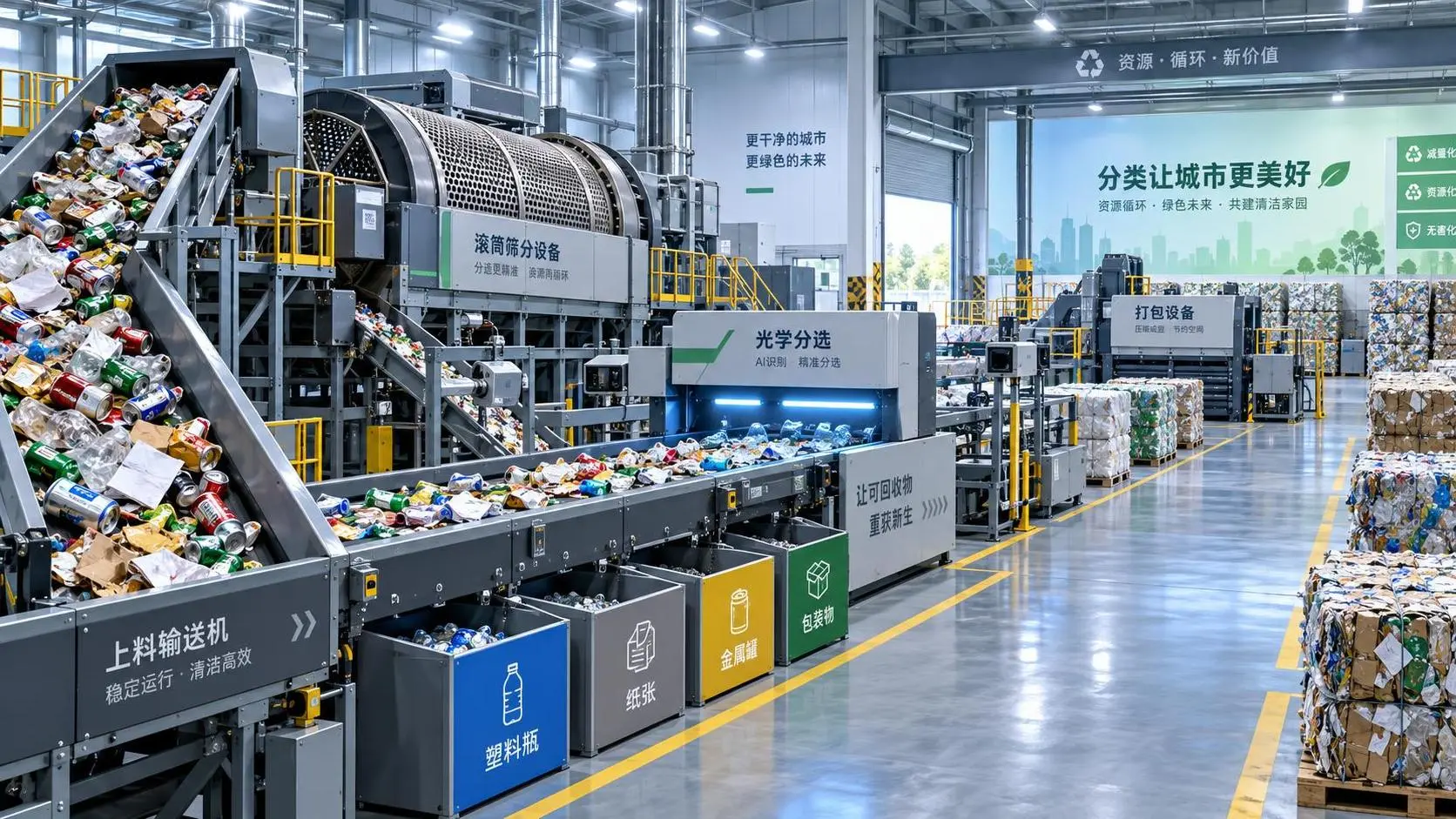
What throughput should municipal waste sorting equipment deliver?
Waste sorting equipment for municipal waste: learn how to set reliable throughput based on peak loads, material quality, uptime, and recovery targets.

What carbon neutrality means for corporate investment decisions
Carbon neutrality is transforming corporate investment decisions. Explore how lifecycle economics, efficiency, compliance, and resilience can drive measurable returns and lasting advantage.
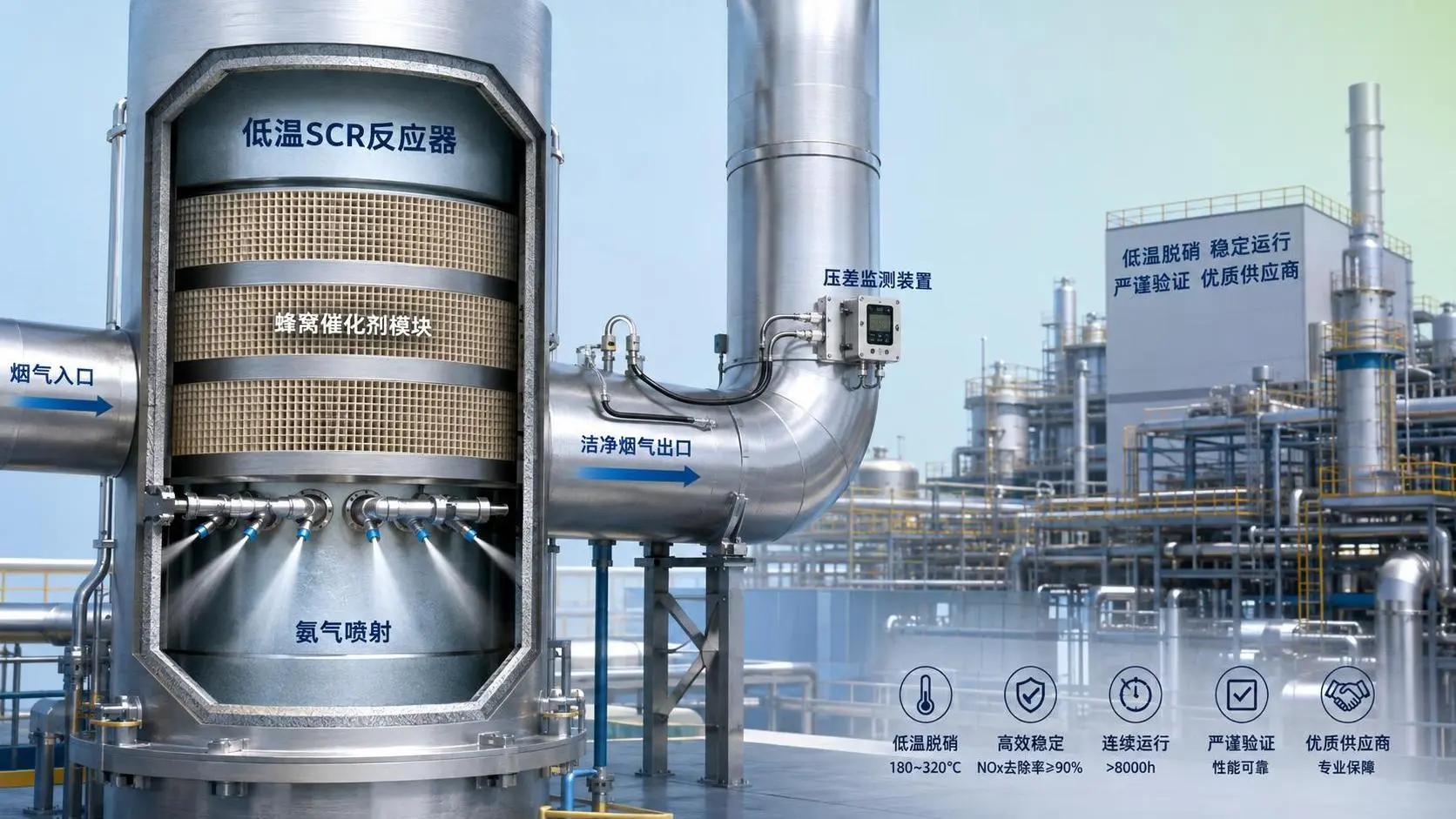
What to verify before choosing a low temperature SCR supplier
Low temperature SCR supplier checklist: verify catalyst temperature range, sulfur resistance, ammonia slip, pressure drop, lifecycle cost, and support before award.
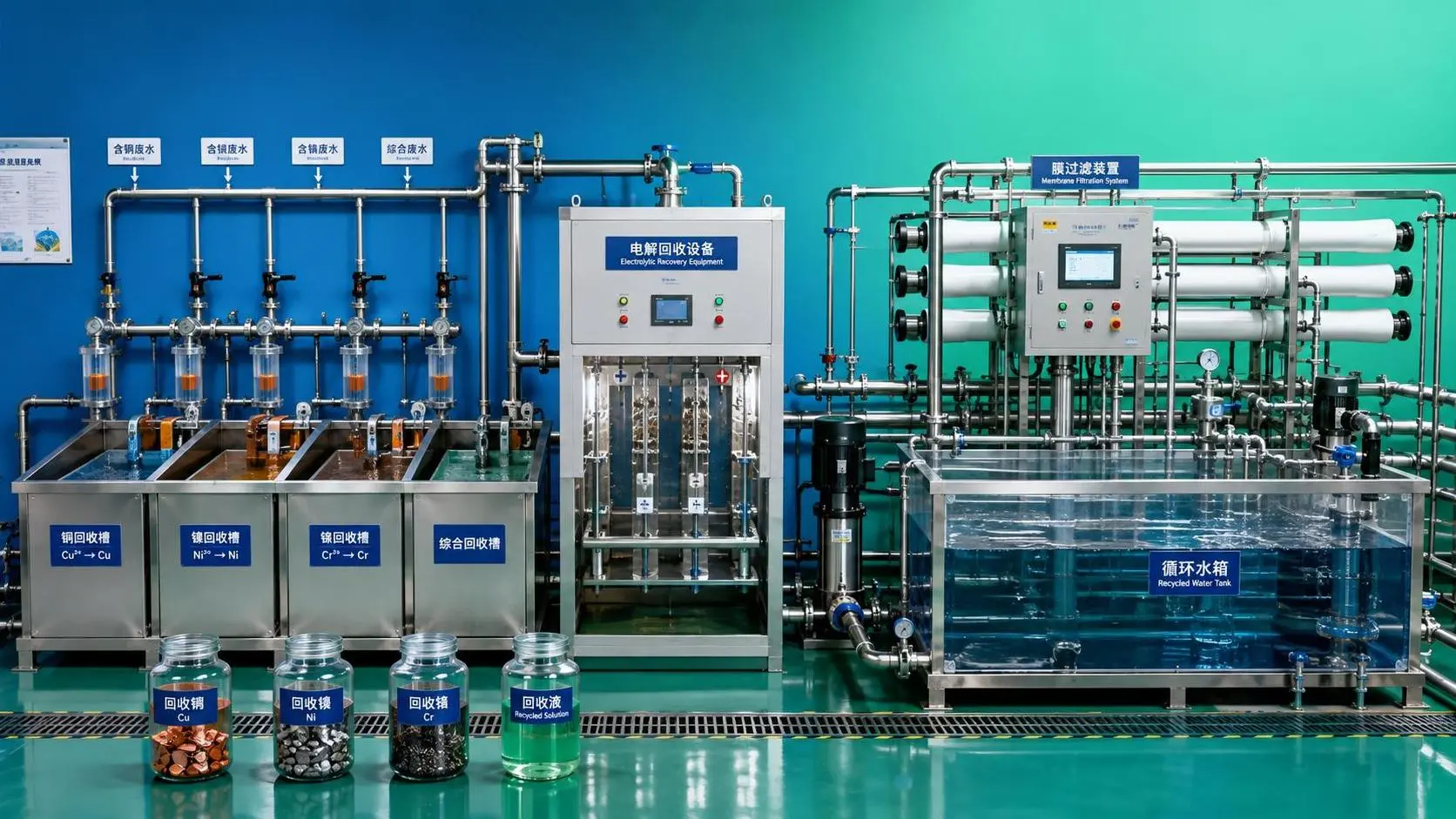
How closed-loop resource recovery for electroplating cuts metal waste
Closed-loop resource recovery for electroplating reduces metal waste, sludge, and water use through smarter stream segregation, recovery, and reuse strategies.