
Industry News
Curation by industry experts
Hot Articles
Popular Tags
Nuclear Waste Management: Cost, Risk, and Disposal Path Choices
Nuclear Waste Management: Cost, Risk, and Disposal Path Choices
Nuclear waste management is no longer a technical afterthought but a board-level decision shaped by cost exposure, long-term risk, and disposal path selection.
For organizations balancing compliance, capital deployment, and energy strategy, the topic now sits close to investment approval and operational resilience.
That shift matters because every waste stream creates a different cost curve, risk profile, and infrastructure requirement over decades.
In practice, nuclear waste management is not one purchase. It is a chain of choices covering classification, conditioning, storage, transport, treatment, and final disposal.
The strongest decisions usually come from comparing lifecycle economics with regulatory certainty, vendor capability, and public acceptance from the start.
Why nuclear waste management has become a cost leadership issue
The old view treated disposal as a distant backend obligation. That view is breaking down fast.
Today, nuclear waste management affects permitting schedules, financing confidence, insurance assumptions, and the total cost of nuclear energy assets.
A cheaper option at the front end can become expensive later if it increases repackaging, transportation complexity, or repository acceptance risk.
More noticeably, regulators are demanding tighter traceability, stronger containment evidence, and clearer end-of-life accountability.
That means procurement teams must evaluate nuclear waste management systems as long-duration risk controls, not just as isolated treatment equipment purchases.
The main cost drivers to watch
- Waste characterization accuracy, including radiological and chemical profiling
- Conditioning method, such as compaction, encapsulation, cementation, or vitrification
- Interim storage duration and related monitoring infrastructure
- Transport packaging, route security, and licensing requirements
- Final disposal pathway and repository acceptance criteria
- Future liabilities linked to retrieval, rework, or policy changes
Comparing disposal path choices in nuclear waste management
Not all disposal routes solve the same problem. The right path depends on waste class, national policy, site conditions, and time horizon.
In real projects, the question is rarely “Which technology is best?” It is usually “Which pathway stays viable under future regulation and cost pressure?”
Near-surface disposal
This option often fits low-level waste and some short-lived intermediate waste. It can be more economical and simpler to license.
However, it depends heavily on waste stability, engineered barriers, and long-term institutional control. It is not suitable for high-level waste.
Deep geological disposal
For high-level waste and spent fuel, deep geological disposal remains the reference endpoint in many national programs.
Its strength is long-term isolation. Its challenge is capital intensity, political complexity, and very long development timelines.
From a procurement perspective, nuclear waste management planning must align storage systems with eventual repository specifications years in advance.
Centralized interim storage
This route buys time where final disposal infrastructure is delayed. It can reduce duplication across sites and improve handling consistency.
Still, interim storage is not a substitute for end-state strategy. Delays can compound financing costs and public trust issues.
Reprocessing-linked pathways
Some programs recover usable materials from spent fuel, then stabilize the remaining high-level fractions, often through vitrification.
This can reduce volume and recover value, but it introduces processing complexity, policy sensitivity, and different security obligations.
Treatment and conditioning choices that change total cost
Treatment is where many nuclear waste management budgets either gain discipline or lose control.
The goal is not only to reduce volume. It is to produce a stable waste form that remains compliant during storage, transport, and disposal.
Compaction and supercompaction
These methods cut disposal volume for compressible low-level waste. They are often attractive where disposal space is expensive.
But volume reduction alone is not enough if the resulting package fails handling, shielding, or acceptance requirements.
Cementation and encapsulation
These are widely used in nuclear waste management for immobilizing certain liquid, sludge, or solid waste streams.
They are mature and practical, but performance depends on chemistry control, void minimization, and long-term durability under repository conditions.
Vitrification
Vitrification is central for many high-level waste strategies because it locks radionuclides into a durable glass matrix.
It offers strong stability and repository compatibility, but it requires sophisticated thermal systems, process control, and qualified canister handling.
For buyers, the key is to assess the full operating model, not only the melter price or throughput headline.
Risk evaluation: what matters beyond compliance
Compliance is the baseline. Real resilience comes from understanding where nuclear waste management failures create cascading business impacts.
These impacts can spread across licensing, community acceptance, financing, operations, and even corporate reputation in energy transition markets.
Five risks that deserve early scoring
- Repository mismatch risk if current waste packages fail future acceptance rules
- Storage extension risk if interim facilities outlive their original design assumptions
- Technology lock-in risk from selecting inflexible conditioning systems
- Cross-border policy risk where transport or disposal depends on international arrangements
- Vendor continuity risk for specialized containers, hot cells, monitoring, and maintenance
A useful procurement model tests each risk against best case, base case, and delayed-disposal scenarios. That approach exposes hidden lifetime cost faster.
How to evaluate suppliers for nuclear waste management projects
Supplier selection in nuclear waste management should go well beyond technical brochures and reference lists.
The better approach is to check how each vendor supports the full waste journey, including qualification, auditability, and change management.
A practical due diligence checklist
- Verify experience with the same waste category and radiation environment
- Check compatibility with national disposal and transport regulations
- Review process stability, maintenance needs, and remote handling design
- Confirm digital traceability for package history, monitoring, and reporting
- Examine contingency support for off-spec waste, outages, and repackaging events
- Assess long-term service capacity, spare parts access, and cybersecurity discipline
This is where intelligence-led platforms such as ESD add value by connecting equipment performance, regulatory direction, and market readiness in one decision view.
Building a better business case for nuclear waste management
A strong business case makes trade-offs visible early. It also keeps safety and cost from being framed as competing goals.
In most cases, the winning nuclear waste management strategy is the one that remains acceptable under stricter regulation and longer storage periods.
That usually means modeling total lifecycle cost rather than choosing the lowest initial capital number.
Focus the investment case on these questions
- Will this solution still work if disposal is delayed by ten or twenty years?
- Does it reduce repackaging, secondary waste, or future handling steps?
- Can it adapt to changing waste composition and tighter reporting rules?
- Does it improve insurability, financing confidence, or stakeholder trust?
- Will the vendor remain technically and commercially reliable over the asset life?
From a strategy standpoint, nuclear waste management works best when it is integrated with site planning, decommissioning logic, and environmental governance.
That is especially true for organizations entering new nuclear projects or expanding advanced treatment and storage capacity.
The clearest signal in the market is simple: delay increases uncertainty, and uncertainty raises cost.
The smarter path is to evaluate nuclear waste management as a long-term system decision, then buy technologies and services that preserve optionality, safety, and compliance strength over time.
Recommended News

When high flux membrane water treatment justifies a larger footprint
High flux membrane water treatment can justify a larger footprint when variable feedwater, fouling risk, and uptime demands require resilient, lower-flux operation.
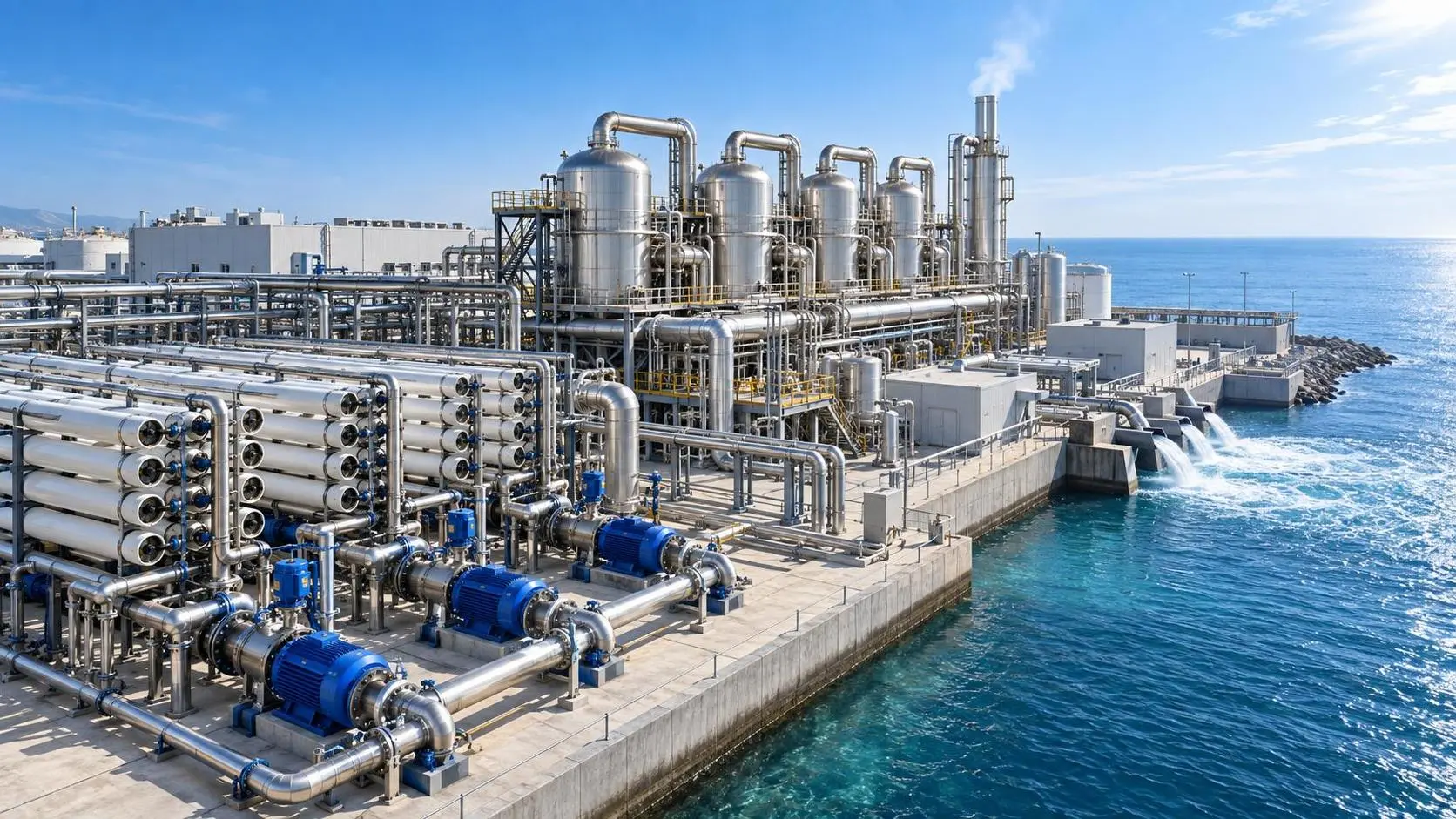
RO vs MED desalination: which is more energy-efficient at scale?
Desalination technology comparison: RO vs MED at scale. See how energy use, waste heat, feedwater, carbon, and flexibility determine the best choice.
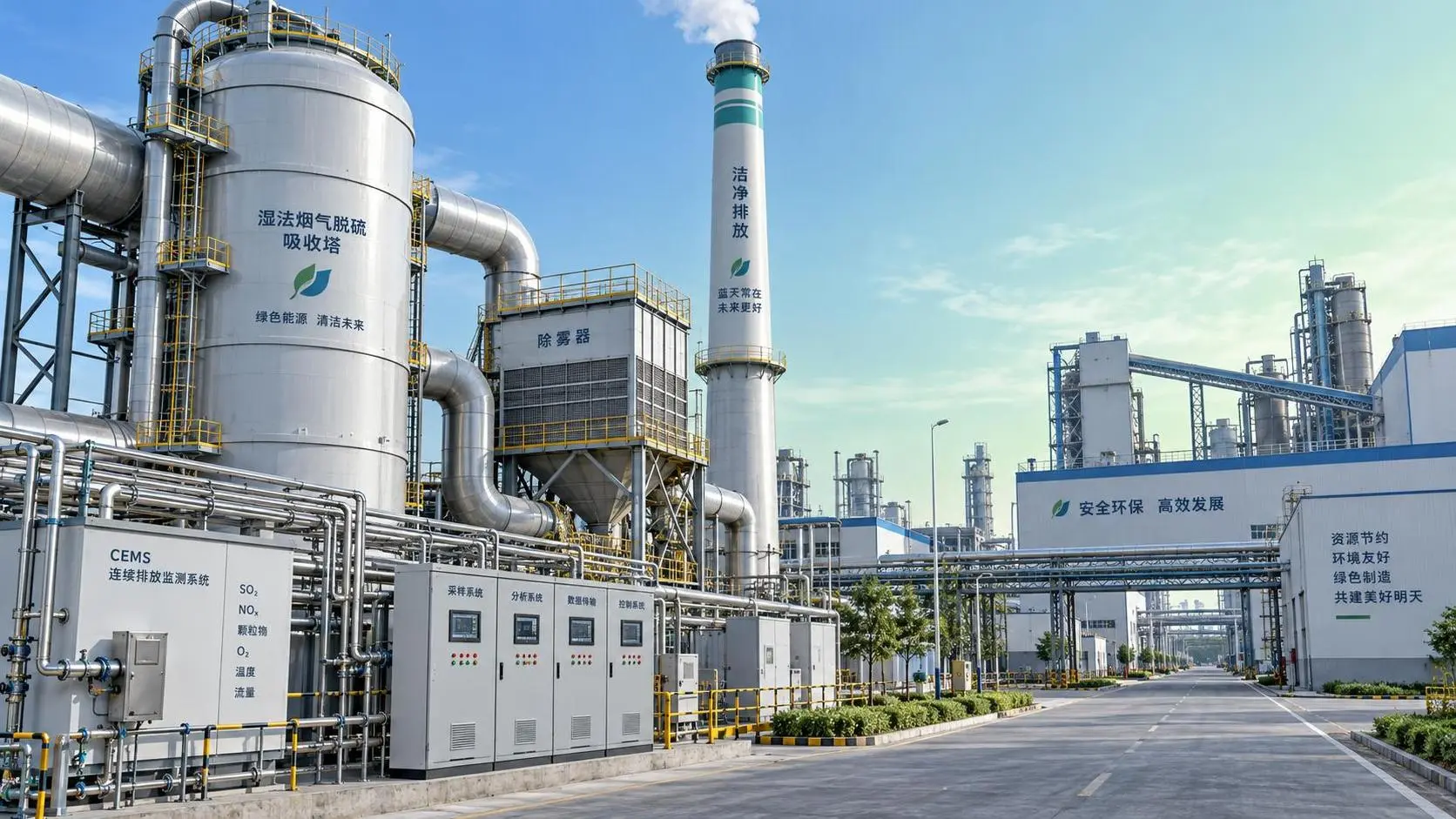
Which ISO standards apply to flue gas treatment systems?
Flue gas treatment systems ISO standards: explore key requirements for emissions testing, CEMS, safety, fabrication, corrosion control, and compliant project evaluation.

When corrosion resistant purification systems are needed for brine treatment
Corrosion resistant purification systems for brine treatment: assess chloride, heat, scaling, materials, and lifecycle reliability for demanding water projects.

How preventive maintenance reduces seawater desalination equipment downtime
Seawater desalination equipment maintenance reduces downtime through proactive monitoring, pretreatment protection, and planned repairs. Explore practical strategies for reliable RO performance.
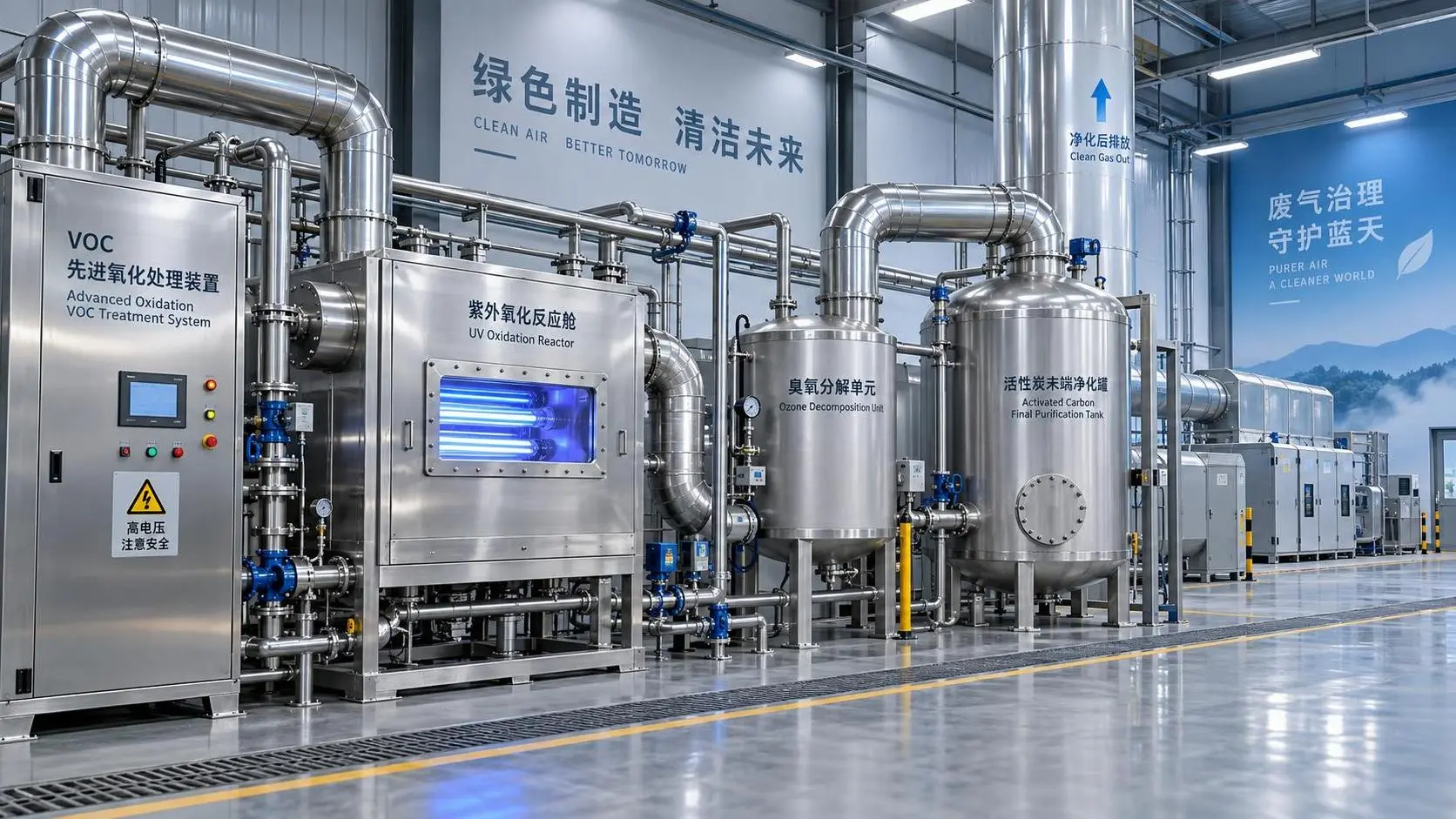
When are advanced oxidation processes the right choice for VOC control?
Advanced oxidation processes for VOC control: learn when AOPs outperform conventional options, manage by-products, and achieve reliable compliance.
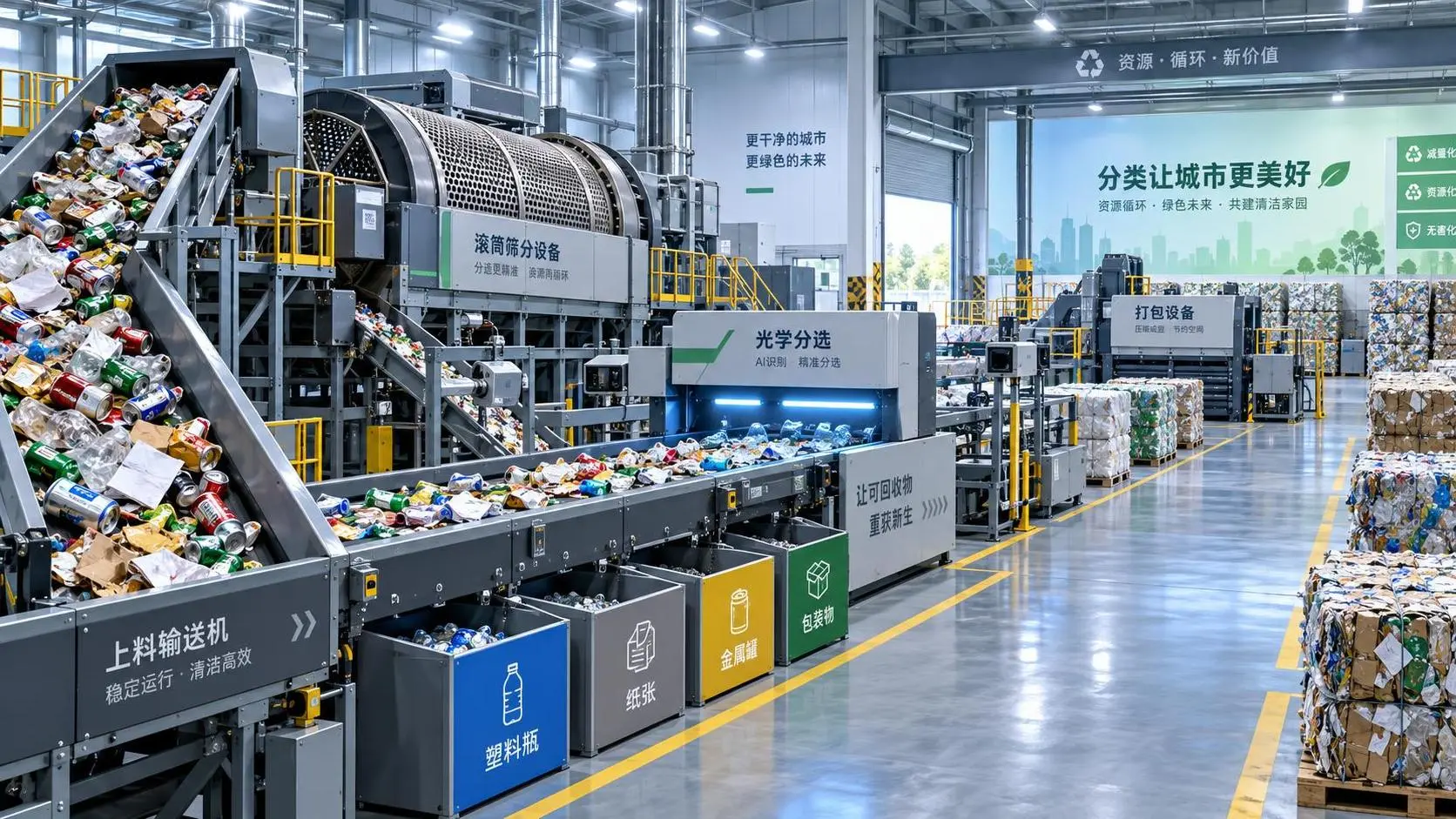
What throughput should municipal waste sorting equipment deliver?
Waste sorting equipment for municipal waste: learn how to set reliable throughput based on peak loads, material quality, uptime, and recovery targets.
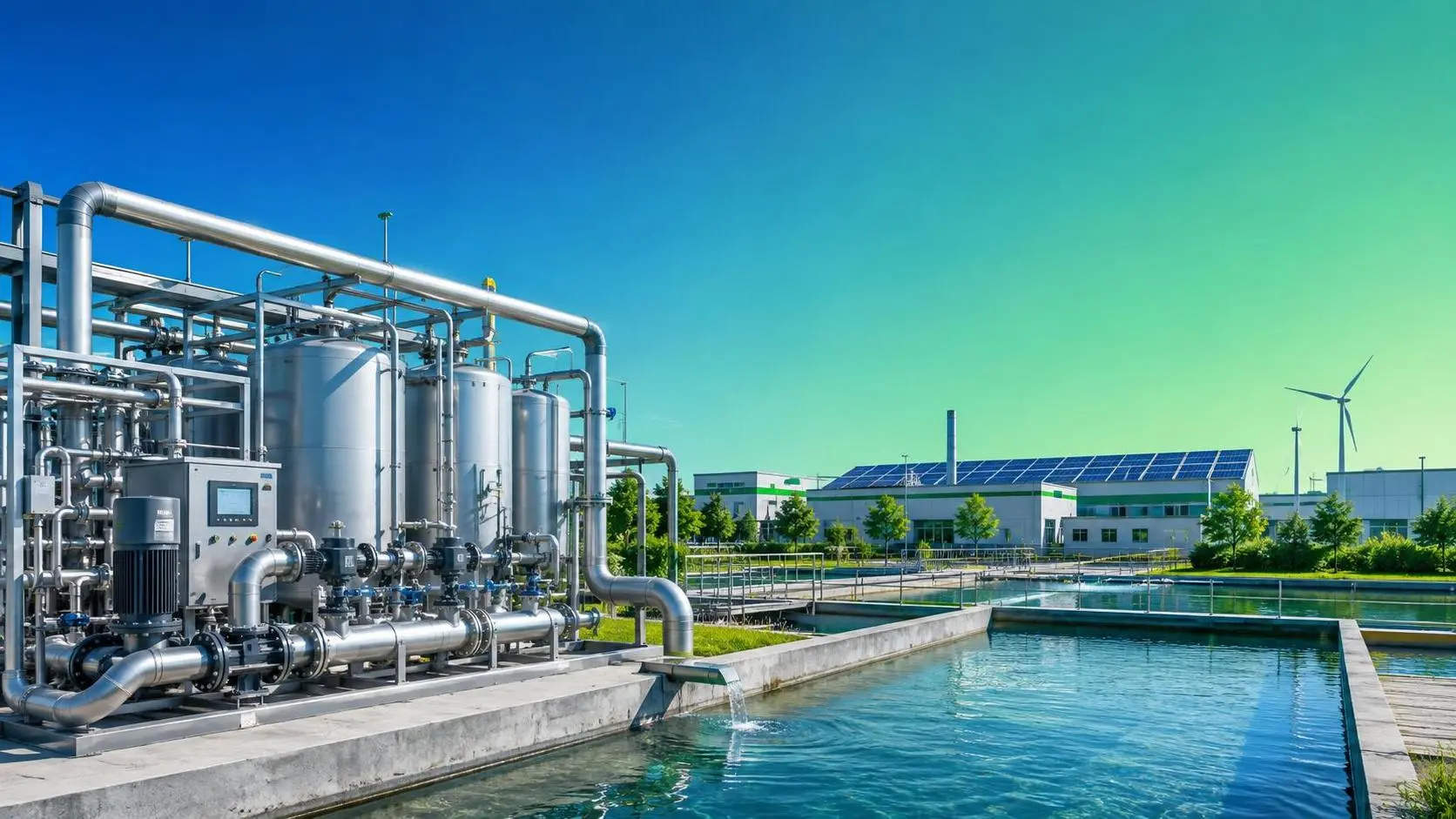
What carbon neutrality means for corporate investment decisions
Carbon neutrality is transforming corporate investment decisions. Explore how lifecycle economics, efficiency, compliance, and resilience can drive measurable returns and lasting advantage.
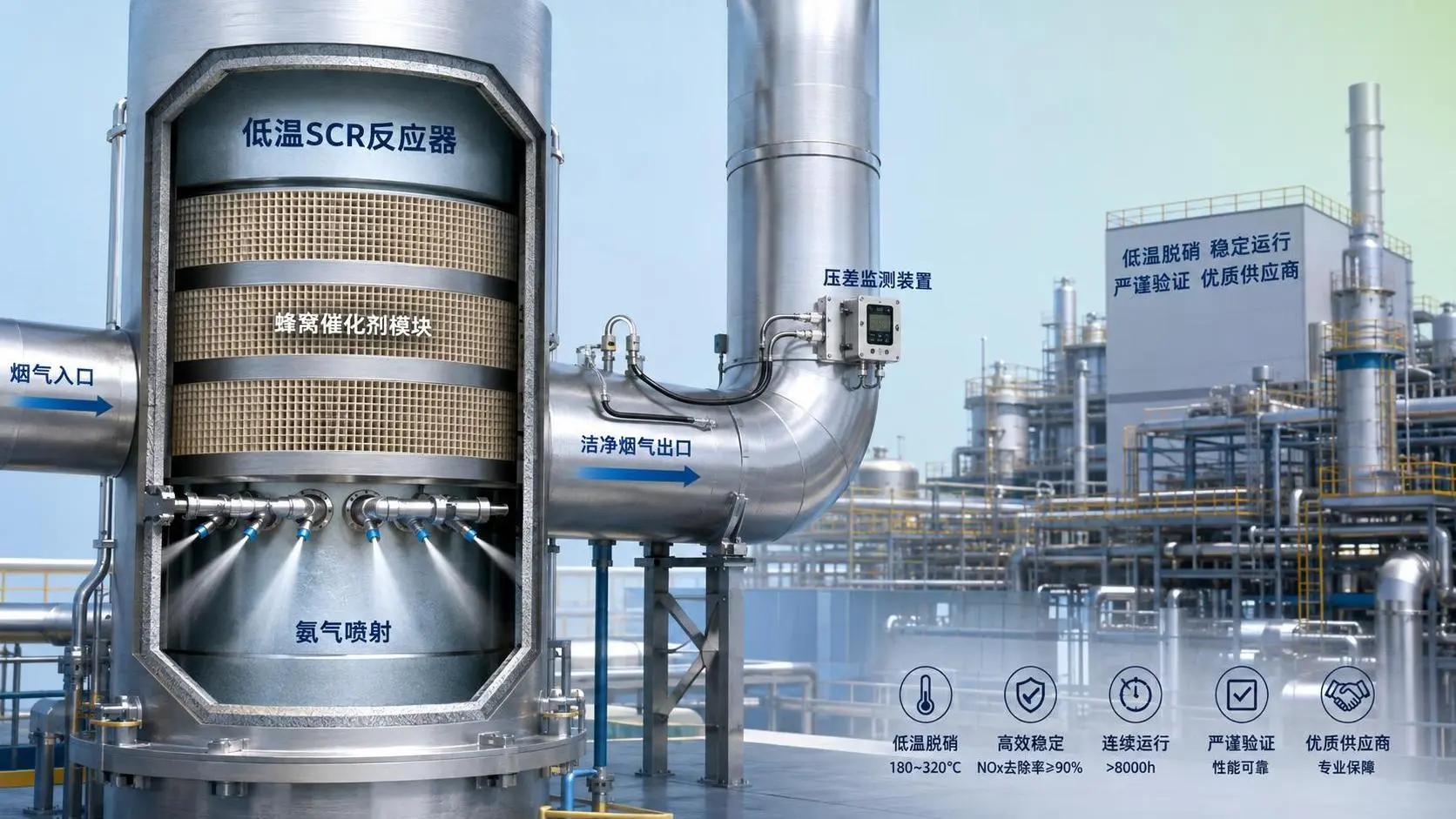
What to verify before choosing a low temperature SCR supplier
Low temperature SCR supplier checklist: verify catalyst temperature range, sulfur resistance, ammonia slip, pressure drop, lifecycle cost, and support before award.