
Industry News
Curation by industry experts
Hot Articles
Popular Tags
Pyrolysis Technology: Yield, Energy Use, and Payback
For business evaluators, pyrolysis technology is no longer just a waste-to-resource concept—it is a capital decision shaped by yield, energy use, compliance risk, and payback time. This article examines how technical performance translates into commercial value, helping decision-makers compare project viability, operating efficiency, and long-term returns in an increasingly regulated circular economy landscape.
Why a checklist approach improves pyrolysis technology evaluation
Pyrolysis projects often look attractive in headline presentations. Yet commercial outcomes depend on feedstock stability, thermal efficiency, product upgrading, emissions control, and offtake certainty.
A checklist approach prevents overreliance on nominal capacity or lab-scale yield. It forces a realistic review of mass balance, energy balance, permitting exposure, and lifecycle economics.
This matters across the broader environmental equipment sector. Platforms such as ESD track how waste recovery systems interact with compliance standards, decarbonization targets, and infrastructure financing logic.
Core checklist: how to judge yield, energy use, and payback
- Define the feedstock precisely, including moisture, ash, chlorine, particle size, and seasonal variation, because inconsistent input quickly distorts pyrolysis technology yield and operating cost.
- Verify the mass balance with independent data, separating oil, gas, char, water, and losses, rather than accepting simplified recovery claims from pilot or brochure results.
- Measure net energy use, not gross heat generation, by counting drying demand, reactor heat-up, gas cleaning, condensation, shredding, and downstream upgrading loads.
- Check whether syngas or pyrolysis gas can cover internal thermal demand, because self-sustaining operation greatly changes utility dependence and the payback profile.
- Assess product quality, not just volume, since low-grade oil with high oxygen, sulfur, or instability may require expensive hydrotreating before entering commercial markets.
- Map emissions control equipment early, including acid gas removal, particulates, VOC management, odor control, and wastewater polishing, to avoid hidden compliance capital.
- Test equipment availability assumptions using planned and unplanned downtime scenarios, because nameplate throughput rarely matches annualized production in early operating years.
- Model revenue by contracted offtake, indexed energy prices, tipping fees, and by-product value, instead of relying only on optimistic spot-market assumptions.
- Calculate payback with sensitivity bands for feedstock price, utility tariffs, labor, maintenance, catalyst use, and carbon-related compliance costs.
- Compare pyrolysis technology against mechanical recycling, RDF, gasification, incineration, or landfill avoidance to confirm it is the best-fit pathway for the material stream.
Key performance metrics that matter most
Yield must be read as marketable output
In pyrolysis technology, reported yield often creates confusion. A plant may claim strong liquid output, but unstable oil or contaminated char can reduce actual saleable recovery.
Useful yield metrics include product per ton of as-received feed, product per ton of dry feed, and product meeting a defined market specification. Without this distinction, financial projections become unreliable.
Energy use must be net of pretreatment and cleanup
Energy consumption is shaped by more than reactor temperature. Wet sludge, mixed plastics, and refuse-derived feedstock require different drying, shredding, and contamination control burdens.
For serious benchmarking, track kWh and thermal input per ton processed, plus auxiliary loads from gas scrubbing, condensers, pumping, and residue handling.
Payback depends on financing and compliance timing
Simple payback can look short when tipping fees are high. However, commissioning delays, permit upgrades, and product certification can postpone positive cash flow.
A better model uses phased ramp-up, debt service coverage, reserve funds, and replacement cycles. This makes pyrolysis technology comparisons more realistic for long-life infrastructure assets.
Application notes across different scenarios
Mixed plastic waste
Plastic pyrolysis can deliver attractive liquid yields, especially with polyolefin-rich streams. Still, PVC contamination, multilayer packaging, and brominated additives can raise gas cleaning complexity.
Commercial success often depends on pretreatment discipline and downstream upgrading. Without stable feed sorting, projected returns from pyrolysis technology may erode quickly.
Tire and rubber waste
Waste tire pyrolysis typically benefits from a relatively predictable feedstock and valuable steel recovery. Char quality, however, determines whether the carbon fraction becomes a product or disposal liability.
Projects in this segment should test assumptions for recovered carbon black upgrading, sulfur management, and long-term offtake pricing before final investment decisions.
Sewage sludge and industrial residues
For sludge, drying demand dominates economics. Here, pyrolysis technology may be attractive when paired with waste heat, strict landfill restrictions, or nutrient and carbon recovery strategies.
Heavy metals, ash content, and final char classification must be reviewed carefully. Compliance can outweigh fuel value if residue handling is underestimated.
Commonly overlooked risks
Overstating continuous operating performance
Many early-stage models assume immediate stable throughput. In practice, fouling, feedstock inconsistency, and condensation issues can reduce availability during the first year.
Undervaluing emissions and residue management
Permitting for pyrolysis technology can be complex, especially when regulators classify outputs or thermal processes under broader waste treatment rules. Residues may also trigger hazardous handling obligations.
Assuming every output has premium market value
Oil, gas, and char prices vary by quality and certification pathway. Revenue should be based on qualified buyers, product specs, and logistics costs, not theoretical commodity parity.
Ignoring integration with broader plant systems
Water use, cooling demand, odor control, and utility interconnections can materially affect capex. This is especially true in industrial parks or municipal treatment clusters.
Practical execution steps
- Start with a representative feedstock campaign, using enough samples to capture seasonal and supplier variation before locking the process design basis.
- Request third-party validated yield and emissions data under commercial-like conditions, not only idealized pilot or short-duration demonstration runs.
- Build a net energy model that includes pretreatment, process heat, utilities, and standby consumption across startup, steady operation, and shutdown periods.
- Link revenue projections to draft offtake terms, quality guarantees, and transport assumptions for oil, char, gas, steel, or recovered carbon products.
- Stress-test payback under low-price, low-throughput, and high-compliance-cost scenarios to reveal whether the project survives realistic downside conditions.
Conclusion and next-step guidance
Pyrolysis technology should be judged as an integrated industrial system, not a standalone reactor promise. Yield quality, net energy use, compliance architecture, and bankable revenue all determine real project value.
The most reliable next step is to convert technical claims into a structured diligence sheet. Compare feedstock fit, energy intensity, emissions obligations, and payback sensitivity on one page.
In a circular economy shaped by tighter regulation and capital discipline, the best pyrolysis technology decision is the one that remains viable after assumptions are challenged, not before.
Recommended News
When is cementation suitable for nuclear decommissioning waste?
Explore nuclear waste treatment technology for decommissioning: learn when cementation fits, which risks to assess, and how disposal criteria guide an effective treatment choice.
What determines payback for waste-to-resource systems in Europe?
Assess waste-to-resource systems Europe-wide: compare feedstock, recovery yields, costs and contracts to uncover payback drivers and make smarter investment decisions.
How to verify a water treatment system factory’s production capacity
Verify a water treatment systems factory’s production capacity through records, bottlenecks, component availability, and testing. Learn what to check before accepting a delivery promise.
When does EPC environmental project support reduce delivery risk?
EPC environmental project support engineering reduces delivery risk by aligning design, procurement, compliance, construction, and commissioning decisions.
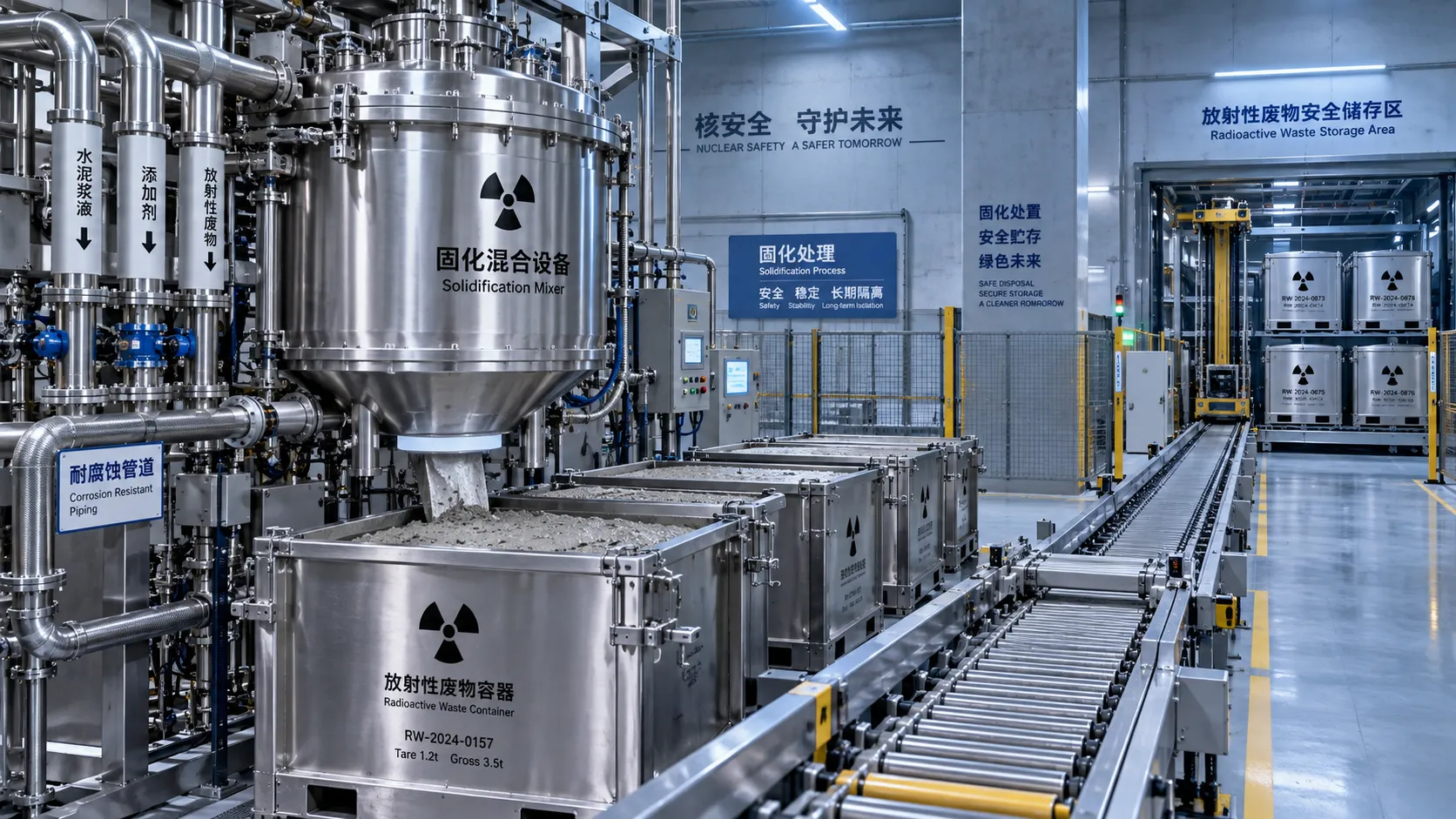
How nuclear plants select a radioactive waste solidification method
Radioactive waste management for nuclear plants: compare vitrification, cementation, polymers, and ceramics to select a compliant, durable solidification solution.
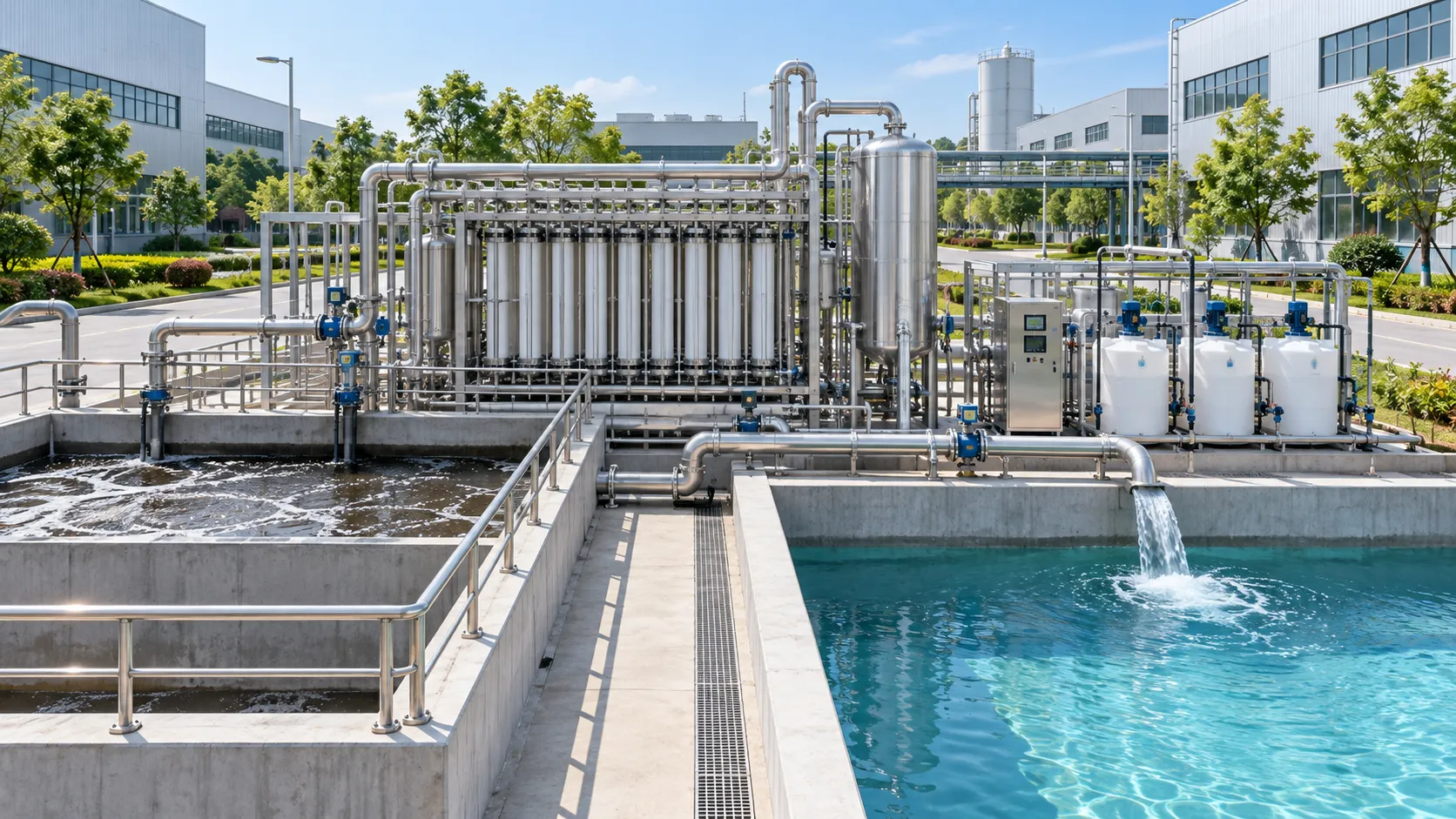
Comparing Upgrade Costs for Industrial Park Wastewater Treatment Systems
Compare costs for wastewater system upgrades in industrial parks with a lifecycle view of CAPEX, OPEX, compliance, resilience, and future expansion.
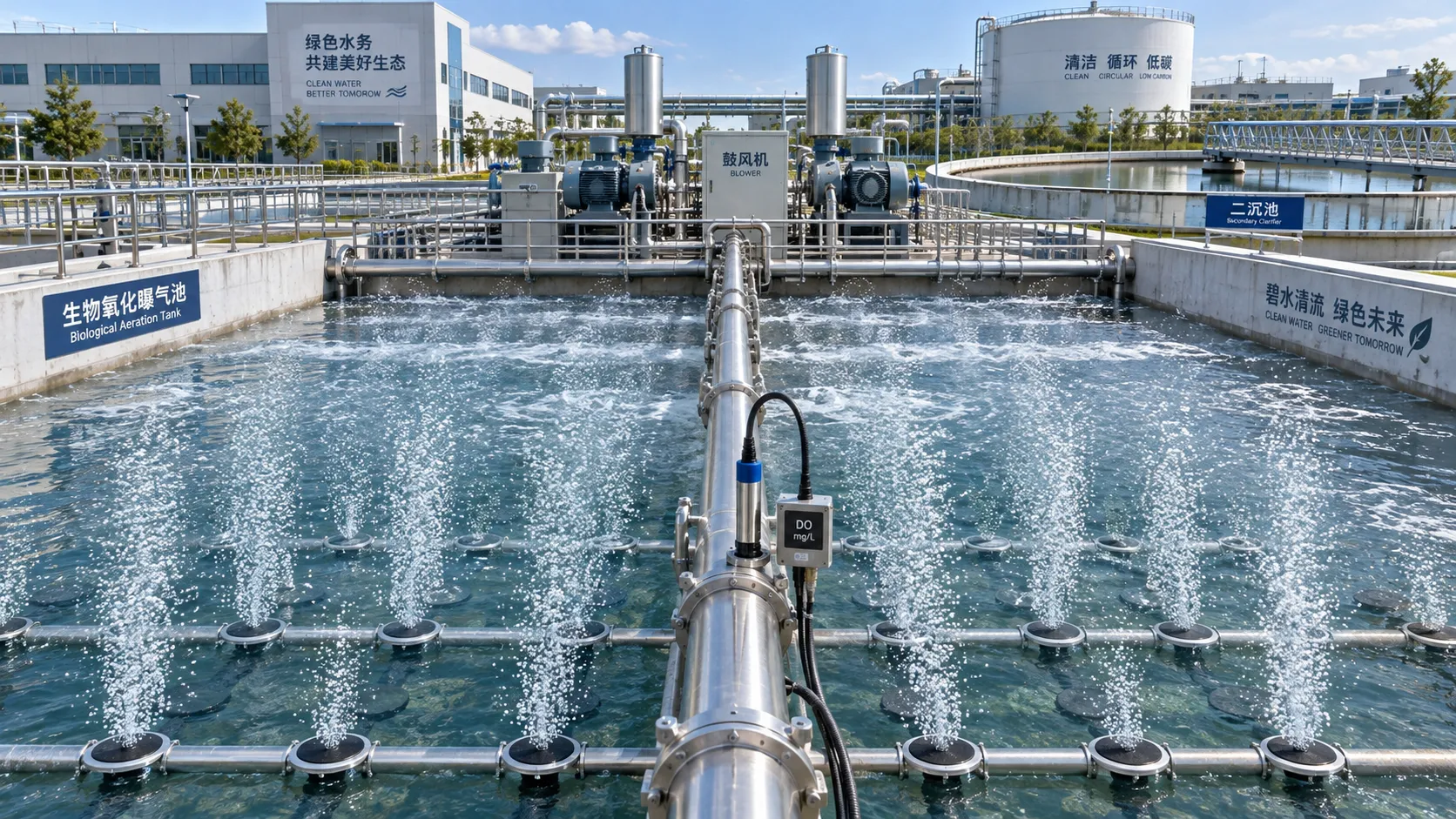
Biological Wastewater Oxidation Explained: Aeration Demand and Process Control
Biological wastewater oxidation explained: optimize aeration demand, DO control, nitrification, and sludge age for stable effluent quality and lower energy costs.
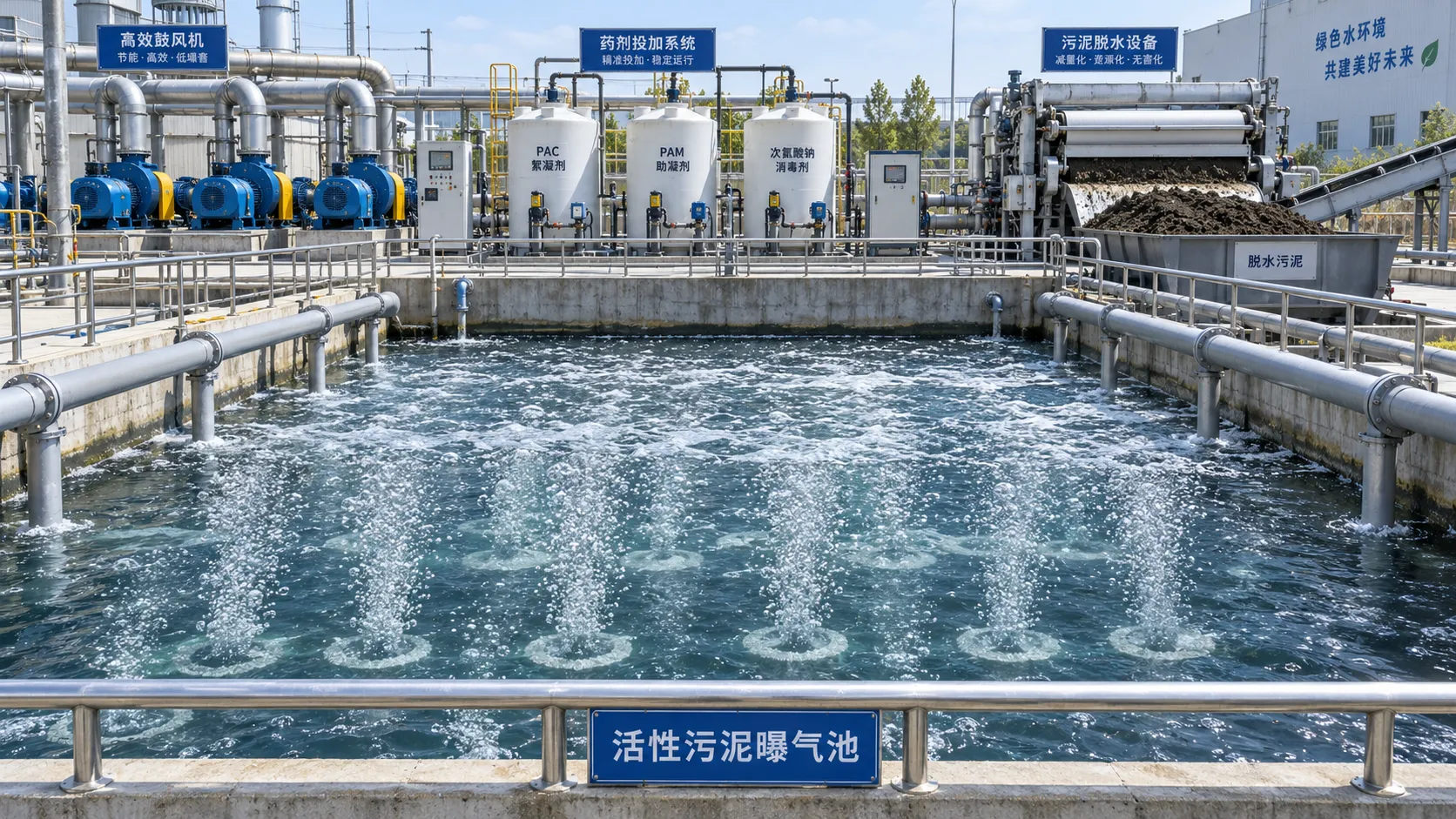
Activated Sludge Cost: Budgeting Energy, Chemicals, Sludge, and Labor
Activated sludge cost explained: compare energy, chemicals, sludge disposal, labor, and compliance risks to build a reliable lifecycle budget.
When Should Municipal Wastewater Plants Upgrade Treatment Capacity and Controls?
Municipal wastewater treatment upgrades: learn when capacity, controls, and resilient planning are needed to protect compliance and optimize plant performance.