
Industry News
Curation by industry experts
Hot Articles
Popular Tags
Wastewater Intelligence Tools That Improve Plant Response Time
For plant operators, every minute counts when alarms rise and process conditions shift. Wastewater intelligence tools turn scattered data into fast, actionable insight, helping teams detect anomalies earlier, prioritize interventions, and improve plant response time without adding unnecessary complexity. This article explores how smarter monitoring and decision support can strengthen reliability, compliance, and day-to-day operational control.
Why wastewater intelligence matters when response time is under pressure
In large water treatment operations, delays rarely begin with equipment failure alone. They often start with fragmented signals: a drifting pH trend, rising turbidity, unstable dissolved oxygen, an overloaded clarifier, or a subtle change in influent chemistry.
Without wastewater intelligence, operators must interpret SCADA screens, lab data, maintenance notes, and alarm histories separately. That slows decision-making, increases false reactions, and raises the risk of permit excursions, energy waste, and avoidable downtime.
For plants managing industrial wastewater, municipal sewage, reuse systems, ZLD lines, or desalination pretreatment, response speed directly affects operating stability. Faster interpretation means earlier intervention, tighter process control, and more predictable compliance.
- Operators can identify whether an alarm is a sensor issue, a true process upset, or a downstream symptom of an upstream disturbance.
- Shift teams can prioritize actions based on risk to discharge quality, membrane protection, sludge handling, or chemical consumption.
- Supervisors can move from reactive firefighting to guided intervention using trend context and event correlation.
What changes when data becomes operational intelligence
Wastewater intelligence is not just dashboard decoration. It combines sensor streams, alarms, lab results, equipment status, and operating logic into a decision layer. That layer helps users understand what is changing, why it matters, and what action is most likely to stabilize the plant.
This is especially valuable in complex environmental infrastructure, where multiple treatment stages interact. ESD tracks these links from high-concentration wastewater and membrane systems to resource recovery and compliance-driven process optimization.
Which wastewater intelligence tools improve plant response time most?
Not every digital layer delivers the same operational value. The strongest wastewater intelligence tools reduce cognitive load for operators and shorten the path from abnormal data to confident action. The table below compares tool categories by response impact.
For most facilities, the fastest return comes from combining anomaly detection with alarm rationalization. Predictive tools and decision support become more valuable as treatment trains grow more complex or compliance margins become tighter.
Core data sources that should not stay isolated
Wastewater intelligence performs best when it connects the datasets operators already use but rarely see in one place. ESD’s sector view is especially relevant here because large-scale environmental systems often fail at the interfaces between process chemistry, equipment behavior, and compliance obligations.
- Online instrumentation such as pH, ORP, conductivity, turbidity, ammonia, nitrate, TOC, and flow.
- Equipment status from pumps, blowers, mixers, clarifiers, membrane trains, and sludge handling units.
- Laboratory confirmation data for COD, BOD, TSS, nutrient removal, and toxicity-related indicators.
- Maintenance and calibration history for distinguishing process deterioration from instrumentation drift.
Where operators see the biggest gains in daily plant scenarios
Wastewater intelligence tools are most useful when they solve recurring operational bottlenecks. The next table maps common scenarios to decision needs, helping users focus on the most practical deployment priorities rather than broad digital claims.
These gains matter across sectors. Municipal treatment needs stability and staffing efficiency. Industrial treatment needs shock resilience. Desalination pretreatment needs membrane protection. Resource recovery systems need visibility into solids, chemistry, and energy balance.
Response time is not only about alarms
A fast alarm that triggers confusion is not operational progress. Strong wastewater intelligence improves the full sequence: detection, diagnosis, prioritization, action, and verification. Operators need fewer clicks, fewer contradictory signals, and clearer guidance on what to check first.
How to evaluate wastewater intelligence tools before selection
Buying on feature lists alone often leads to underused software. For operators and plant managers, selection should center on workflow fit, data quality, integration effort, and the practical question: will this help the control room act faster during real disturbances?
Selection checklist for users and operators
- Confirm which bottleneck you want to solve first: alarm overload, chemical overuse, asset downtime, membrane fouling, or compliance risk.
- Review instrumentation reliability. Poor sensor calibration can make advanced analytics look inaccurate when the issue is actually bad input data.
- Check compatibility with SCADA, historian, PLC, laboratory information systems, and maintenance logs.
- Ask whether the system explains why an alert appears. Black-box outputs may not gain operator trust during high-pressure events.
- Verify whether the platform supports multi-site comparison, shift reporting, and event playback for root cause analysis.
A good procurement process also considers the broader environmental intelligence landscape. ESD’s perspective across water treatment, desalination, flue gas systems, and waste recovery is useful because the same decision principles apply: connect operational data to equipment behavior, compliance exposure, and capital planning.
What to compare during vendor or platform review
The table below highlights practical evaluation points. It is designed for users who need a realistic view of implementation burden, rather than a sales-led view of software capability alone.
In practice, the best wastewater intelligence tool is often not the one with the most advanced model. It is the one operators will trust at 2 a.m. when a plant is drifting and the margin for error is narrow.
Implementation risks many plants overlook
Digital projects in treatment plants often underperform because teams focus on analytics before workflow. If alerts are not aligned with operator responsibilities, even accurate intelligence will be ignored or delayed.
- Poor instrument maintenance creates unreliable data inputs, especially in harsh wastewater conditions with scaling, fouling, and chemical interference.
- Too many thresholds generate alarm fatigue instead of sharper awareness.
- No defined action protocol leaves users with visibility but no response discipline.
- Lack of shift training reduces adoption, especially when recommendations conflict with established operator habits.
The stronger path is phased deployment. Start with one process risk area, validate data quality, define intervention playbooks, and only then expand to site-wide optimization. This is especially relevant for facilities balancing discharge compliance, energy intensity, and water reuse targets.
A practical rollout sequence
- Baseline current response time for frequent events such as high turbidity, blower trips, chemical dosing drift, or membrane pressure rise.
- Identify the most trusted data sources and remove chronically unreliable tags.
- Configure alerts around decisions, not only thresholds.
- Train operators with historical event playback so they can test logic against known plant behavior.
- Measure gains in intervention speed, alarm reduction, chemical stability, and avoided compliance incidents.
Compliance, standards, and why intelligence now affects plant credibility
Wastewater intelligence is increasingly tied to governance, not just convenience. Environmental operators face tighter reporting expectations, stronger permit scrutiny, and broader pressure to document how abnormal events are detected, investigated, and corrected.
While platform requirements vary by region and plant type, users should look for support that aligns with common industrial practices: audit-ready event logs, time-stamped interventions, sensor validation routines, cybersecurity discipline, and compatibility with internal management systems.
This is where ESD’s intelligence-centered approach becomes relevant beyond software evaluation. By connecting equipment trends, evolving regulations, desalination and ZLD process developments, and broader decarbonization pressures, ESD helps project teams assess solutions in a wider operational context rather than in isolation.
FAQ: operator questions about wastewater intelligence
How do wastewater intelligence tools differ from standard SCADA monitoring?
SCADA shows process values and alarm states. Wastewater intelligence adds context, correlation, trend interpretation, and often prioritized recommendations. Instead of only telling operators that a limit was exceeded, it helps explain whether the event is isolated, linked to upstream changes, or likely to affect compliance.
Which plants benefit most from wastewater intelligence first?
Plants with variable influent, complex nutrient removal, membrane systems, ZLD pretreatment, or high alarm density usually benefit earliest. Facilities with lean staffing also gain because wastewater intelligence reduces the time needed to interpret process changes across multiple units.
What should operators ask before a pilot project starts?
Ask which process area will be targeted, what data is required, how success will be measured, and who owns response decisions. Good pilot metrics include reduced nuisance alarms, faster root cause identification, fewer manual checks, more stable dosing, or earlier warning before membrane or effluent problems.
Are wastewater intelligence tools only useful for large capital-intensive plants?
No. Large facilities often have the clearest value case, but smaller plants can also benefit if they struggle with staffing, analyzer reliability, or unstable influent. The right scope may be narrower, focusing on one treatment bottleneck rather than a full digital transformation.
Why choose us for wastewater intelligence insight and next-step evaluation
ESD supports decision-makers and plant users who need more than broad digital promises. Our strength lies in connecting wastewater intelligence to real process constraints across large water treatment, desalination, solid waste recovery, flue gas systems, and high-compliance environmental infrastructure.
If you are comparing wastewater intelligence tools, planning a plant upgrade, or trying to reduce response time in a difficult operating environment, you can consult us on practical questions that affect implementation quality and project value.
- Parameter confirmation for key monitoring points, alarm logic, and process-critical variables.
- Tool and solution selection based on plant type, influent variability, staffing model, and compliance pressure.
- Delivery timeline discussion for pilots, phased integration, and multi-unit rollout planning.
- Customized evaluation frameworks for ZLD, membrane pretreatment, industrial wastewater, and municipal treatment scenarios.
- Certification and compliance review support where project documentation, traceability, and operational records matter.
- Quotation and scope communication for intelligence platforms, monitoring architecture, and decision-support priorities.
When faster response time matters, better information structure matters first. Wastewater intelligence works best when it is grounded in plant reality, operator workflow, and system-level environmental knowledge. That is the perspective ESD brings to every evaluation conversation.
Recommended News
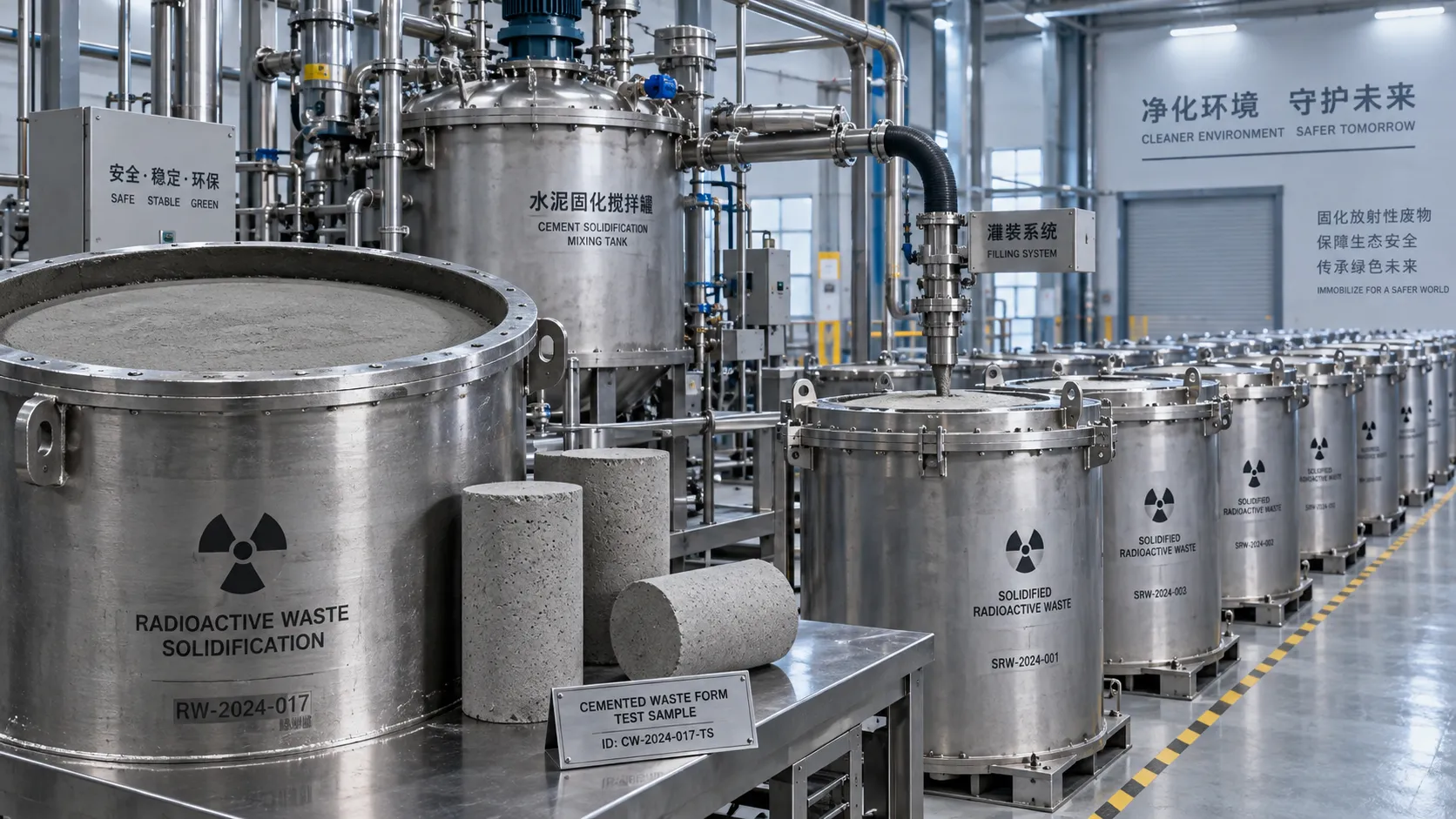
When is cementation suitable for nuclear decommissioning waste?
Explore nuclear waste treatment technology for decommissioning: learn when cementation fits, which risks to assess, and how disposal criteria guide an effective treatment choice.
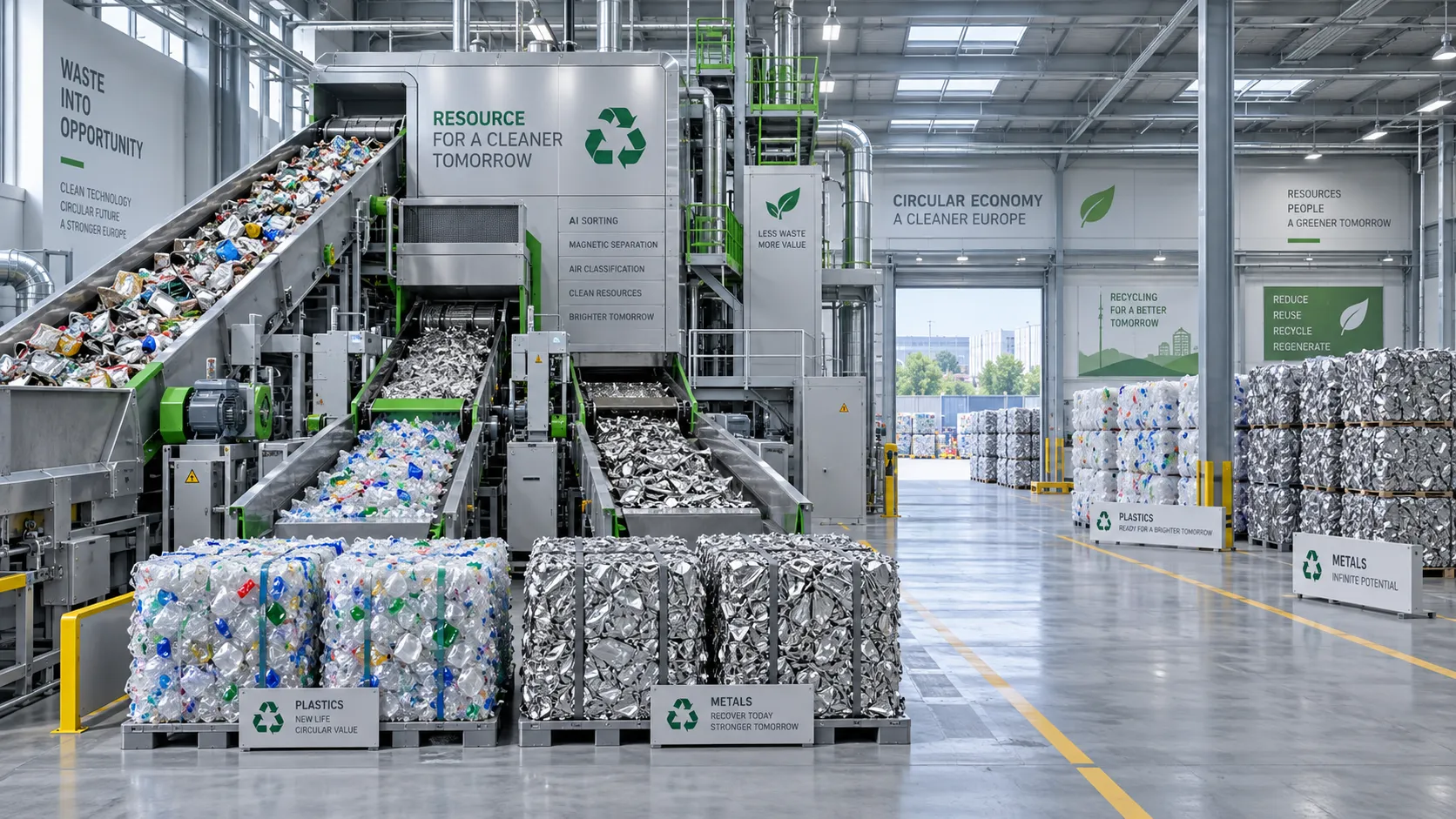
What determines payback for waste-to-resource systems in Europe?
Assess waste-to-resource systems Europe-wide: compare feedstock, recovery yields, costs and contracts to uncover payback drivers and make smarter investment decisions.
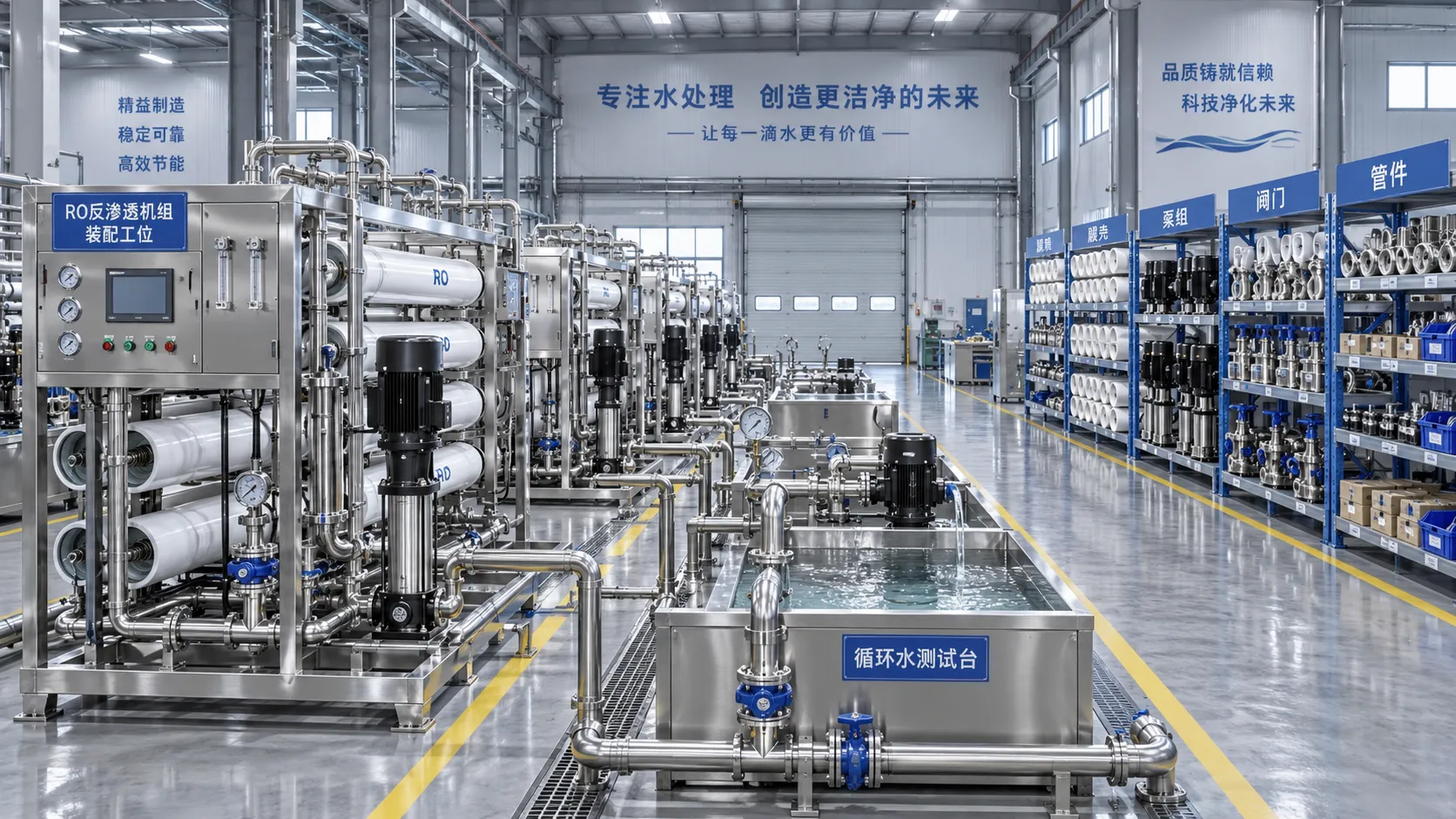
How to verify a water treatment system factory’s production capacity
Verify a water treatment systems factory’s production capacity through records, bottlenecks, component availability, and testing. Learn what to check before accepting a delivery promise.
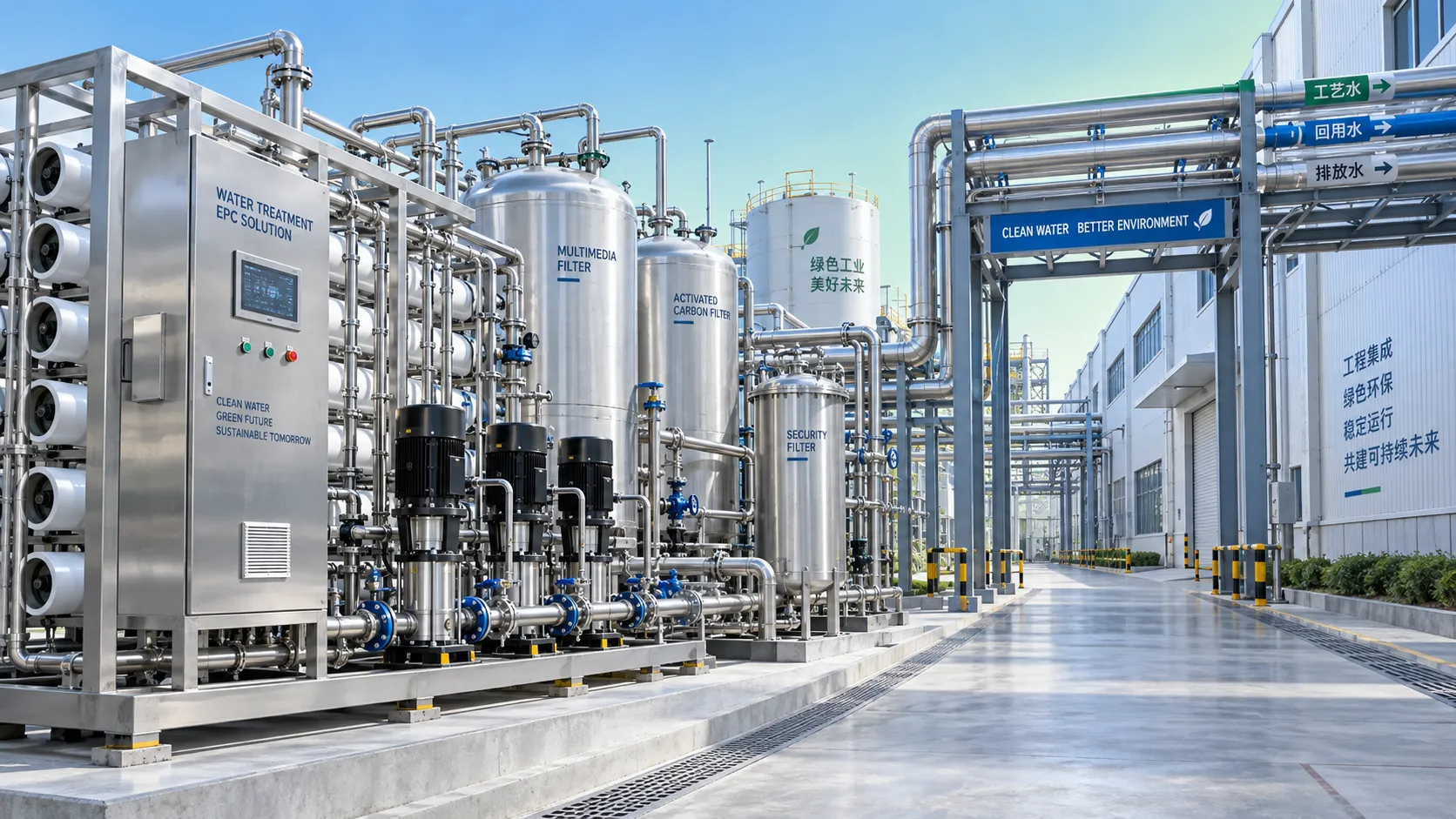
When does EPC environmental project support reduce delivery risk?
EPC environmental project support engineering reduces delivery risk by aligning design, procurement, compliance, construction, and commissioning decisions.
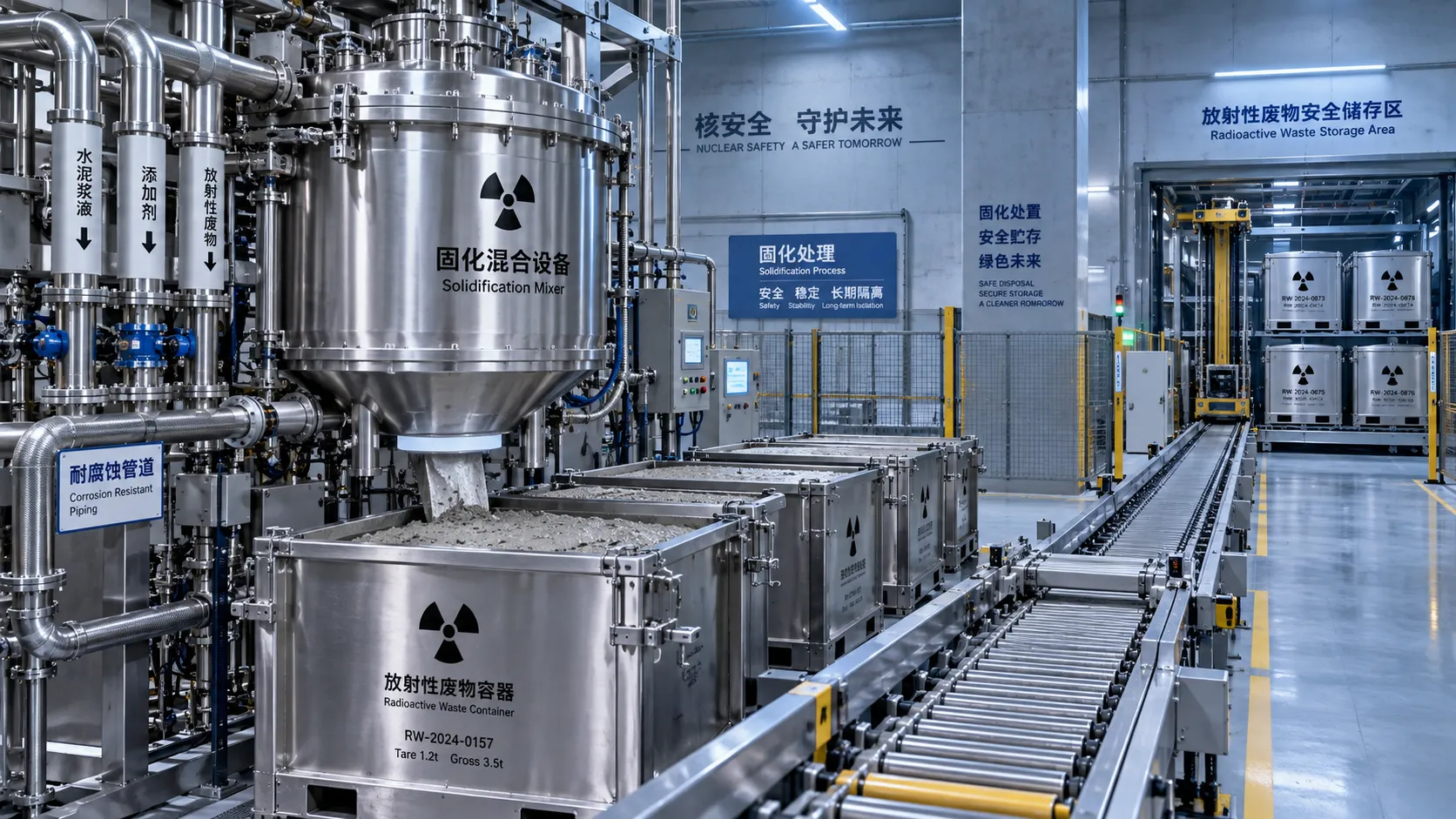
How nuclear plants select a radioactive waste solidification method
Radioactive waste management for nuclear plants: compare vitrification, cementation, polymers, and ceramics to select a compliant, durable solidification solution.
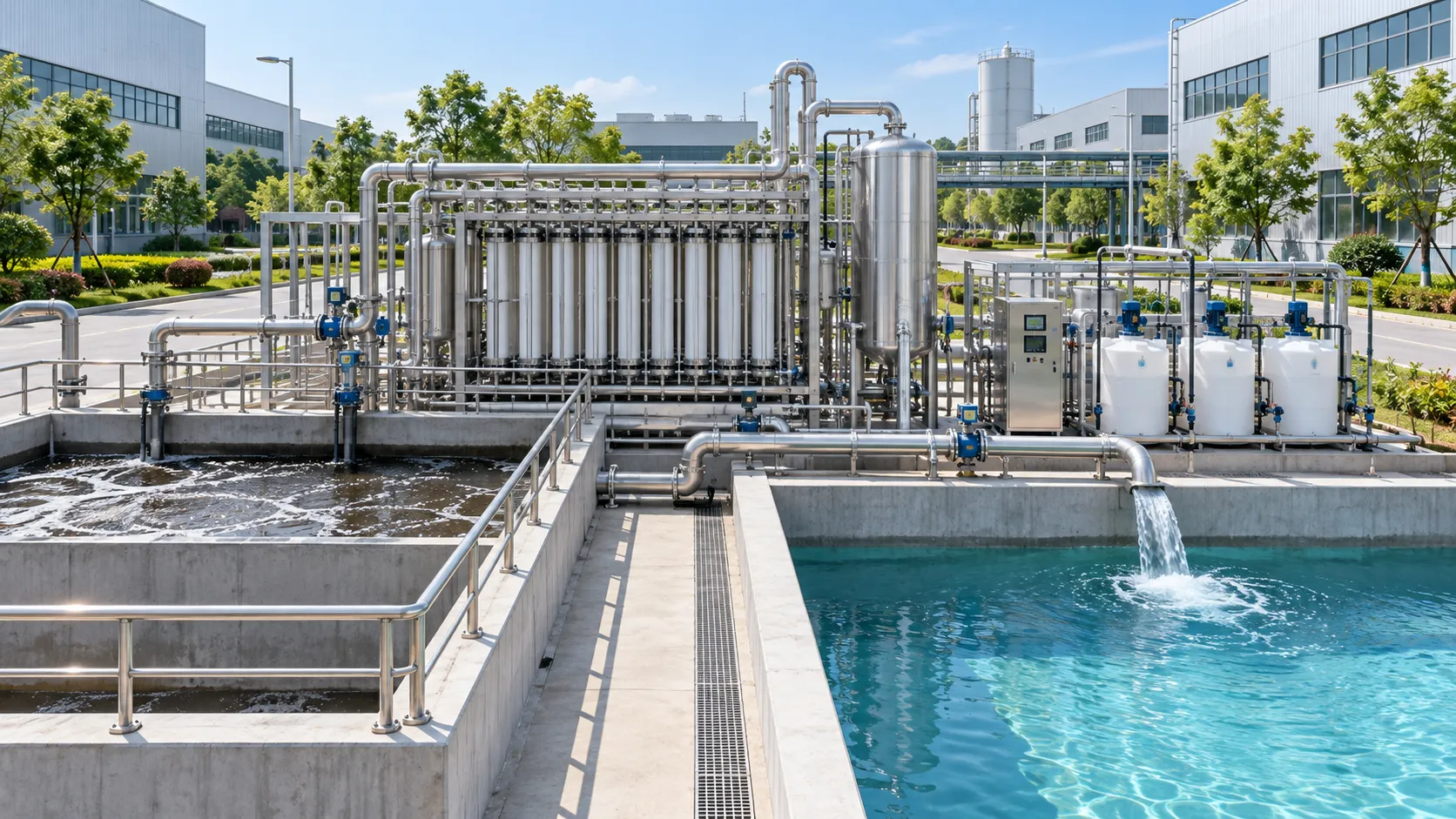
Comparing Upgrade Costs for Industrial Park Wastewater Treatment Systems
Compare costs for wastewater system upgrades in industrial parks with a lifecycle view of CAPEX, OPEX, compliance, resilience, and future expansion.
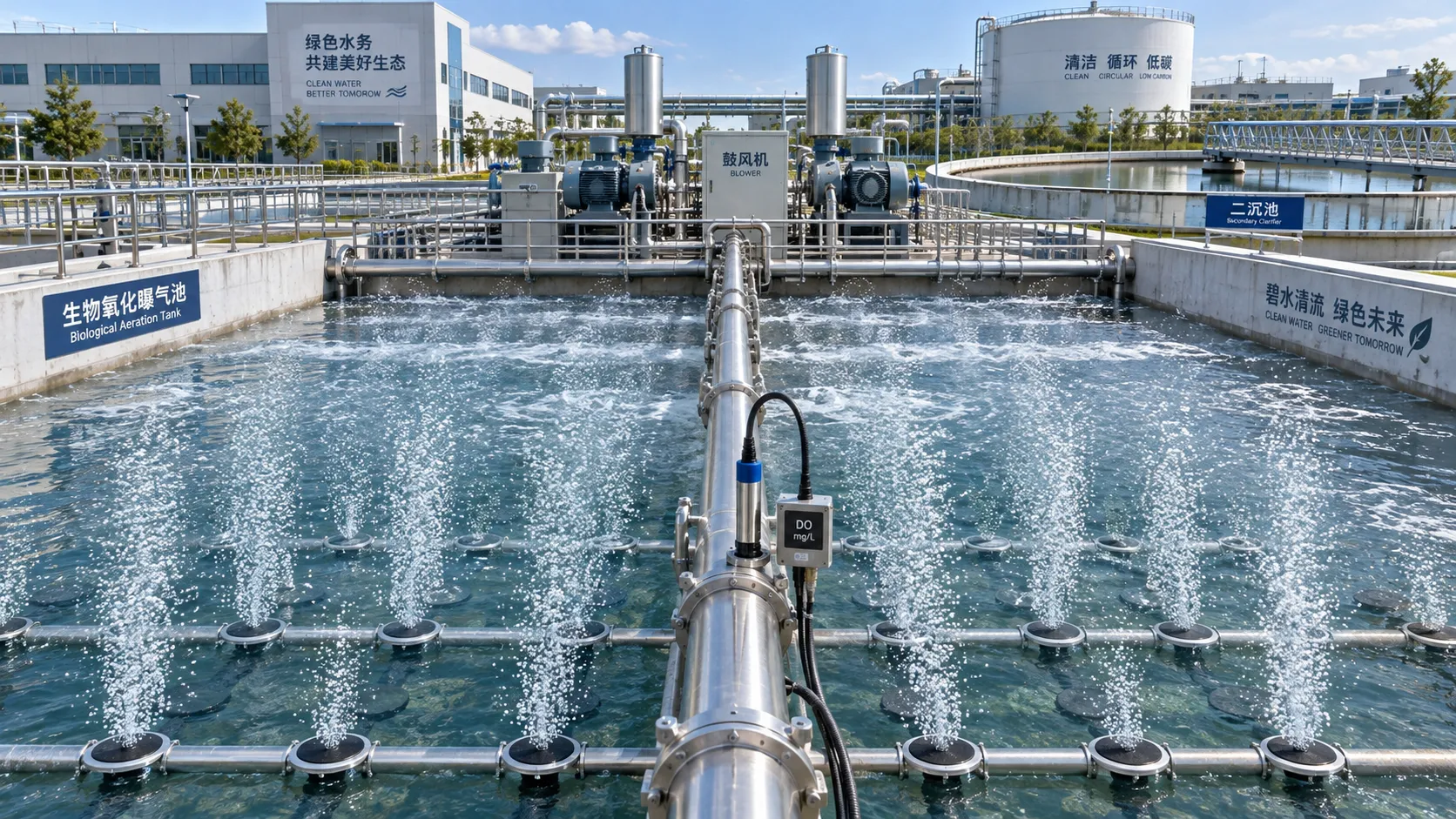
Biological Wastewater Oxidation Explained: Aeration Demand and Process Control
Biological wastewater oxidation explained: optimize aeration demand, DO control, nitrification, and sludge age for stable effluent quality and lower energy costs.
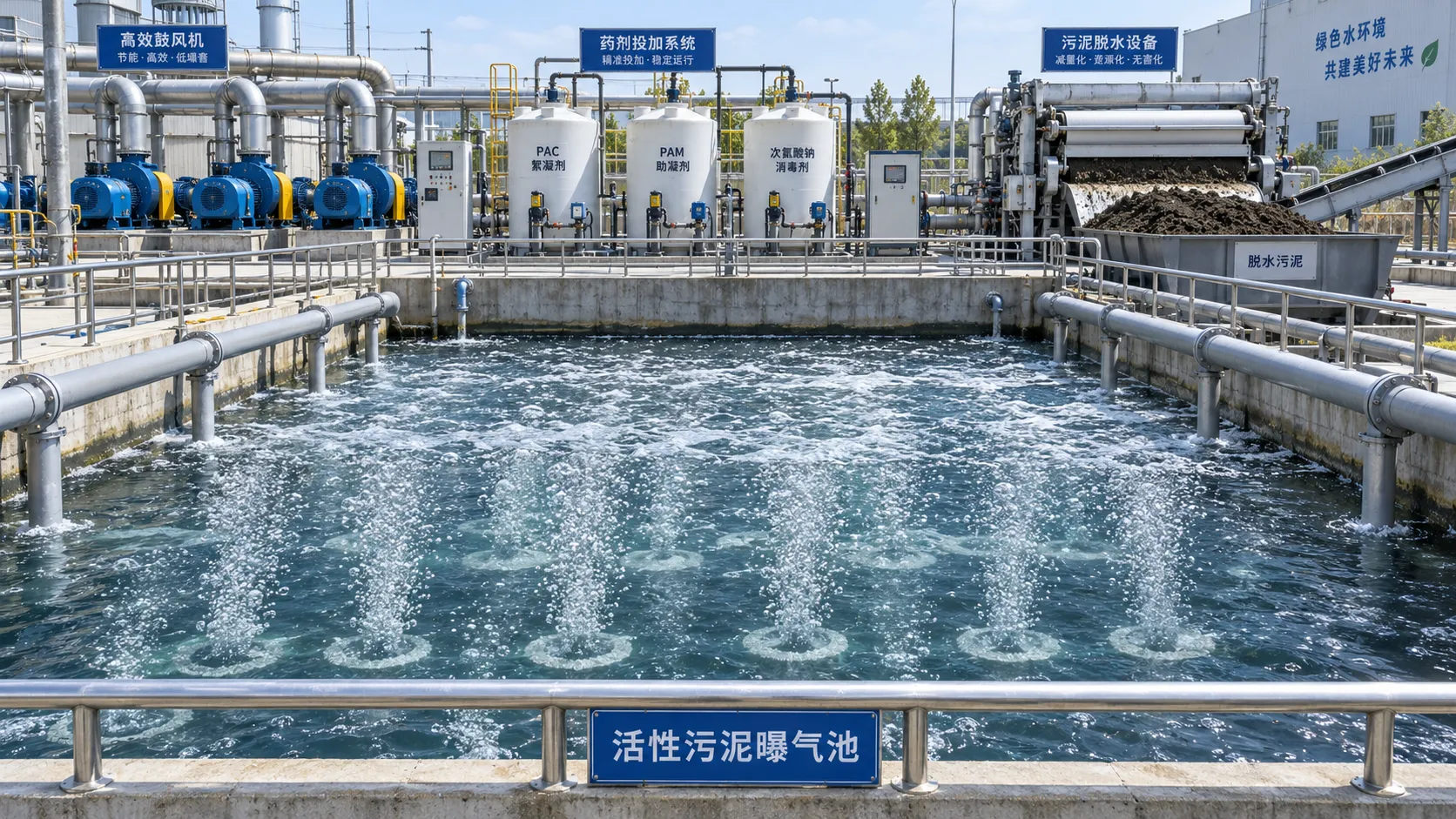
Activated Sludge Cost: Budgeting Energy, Chemicals, Sludge, and Labor
Activated sludge cost explained: compare energy, chemicals, sludge disposal, labor, and compliance risks to build a reliable lifecycle budget.
When Should Municipal Wastewater Plants Upgrade Treatment Capacity and Controls?
Municipal wastewater treatment upgrades: learn when capacity, controls, and resilient planning are needed to protect compliance and optimize plant performance.