
Industry News
Curation by industry experts
Hot Articles
Popular Tags
AI Waste Sorting Accuracy: Key Metrics to Check
For quality control and safety managers, AI waste sorting is no longer just a productivity upgrade—it is a measurable risk-control system. Accuracy claims can look impressive in vendor brochures, but real operational value depends on how detection rates, contamination reduction, false picks, uptime, and compliance performance are verified under site conditions. This article outlines the key metrics to check before trusting an AI sorting line, helping teams protect worker safety, stabilize material quality, and build a more reliable recovery process.
Why AI Waste Sorting Accuracy Must Be Verified on the Line
AI waste sorting combines machine vision, near-infrared sensors, robotics, air jets, conveyor control, and data analytics. Its value appears only when the system performs consistently under mixed, dirty, compressed, and fast-moving waste streams.
For quality teams, the question is not whether AI can identify objects in a clean demonstration. The real question is whether AI waste sorting can maintain target purity, reduce hazardous exposure, and document compliance during daily production.
- Quality control teams need stable output grades for plastics, metals, paper, organics, construction debris, or refuse-derived fuel feedstock.
- Safety managers need fewer manual interventions near conveyors, rotating equipment, glass fragments, sharps, batteries, and pressurized containers.
- Procurement teams need evidence that sorting performance survives dust, moisture, seasonal waste variation, and peak throughput.
- Compliance officers need traceable reports that support recycling claims, landfill diversion targets, and environmental audits.
ESD views an AI sorting line as one component of a wider ecological equipment system. Like SWRO membranes, FGD scrubbers, and ZLD units, its performance must be defined by measurable parameters rather than isolated promises.
Which Accuracy Metrics Actually Matter?
Many suppliers highlight a single recognition accuracy figure. That number is rarely enough. In AI waste sorting, quality and safety managers should review multiple metrics together, because one strong indicator can hide another operational weakness.
The table below summarizes practical metrics to request during technical evaluation, pilot testing, or acceptance inspection of an AI waste sorting system.
A reliable evaluation compares these metrics at the same throughput, belt loading, and material composition. If figures are taken from different conditions, the accuracy claim may not reflect real plant risk.
Do Not Confuse Recognition Accuracy With Sortation Accuracy
Recognition accuracy describes what the AI identifies. Sortation accuracy describes what the equipment successfully removes or redirects. Conveyor speed, item overlap, air nozzle timing, and robot gripper limits can weaken final results.
For this reason, AI waste sorting acceptance tests should measure the full chain: sensor capture, classification, actuation, discharge accuracy, residue composition, and downstream material quality.
How to Test AI Waste Sorting Under Real Site Conditions
A clean sample test can be useful, but it should not be the final basis for investment. Waste streams change by shift, supplier, city district, season, and weather. Moisture and compaction often expose weaknesses.
- Define target fractions, such as PET bottles, HDPE containers, aluminum cans, film plastics, paper grades, inert materials, batteries, or e-waste.
- Collect representative samples from normal, peak, and difficult operating periods rather than using supplier-prepared material only.
- Measure baseline contamination, manual labor exposure, reject rate, downtime, and accident-prone tasks before installation.
- Run the AI waste sorting system at agreed belt speed, loading depth, and throughput for a documented test window.
- Audit output manually or through independent sampling to confirm purity, recovery, and residual contamination.
Quality managers should insist on sampling rules before the test starts. Without clear sample weight, frequency, and classification definitions, two teams may interpret the same line performance differently.
Key Site Variables That Affect Results
Accuracy changes when incoming waste contains wet paper, black plastic, shredded films, soil, ash, glass, or overlapping items. Lighting, vibration, dust accumulation, and conveyor maintenance also influence sensor reliability.
Safety teams should check whether the system fails safely. Alarms, emergency stops, guarding, lockout procedures, access controls, and cleaning routines are part of the performance envelope, not secondary details.
Procurement Checklist: What Should Buyers Compare?
Choosing AI waste sorting equipment requires more than comparing camera resolution or robot speed. Buyers should connect technical parameters with production targets, compliance duties, and maintenance capacity.
Use the following comparison table when shortlisting suppliers or preparing an EPC tender specification for a material recovery facility, waste-to-energy pretreatment line, or industrial recycling plant.
This comparison prevents teams from buying a visually impressive system that lacks operational depth. For budget-limited projects, prioritize stable recovery, safety reduction, and serviceability before optional analytics.
Safety and Compliance Metrics That Are Easy to Miss
AI waste sorting should reduce exposure to sharp objects, contaminated residues, biological hazards, fire sources, and repetitive picking tasks. However, automation introduces new risks if guarding and controls are incomplete.
- Check machine guarding, emergency stop coverage, interlocked access points, and safe cleaning procedures around conveyors and robotic zones.
- Review electrical safety, dust management, compressed air systems, and fire risk linked to lithium batteries or aerosol containers.
- Confirm whether operating logs can support ISO 14001 environmental management, ISO 45001 occupational safety, or local regulatory inspections.
- Require training documents for operators, maintenance staff, emergency response teams, and temporary workers assigned to the line.
Compliance does not stop at machine delivery. It includes acceptance criteria, traceability, incident response, change management, and documented evidence that the AI waste sorting line performs within defined limits.
Reporting Should Support Both Buyers and Regulators
Material buyers increasingly demand proof of recycled content quality and low contamination. Regulators may also examine landfill diversion, hazardous residue control, and emissions linked to downstream treatment.
A useful AI waste sorting dashboard should translate machine signals into business evidence: tons processed, target recovery, contamination trend, downtime causes, manual intervention frequency, and alarm history.
Cost, Alternatives, and Return on Risk Reduction
The cheapest solution is not always the lowest-risk option. Manual sorting, optical sorting, and AI waste sorting can all be valid, depending on feed variability, labor conditions, purity targets, and available capital.
Before choosing, compare not only purchase price but also rejected material value, accident exposure, downtime, maintenance, software updates, and the cost of failing customer specifications.
For many facilities, the strongest case is not labor replacement alone. It is reduced contamination penalties, fewer dangerous picks, better equipment protection, and more predictable saleable material quality.
Common Misconceptions About AI Waste Sorting Accuracy
“A high lab accuracy means the plant will reach the same result.”
Lab tests are controlled. Plant conditions include dust, vibration, damaged packaging, overlapping objects, and wet residues. Always request site-representative trials before final acceptance.
“More cameras automatically mean better sorting.”
Sensor quantity matters less than correct integration. Lighting, viewing angle, algorithm training, conveyor stability, and actuator timing determine whether AI waste sorting produces clean output.
“The system will improve itself without supervision.”
AI models can improve, but only with controlled data labeling, validation, and change approval. Unmanaged updates may shift classification behavior and affect quality commitments.
“Safety improves automatically after automation.”
Automation can reduce manual picking risk, but it must be supported by guarding, lockout procedures, fire prevention, maintenance access planning, and operator training.
FAQ for Quality Control and Safety Managers
How accurate should AI waste sorting be before purchase approval?
There is no universal number. Approval should depend on target material, output purity, residue risk, and buyer specifications. Compare detection rate, precision, contamination reduction, and uptime together.
What materials are most challenging for AI waste sorting?
Black plastics, dirty films, small batteries, crushed containers, multilayer packaging, wet paper, and overlapping items are common challenges. Site trials should intentionally include these difficult fractions.
How often should performance be audited after commissioning?
Many facilities use daily operational checks and periodic formal sampling. Audit frequency should rise when feed composition changes, customer complaints increase, or model updates are installed.
What data should be included in supplier acceptance documents?
Documents should record test conditions, throughput, sample method, target fractions, recovery, purity, false picks, downtime, alarms, safety checks, maintenance needs, and unresolved deviations.
Why Choose ESD for AI Waste Sorting Intelligence and Project Decisions
ESD helps environmental equipment decision makers connect technical parameters with resource recovery logic, compliance pressure, and long-term operational risk. Our focus extends across solid waste recovery, water treatment, flue gas control, desalination, and nuclear waste management.
For AI waste sorting projects, ESD can support teams in defining acceptance metrics, comparing technology routes, reviewing supplier claims, and translating performance data into procurement language that quality, safety, and finance teams can use.
- Consult us to confirm accuracy parameters, sampling rules, contamination targets, and data reporting requirements before tender release.
- Request support for product selection, retrofit feasibility, delivery schedule assessment, and integration with existing recovery lines.
- Discuss certification expectations, occupational safety requirements, audit documentation, and buyer-specific recycled material standards.
- Share your feed composition and project constraints to explore customized evaluation criteria, pilot test planning, and quotation communication.
When accuracy is measured correctly, AI waste sorting becomes more than an automated picker. It becomes a disciplined control point in the circular economy, protecting workers, stabilizing output quality, and strengthening environmental compliance.
Recommended News
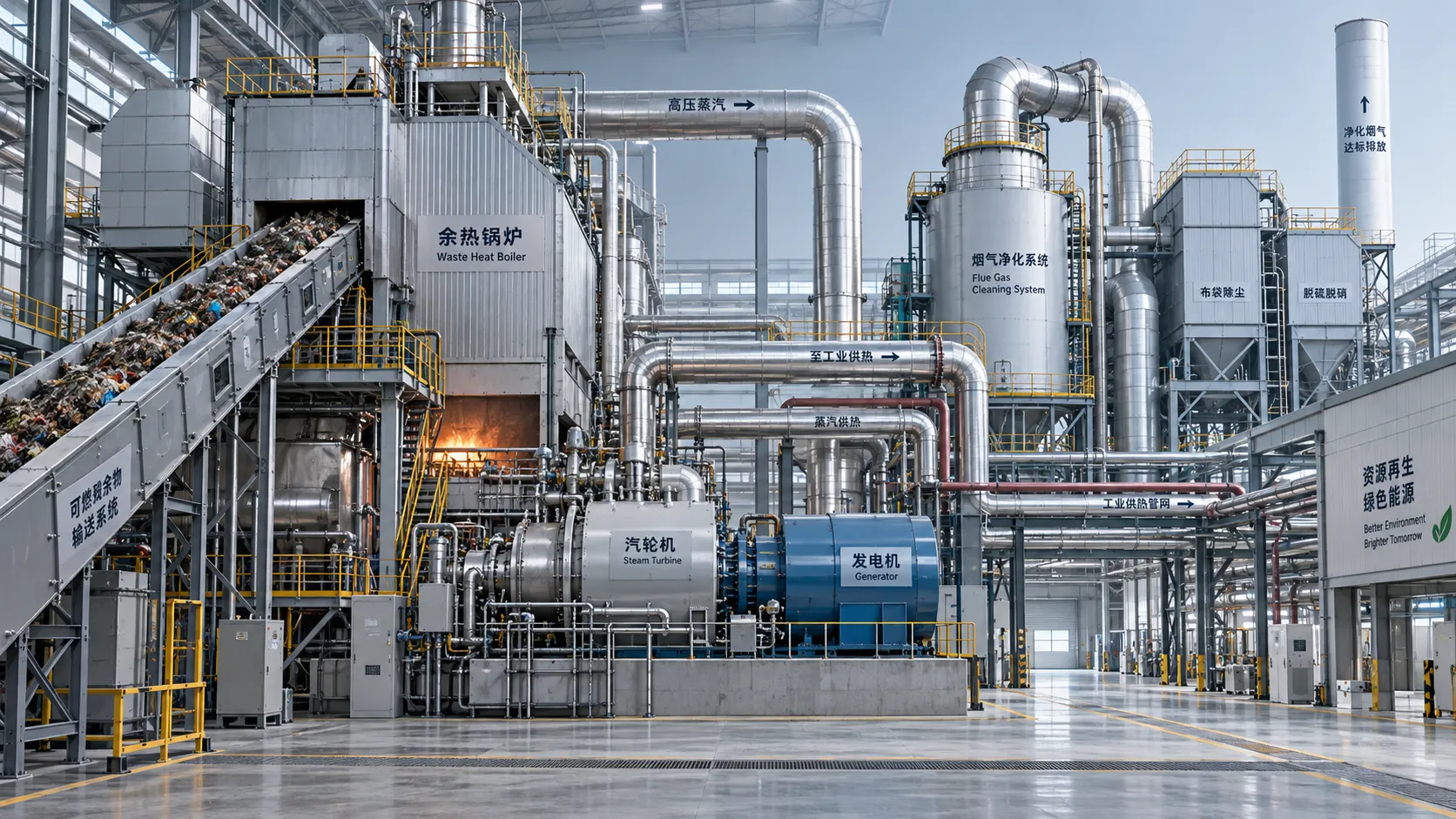
When is energy recovery viable in the solid waste recovery process?
When is energy recovery viable in the solid waste recovery process? Explore feedstock quality, net energy, emissions, and costs to assess feasibility and make smarter investment decisions.
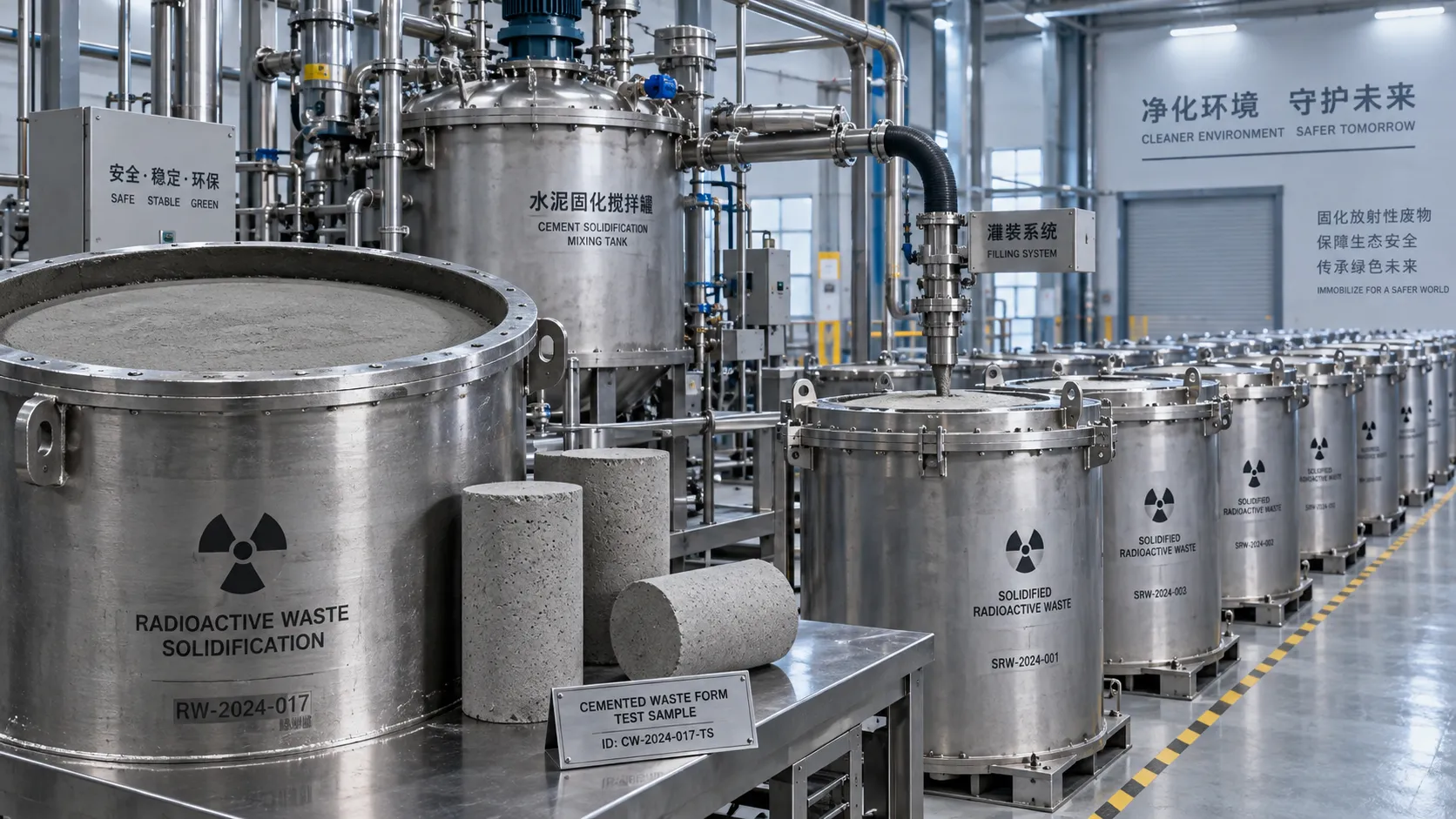
When is cementation suitable for nuclear decommissioning waste?
Explore nuclear waste treatment technology for decommissioning: learn when cementation fits, which risks to assess, and how disposal criteria guide an effective treatment choice.
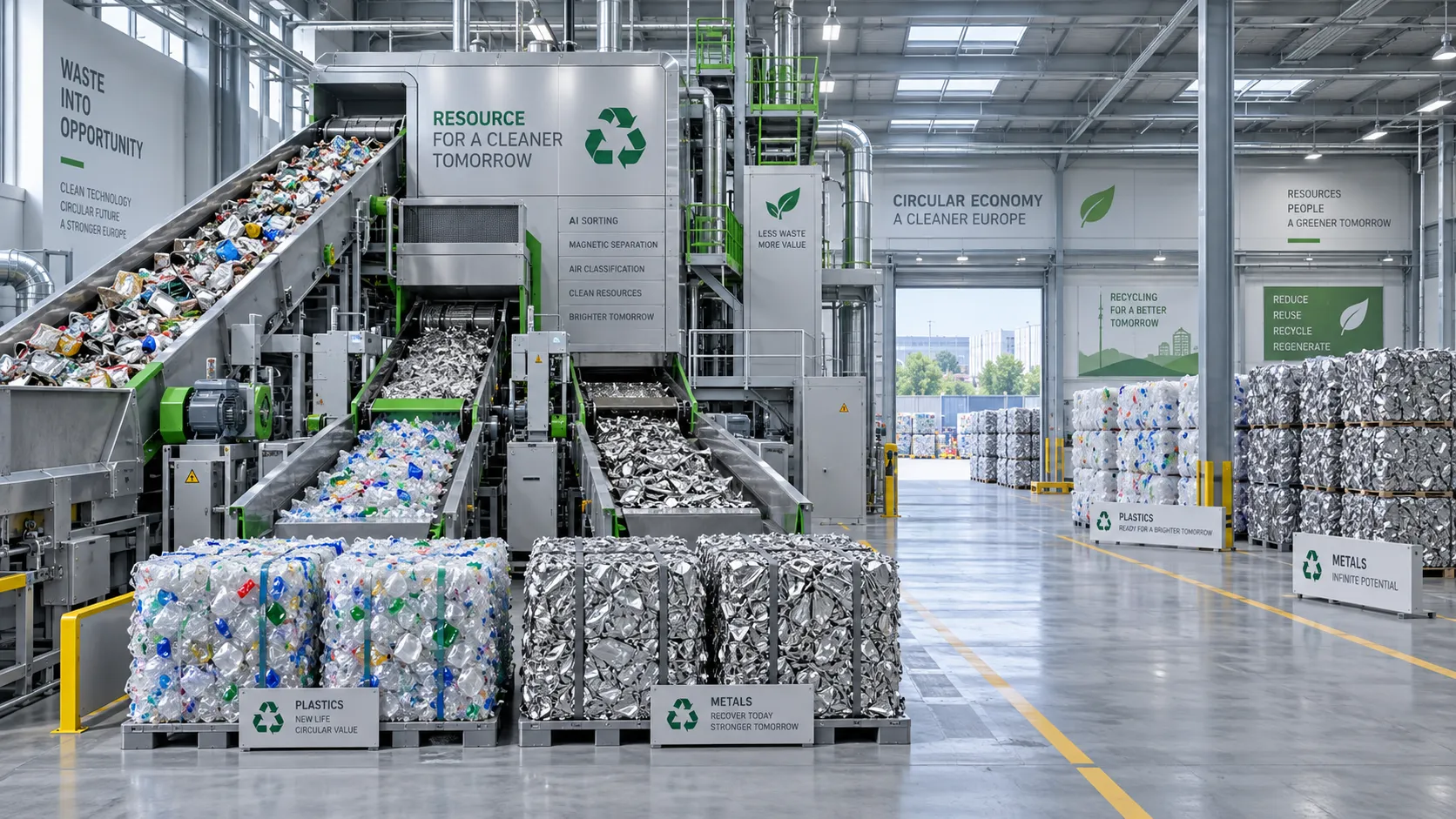
What determines payback for waste-to-resource systems in Europe?
Assess waste-to-resource systems Europe-wide: compare feedstock, recovery yields, costs and contracts to uncover payback drivers and make smarter investment decisions.
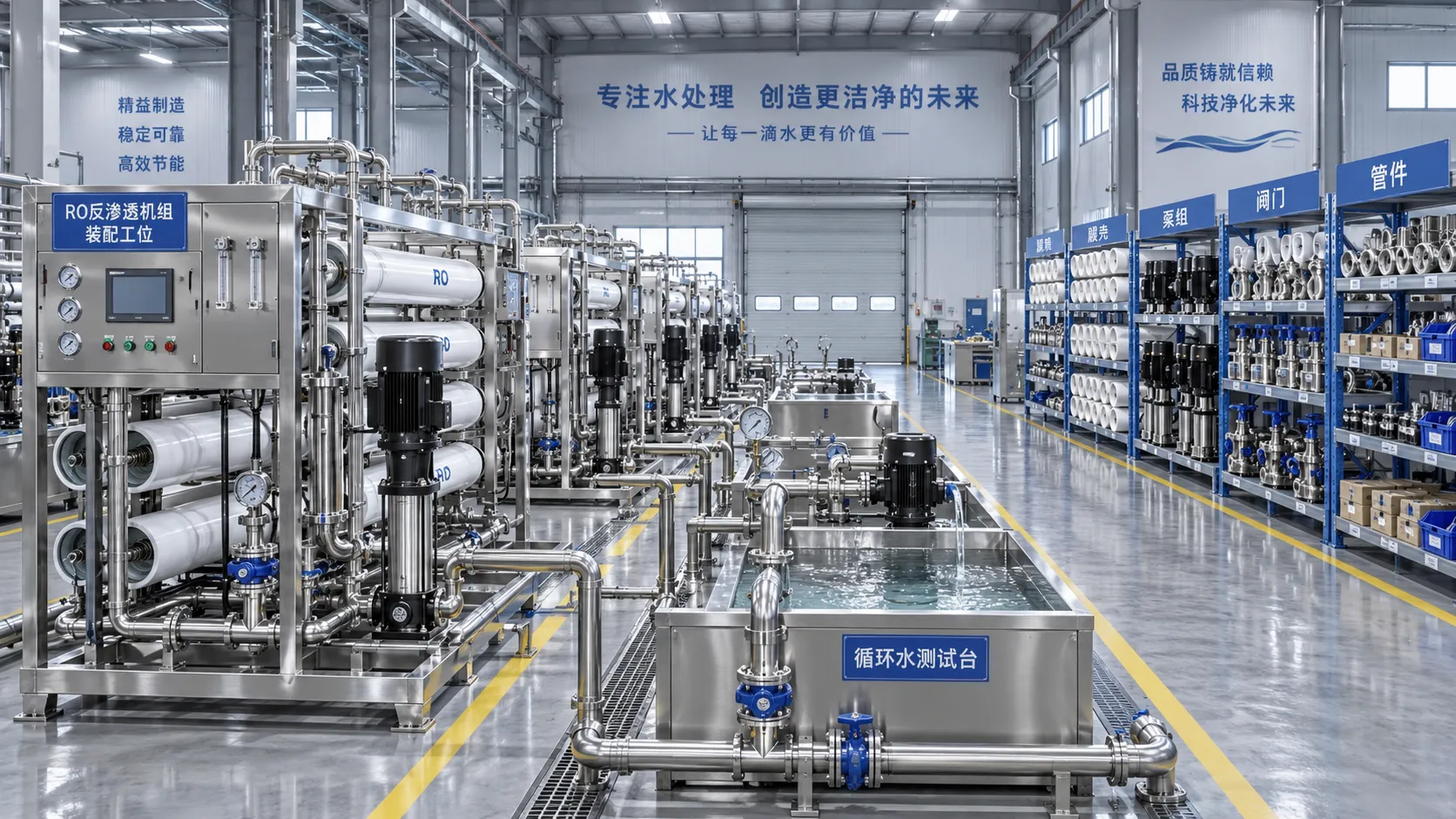
How to verify a water treatment system factory’s production capacity
Verify a water treatment systems factory’s production capacity through records, bottlenecks, component availability, and testing. Learn what to check before accepting a delivery promise.
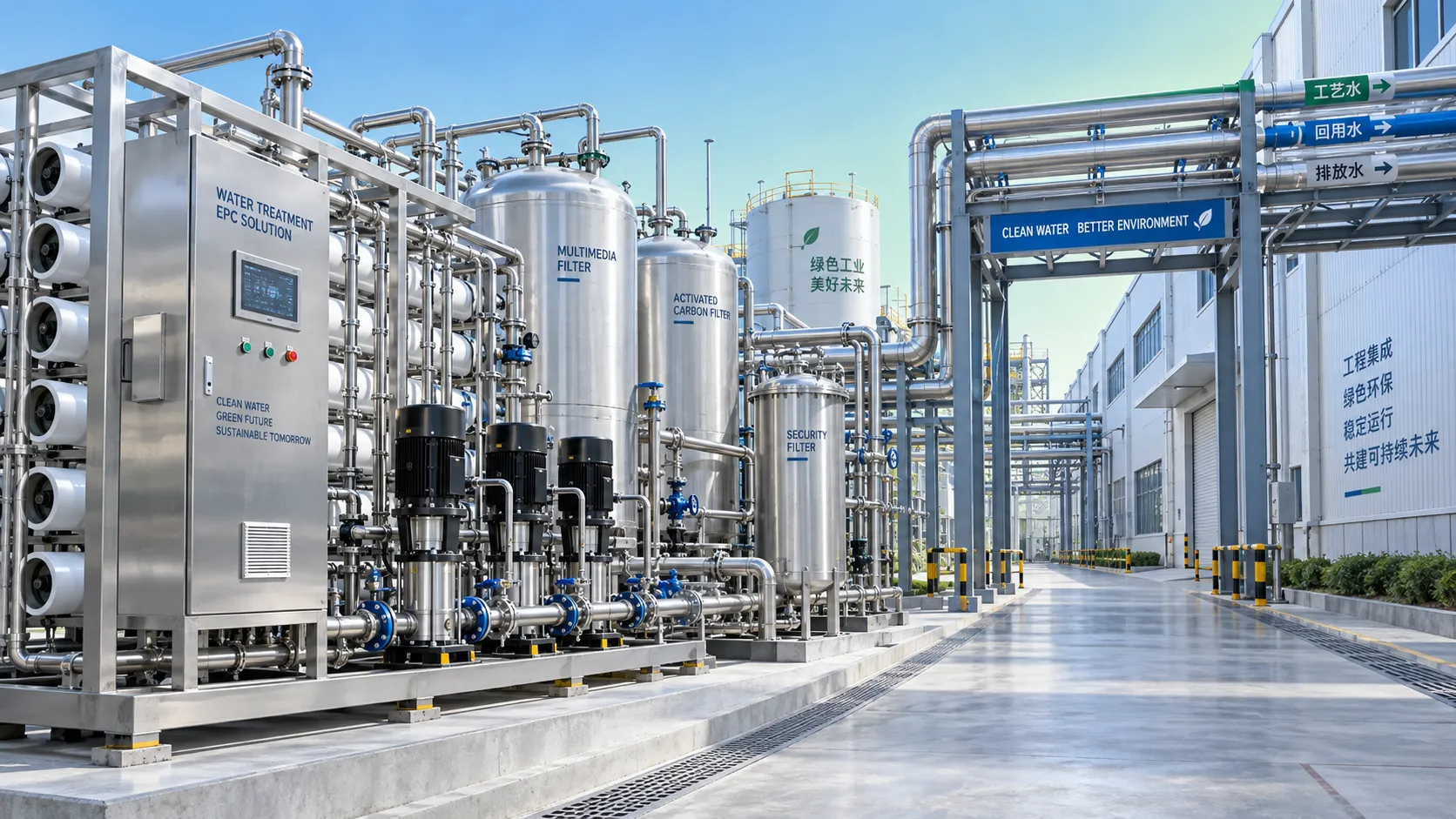
When does EPC environmental project support reduce delivery risk?
EPC environmental project support engineering reduces delivery risk by aligning design, procurement, compliance, construction, and commissioning decisions.
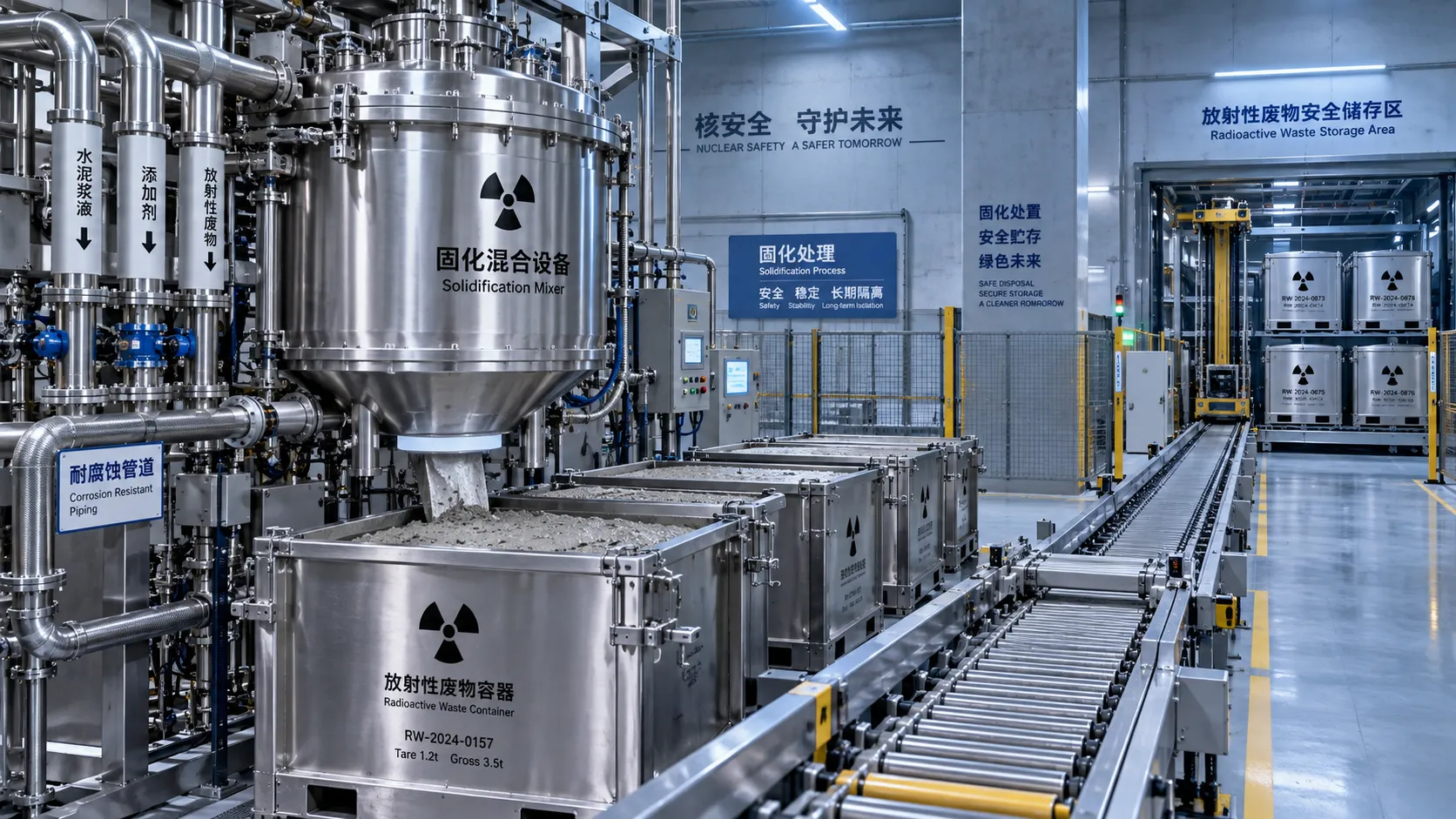
How nuclear plants select a radioactive waste solidification method
Radioactive waste management for nuclear plants: compare vitrification, cementation, polymers, and ceramics to select a compliant, durable solidification solution.
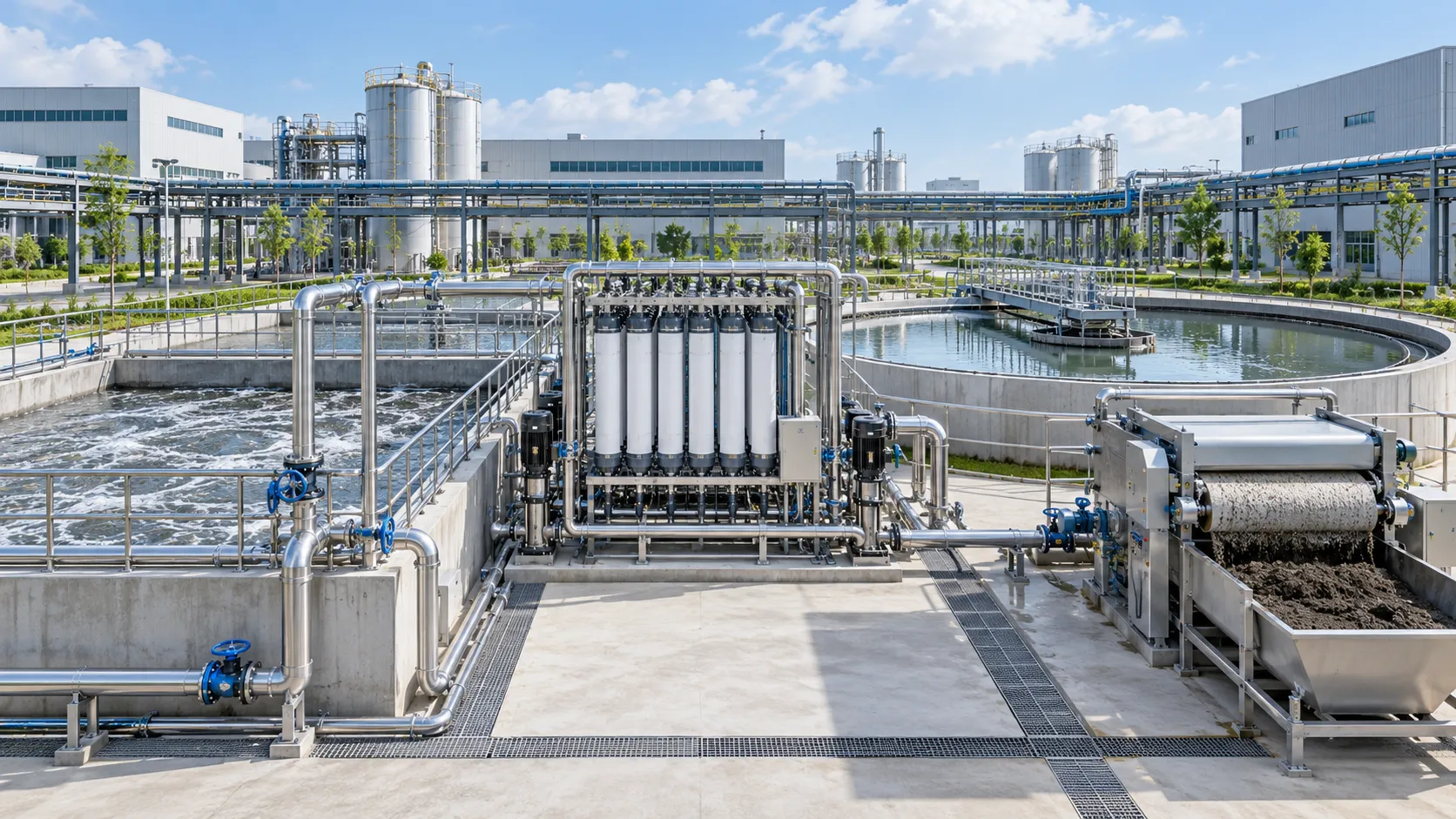
What Drives the Cost of Wastewater System Upgrades in Industrial Parks?
Costs of wastewater system upgrades in industrial parks: uncover key drivers from influent variability and civil works to sludge, energy, compliance, and lifecycle risk.
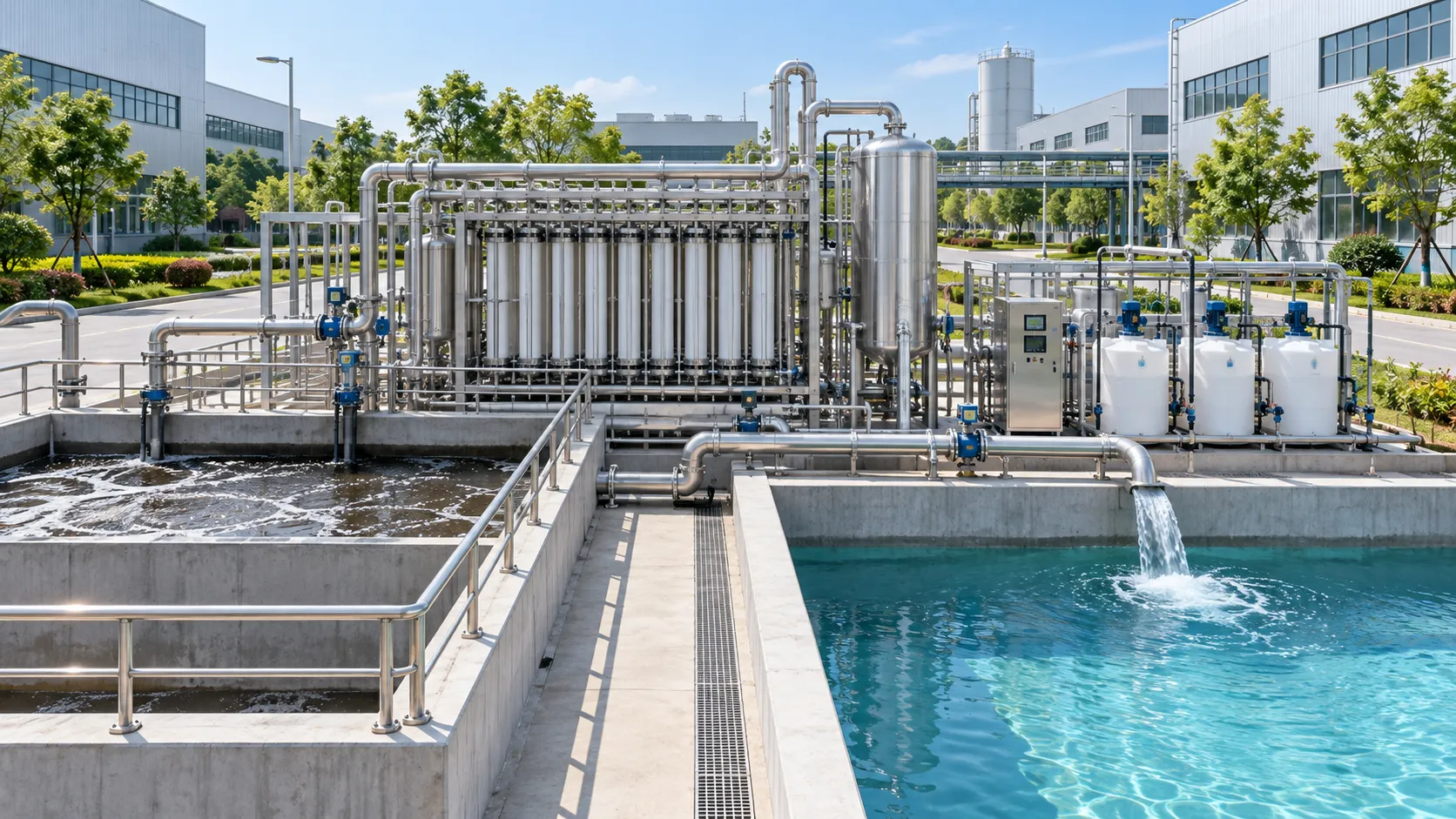
Comparing Upgrade Costs for Industrial Park Wastewater Treatment Systems
Compare costs for wastewater system upgrades in industrial parks with a lifecycle view of CAPEX, OPEX, compliance, resilience, and future expansion.
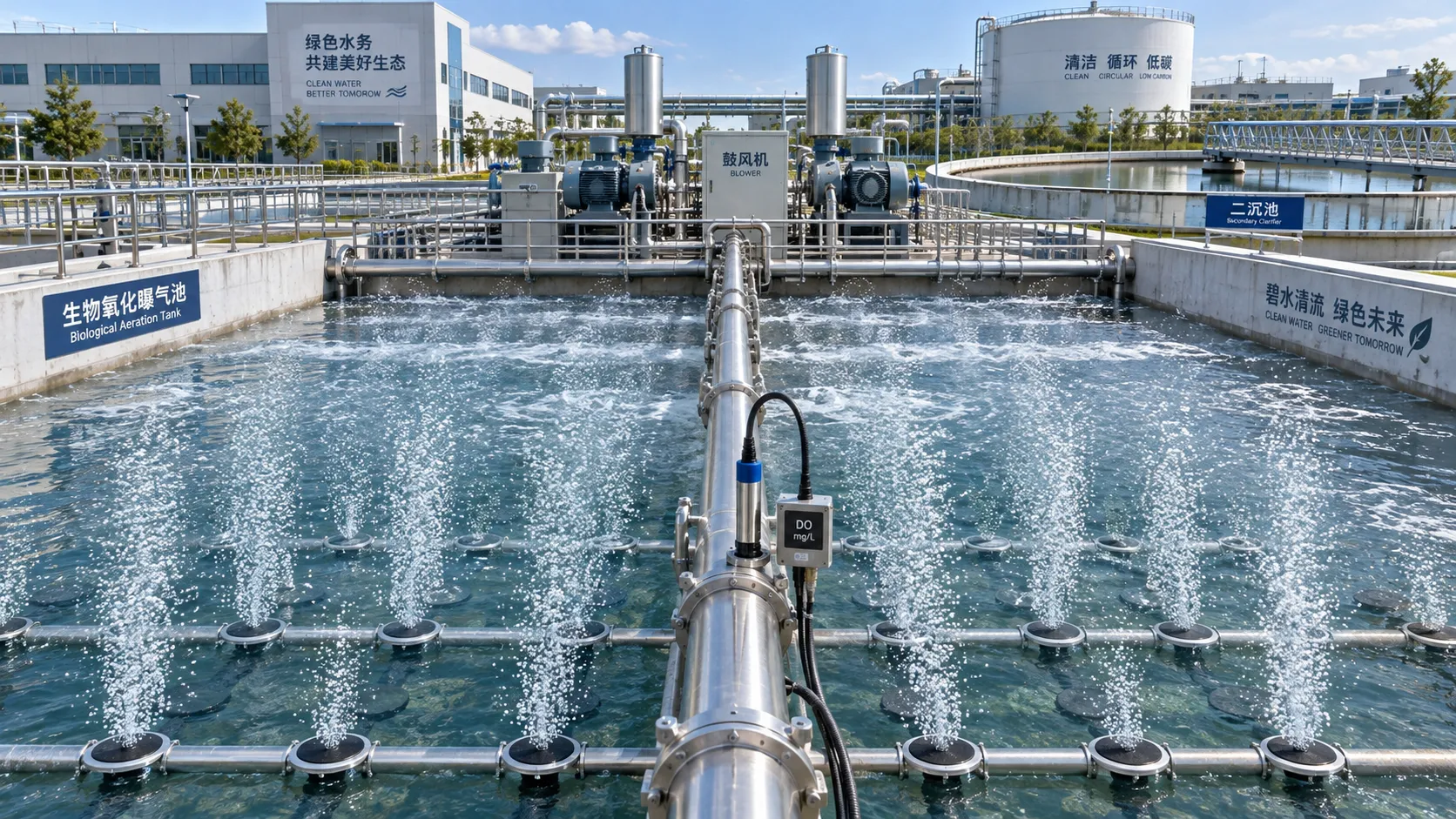
Biological Wastewater Oxidation Explained: Aeration Demand and Process Control
Biological wastewater oxidation explained: optimize aeration demand, DO control, nitrification, and sludge age for stable effluent quality and lower energy costs.