
Industry News
Curation by industry experts
Hot Articles
Popular Tags
Nuclear Waste Management: Safer Resin Handling Options
Nuclear Waste Management: Safer Resin Handling Options
In high-stakes nuclear waste management, resin handling is no longer a routine operational detail.
Spent ion-exchange resins now define a critical safety and compliance checkpoint across radioactive waste operations.
They demand strict containment, traceability, dose reduction, and failure-resistant transfer methods from collection to conditioning.
As regulatory scrutiny intensifies, safer resin handling options can reduce exposure, prevent cross-contamination, and strengthen the waste safety loop.
Resin Handling Is Becoming a Strategic Safety Indicator
Across nuclear waste management programs, spent resin is attracting closer attention because it concentrates radionuclides in compact, mobile material streams.
Unlike large components, resin can move through pumps, hoses, tanks, filters, and conditioning packages.
That mobility creates operational flexibility, but it also creates contamination pathways if transfer control is weak.
The latest nuclear waste management trend is clear: facilities are shifting from manual correction to engineered prevention.
This shift changes how resin systems are evaluated, specified, monitored, and documented.
Containment integrity, remote operation, process visibility, and package compatibility are now part of core safety performance.
Current Trend Signals in Nuclear Waste Management
Several signals show that resin handling is moving higher in nuclear waste management decision logic.
- Regulators increasingly expect documented dose optimization for routine waste transfers.
- Operators are replacing open or semi-open resin movements with sealed transfer architectures.
- Conditioning systems are being assessed earlier during resin collection planning.
- Digital records are becoming essential for custody, inventory, and compliance evidence.
- Emergency response planning now includes stuck resin, line blockage, and pump failure scenarios.
These signals reflect a broader nuclear waste management transition toward predictable, auditable, and remotely verifiable operations.
For resin, the preferred option is no longer simply faster transfer.
The preferred option is controlled transfer with lower dose, fewer interventions, and stronger package readiness.
Why Safer Resin Handling Is Gaining Momentum
The pressure behind safer resin handling is not driven by one factor alone.
It results from technical, regulatory, workforce, and lifecycle changes inside nuclear waste management programs.
These drivers make resin handling a measurable part of nuclear waste management maturity.
The best systems combine mechanical reliability with procedural clarity and digital traceability.
Safer Resin Handling Options Now Defining Best Practice
Closed transfer systems reduce contamination routes
Closed resin transfer is becoming a baseline expectation in advanced nuclear waste management environments.
These systems use sealed vessels, controlled pressure, shielded hoses, leak detection, and qualified connection points.
The goal is to keep resin contained during pumping, backflushing, sampling, and package loading.
A closed route also reduces cleanup burden and supports more consistent contamination control records.
Remote operation supports dose reduction
Remote valves, camera-assisted monitoring, automated pump control, and interlocked panels reduce direct exposure during resin movement.
In nuclear waste management, remote operation is most valuable when abnormal events are included in the design.
Blockage clearing, line isolation, pressure relief, and emergency shutdown should be possible without unsafe proximity.
Shielded containers improve interim storage safety
Shielded resin containers help control dose rates during holding, transport, and conditioning preparation.
They also protect the waste chain from delays caused by temporary storage limits.
Container selection should consider activity level, heat generation, water content, gas control, and downstream acceptance requirements.
Dewatering and immobilization reduce long-term risk
Spent resin often requires dewatering before stable packaging or immobilization.
Safer systems control free liquid, minimize aerosol risk, and verify package conditions before release.
Cementation, polymer encapsulation, thermal treatment, or other conditioning routes depend on resin chemistry and disposal criteria.
The strongest nuclear waste management approach aligns transfer design with final waste form performance.
Operational Impacts Across the Waste Safety Loop
Safer resin handling changes daily operations beyond the waste treatment area.
It affects radiation protection, maintenance planning, inventory control, procurement, emergency preparedness, and final disposal documentation.
In modern nuclear waste management, resin is treated as a lifecycle material stream.
- Collection teams need clear batch identification and controlled transfer readiness.
- Maintenance teams need clean access points and isolation certainty.
- Radiation protection teams need predictable dose maps and monitoring data.
- Conditioning teams need stable feed quality and verified water content.
- Compliance teams need traceable records from resin origin to final package.
The main impact is coordination.
Resin handling becomes safer when each handoff is engineered, recorded, and verified before the next step begins.
Key Evaluation Points for Safer Resin Handling
Facilities improving nuclear waste management should evaluate resin systems through practical, measurable criteria.
- Containment: Check seals, joints, vents, sampling ports, and transfer interfaces.
- Dose reduction: Compare manual steps, shielding, remote functions, and waiting positions.
- Traceability: Link resin source, activity data, batch movement, and package records.
- Failure tolerance: Assess blockage, leakage, power loss, overpressure, and pump malfunction responses.
- Compatibility: Confirm chemistry, container materials, dewatering method, and final waste form requirements.
- Maintainability: Ensure components can be inspected, replaced, and decontaminated safely.
- Scalability: Plan for outage resin, decommissioning campaigns, and inventory growth.
These criteria keep nuclear waste management decisions grounded in operational evidence instead of equipment claims alone.
They also help compare fixed systems, mobile skids, modular conditioning units, and upgraded legacy assets.
Technology Direction: From Mechanical Transfer to Intelligent Control
The next phase of nuclear waste management will connect resin handling with intelligent monitoring.
Sensors can track pressure, flow stability, tank level, conductivity, dose rate, and leak status during transfer.
When combined with alarms and interlocks, these signals reduce dependence on operator interpretation under stress.
Digital twins and process historians may also support predictive maintenance for resin pumps and valves.
This matters because resin incidents often begin as small deviations.
A slow pressure rise, unstable flow, or unexplained level change can reveal blockage, gas accumulation, or leakage risk.
Stronger nuclear waste management will use these signals to intervene earlier and document every corrective action.
Practical Response Framework for Resin Safety Upgrades
A phased response helps convert trend awareness into safer resin operations.
This framework avoids fragmented upgrades.
It supports nuclear waste management decisions that connect safety design, compliance records, and lifecycle waste performance.
What to Watch in the Next Resin Handling Cycle
Three developments deserve close attention as resin safety requirements continue evolving.
- More integrated systems connecting resin transfer, dewatering, packaging, and records.
- Higher demand for modular resin handling in decommissioning and temporary campaigns.
- Greater emphasis on verified waste form stability before final disposal acceptance.
These trends reinforce a central point.
Nuclear waste management will reward systems that reduce uncertainty before resin reaches the final package.
The strongest strategies will treat resin not as an isolated residue, but as a controlled radioactive material flow.
Action Direction for Safer Nuclear Waste Management
Start by reviewing the complete resin pathway, from ion-exchange vessel discharge to final conditioned package.
Identify every manual connection, temporary hose, open sampling step, uncertain record, and untested failure mode.
Then compare current practice against closed transfer, remote handling, shielding, monitoring, and package compatibility requirements.
For resilient nuclear waste management, safer resin handling should become a planned upgrade path, not a reactive correction.
The next step is practical: build a resin risk map, define priority upgrades, and align them with compliance evidence.
That approach strengthens worker protection, contamination control, and the absolute safety loop of nuclear waste management.
Recommended News

How to vet ingredient processing equipment manufacturers using trials
Vet ingredient processing equipment manufacturers with real-world trials. Learn how to verify yield, cleaning, energy use, and scale-up before you invest.
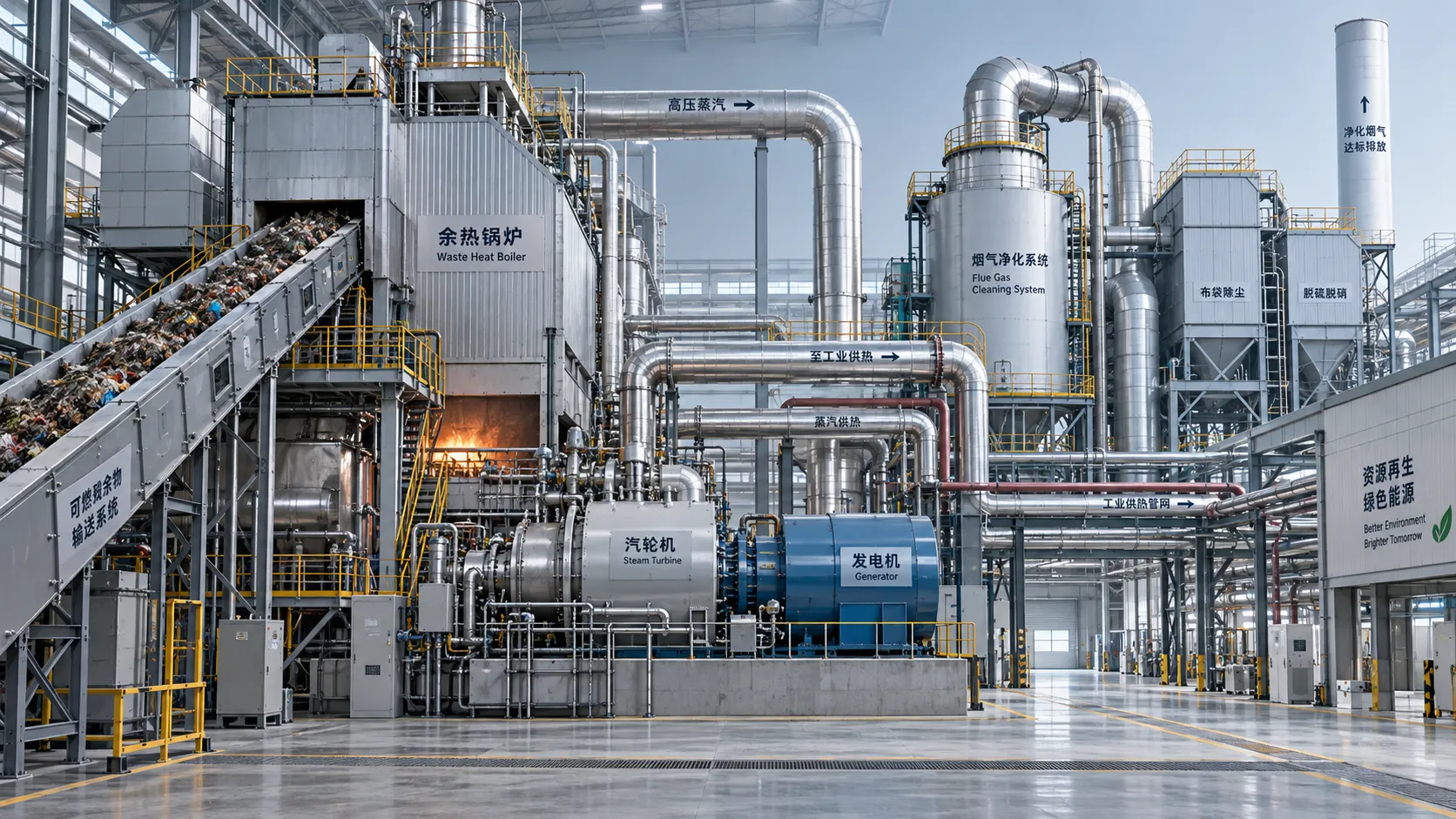
When is energy recovery viable in the solid waste recovery process?
When is energy recovery viable in the solid waste recovery process? Explore feedstock quality, net energy, emissions, and costs to assess feasibility and make smarter investment decisions.
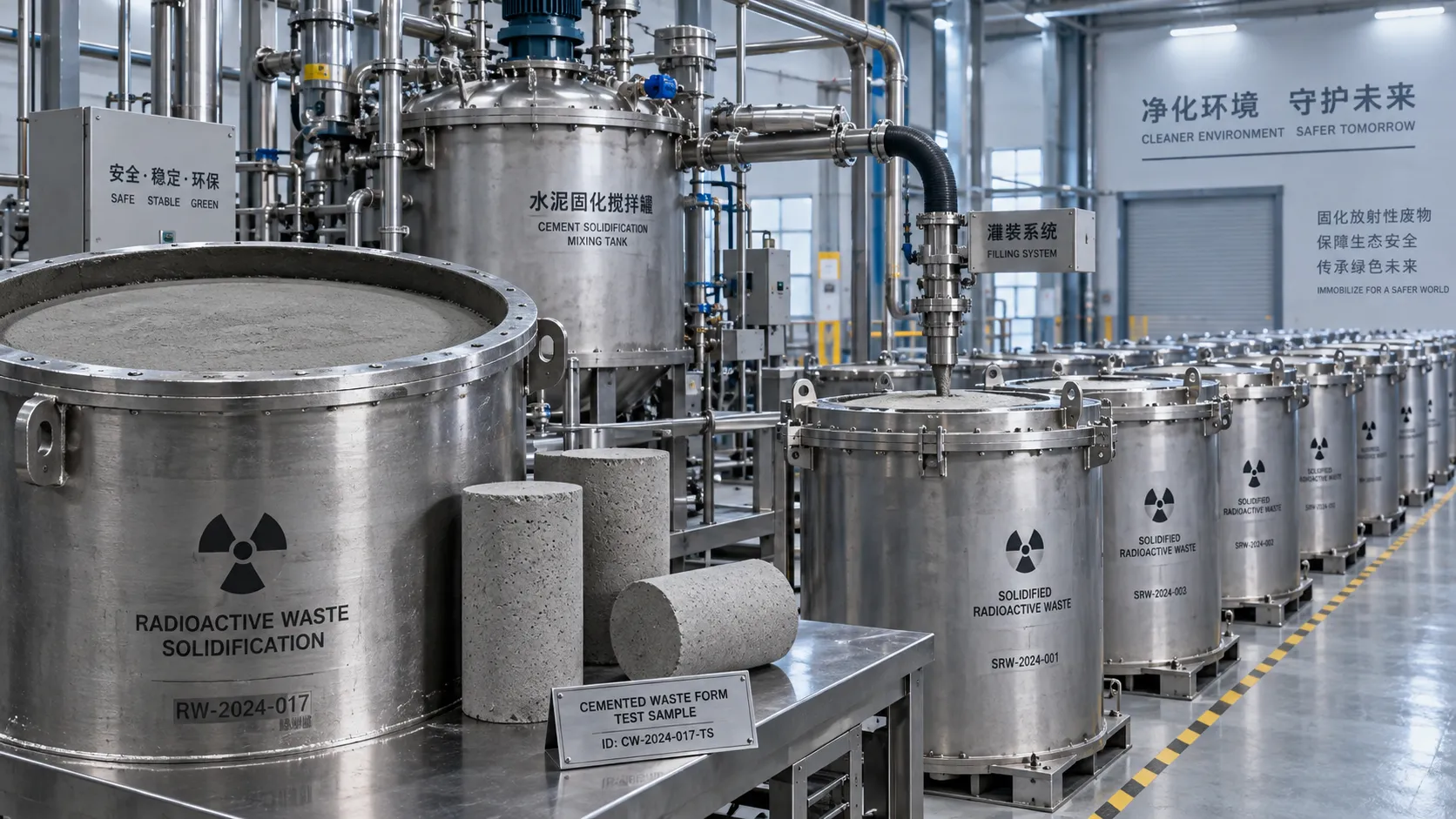
When is cementation suitable for nuclear decommissioning waste?
Explore nuclear waste treatment technology for decommissioning: learn when cementation fits, which risks to assess, and how disposal criteria guide an effective treatment choice.
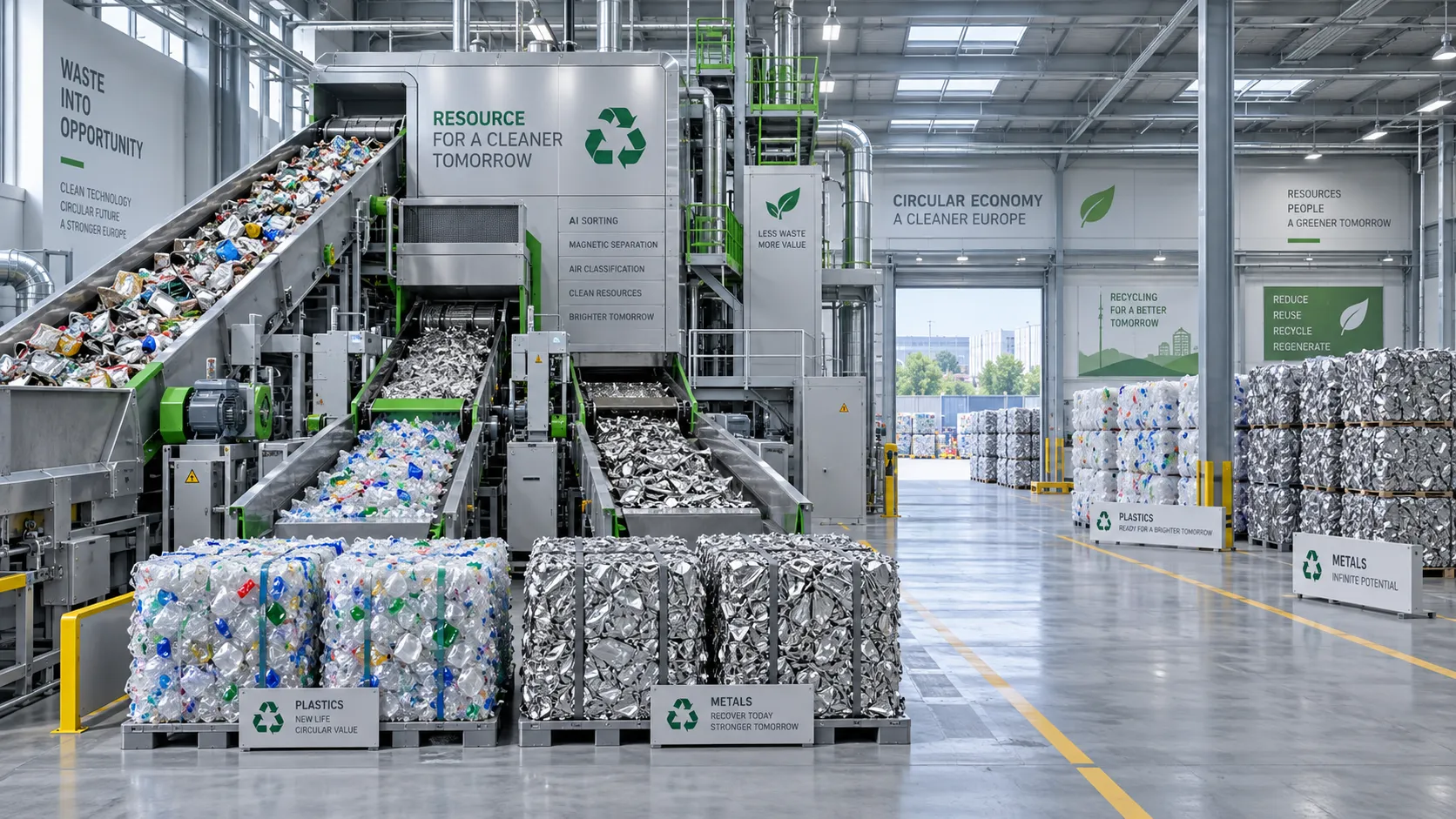
What determines payback for waste-to-resource systems in Europe?
Assess waste-to-resource systems Europe-wide: compare feedstock, recovery yields, costs and contracts to uncover payback drivers and make smarter investment decisions.
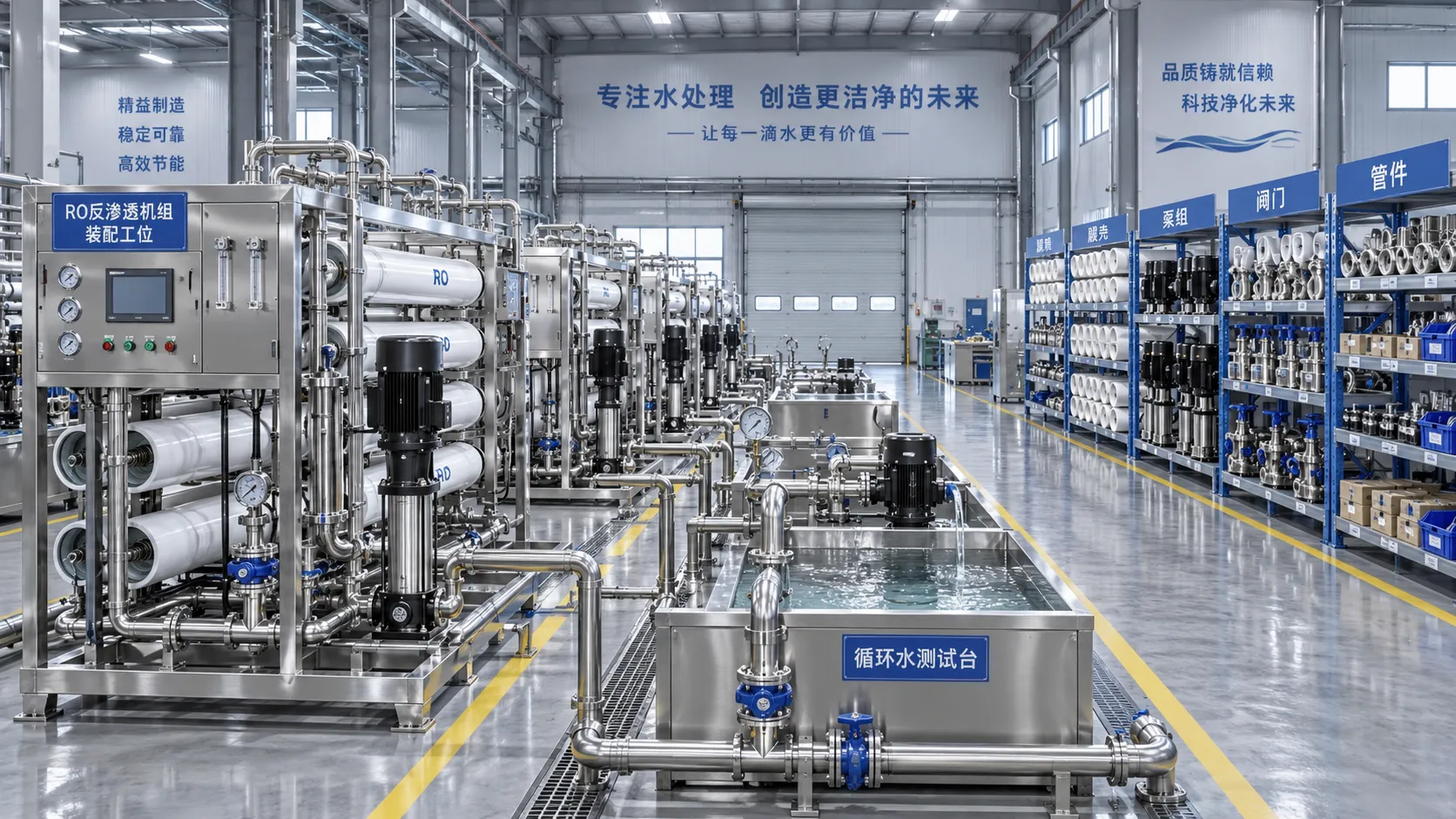
How to verify a water treatment system factory’s production capacity
Verify a water treatment systems factory’s production capacity through records, bottlenecks, component availability, and testing. Learn what to check before accepting a delivery promise.
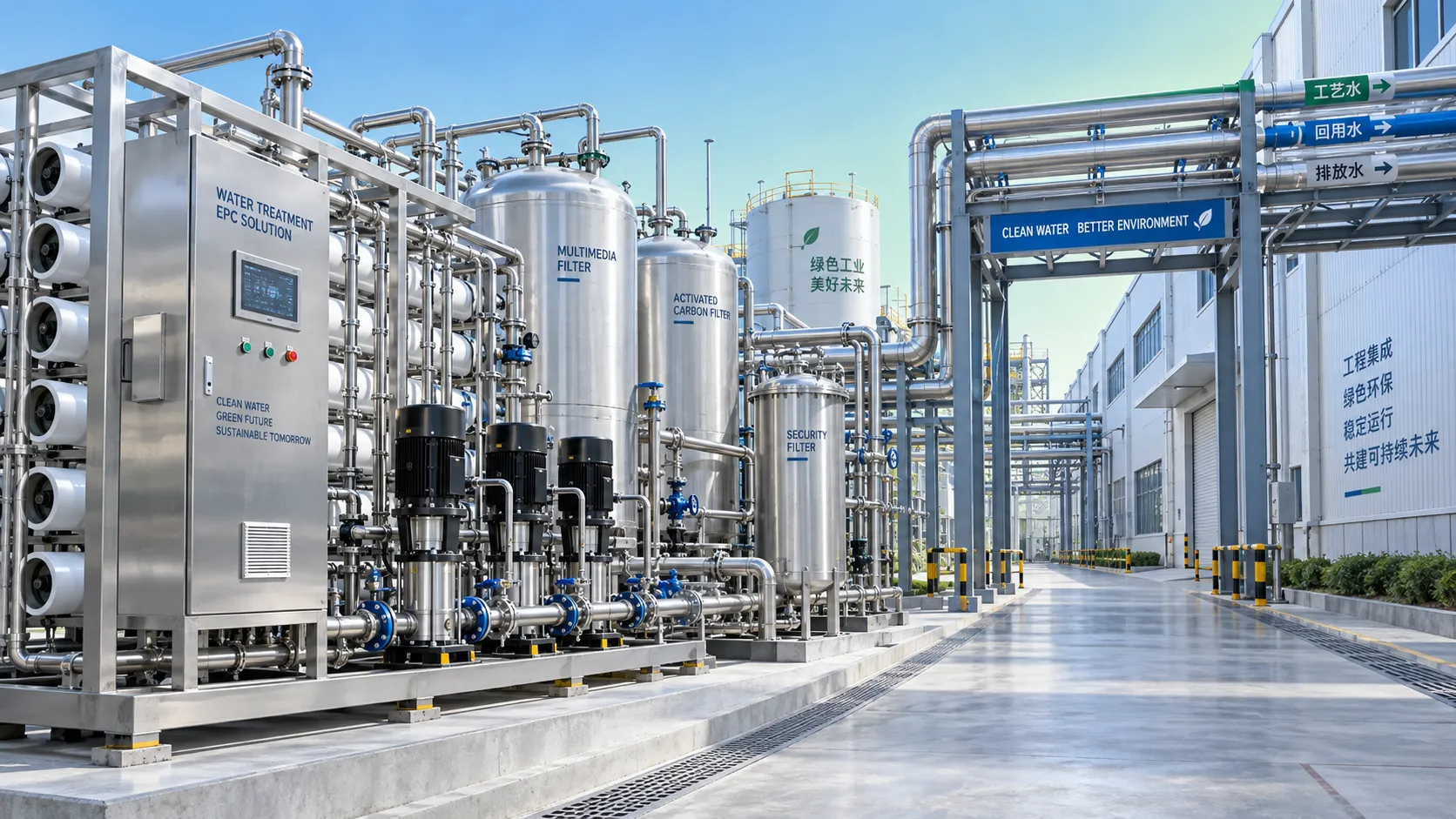
When does EPC environmental project support reduce delivery risk?
EPC environmental project support engineering reduces delivery risk by aligning design, procurement, compliance, construction, and commissioning decisions.
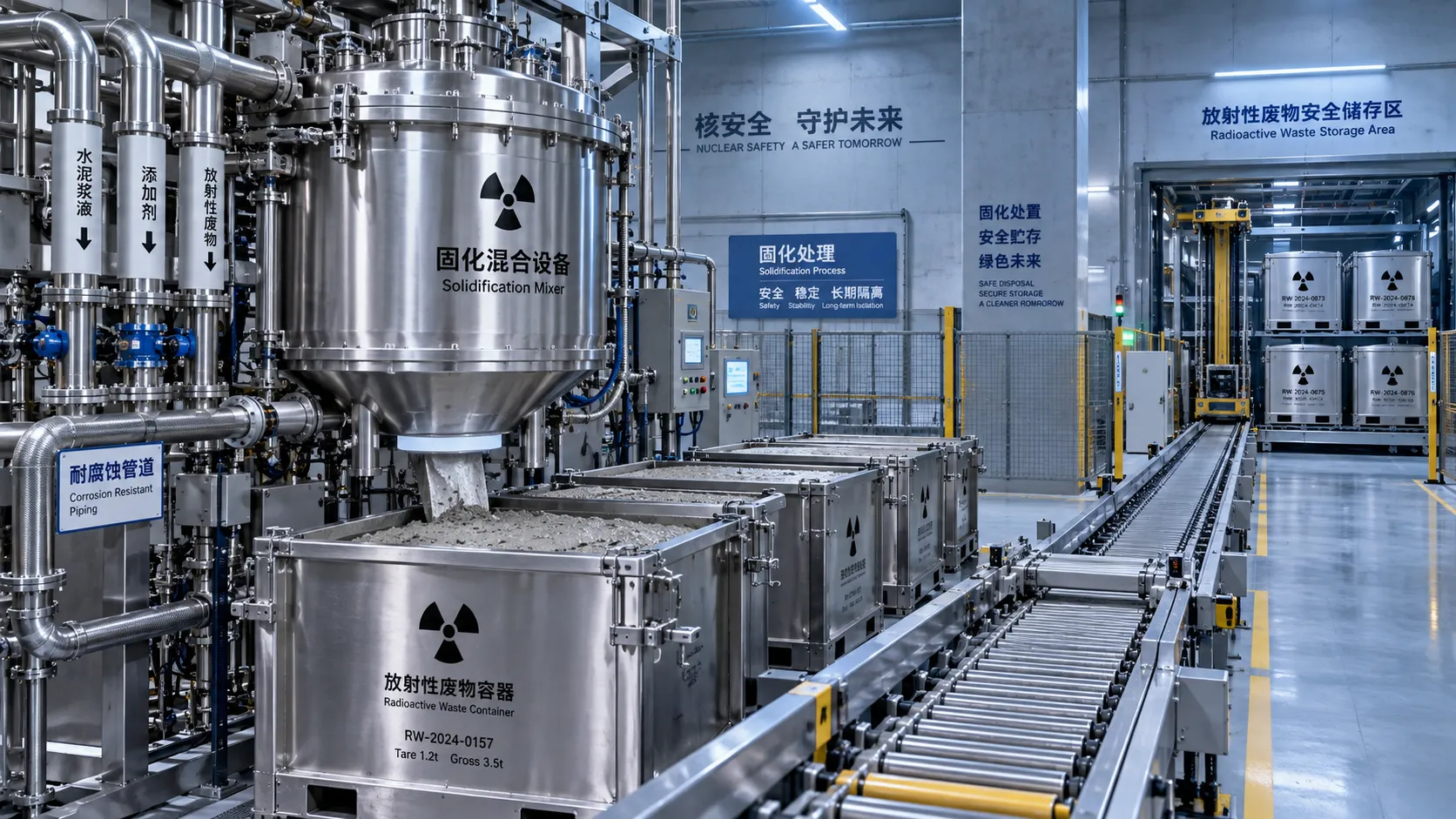
How nuclear plants select a radioactive waste solidification method
Radioactive waste management for nuclear plants: compare vitrification, cementation, polymers, and ceramics to select a compliant, durable solidification solution.

Water Treatment Options for Metal Finishing Rinse Water and Process Baths
Metal finishing water treatment solutions for rinse water and process baths—reduce costs, recover metals, improve reuse, and strengthen compliance.
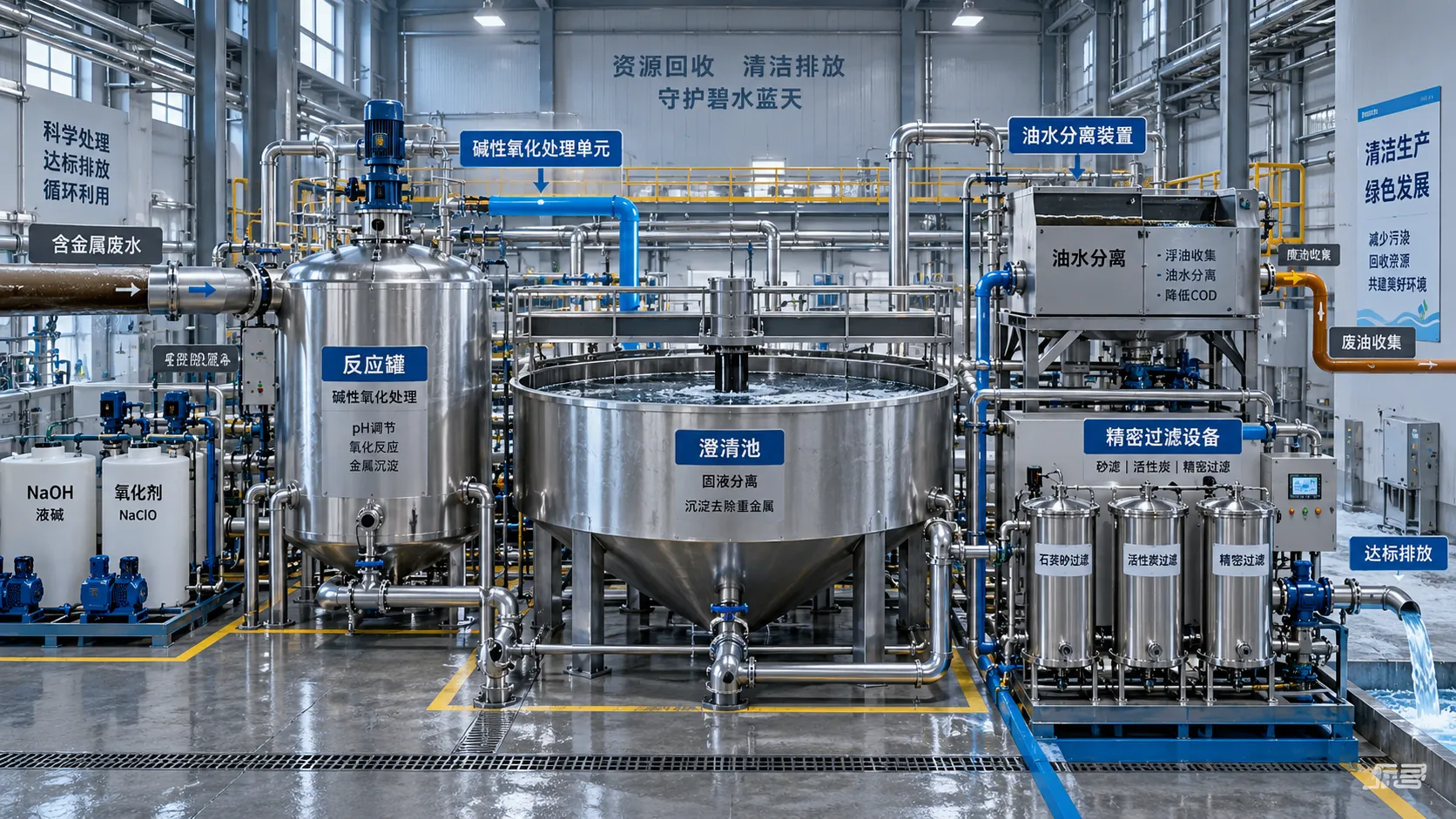
Treating Metal Finishing Wastewater: Removing Metals, Cyanide, and Oil Reliably
Metal finishing wastewater treatment made reliable: learn how to safely remove metals, cyanide, oil, and complex contaminants with proven stream segregation and control strategies.